ATOMFAIR® 1,3,6-HEXANETRICARBONITRILERESEARCH GRADE MATERIAL
|
||||||||||||||||||||||||||||||||||||
|
||||||||||||||||||||||||||||||||||||
This document specifies the environmental and safety constraints for handling and storing 1,3,6-Hexanetricarbonitrile (HTCN). The compound is moisture-sensitive and requires storage under an inert atmosphere to prevent degradation.
- Moisture Sensitivity: Store the material in a sealed container within an inert gas glovebox to maintain battery-grade moisture specifications.
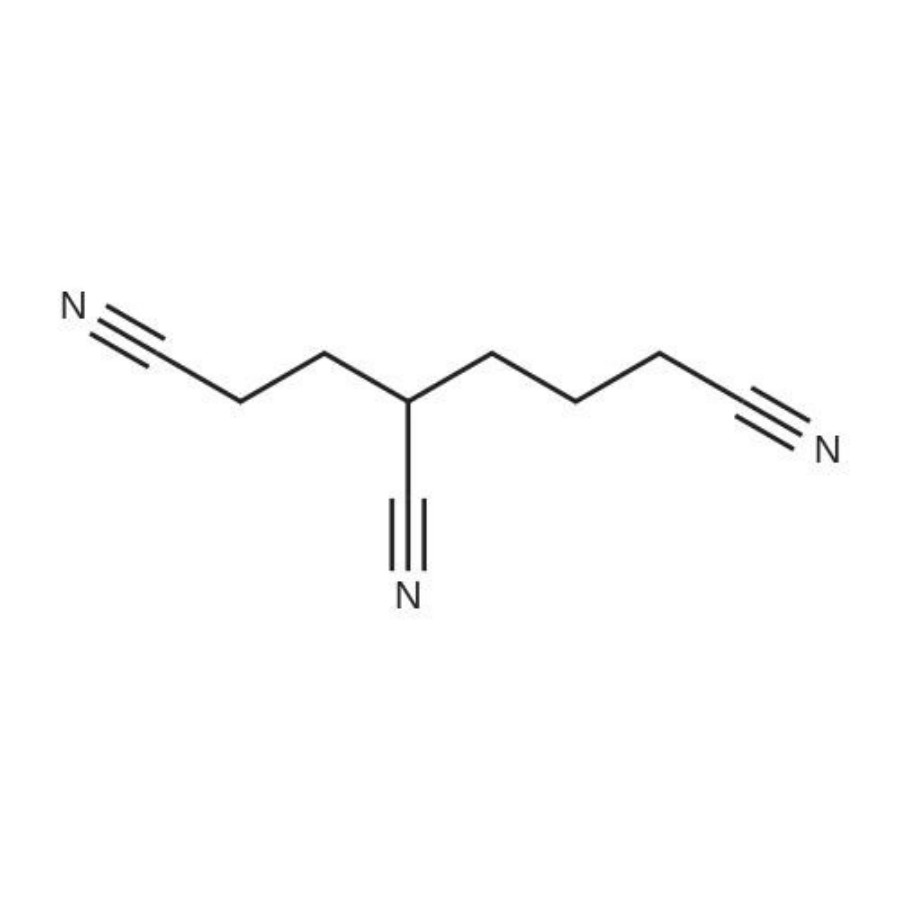
How does HTCN's tri-cyano structure improve oxidative stability compared to additives with fewer cyano groups?
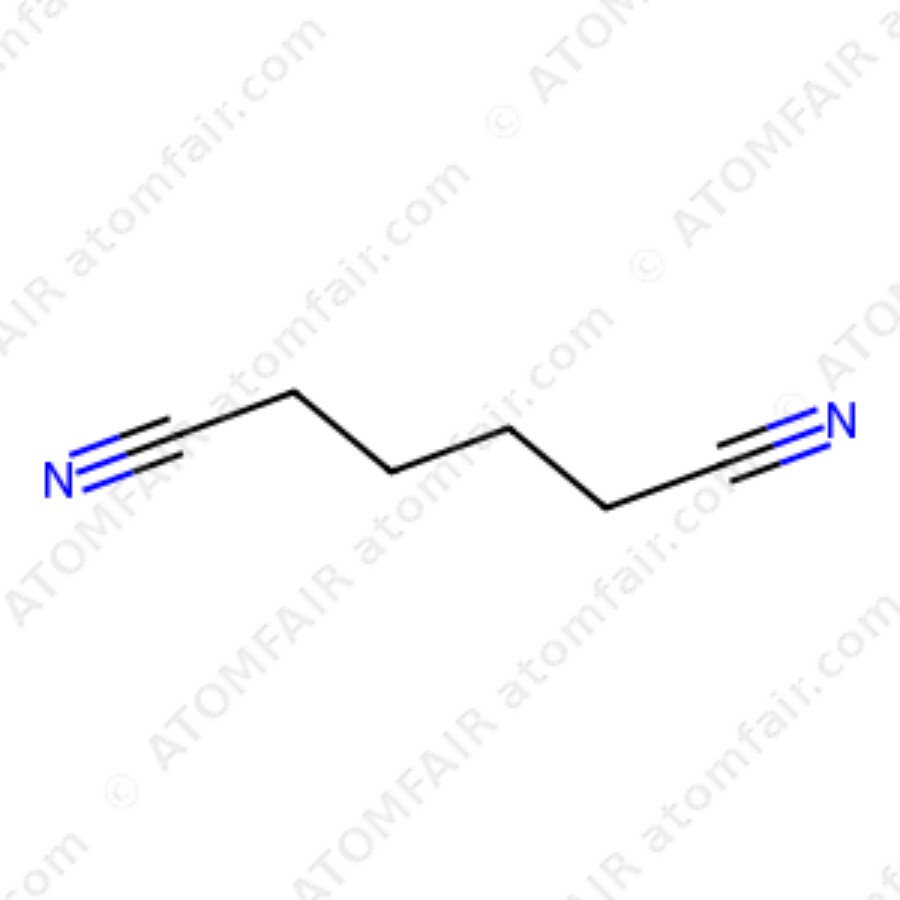
The tri-cyano architecture provides multiple coordination sites with cathode transition metals, more effectively mitigating metal dissolution and reinforcing the cathode-electrolyte interphase (CEI). This yields a robust electrochemical window tailored for high-voltage battery electrolyte applications, enabling superior oxidative stability over mono- or di-cyano alternatives.
Can HTCN be incorporated into both lithium-ion and sodium-ion electrolyte formulations?
Yes, HTCN is designed as a multi-functional nitrile additive for high-voltage energy storage systems and is explicitly specified for high-voltage lithium-ion and sodium-ion electrolyte applications. Its tri-cyano functionality coordinates effectively with cathode transition metals in both chemistries to stabilize cycling performance.
What handling and storage conditions are required to preserve HTCN's battery-grade moisture specification?
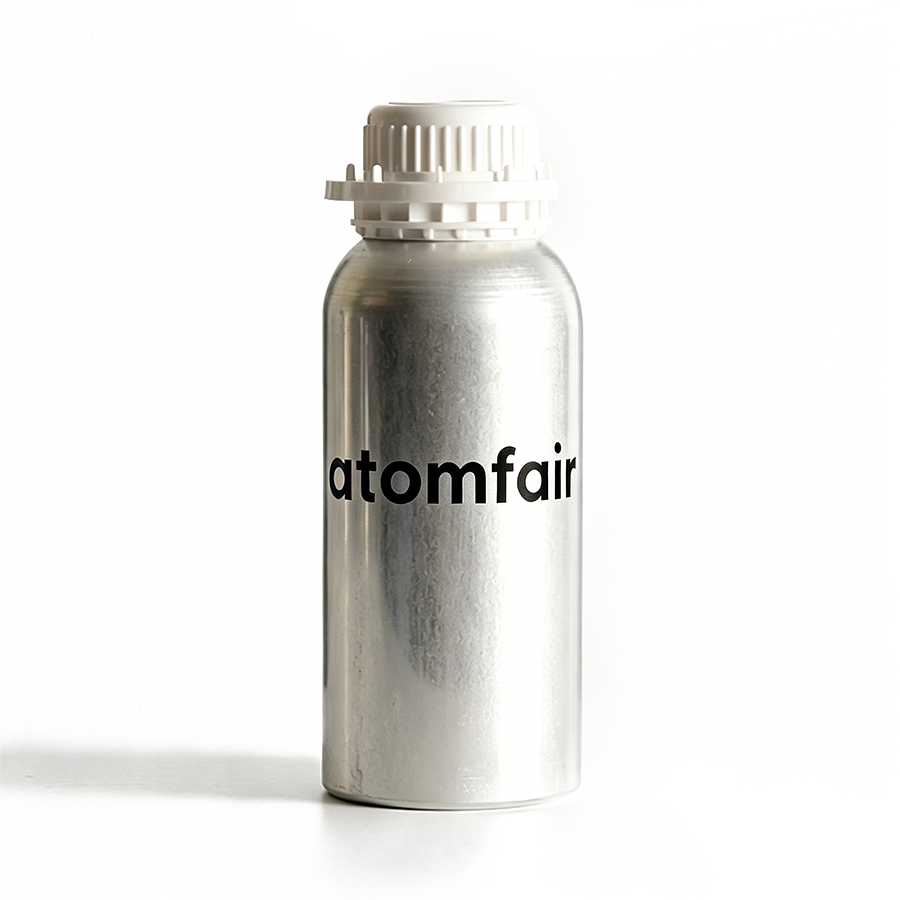
HTCN must be handled and stored under anhydrous conditions using an inert atmosphere (argon or nitrogen glovebox) to maintain its battery-grade moisture baseline. The material is supplied in a hermetically sealed, moisture-proof compliance container to prevent water ingress and suppress electrolyte decomposition.
HTCN (1,3,6-Hexanetricarbonitrile) is a research-grade, battery-grade moisture-controlled liquid additive that leverages tri-cyano coordination to suppress cathode metal dissolution and promote resilient CEI formation, but its moisture sensitivity and research-grade classification necessitate controlled handling and limit immediate production-scale deployment.
Positive
- Tri-cyano cathode stabilization: The tri-cyano functionality coordinates with cathode transition metals, reducing metal dissolution during high-voltage cycling and improving cell longevity.
- Battery-grade moisture control: Strictly monitored low-moisture baseline suppresses water-induced electrolyte decomposition, critical for high-voltage electrolyte stability.
Trade-offs
- Moisture-sensitive handling required: The material is dispensed in hermetically sealed moisture-proof containers and requires inert or dry-room conditions to preserve its battery-grade moisture specification.
- Research-grade, not production-grade: Explicitly labeled as research-grade material, indicating that performance validation for commercial production falls outside the scope of this grade.
Every advanced material, component, equipment, and instrument in our catalog is backed by rigorous testing. We maintain strict internal quality management frameworks and align with CE conformity metrics to deliver transparent, reproducible performance data via our public open-science repository.
To request raw batch performance data, submit formal vendor registration paperwork, or execute a fast-turnaround R&D manufacturing loop, contact us at inquiry@atomfair.com.
Item is dispatched under the Atomfair Shipping & Delivery Framework (Free worldwide shipping on orders over $59 USD excl. heavy equipment). Return is governed by the Atomfair Return & Refund Policy (7-day technical return window).