Atomfair-HeNe-Laser Educational Experimental Equipment
Product Overview
Atomfair-HeNe-Laser-739 is a high-performance experimental device belonging to the optoelectronics and laser category. Exclusively designed for educational experimental teaching, it serves as an essential tool for learners to delve into the principles, operations, and performance testing of helium-neon lasers. With its comprehensive configuration and precise parameters, this equipment offers a hands-on and intuitive experimental experience, making complex laser-related knowledge more accessible.
Key Values of the Instrument
- Hands-on Skill Enhancement: Through the practical assembly and debugging of the helium-neon laser, users can adjust the cavity length of the resonant cavity and observe changes in beam parameters. This process effectively cultivates hands-on experimental abilities and deepens the understanding of laser device structure and operation.
- Intuitive Feature Observation: Equipped with a confocal spherical scanning interferometer, the device allows for the intuitive presentation of the spectral distribution of transverse and longitudinal modes. It helps learners visually comprehend the inherent characteristics of lasers, facilitating the mastery of professional theoretical knowledge.
Experimental Projects Available
- Learn the assembly and debugging of helium-neon lasers, grasp the working principle and structural composition of gas lasers, familiarize yourself with the collimation, tuning, and oscillation processes of lasers, and explore the mechanism of laser generation.
- Accurately measure the laser spot distribution and calculate the laser divergence angle parameter.
- By changing the cavity length of the resonant cavity and replacing the output mirror, observe and measure the correlation between the cavity type and laser power, transverse mode, and longitudinal mode, so as to verify the scientificity of the resonant cavity theory.
- Utilize the confocal spherical scanning interferometer to observe the spectral distribution of longitudinal and transverse modes, and complete the measurement of the finesse of the scanning interferometer.
Standard Configuration & International Standard Specifications
| No. | Configuration Name | International Standard Specifications |
|---|---|---|
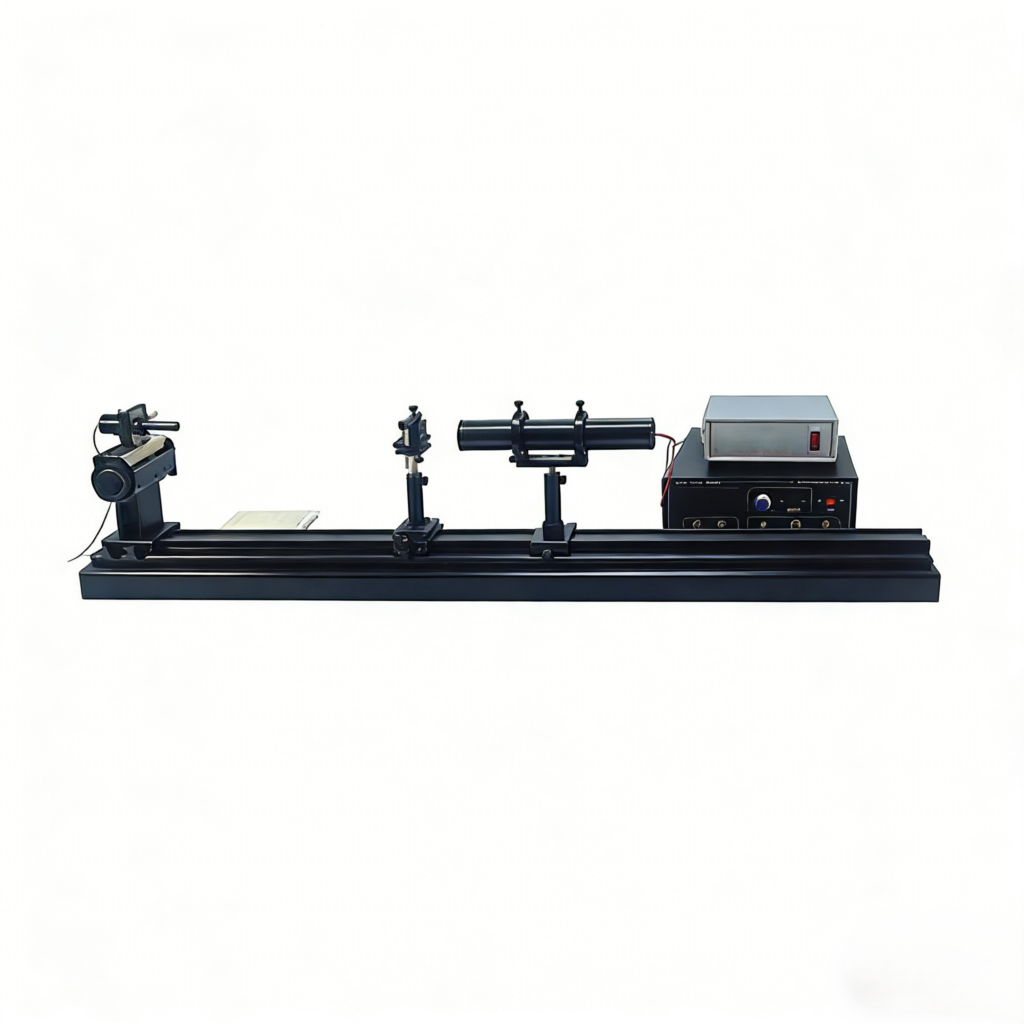
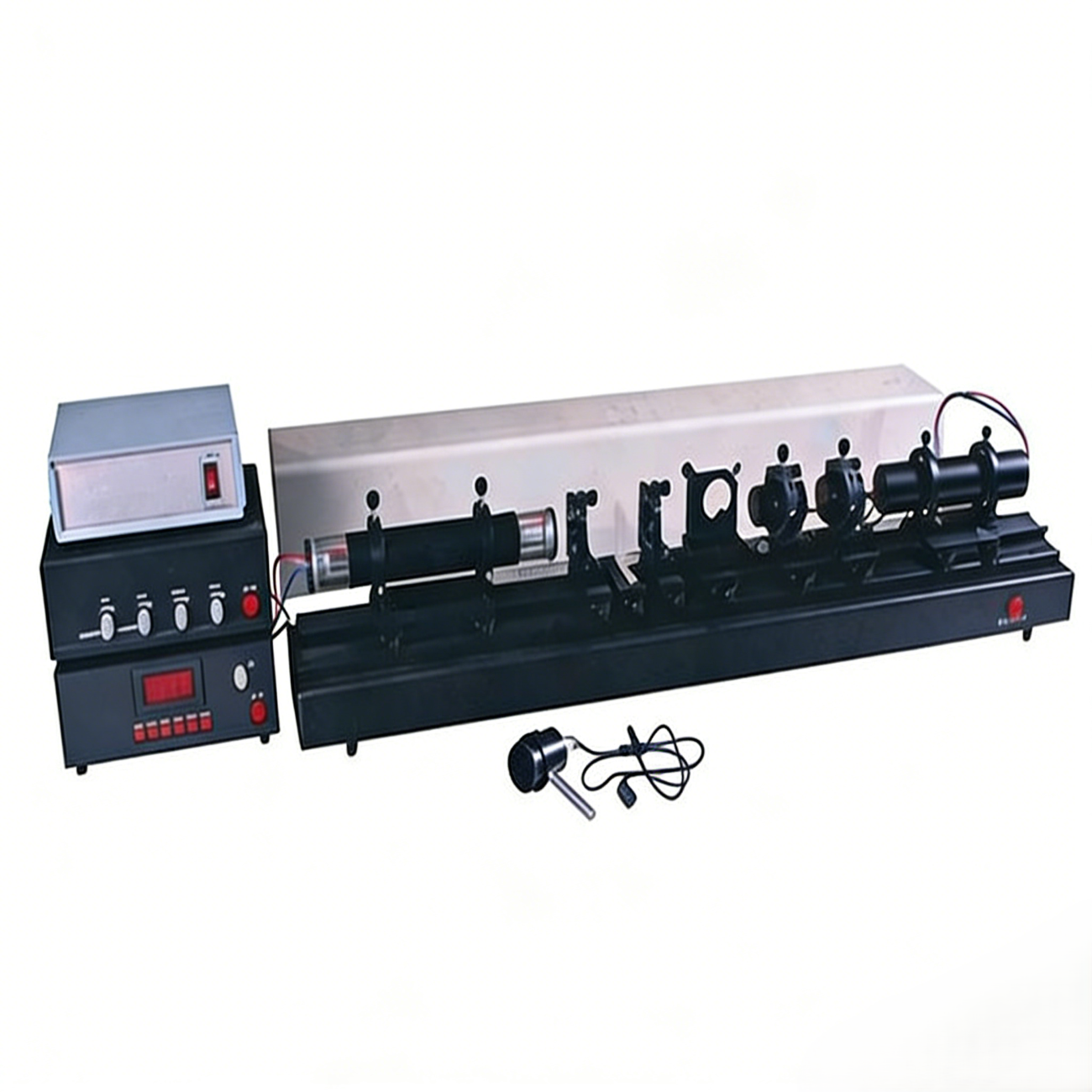
| 1 | Optical Experiment Guide Rail | Length: 1 meter, equipped with a scale; adopts dovetail structure design, made of aluminum alloy |
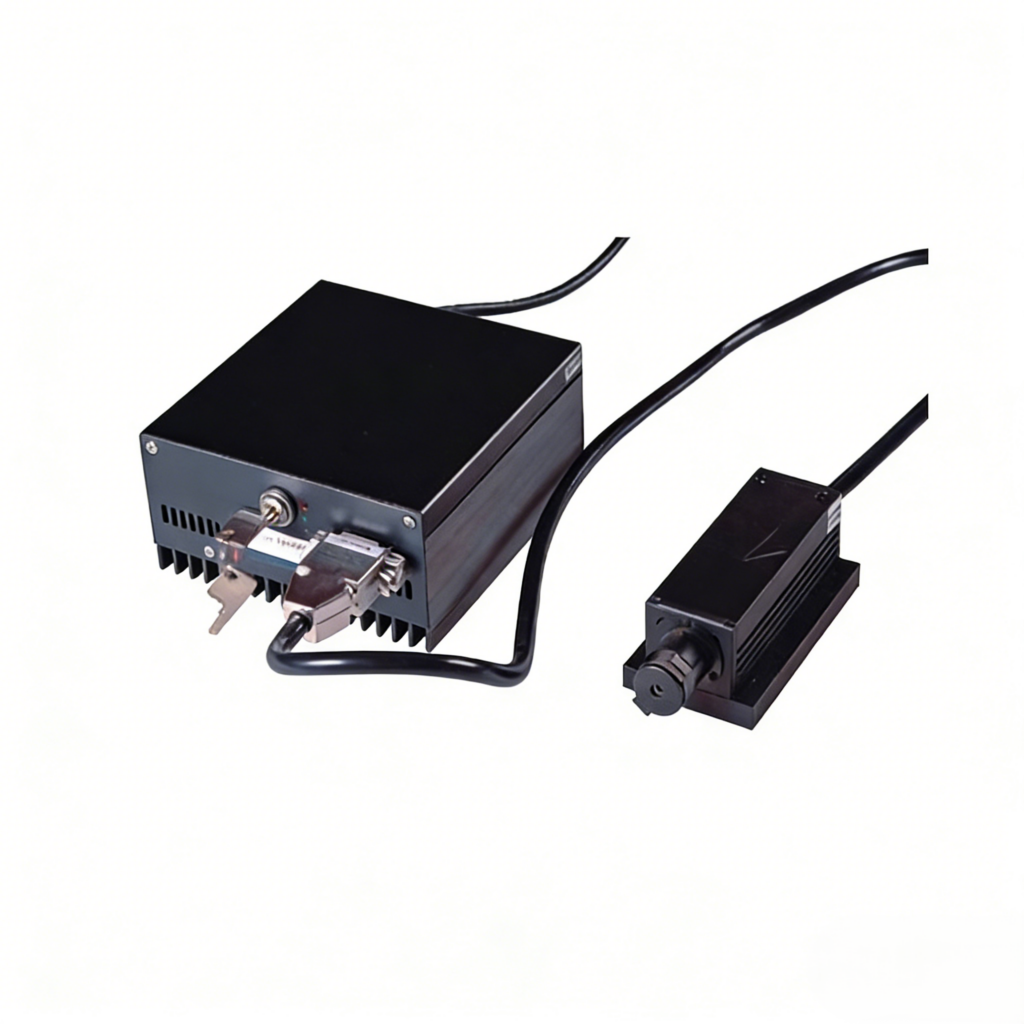
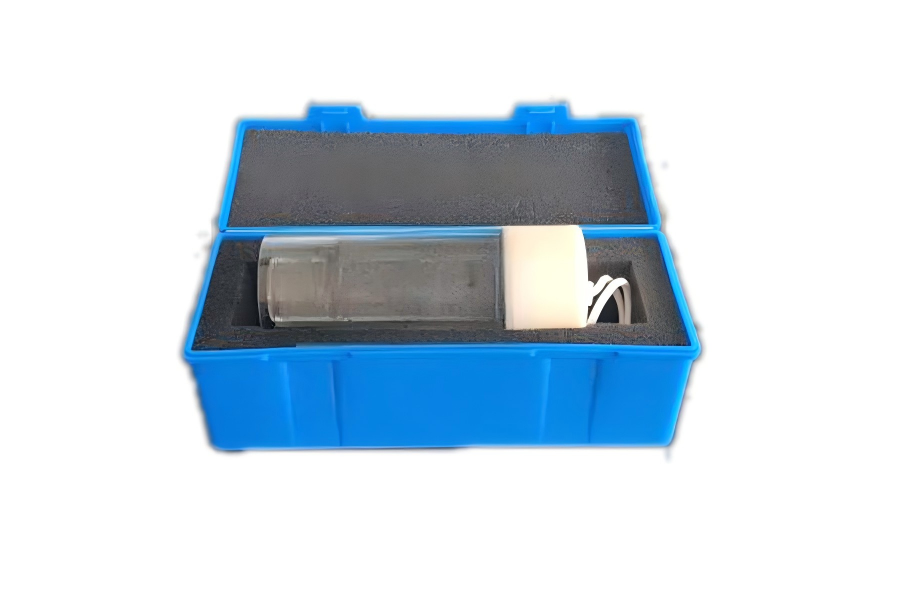
| 2 | Laser | External cavity structure with Brewster window; central wavelength: 632.8 nm, output power: ≥1.5 mW; output mirror curvature radius: 1 m and infinity (two specifications), reflectivity: >99.8% |
| 3 | Collimated Laser | Wavelength: 650 nm, power stability: better than 1%, output power: >4 mW, built-in protection module |
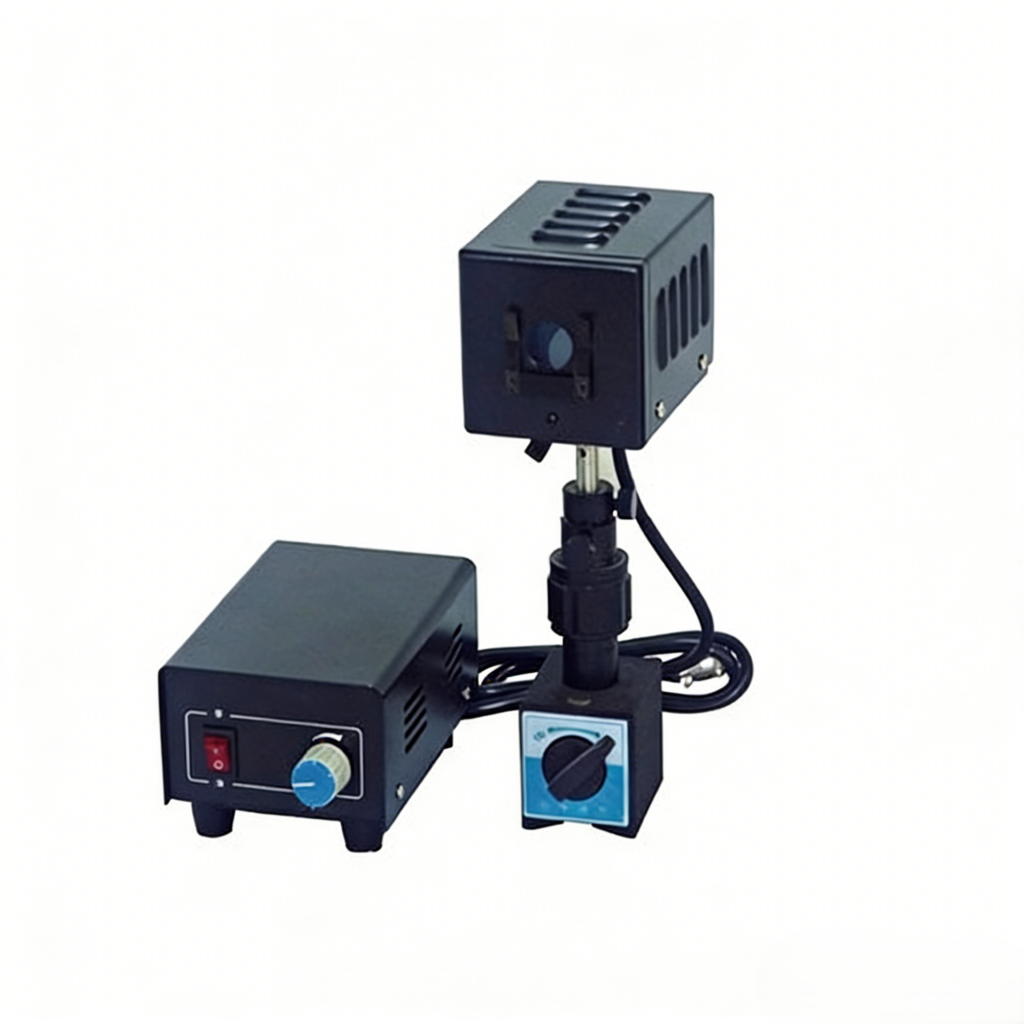
| 4 | Sawtooth Wave Generator + Confocal Spherical Scanning Interferometer | Sinusoidal wave modulation amplitude: 0~250 V (continuously adjustable), modulation frequency: 20~50 Hz; finesse: >100, free spectral range: 4 GHz |
| 5 | Optical Power Indicator | 3.5-digit digital display; measurement range: 200 μW, 2 mW, 20 mW, 200 mW, and adjustable gear; minimum resolution: 0.1 μW; calibrated wavelength: 632.8 nm |
| 6 | Adjustment Frame | Includes 4-dimensional adjustment frame, 2-dimensional adjustment frame, and gain crystal 3-dimensional adjustment frame |
| 7 | Other Auxiliary Accessories | Adjustable slit, small hole screen, oscilloscope, etc. |
If you’re interested, have any questions, or have specific customization requirements, please feel free to contact us at inquiry@atomfair.com.
What is the experimental difference between choosing the output mirror with a curvature radius of 1 m versus infinity for the HeNe laser in the Atomfair system?
The curvature radius directly affects cavity stability and output beam divergence. The 1 m radius mirror produces a converging cavity geometry suitable for shorter resonator lengths, while the infinity (planar) mirror yields a collimated output for longer cavities. The source provides both with reflectivity >99.8%, allowing direct comparison of cavity type effects on laser power, transverse mode structure, and longitudinal mode spacing as part of the resonant cavity theory experiments.
How does the confocal spherical scanning interferometer with finesse >100 and free spectral range 4 GHz integrate with the Atomfair HeNe laser for longitudinal and transverse mode analysis?
The interferometer is driven by a sawtooth wave generator (sinusoidal modulation amplitude 0–250 V continuously adjustable, modulation frequency 20–50 Hz) that sweeps the cavity length. With a finesse exceeding 100 and a free spectral range of 4 GHz, it resolves individual longitudinal modes spaced by c/2L. The system includes an optical power indicator calibrated at 632.8 nm (measurement ranges: 200 μW, 2 mW, 20 mW, 200 mW; minimum resolution 0.1 μW) to detect the transmitted signal, enabling measurement of mode spectra and interferometer finesse.
What are the modulation amplitude and frequency specifications of the sawtooth wave generator, and how do they affect scanning interferometer performance?
The sawtooth wave generator provides sinusoidal modulation amplitude from 0 to 250 V (continuously adjustable) and modulation frequency from 20 to 50 Hz. The amplitude controls the voltage-driven displacement of the interferometer piezoelectric element, directly setting the spectral scan range up to the free spectral range of 4 GHz. The frequency determines the scan rate, which must be matched to the detector response time of the optical power indicator for accurate mode spectrum acquisition.
This educational helium-neon laser system integrates a 632.8 nm external-cavity laser with Brewster window, a confocal spherical scanning interferometer (finesse >100, FSR 4 GHz), and a calibrated optical power meter, enabling quantitative measurement of beam divergence, mode spectra, and cavity-length-dependent behavior for advanced photonics instruction.
Positive
- Quantitative mode analysis capability: The confocal spherical scanning interferometer with finesse >100 and 4 GHz free spectral range allows direct observation and measurement of longitudinal and transverse mode spectra, enabling quantitative verification of resonant cavity theory.
- Precise beam characterization tools: The optical power indicator with 0.1 μW resolution and calibrated 632.8 nm response, combined with adjustable slit and small hole screen, supports accurate measurement of laser spot distribution and divergence angle.
Trade-offs
- Requires external oscilloscope: The system includes a sawtooth wave generator and scanning interferometer, but an oscilloscope is listed as an auxiliary accessory, meaning users must supply this essential readout device separately for mode spectrum visualization.
- High-voltage modulation hazard: The sawtooth wave generator provides sinusoidal modulation up to 250 V, requiring careful handling and proper electrical safety protocols in educational laboratory settings to prevent shock or equipment damage.
Every advanced material, component, equipment, and instrument in our catalog is backed by rigorous testing. We maintain strict internal quality management frameworks and align with CE conformity metrics to deliver transparent, reproducible performance data via our public open-science repository.
To request raw batch performance data, submit formal vendor registration paperwork, or execute a fast-turnaround R&D manufacturing loop, contact us at inquiry@atomfair.com.
Item is dispatched under the Atomfair Shipping & Delivery Framework (Free worldwide shipping on orders over $59 USD excl. heavy equipment). Return is governed by the Atomfair Return & Refund Policy (7-day technical return window).