ATOMFAIR® HAYNES 230 HIGH-TEMPERATURE ALLOY POWDERRESEARCH GRADE MATERIAL
|
|||||||||||||||||||||||||||||||||||||||||||
|
|||||||||||||||||||||||||||||||||||||||||||
|
TAILORED SOLUTIONS FOR RESEARCH
Contact our engineering team for technical support or official institutional quotations.
EMAIL: INQUIRY@ATOMFAIR.COM
|
|||||||||||||||||||||||||||||||||||||||||||
|
Manufacturer: Atomfair LLC
Brand: ATOMFAIR®
|
|||||||||||||||||||||||||||||||||||||||||||
This high-temperature alloy powder must be protected from ambient exposure to avoid phase contamination and degradation. Storage and handling require sealed dry containment and an anhydrous inert gas environment.
- Ambient Exposure Restriction: Keep containers tightly sealed to prevent phase contamination or degradation before thermal validation.
- Inert Atmosphere Handling: Handle the powder exclusively within an anhydrous inert gas environment whenever the container is opened.
- Storage Atmosphere Control: Maintain anhydrous inert gas conditions throughout storage to prevent phase structural decay.
- Processing System Constraint: Process the powder only in selective laser melting additive manufacturing systems for which it is optimized.
Follow these steps to maintain inert atmosphere integrity while handling the alloy powder before thermal consolidation. Each step is intended to prevent ambient contamination and phase degradation.
Required Equipment: Anhydrous inert gas environment
- Inspect Container Seal
Inspect the container seal and confirm the inert atmosphere is intact before opening. - Transfer to Inert Environment
Transfer the unopened container into an anhydrous inert gas environment before breaking the seal. - Open and Dispense Under Inert Gas
Open the container only inside the inert gas environment and keep it sealed whenever powder is not actively dispensed. - Load into SLM System
Load the powder into the selective laser melting system only after confirming the inert environment is stable.
How does the particle size distribution of ATOMFAIR Haynes 230 powder influence its flowability and suitability for laser powder bed fusion?
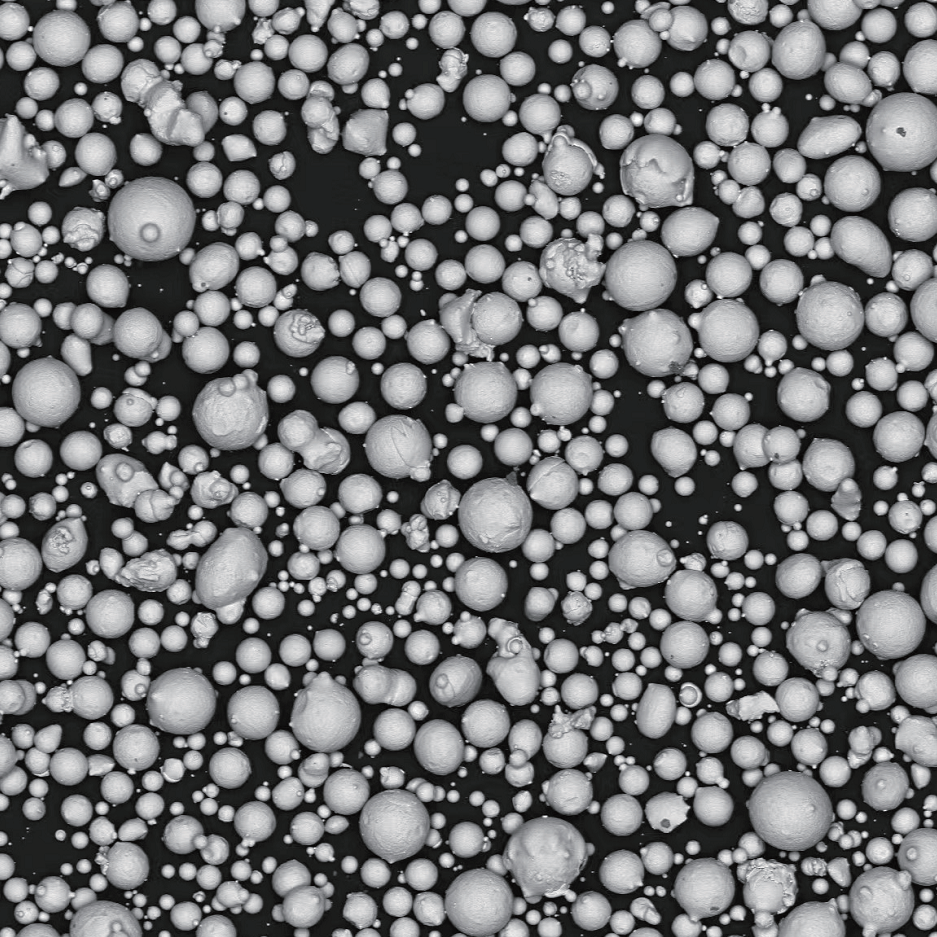
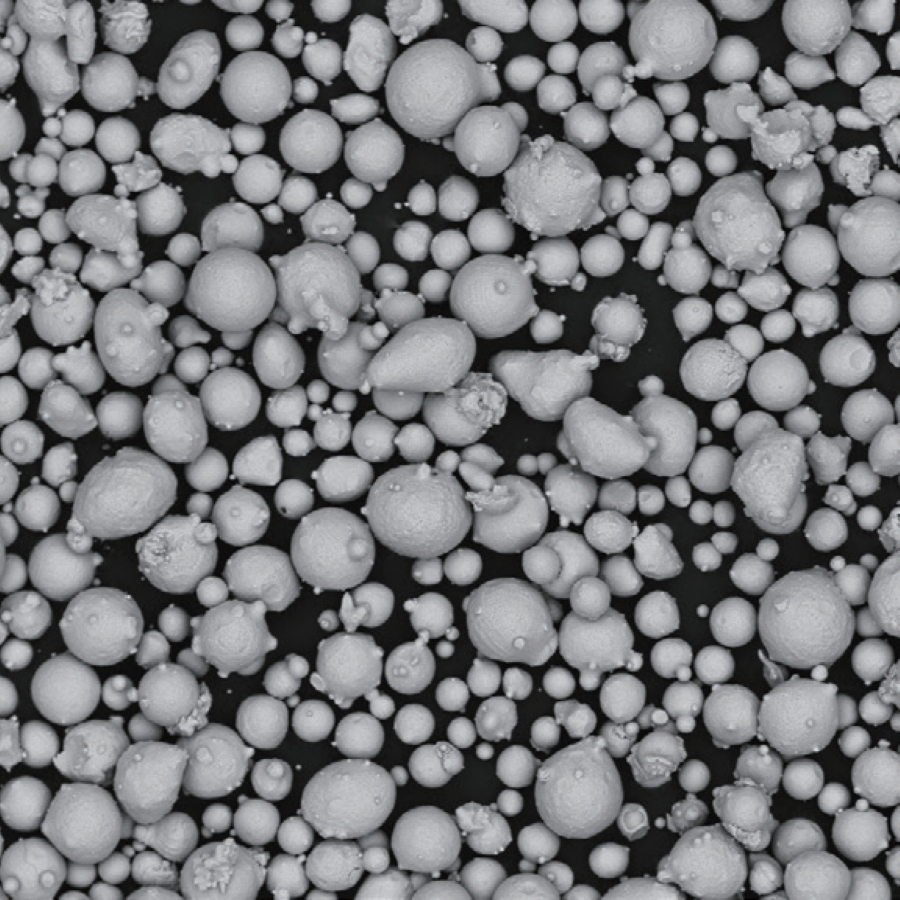
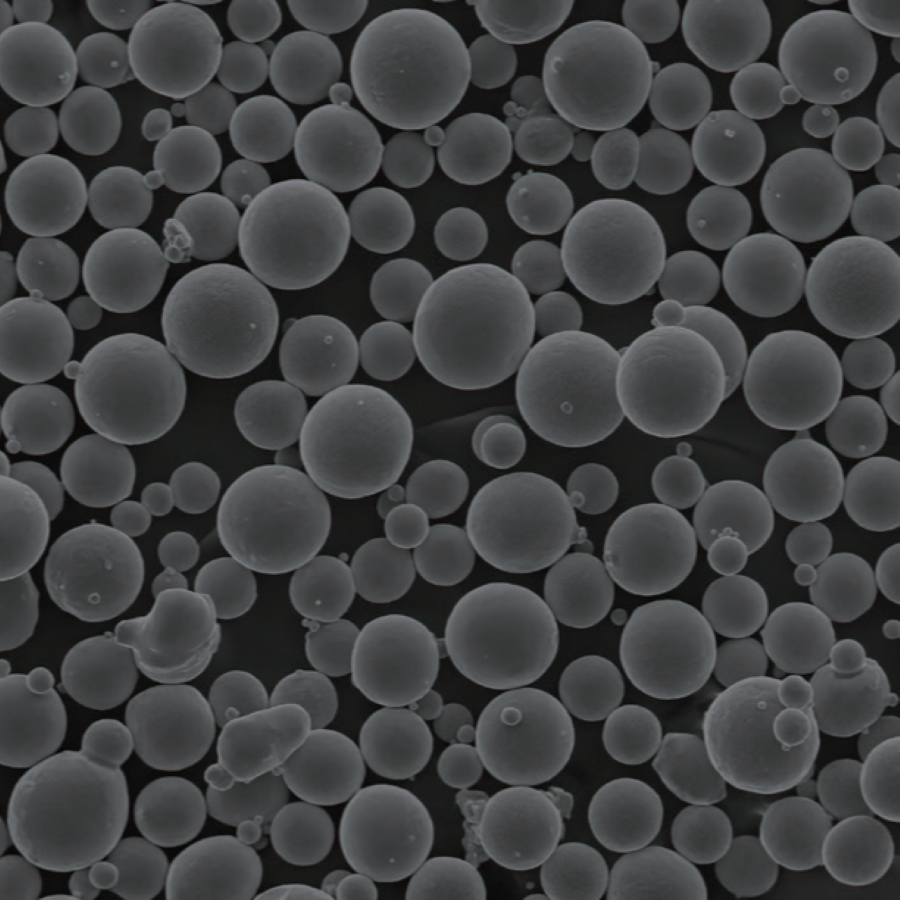
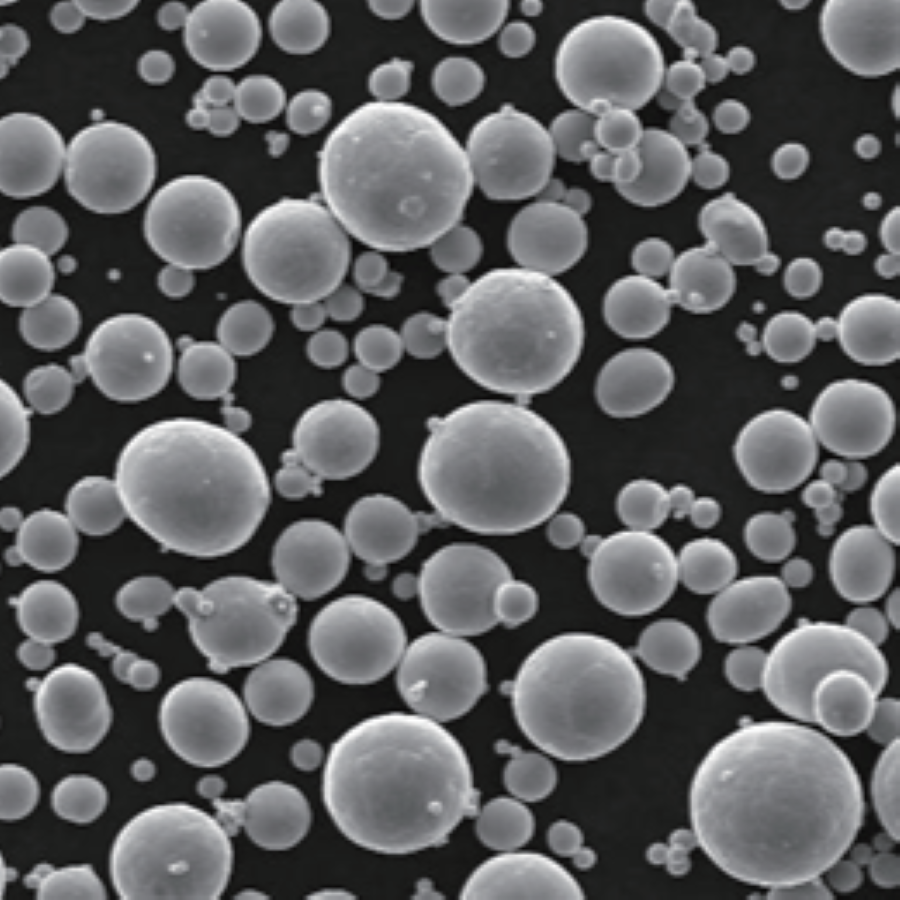
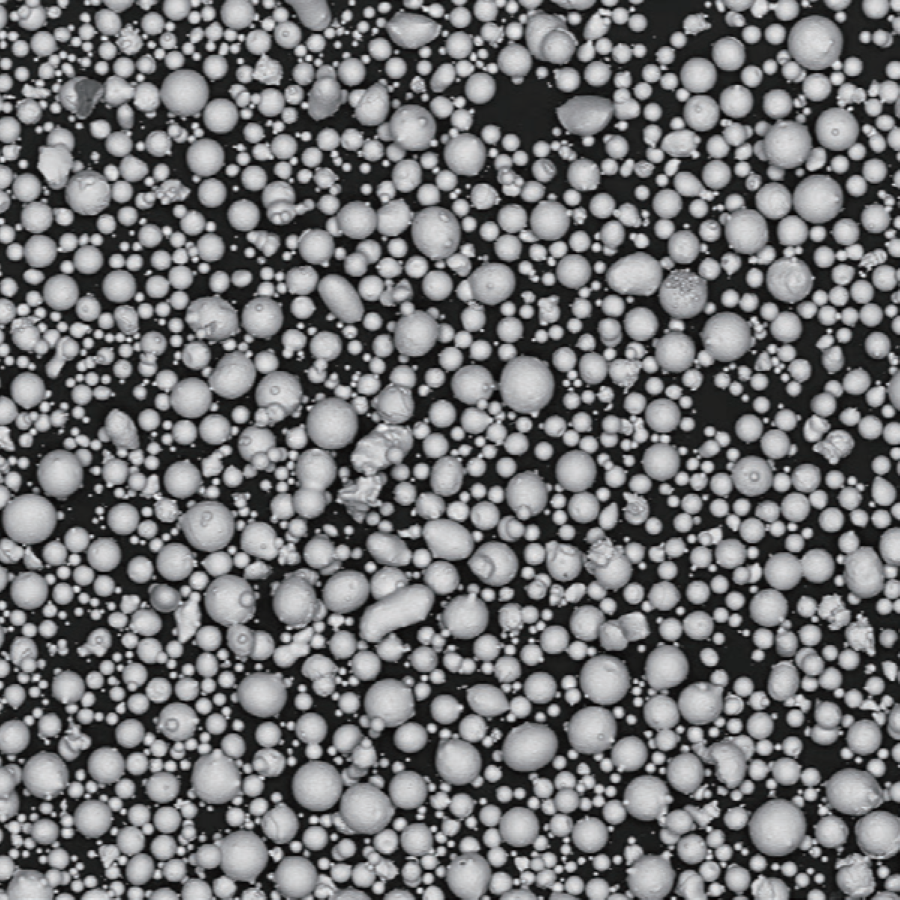
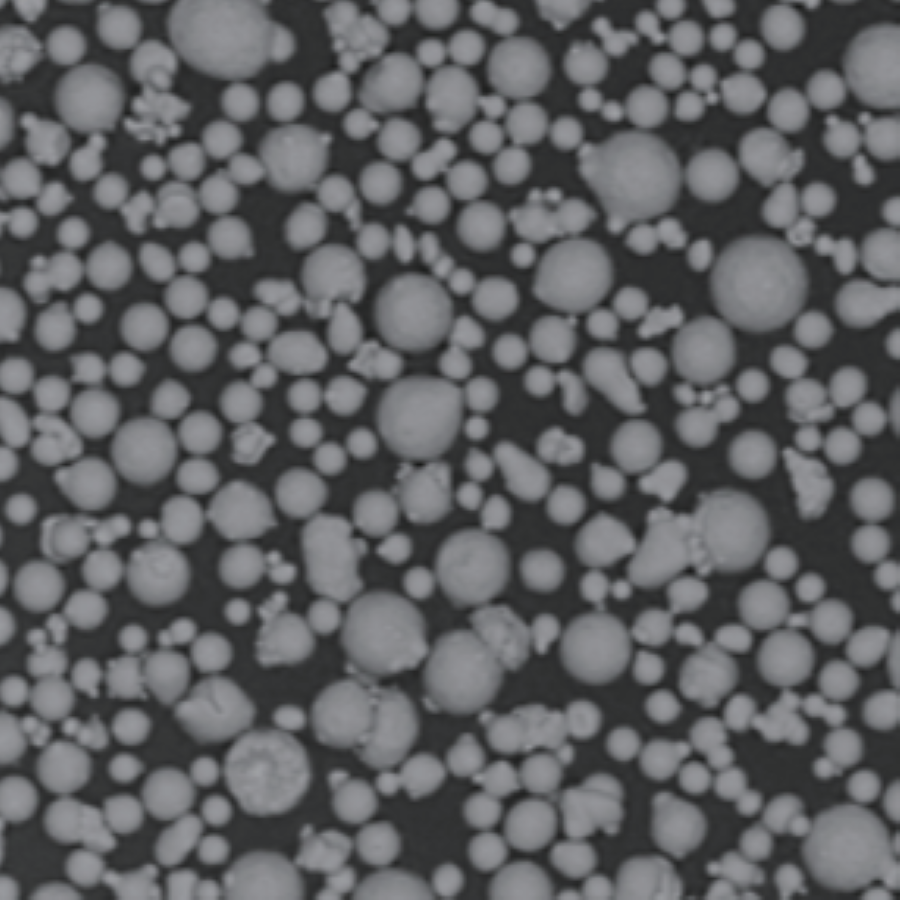
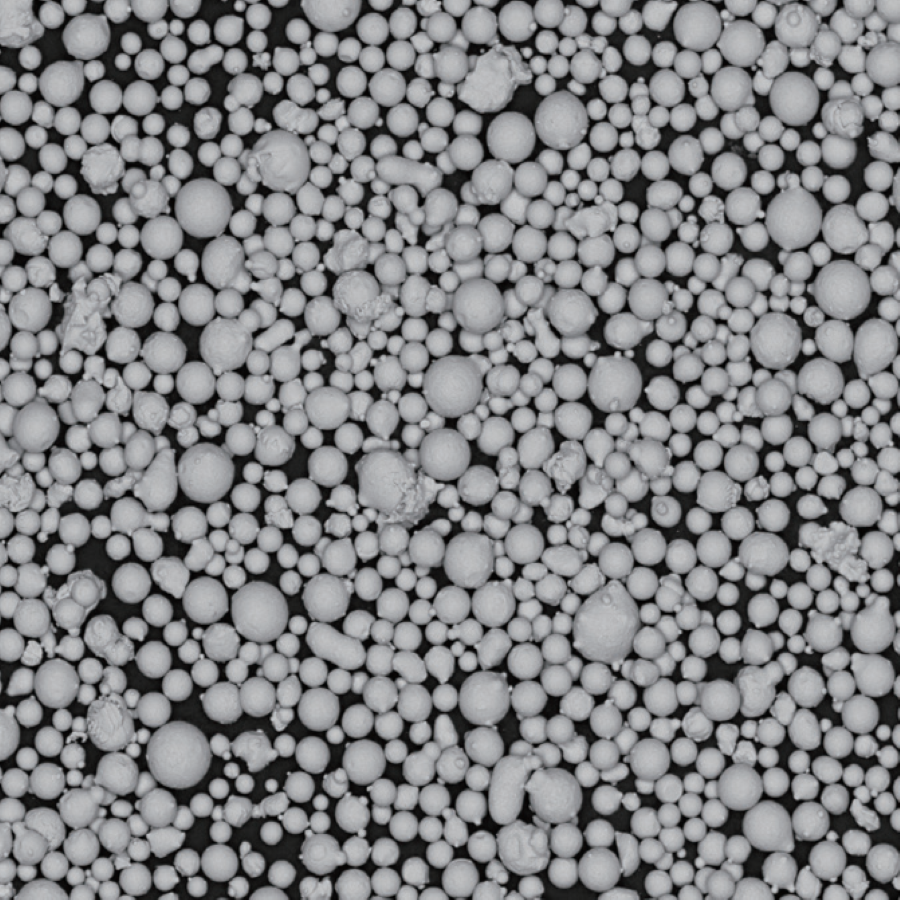
The powder's particle size distribution (D10 ≥15 μm, D50 30-40 μm, D90 ≤60 μm) combined with sphericity ≥0.9 and flowability ≤18 s/50g ensures excellent bed uniform layering in SLM systems. The apparent density ≥4.4 g/cm³ and tap density ≥5.0 g/cm³ further support consistent powder spreading and high packing density during additive manufacturing.
What post-processing heat treatment is required to achieve the tensile and yield strengths specified for Haynes 230 powder?
The mechanical properties listed (tensile strength ≥800 MPa at room temp, ≥230 MPa at 900°C) are achieved after heat treatment under strict ISO standard compliance conditions. The powder is processed in SLM systems and then subjected to a heat treatment cycle that yields the specified yield strength ≥400 MPa at room temp and ≥180 MPa at 900°C, with elongation ≥30% at both temperatures.
What are the recommended storage and handling conditions for ATOMFAIR Haynes 230 powder to prevent oxidation and degradation?
The powder is packaged in dry industrial canisters with deep argon gas blankets and must be kept sealed or handled exclusively within an anhydrous inert gas environment. Ambient exposure can cause phase contamination or degradation before thermal validation, so containers should only be opened in controlled inert-atmosphere conditions.
The ATOMFAIR® Haynes 230 gas-atomized powder delivers exceptional high-temperature tensile strength (≥230 MPa at 900°C) and oxidation resistance via chromium-lanthanum doping, with rheology optimized for laser powder bed fusion (sphericity ≥0.9, flowability ≤18 s/50g). However, its extreme sensitivity to ambient moisture and oxygen mandates strict inert-gas handling and sealed argon-blanketed storage to prevent phase degradation.
Positive
- High-temperature structural stability: Maintains tensile strength ≥230 MPa and yield strength ≥180 MPa at 900°C, suitable for aero-engine combustion chambers and furnace internals.
- Excellent powder flowability: Sphericity ≥0.9 and flowability ≤18 s/50g ensure uniform, dense layering in selective laser melting systems, reducing print defects.
Trade-offs
- Ambient exposure sensitivity: Powder must be stored in sealed argon-blanketed containers and handled exclusively in anhydrous inert gas environments to avoid phase contamination or oxidation before thermal processing.
- Strict processing compliance required: Optimal results depend on ISO-standard conditions and specialized SLM equipment; deviations in atmosphere or thermal management can compromise mechanical properties.
Every advanced material, component, equipment, and instrument in our catalog is backed by rigorous testing. We maintain strict internal quality management frameworks and align with CE conformity metrics to deliver transparent, reproducible performance data via our public open-science repository.
To request raw batch performance data, submit formal vendor registration paperwork, or execute a fast-turnaround R&D manufacturing loop, contact us at inquiry@atomfair.com.
Item is dispatched under the Atomfair Shipping & Delivery Framework (Free worldwide shipping on orders over $59 USD excl. heavy equipment). Return is governed by the Atomfair Return & Refund Policy (7-day technical return window).