Entry-Level Gas Diffusion Electrolysis CellProduct Type: Gas diffusion electrolysis cell
Research-grade laboratory product
|
|||||||||||||||||||||||||||
|
|||||||||||||||||||||||||||
|
LABORATORY PROCUREMENT SUPPORT
For model selection, technical compatibility or configuration confirmation, contact our technical sales team.
E-MAIL: inquiry@atomfair.com
|
|||||||||||||||||||||||||||
|
Manufacturer: Atomfair LLC LLC
Brand: ATOMFAIR®
|
This cell requires careful selection of electrodes, membranes, and windows to ensure proper sealing and electrochemical performance. The PEEK body material is chemically resistant but may be incompatible with certain aggressive solvents at elevated temperatures.
- Electrode Compatibility: The working electrode must be a gas diffusion electrode and the counter electrode a conventional rod electrode; non-standard sizes require prior specification.
- Port Configuration: Gas inlet/outlet ports and spare plugs on both cathode and anode sides must be properly sealed or capped to prevent leakage during operation.
- Customization Constraints: Custom electrode sizes or window materials must be confirmed with the manufacturer to maintain cell integrity and performance.
This procedure guides initial assembly and gas connection for the entry-level gas diffusion electrolysis cell. Proper sealing and port configuration are critical to avoid leaks and ensure reliable electrochemical measurements.
Required Equipment: Gas diffusion electrode, Conventional rod electrode, Gas supply tubing
- Open the cell lid
Activate the quick-open mechanism to lift the lid and expose the electrode compartments. - Install the working electrode
Insert the gas diffusion electrode into the designated working electrode slot, ensuring proper alignment with the gas port. - Install the counter electrode
Place the conventional rod electrode into the counter electrode compartment and secure it firmly. - Connect gas lines
Attach gas supply tubing to the inlet ports on both cathode and anode sides, and cap any unused spare plugs. - Close and seal the cell
Lower the lid and engage the quick-open latch to create a gas-tight seal around all ports. - Verify gas flow
Open the gas supply and check for leaks at all connections using a leak detection solution or pressure gauge.
What performance limitations should be expected when using an entry-level gas diffusion electrolysis cell compared to advanced research-grade flow cells?
The entry-level cell is designed for beginner gas diffusion testing and uses a conventional rod counter electrode rather than a gas diffusion counter electrode, which may limit current density and mass transport. The PEEK body provides chemical resistance, but the quick-open structure, while convenient, may not provide the same compression uniformity as advanced bolt-closure designs.
What electrode and membrane types are compatible with the AF-GDE-ENTRY gas diffusion electrolysis cell?
The cell uses a three-electrode system with a gas diffusion electrode (GDE) as the working electrode and a conventional rod electrode as the counter electrode. Electrodes, membranes, windows, and GDEs are separate purchases; the cell supports customization for non-standard electrode sizes or window materials upon inquiry.
What infrastructure and handling considerations are required for operating the Atomfair entry-level gas diffusion electrolysis cell?
The cell requires a potentiostat for three-electrode control and a gas supply for the inlet/outlet ports on both cathode and anode sides. The quick-open structure allows easy access, but proper sealing must be ensured. All electrodes and membranes must be procured separately, and the PEEK body is chemically resistant but should be handled according to standard lab practices.
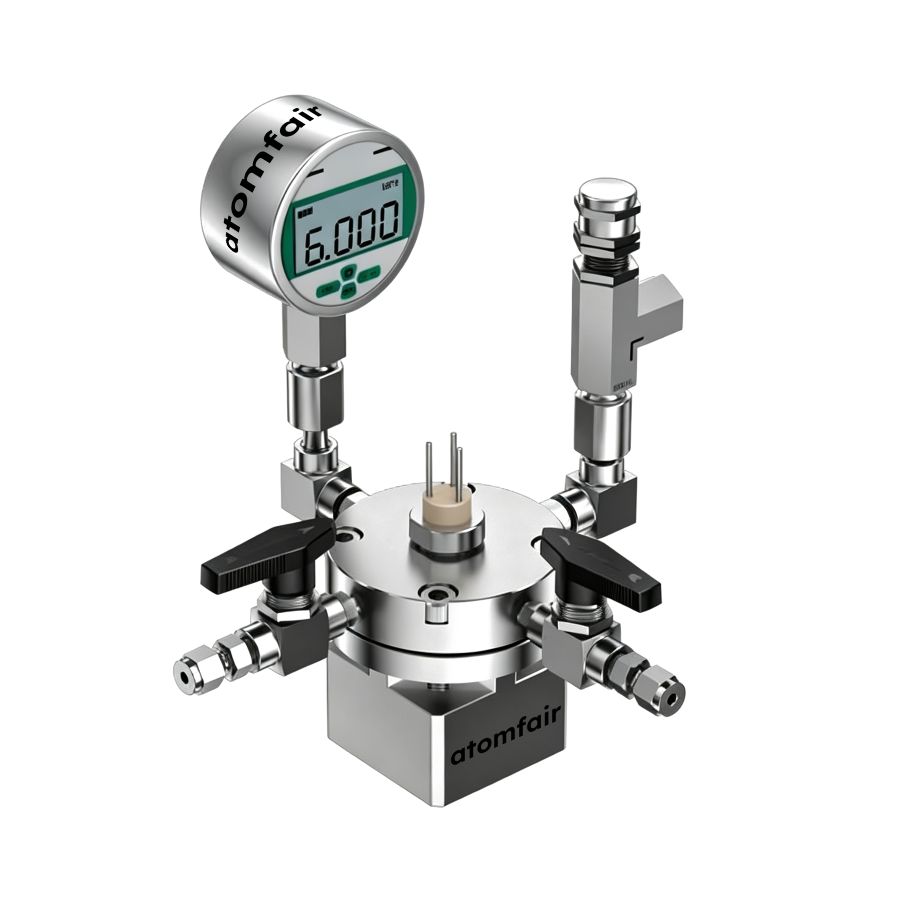
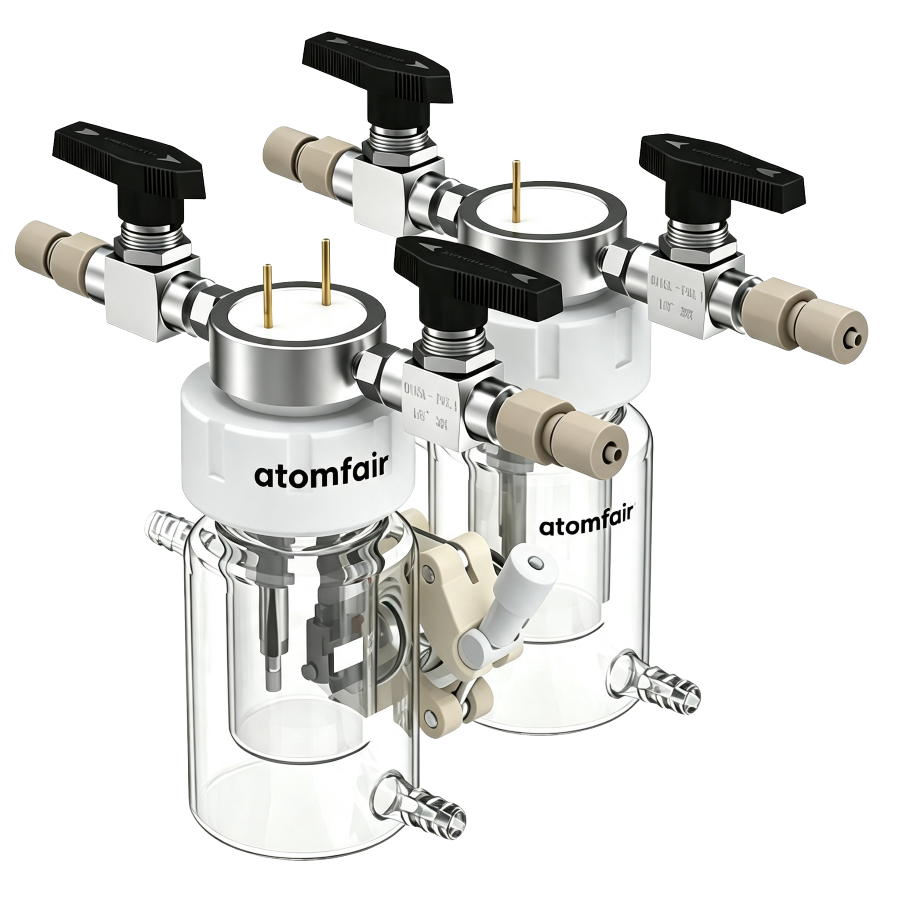
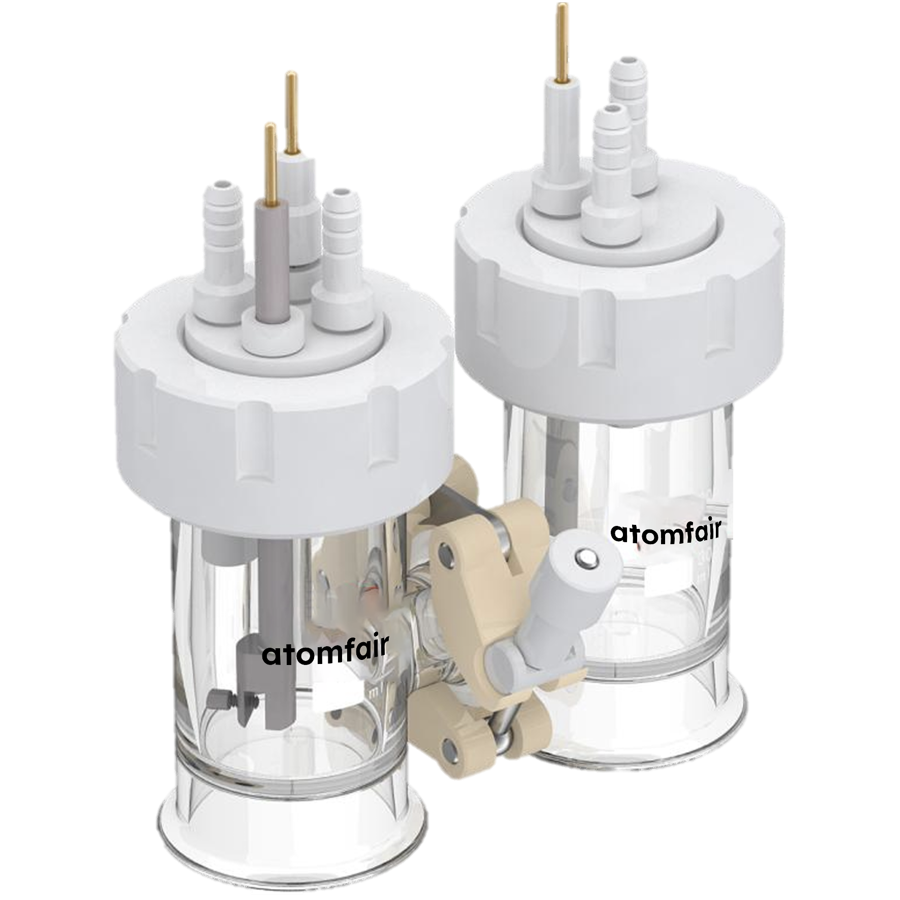
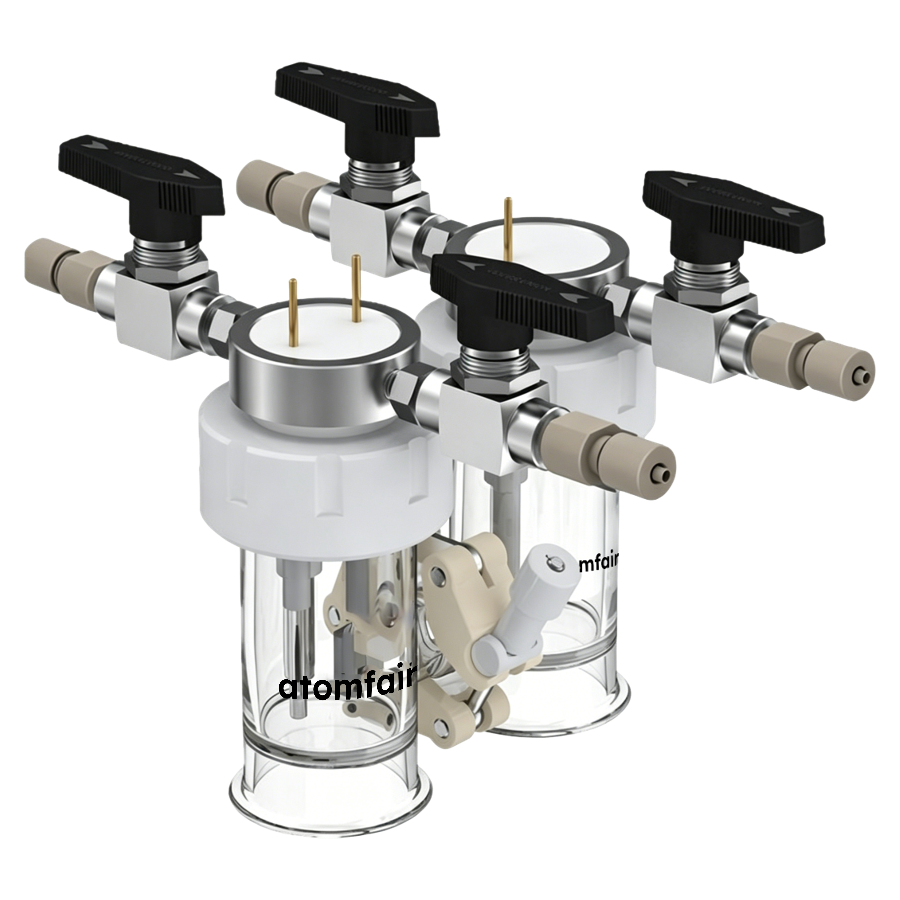
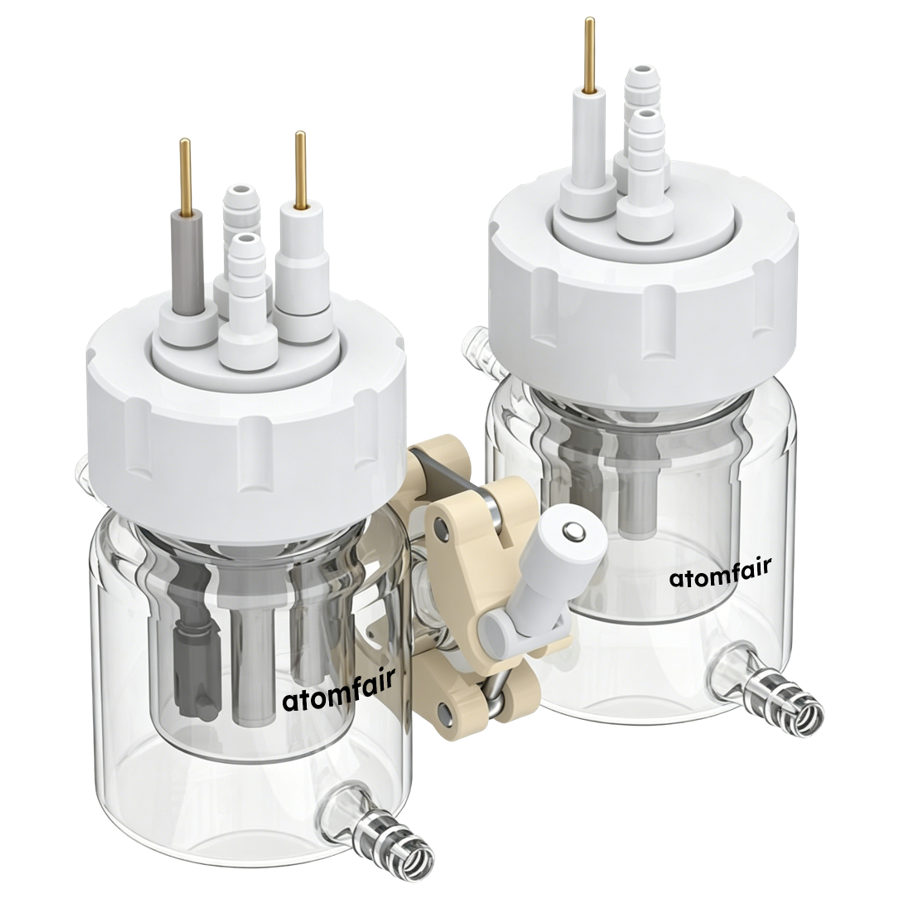
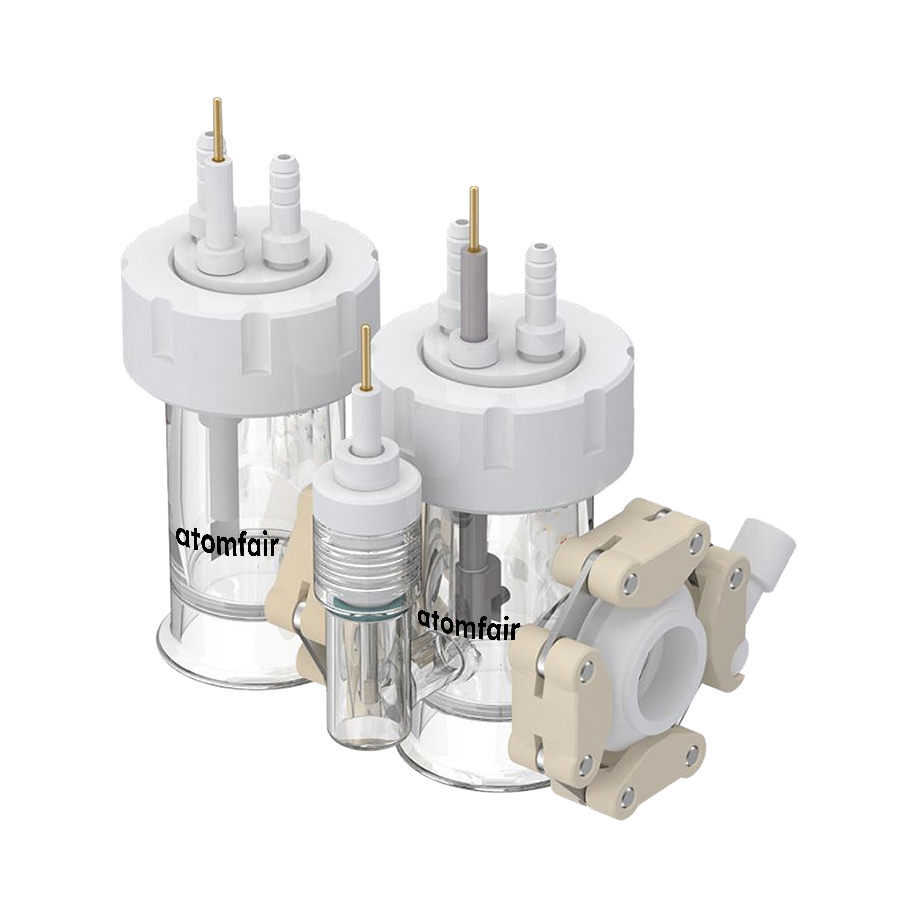
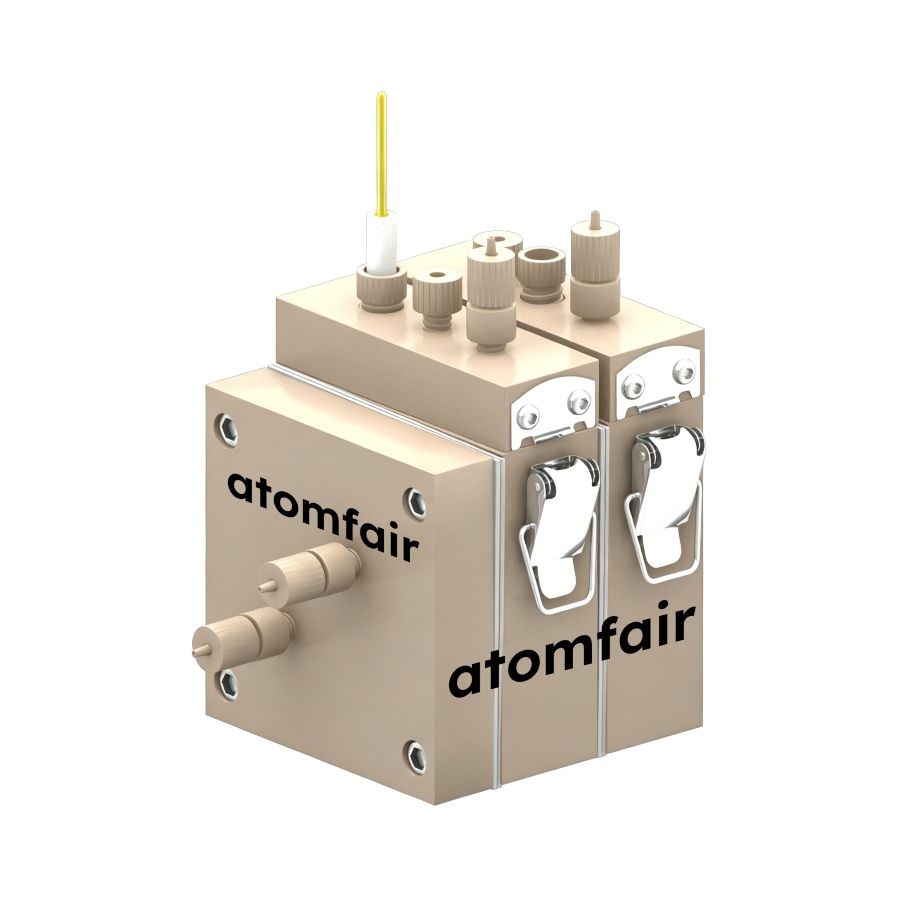
The Atomfair AF-GDE-ENTRY is an entry-level gas diffusion electrolysis cell constructed from PEEK with a quick-open design, intended for beginner-level gas diffusion electrochemical experiments. It features reserved gas ports and spare plugs on both cathode and anode sides, but requires separate procurement of electrodes, membranes, and windows.
Positive
- Quick-open structure: The quick-open lid mechanism facilitates convenient access to the cell interior for electrode replacement or cleaning, reducing setup time in routine experiments.
- Reserved gas ports and spare plugs: Both cathode and anode sides include gas inlet/outlet ports and spare plugs, allowing flexible integration of additional gas lines or sensors for expanded experimental configurations.
Trade-offs
- Separate component procurement required: Electrodes, membranes, windows, and gas diffusion electrodes are not included and must be purchased separately, increasing initial procurement complexity and lead time.
- Entry-level performance ceiling: Designed specifically for beginner gas diffusion testing, this cell may lack the precision, sealing integrity, or material compatibility needed for advanced electrochemical characterization or high-pressure operation.
Every advanced material, component, equipment, and instrument in our catalog is backed by rigorous testing. We maintain strict internal quality management frameworks and align with CE conformity metrics to deliver transparent, reproducible performance data via our public open-science repository.
To request raw batch performance data, submit formal vendor registration paperwork, or execute a fast-turnaround R&D manufacturing loop, contact us at inquiry@atomfair.com.
Item is dispatched under the Atomfair Shipping & Delivery Framework (Free worldwide shipping on orders over $59 USD excl. heavy equipment). Return is governed by the Atomfair Return & Refund Policy (7-day technical return window).