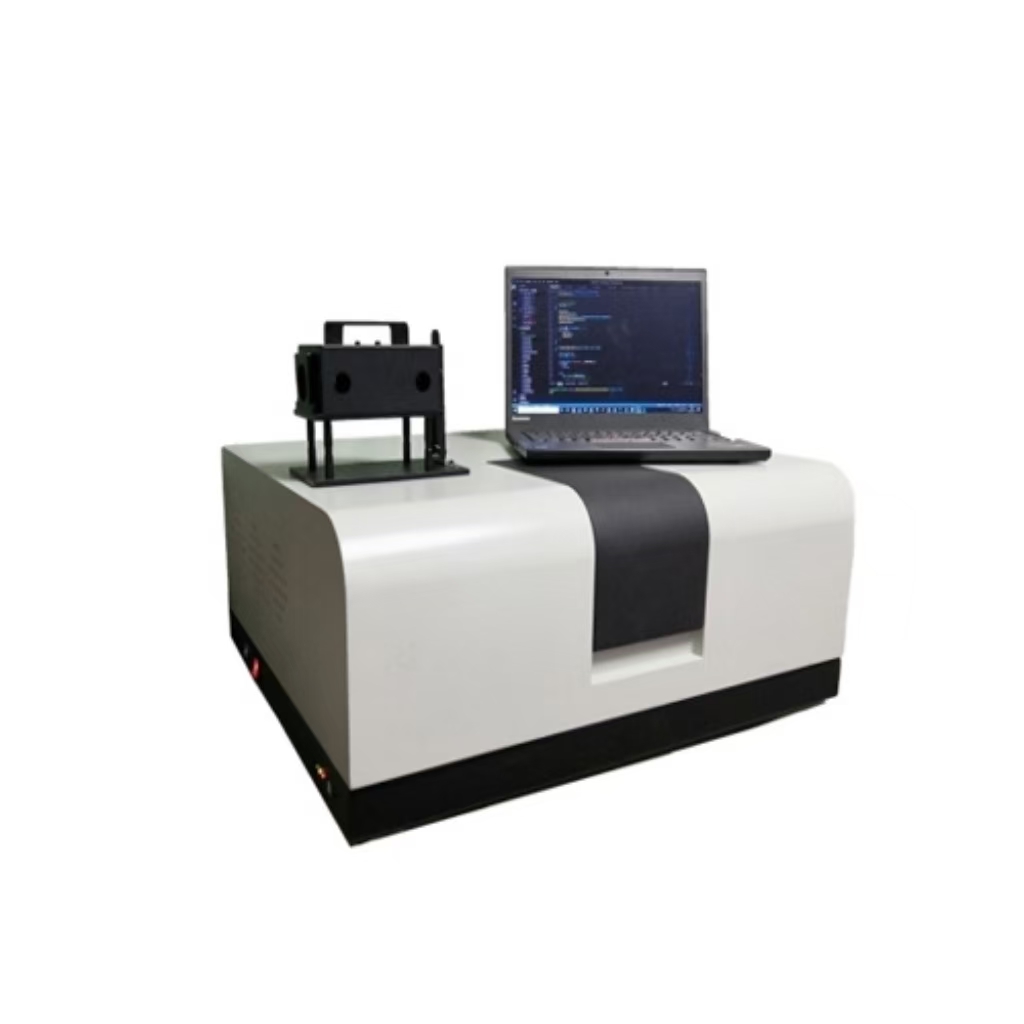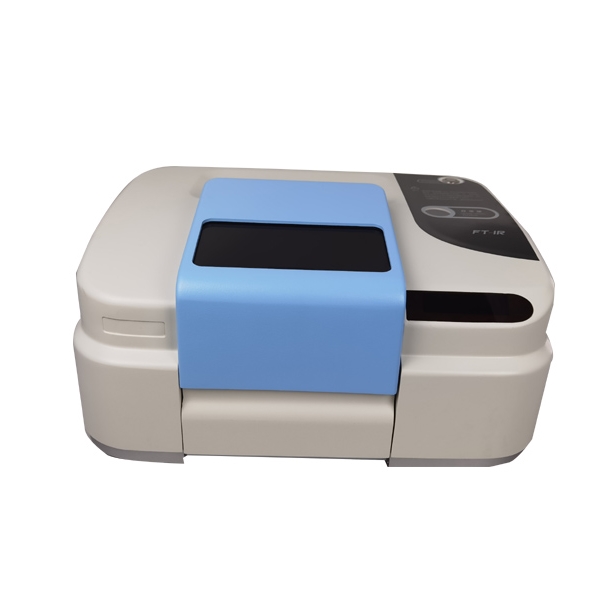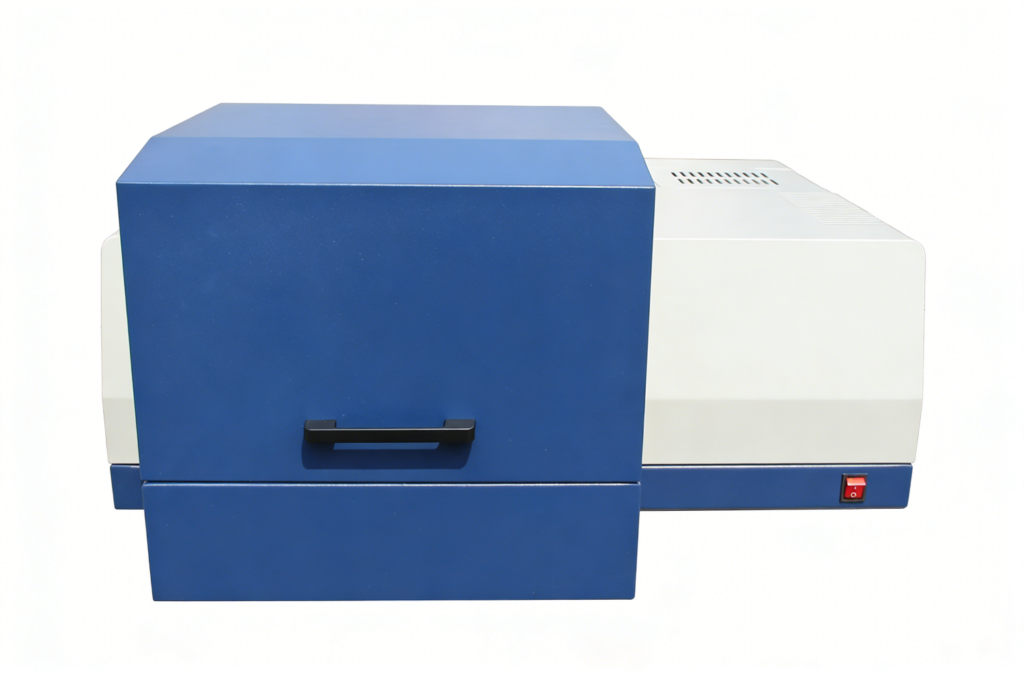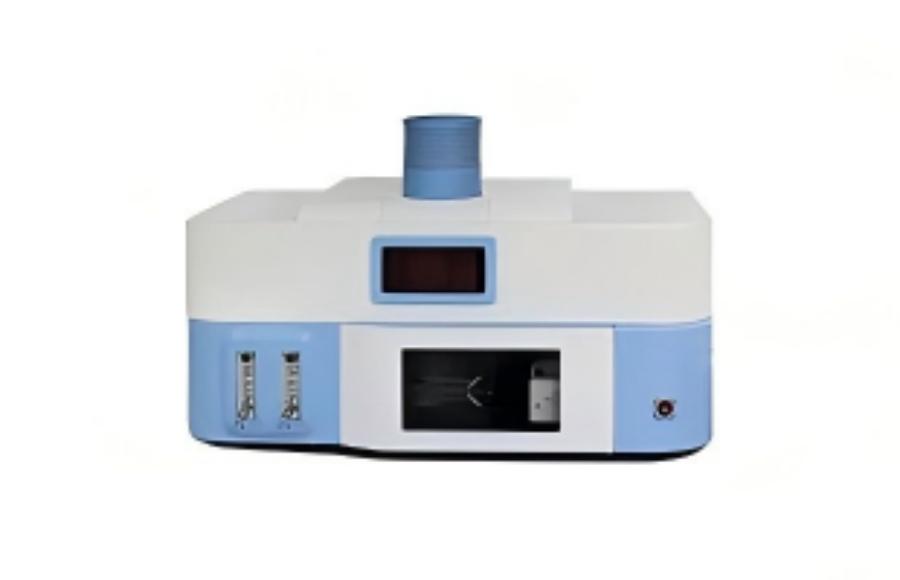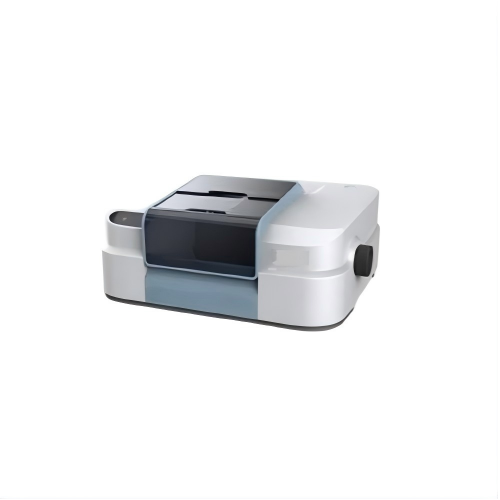
Atomfair Free Silica Analyzer
Product Overview
Atomfair Free Silica Analyzer is a professional testing equipment developed in accordance with international general standards, based on the core principle of infrared spectrophotometry, specifically designed for the detection of respirable dust in electric power, coal and other industries. The equipment avoids the drawbacks of traditional methods such as large sample size and inability to directly determine free silica in respirable dust, features no radioactive radiation during detection, supports batch accurate analysis, and is widely used in industrial dust hazard prevention and occupational health testing scenarios.
Core Functions
- Precise Quantitative Detection: Focuses on the determination of free silica content in dust, with spectral range and resolution covering international general testing needs, ensuring accurate and reliable data.
- Efficient Batch Analysis: Adapts to on-site batch testing scenarios, greatly shortens the detection cycle, and meets the high-frequency testing needs of industry.
- Stable Data Transmission: Equipped with USB interface, compatible with Windows systems, facilitating efficient export and sharing of test data.
- Safe & Environmental-Friendly Detection: Adopts infrared detection method without radioactive radiation, friendly to operators and the environment.
Technical Parameters (International Standard)
| Item | Specification |
|---|---|
| Spectral Range | 7800~350 cm⁻¹ |
| Resolution | Better than 0.8 cm⁻¹ |
| Wave Number Accuracy | ≤0.01 cm⁻¹ |
| Signal-to-Noise Ratio | 40000:1 (P-P value, 4cm⁻¹, 1-minute scan) |
| Beam Splitter | Imported KBr substrate coated with germanium |
| Infrared Light Source | Imported silicon carbide rod infrared light source with electronic voltage stabilization |
| Interferometer | Non-orthogonal Michelson interferometer |
| Receiver | Imported high-sensitivity DLATGS receiver with moisture-proof film |
| Supported Systems | Windows system |
| Data Transmission Interface | USB interface |
| Equipment Dimensions | 54cm×43cm×21cm |
| Equipment Weight | 16Kg |
Product Features
- Top Detection Performance: Wave number accuracy ≤0.01cm⁻¹, signal-to-noise ratio up to 40000:1, core indicators reach international advanced level, with high data reliability.
- Imported Core Components: Key components such as beam splitter, light source and receiver are imported, ensuring long-term stable operation of the equipment.
- Easy to Operate: Compatible with mainstream Windows systems, universal interface design, no complex professional training required to get started.
- Strong Safety & Adaptability: No radioactive radiation, compact size and moderate weight, adapting to multiple scenarios of laboratory and on-site detection.
- International Standard Adaptation: Fully follows international general testing logic and technical specifications, no national standard-related expressions, adapting to global multi-region usage.
Supporting Accessories
Powder tablet press, tablet mold, agate mortar, infrared oven, potassium bromide powder, explosion-proof dust sampler, one-hundred-thousandth electronic balance (0.01mg), high-temperature electric furnace, α-SiO₂ standard (purity above 99%), etc.
If you’re interested, have any questions, or have specific customization requirements, please feel free to contact us at inquiry@atomfair.com.
This instrument is designed for laboratory and on-site detection of free silica in respirable dust using infrared spectrophotometry. It requires a stable, dust-free environment and proper handling to maintain optical alignment and measurement accuracy.
- Environmental Stability: Operate the instrument in a dry, vibration-free environment to prevent misalignment of the interferometer and ensure consistent spectral performance.
- Moisture Protection: Protect the KBr beam splitter and DLATGS receiver from moisture by using desiccants or a humidity-controlled storage cabinet when not in use.
- Calibration Requirement: Perform regular calibration using α-SiO₂ standard (purity >99%) to verify wavenumber accuracy and signal-to-noise ratio within specified limits.
- Sample Preparation: Use a powder tablet press and agate mortar to prepare homogeneous KBr pellets, ensuring consistent sample thickness for reliable quantitative analysis.
- Electrical Safety: Ensure the instrument is connected to a grounded power supply with stable voltage to prevent electrical interference and protect internal components.
This procedure outlines the safe and effective operation of the free silica analyzer for batch dust sample analysis. It covers initialization, sample preparation, measurement, and data export steps.
Required Equipment: Powder tablet press, Agate mortar, Infrared oven, High-temperature electric furnace
- Prepare the sample
Grind the dust sample with potassium bromide powder in an agate mortar and dry it in an infrared oven to remove moisture. - Form the pellet
Transfer the mixture to a tablet mold and press it into a transparent pellet using the powder tablet press. - Initialize the instrument
Turn on the analyzer and allow the infrared source and interferometer to warm up for at least 30 minutes to stabilize the signal. - Collect background spectrum
Place an empty sample holder in the beam path and record a background spectrum to establish a baseline. - Measure the sample
Insert the prepared pellet into the sample holder and acquire the sample spectrum, ensuring the signal-to-noise ratio meets the required threshold. - Analyze the data
Use the software to identify the characteristic absorption peaks of free silica and calculate the concentration based on the calibration curve. - Export and clean
Export the results via the USB interface to a Windows PC, then clean the sample area and store the instrument with desiccant.
How does the Atomfair Free Silica Analyzer's signal-to-noise ratio and wave number accuracy affect free silica quantification in respirable dust?
The signal-to-noise ratio of 40000:1 (P-P value, 4 cm⁻¹, 1-minute scan) and wave number accuracy ≤0.01 cm⁻¹ provide high sensitivity and precision, enabling reliable quantification of free silica at low concentrations typical of respirable dust. These specifications meet international testing standards and ensure data reproducibility across batch analyses for occupational health monitoring.
What data integration and system compatibility does the Atomfair Free Silica Analyzer support for laboratory workflows?
The analyzer is compatible with Windows operating systems and equipped with a USB interface for direct data export, allowing seamless integration into existing laboratory data management systems. This facilitates efficient sharing and archiving of free silica test results without requiring specialized software or complex network setup.
What are the safety advantages of the infrared detection method used in the Atomfair Free Silica Analyzer compared to traditional techniques?
The Atomfair Free Silica Analyzer employs infrared spectrophotometry with no radioactive radiation, eliminating radiologic hazards to operators and the environment. This contrasts with traditional methods that may involve radioactive sources, while also avoiding issues like large sample size and inability to directly determine free silica in respirable dust.
The Atomfair Free Silica Analyzer is a Fourier-transform infrared (FTIR) spectrometer configured for respirable dust analysis, delivering a signal-to-noise ratio of 40000:1 and wavenumber accuracy of ≤0.01 cm⁻¹. Its non-radioactive infrared method and batch analysis capability make it suitable for occupational health monitoring in power and coal industries, though it requires specific sample preparation accessories and a controlled laboratory environment.
Positive
- High-Sensitivity Infrared Detection: The instrument achieves a signal-to-noise ratio of 40000:1 (P-P, 4 cm⁻¹, 1-minute scan) and wavenumber accuracy of ≤0.01 cm⁻¹, ensuring reliable quantification of free silica in respirable dust samples.
- Non-Radioactive, Safe Operation: Uses infrared spectrophotometry without radioactive sources, eliminating radiation exposure risks for operators and enabling safer on-site batch analysis in industrial environments.
Trade-offs
- Requires Extensive Sample Preparation: Accurate analysis depends on a full accessory set including powder tablet press, tablet mold, agate mortar, infrared oven, potassium bromide powder, and a 0.01 mg analytical balance, adding procedural complexity and potential for user-induced variability.
- Environmental Sensitivity of Optics: The KBr beam splitter and DLATGS receiver with moisture-proof film are sensitive to humidity; operation in high-humidity environments without adequate climate control may degrade spectral performance and require desiccants or dry-air purge.
Every advanced material, component, equipment, and instrument in our catalog is backed by rigorous testing. We maintain strict internal quality management frameworks and align with CE conformity metrics to deliver transparent, reproducible performance data via our public open-science repository.
To request raw batch performance data, submit formal vendor registration paperwork, or execute a fast-turnaround R&D manufacturing loop, contact us at inquiry@atomfair.com.
Item is dispatched under the Atomfair Shipping & Delivery Framework (Free worldwide shipping on orders over $59 USD excl. heavy equipment). Return is governed by the Atomfair Return & Refund Policy (7-day technical return window).