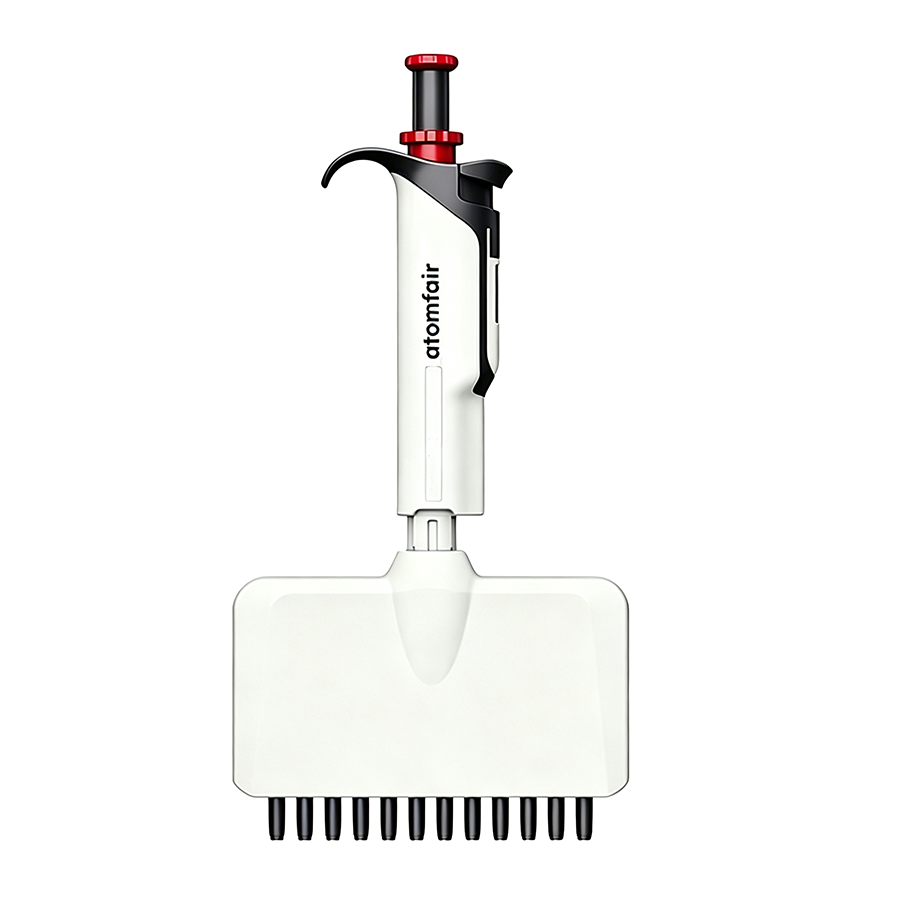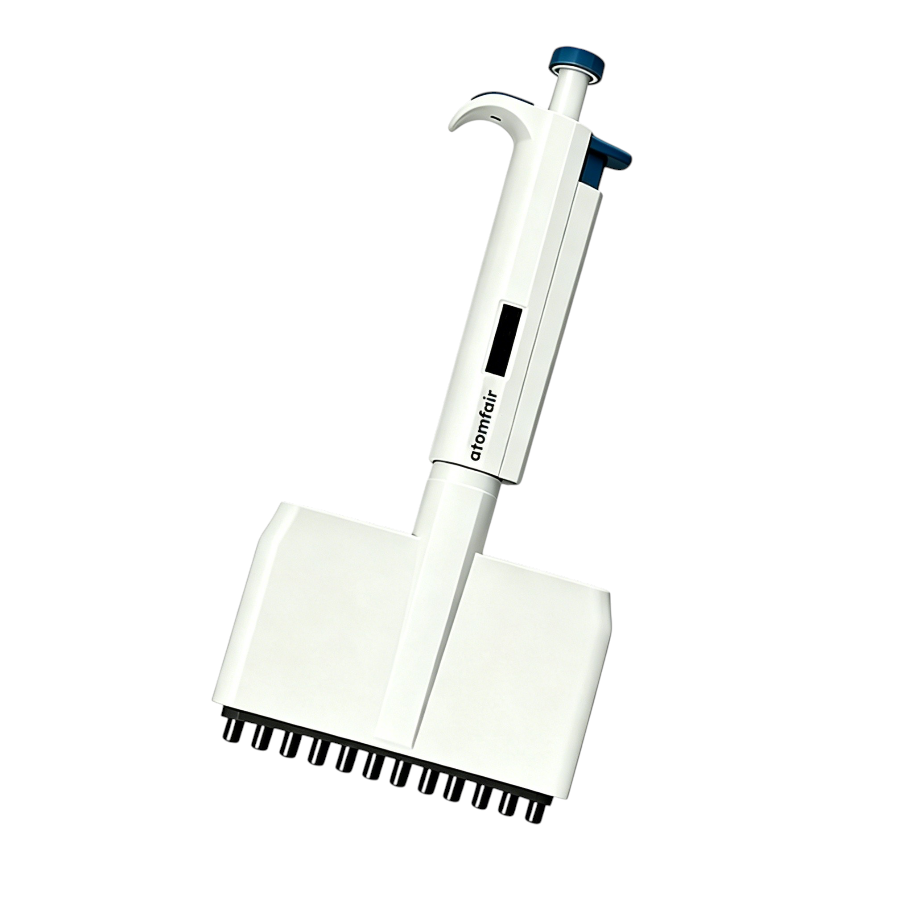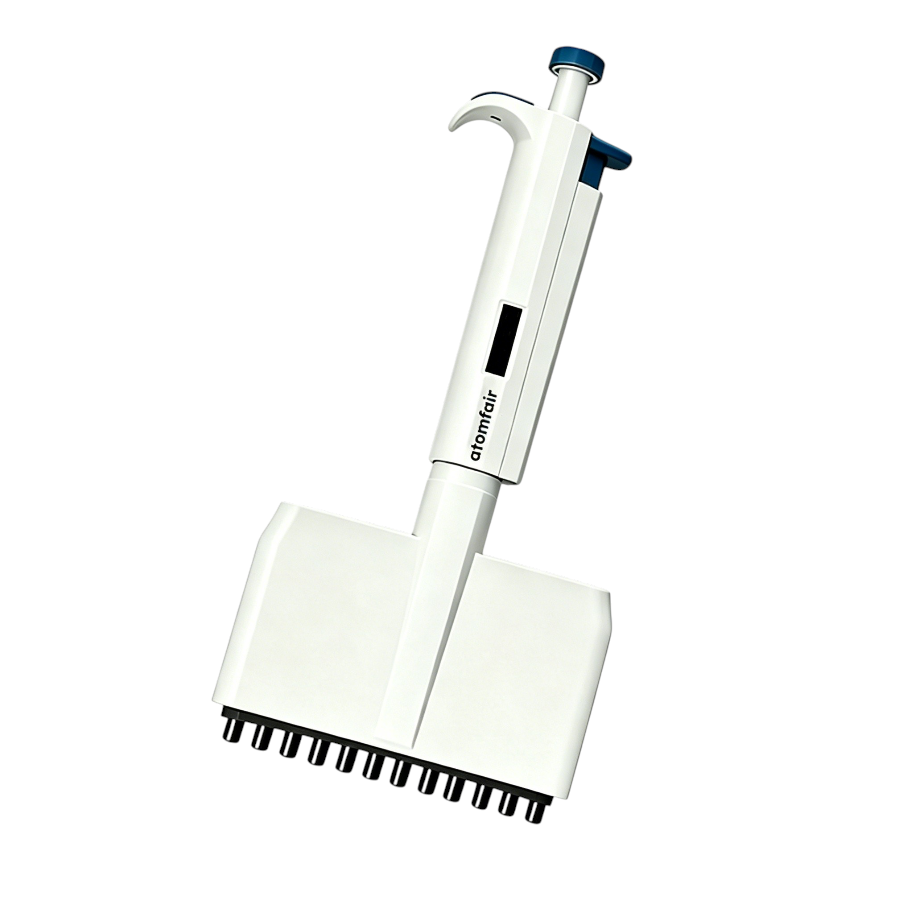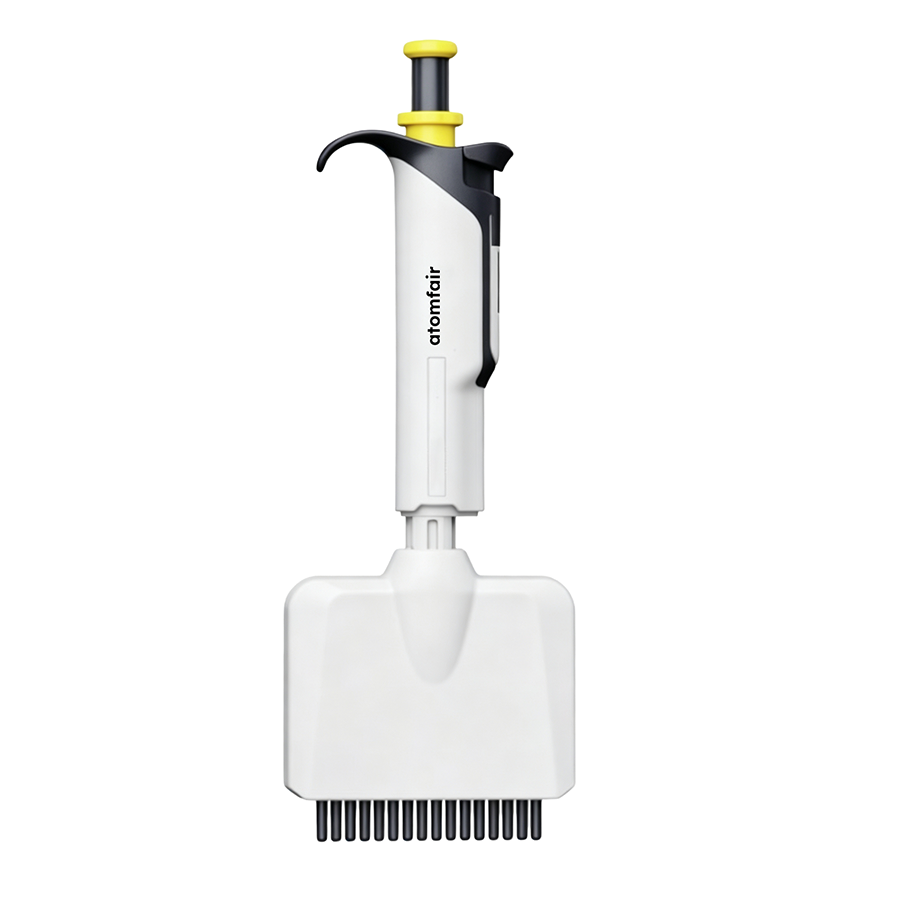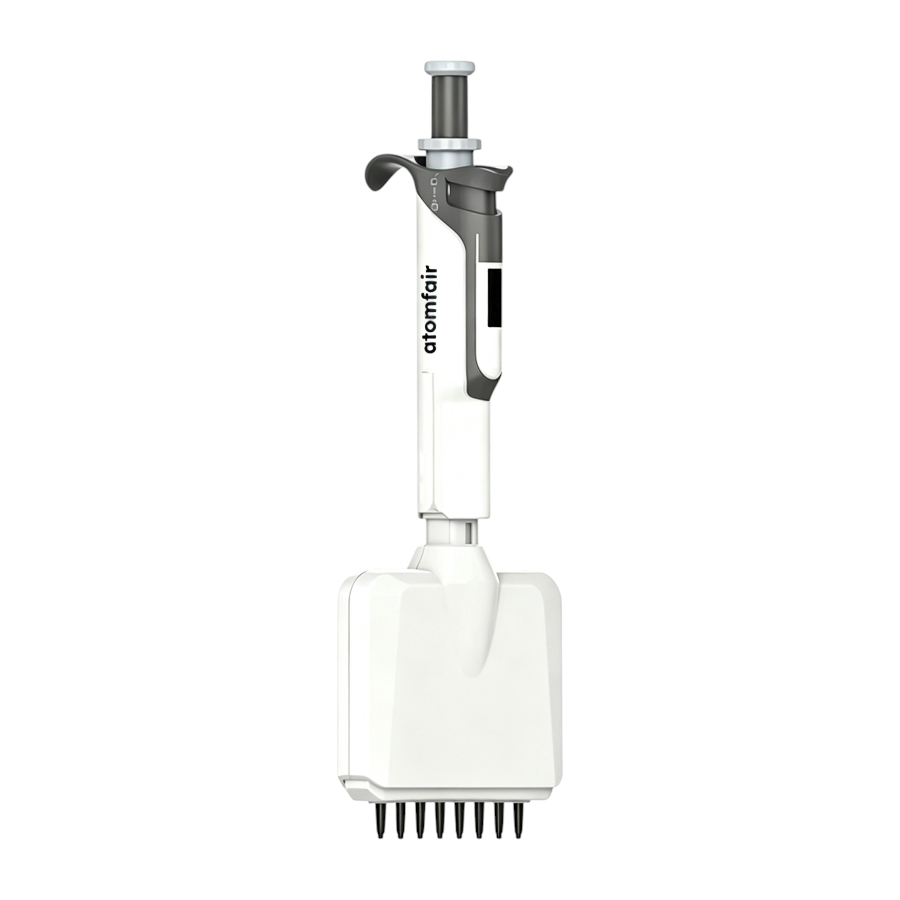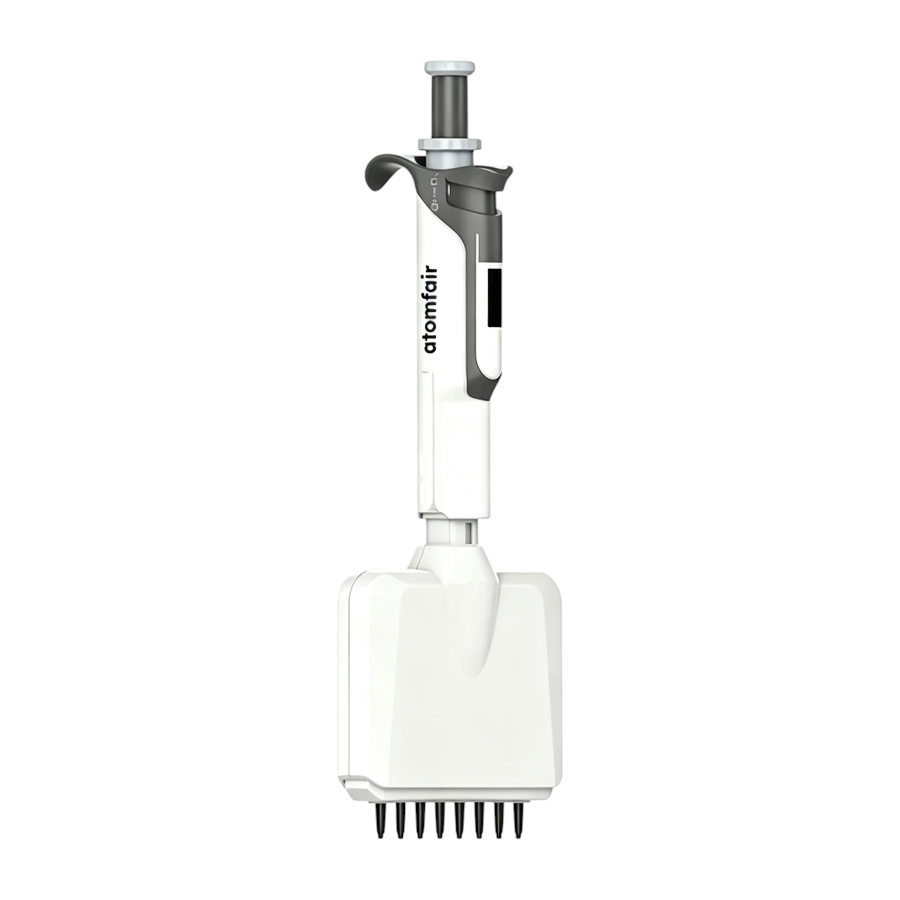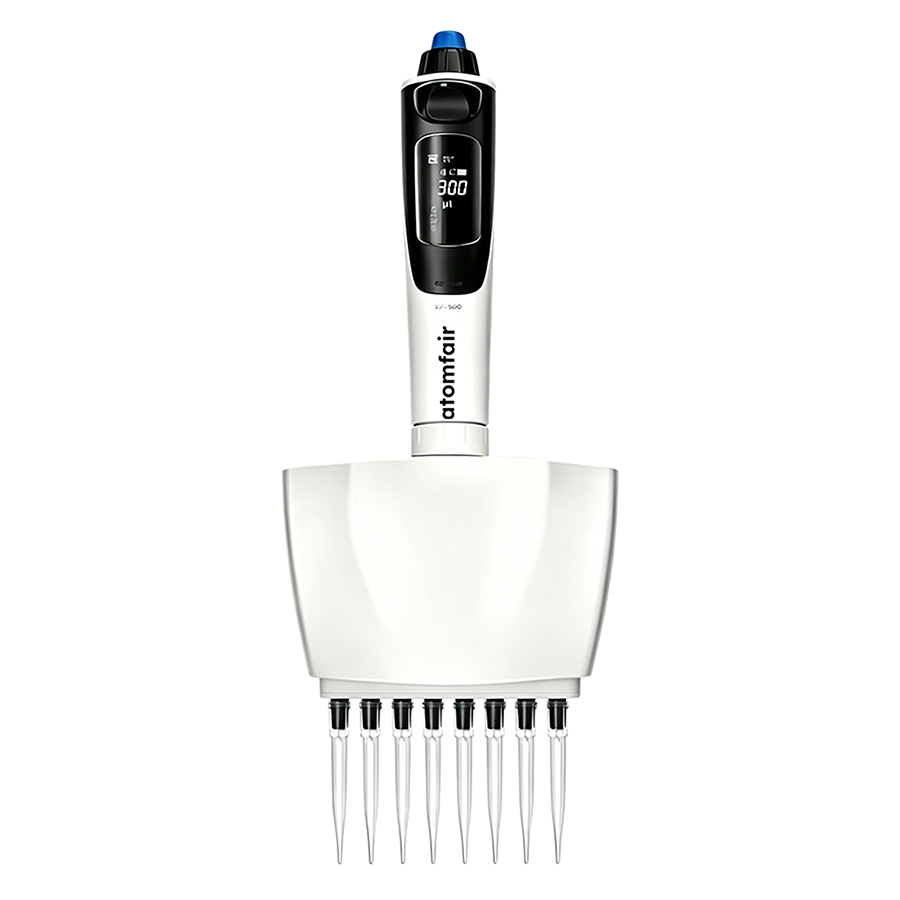
dPette+ 8-channel 0.5-10 µL PipetteProduct Type: 8-channel electronic pipette
Research-grade liquid handling platform
|
|||||||||||||||||||||||||||||||
|
|||||||||||||||||||||||||||||||
|
TAILORED SOLUTIONS FOR RESEARCH
For bulk orders, OEM requirements, accessory matching, platform selection or configuration confirmation, contact our engineering sales team.
EMAIL: inquiry@atomfair.com
|
|||||||||||||||||||||||||||||||
|
Supplier: Atomfair
Brand: ATOMFAIR®
|
This pipette requires periodic calibration verification per ISO 8655-2 and is limited to autoclaving of the lower half only. Compatibility with approved tips is required to maintain seal integrity and volumetric accuracy.
- Sterilization Constraint: Only the lower half of the pipette is autoclavable; the upper assembly must not be exposed to autoclave conditions.
- Calibration Requirement: Calibration must be verified at specified test volumes (10, 5, 1 µL) against the systematic and random error limits using an ISO 8655-2 referenced procedure.
- Tip Compatibility: Only compatible tips designed for 8-channel pipettes in the 0.5-10 µL range should be used to ensure proper sealing and volumetric accuracy.
This procedure describes calibration verification, tip attachment, and sterilization steps for the 8-channel pipette. Follow these steps to ensure accurate liquid handling and instrument longevity.
Required Equipment: Compatible 8-channel pipette tips (0.5-10 µL), Autoclave
- Verify Calibration
Verify calibration by checking the systematic and random error values for the required test volumes against the ISO 8655-2 reference. - Attach Tips
Attach compatible tips to the 8-channel pipette, ensuring each tip is firmly seated to avoid leakage. - Set Volume
Set the desired volume using the volume adjustment mechanism within the 0.5-10 µL range and 0.01 µL increment. - Aspirate Liquid
Aspirate liquid by immersing tips just below the meniscus and slowly releasing the plunger. - Dispense Liquid
Dispense liquid by touching the tip to the container wall and depressing the plunger fully. - Sterilize If Needed
After use, autoclave only the lower half of the pipette if sterilization is required, following the manufacturer's time and temperature guidelines.
How does the systematic error of the dPette+ 8-channel 0.5-10 µL pipette scale across the volume range?
Systematic error increases significantly at lower volumes: at 10 µL it is ±0.20 µL (±2.00%), at 5 µL it is ±0.20 µL (±4.00%), and at 1 µL it is ±0.08 µL (±8.00%). Random error follows a similar trend, from ±0.10 µL (±1.00%) at 10 µL to ±0.05 µL (±5.00%) at 1 µL. This trade-off means high-precision work below 5 µL requires careful calibration and technique validation.
Can the dPette+ 8-channel pipette be fully autoclaved for sterile PCR or ELISA workflows?
No, only the lower half of the pipette is autoclavable; the upper electronic assembly is not sterilizable. This makes it suitable for decontamination of the tip-holding section but not for full sterility in applications requiring whole-instrument autoclaving. For sterile workflows, compatible tip types and careful handling must be used to maintain cleanliness.
What calibration standard is used for the dPette+ 8-channel pipette and how is performance verified?
The pipette references ISO 8655-2 user calibration, with systematic and random error values provided at 10, 5, and 1 µL test volumes for routine performance review. The technical table includes these calibration data points, allowing in-house verification against the standard. Calibration frequency is not specified in the product documentation and should be determined by laboratory quality protocols.
The dPette+ 8-channel 0.5-10 µL pipette offers efficient parallel liquid handling for microplate and PCR workflows, with systematic error ranging from ±2% at 10 µL to ±8% at 1 µL and random error from ±1% to ±5%, requiring careful volume selection for low-end accuracy. Its lower-half autoclavability supports partial sterilization but demands attention to contamination risks in the non-autoclavable upper assembly.
Positive
- 8-channel parallel liquid handling: Enables simultaneous multi-sample transfer for microplate loading, PCR plate preparation, and ELISA workflows, increasing throughput in routine and research labs.
- High precision at mid-to-high volumes: At 10 µL, systematic error is ±0.20 µL (±2.00%) and random error ±0.10 µL (±1.00%), meeting ISO 8655-2 calibration standards for accurate dispensing.
Trade-offs
- Increased relative error at low volumes: At 1 µL, systematic error rises to ±0.08 µL (±8.00%) and random error to ±0.05 µL (±5.00%), reducing accuracy for sub-microliter applications and requiring careful method validation.
- Partial autoclavability constraint: Only the lower half is autoclavable; the upper assembly must be cleaned by alternative methods, adding handling steps to ensure full sterilization in aseptic workflows.
Every advanced material, component, equipment, and instrument in our catalog is backed by rigorous testing. We maintain strict internal quality management frameworks and align with CE conformity metrics to deliver transparent, reproducible performance data via our public open-science repository.
To request raw batch performance data, submit formal vendor registration paperwork, or execute a fast-turnaround R&D manufacturing loop, contact us at inquiry@atomfair.com.
Item is dispatched under the Atomfair Shipping & Delivery Framework (Free worldwide shipping on orders over $59 USD excl. heavy equipment). Return is governed by the Atomfair Return & Refund Policy (7-day technical return window).