|
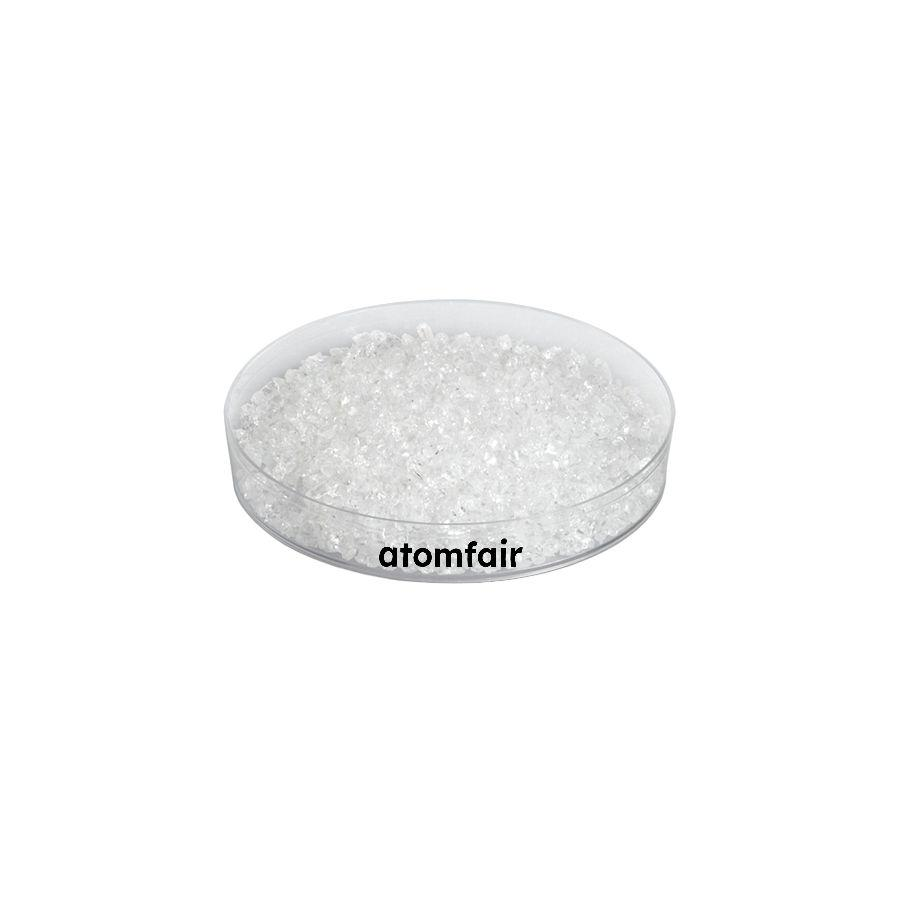
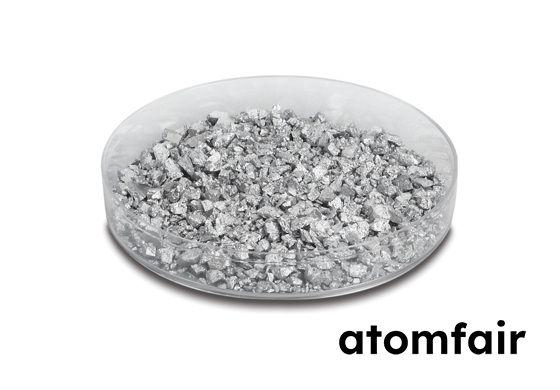
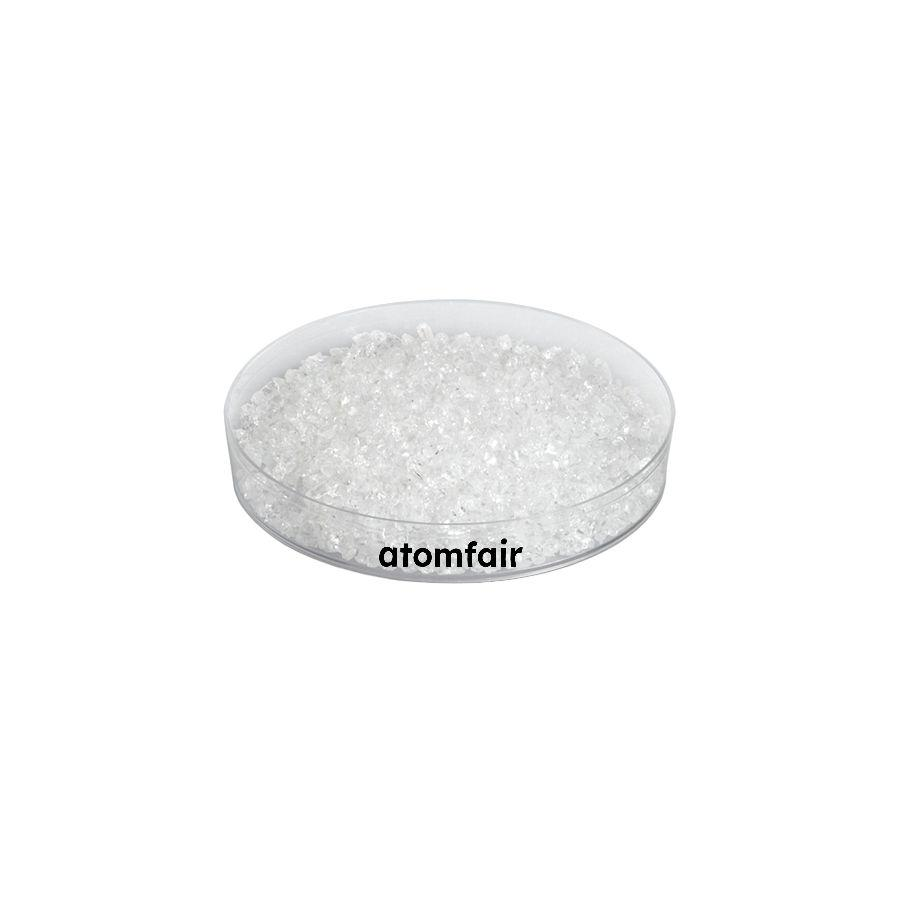
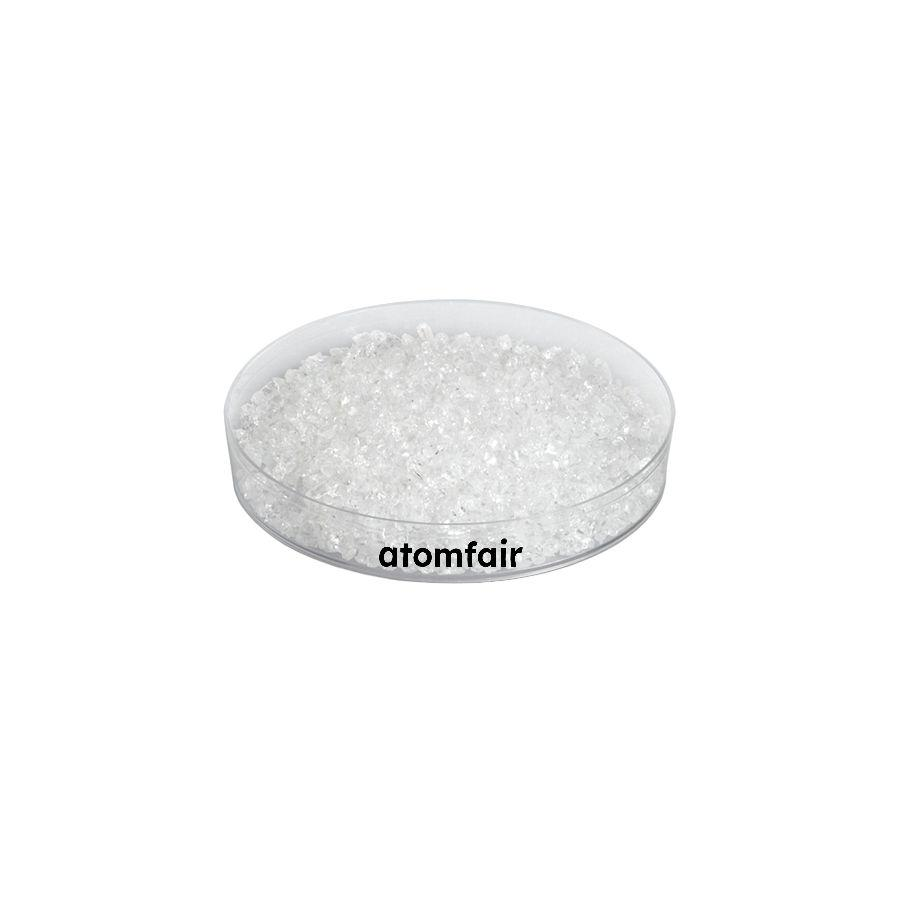
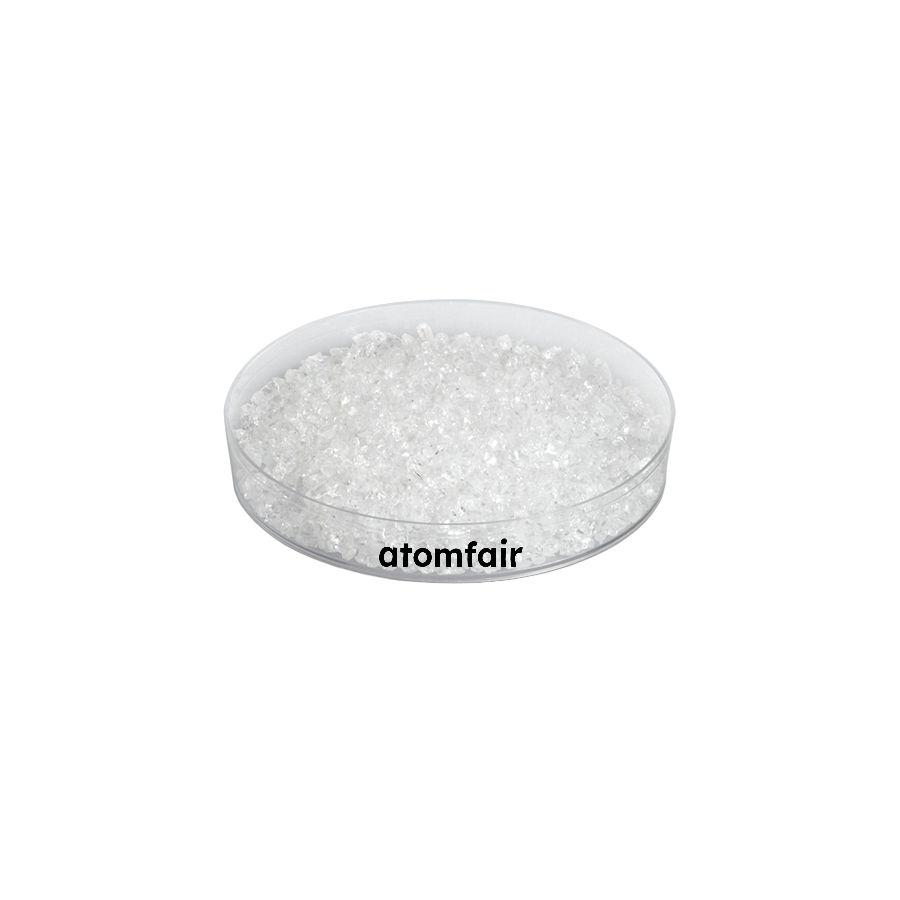
Copper Chloride (CuCl) Evaporation Material, Pieces, 99.9%, 1-3 mm
Product Type: Compound Evaporation Material
Research-grade laboratory product
|
|||||||||||||||||||||||||||||||||||||
|
|||||||||||||||||||||||||||||||||||||
|
LABORATORY PROCUREMENT SUPPORT
For material selection, deposition-source matching, pack-size confirmation or quotation support, contact our technical sales team.
INQUIRY: inquiry@atomfair.com
|
|||||||||||||||||||||||||||||||||||||
|
Manufacturer: Atomfair LLC
Brand: ATOMFAIR®
|
This document outlines the technical constraints for processing Copper Chloride (CuCl) evaporation material in vacuum deposition systems. The material requires moisture-controlled handling and must be used with compatible evaporation source hardware as specified.
- Moisture Sensitivity: Material must be handled under moisture-controlled conditions to prevent degradation or contamination.
- Evaporation Method Preference: Thermal or resistive evaporation is preferred; electron-beam evaporation requires a request for quotation (RFQ) to confirm compatibility.
- Source Hardware Compatibility: Compatible with tungsten, molybdenum, or tantalum boats, or graphite/alumina crucibles.
- Melting Point Constraint: The material has a melting point of 430°C, which may influence deposition rate and source temperature settings.
- Process Verification: Buyers must confirm deposition source geometry, material form, and pack size before quotation.
Why is thermal/resistive evaporation preferred over e-beam for CuCl evaporation material, and what are the implications for film quality?
Thermal/resistive evaporation is preferred for CuCl because the material's low melting point (430°C) and potential for thermal decomposition or reaction with electron beams make e-beam evaporation less suitable without special RFQ evaluation. Using W/Mo/Ta boat or graphite/alumina crucible in thermal evaporation provides controlled heating and minimizes contamination, ensuring consistent film stoichiometry.
What boat or crucible materials are compatible with CuCl evaporation to avoid chemical reaction or contamination?
CuCl evaporation material is compatible with tungsten (W), molybdenum (Mo), or tantalum (Ta) boats, as well as graphite or alumina crucibles. These materials are selected to withstand the 430°C melting point without reacting with the halide, which could otherwise introduce impurities into the deposited film. The use of moisture-controlled handling is also critical because CuCl is hygroscopic, and moisture can cause hydrolysis, affecting film quality.
Why is moisture-controlled handling required for CuCl evaporation material, and what storage conditions are recommended?
CuCl is hygroscopic and can absorb moisture from the air, leading to hydrolysis and degradation of the material, which compromises film purity and deposition performance. The product specification explicitly states 'moisture-controlled handling' as a requirement. It should be stored in a dry, inert atmosphere and opened only in low-humidity environments or gloveboxes to maintain the 99.9% purity specification.
Copper Chloride (CuCl) evaporation material at 99.9% purity in 1-3 mm pieces is suitable for thermal/resistive deposition of CuCl thin films, but requires moisture-controlled handling and method-specific compatibility checks.
Positive
- High Purity for Thin-Film Quality: The 99.9% purity ensures minimal contamination in vacuum-deposited films, critical for reproducible optoelectronic or semiconductor device performance.
- Controlled Particle Size for Source Loading: The 1-3 mm pieces facilitate uniform loading in boats or crucibles, reducing spitting and improving evaporation rate stability.
Trade-offs
- Moisture-Sensitive Handling Required: CuCl is susceptible to hydrolysis; storage and loading must be performed under controlled humidity or inert atmosphere to prevent degradation.
- Evaporation Method Compatibility Limitations: Thermal/resistive evaporation is preferred; e-beam evaporation requires special RFQ approval, adding procurement complexity for labs using e-beam systems.
Every advanced material, component, equipment, and instrument in our catalog is backed by rigorous testing. We maintain strict internal quality management frameworks and align with CE conformity metrics to deliver transparent, reproducible performance data via our public open-science repository.
To request raw batch performance data, submit formal vendor registration paperwork, or execute a fast-turnaround R&D manufacturing loop, contact us at inquiry@atomfair.com.
Item is dispatched under the Atomfair Shipping & Delivery Framework (Free worldwide shipping on orders over $59 USD excl. heavy equipment). Return is governed by the Atomfair Return & Refund Policy (7-day technical return window).