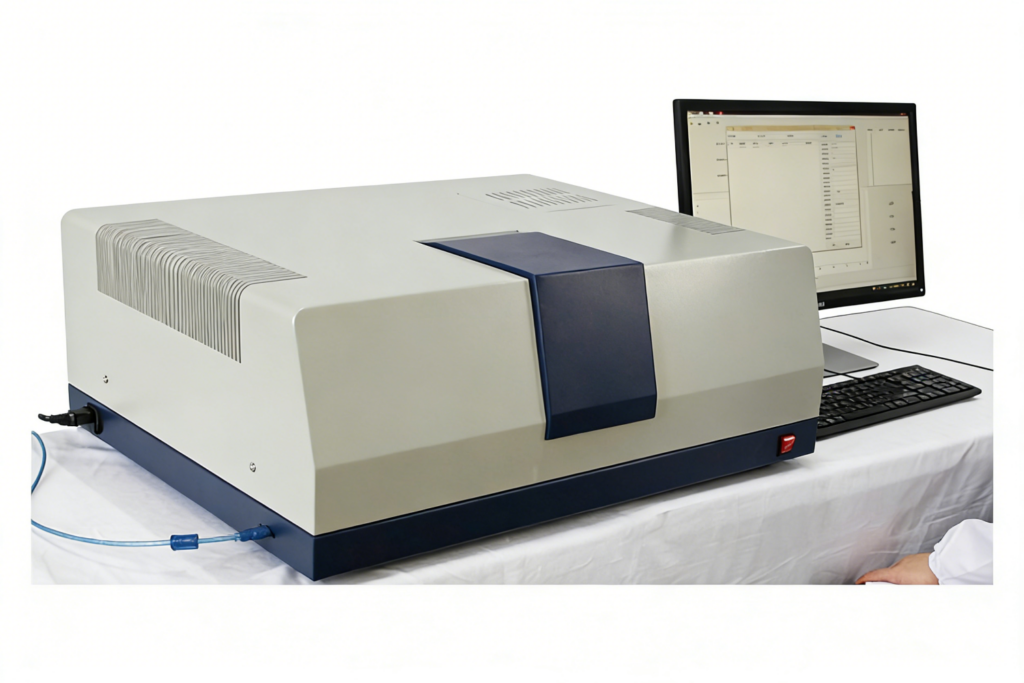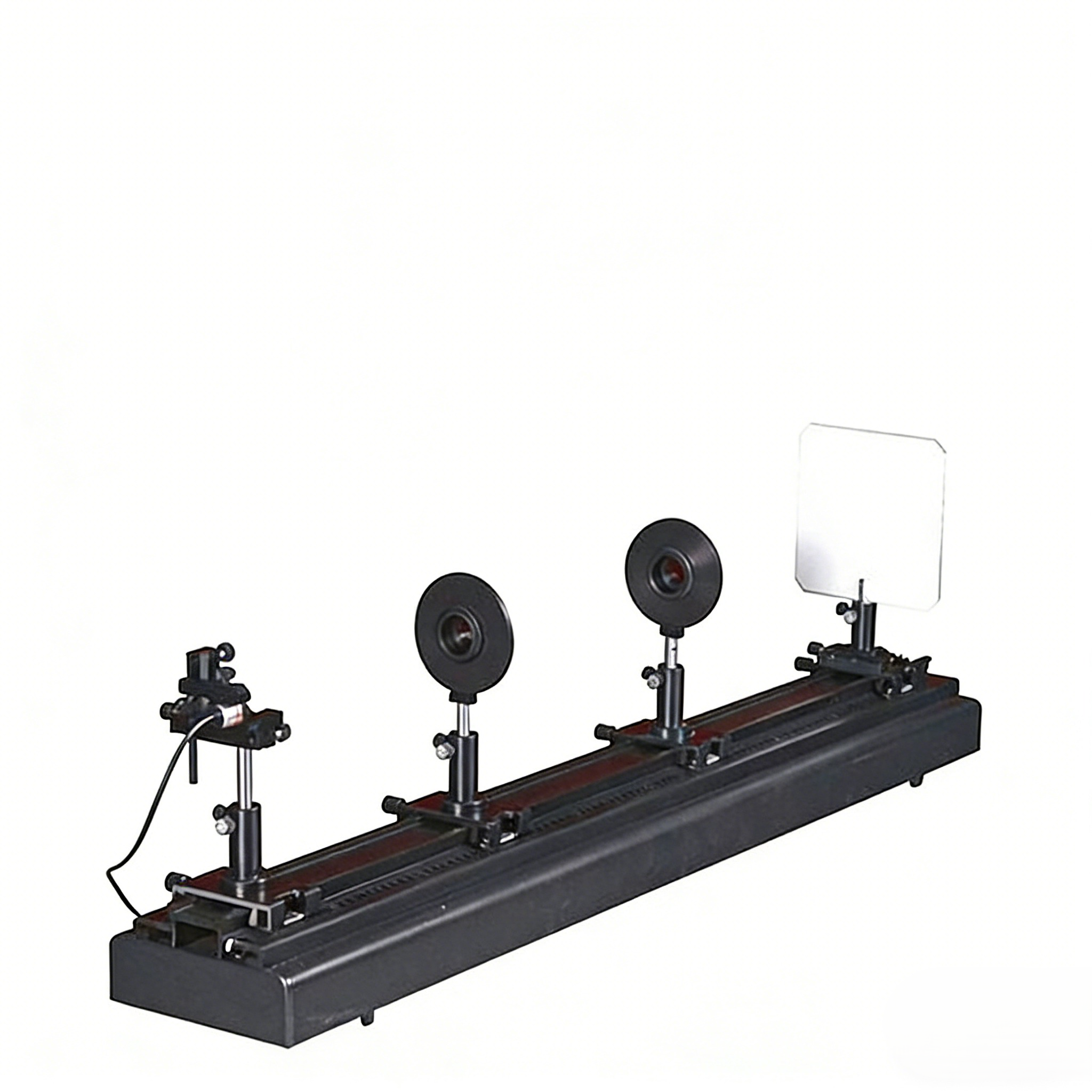
Atomfair-CTOE-8352 Convolution Theorem Optical Experiment Device
Product Overview
Atomfair-CTOE-8352 is a high-quality experimental device designed for the in-depth study of the convolution theorem in the field of optoelectronics. It adopts optical methods to intuitively present and verify the core principles of the convolution theorem, making abstract theoretical knowledge tangible through practical operations. This device is an ideal tool for academic research, laboratory teaching, and professional training, helping users master key concepts of Fourier optical transformation and convolution theorem efficiently.
Key Product Information
| Item | Details |
| Product Name | Convolution Theorem Optical Experiment Device |
| Product Category | Optoelectronics and Laser |
| Core Principle | The Fourier transform of the product of two functions is equal to the convolution of their respective Fourier transforms; conversely, the Fourier transform of the convolution of two functions is equal to the product of their respective Fourier transforms. This device utilizes optical principles to visually demonstrate and explore this core theorem. |
Experimental Objectives
- Master the relevant theoretical knowledge of the convolution theorem.
- Understand the basic principles and applications of Fourier optical transformation.
- Deepen the understanding and cognition of core principles through hands-on experiments.
Core Configuration & Specifications
| No. | Component Name | Specifications |
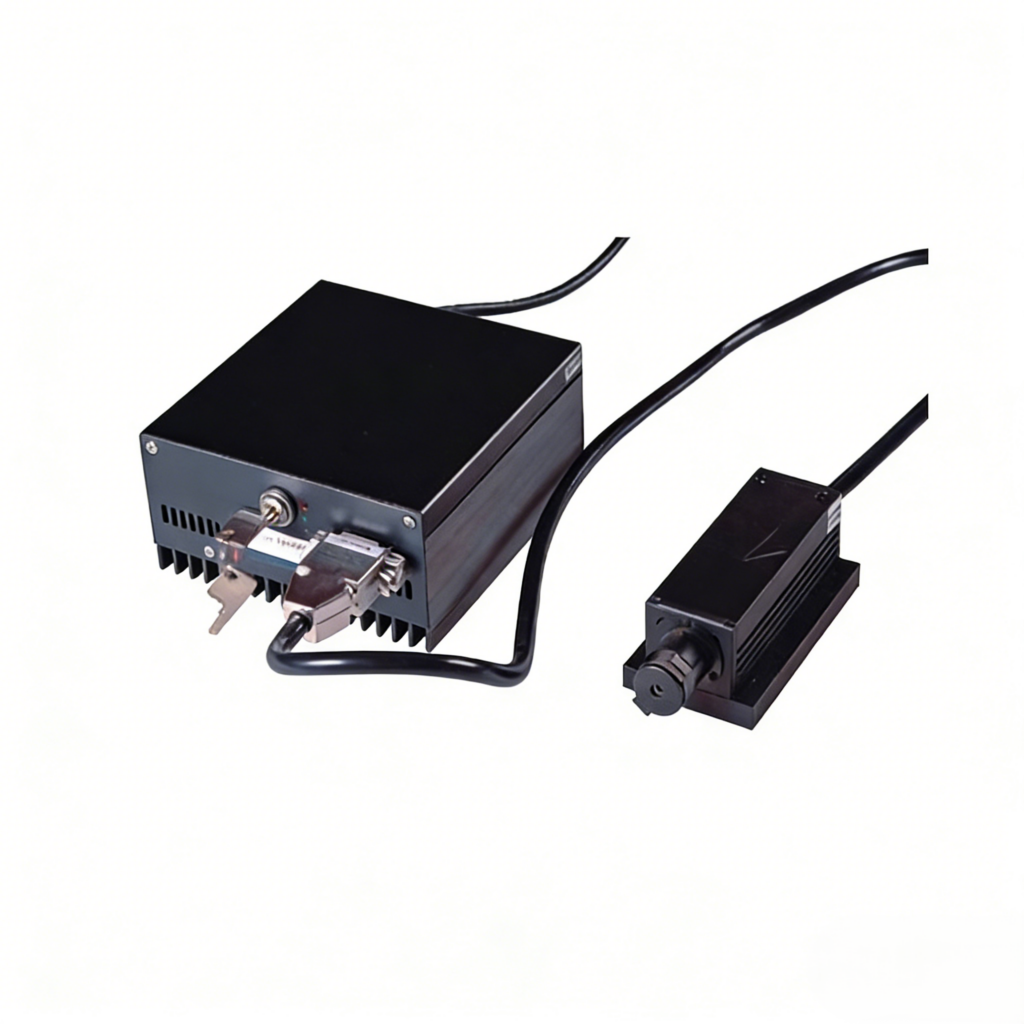
| 1 | Light Source | Semiconductor Laser, 650nm, 5mW |
| 2 | Grating | Orthogonal Grating, 20L/mm |
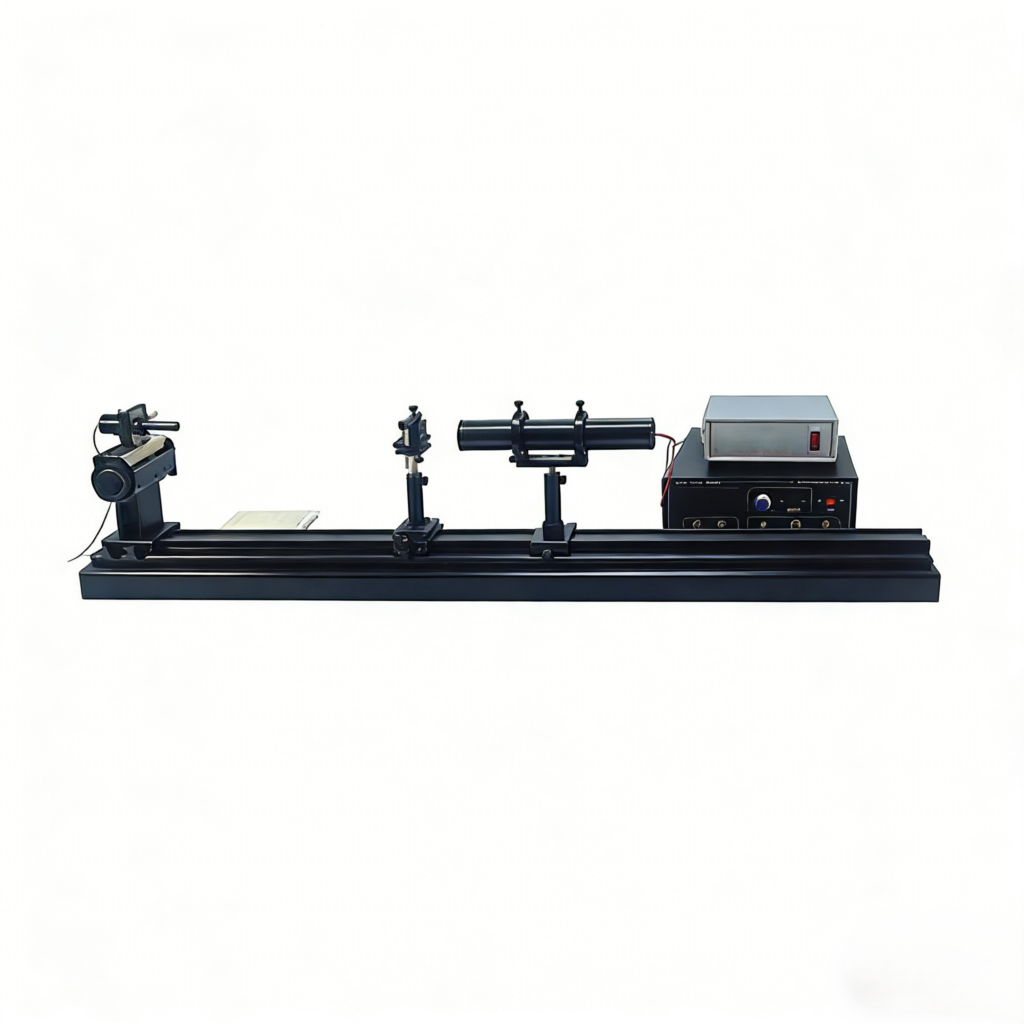
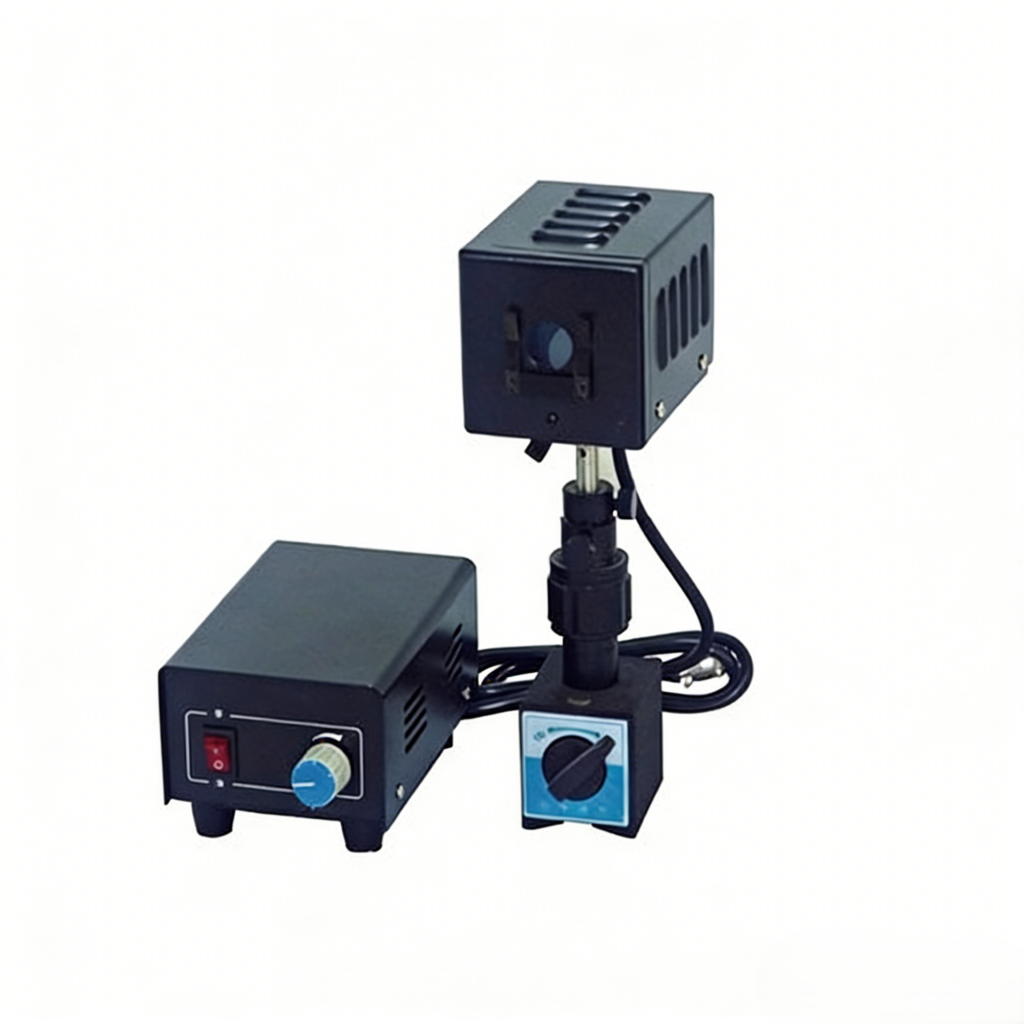
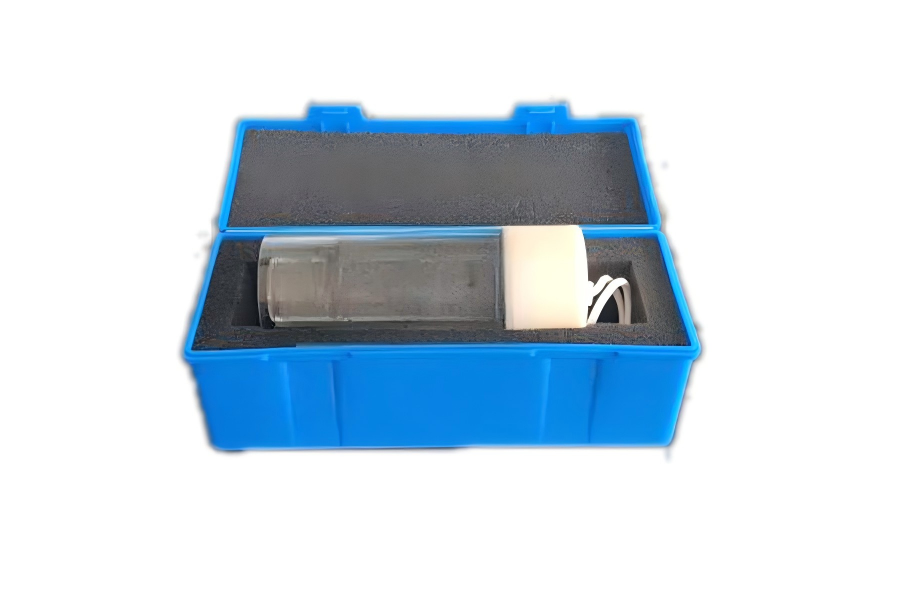
| 3 | Other Accessories | Guide Rail, Sliding Seat, 2D Light Source Bracket, Lens Holder, Lens, White Screen, etc. |
Important Notes
The above configurations and parameters are for reference only. The actual configuration shall be subject to the product packing list. Minor adjustments may be made without prior notice. Atomfair is committed to providing reliable and high-performance experimental equipment, and this product meets international standard requirements to ensure stable operation and accurate experimental results.
If you’re interested, have any questions, or have specific customization requirements, please feel free to contact us at inquiry@atomfair.com.
How does the Atomfair-CTOE-8352 experimentally demonstrate the convolution theorem using Fourier optics?
The device uses optical methods to visualize the relationship between multiplication and convolution in the frequency domain, specifically leveraging the property that the Fourier transform of a product equals the convolution of transforms, and vice versa. It includes a customized optical setup with a semiconductor laser and orthogonal grating to generate spatial frequency patterns, allowing hands-on exploration of these principles.
What are the core components and specifications of the Atomfair-CTOE-8352 optical experiment device?
The core components include a 650nm, 5mW semiconductor laser as the light source, an orthogonal grating with 20 lines/mm, and accessories such as a guide rail, sliding seat, 2D light source bracket, lens holder, lens, and white screen. These are listed in the specification table.
What experimental objectives can be achieved with the Atomfair-CTOE-8352?
It aims to help users master convolution theorem theory, understand Fourier optical transformation principles, and deepen understanding through hands-on experiments, as stated in the Experimental Objectives section.
The Atomfair-CTOE-8352 Convolution Theorem Optical Experiment Device provides a practical optical platform for demonstrating Fourier optical transformation and convolution theorem principles, using a 650nm semiconductor laser and orthogonal grating to visualize the relationship between product and convolution operations in the frequency domain.
Positive
- Direct optical demonstration of convolution theorem: The device uses a 650nm semiconductor laser and 20L/mm orthogonal grating to visually demonstrate the Fourier transform relationship between product and convolution operations, making abstract optical principles tangible for educational and research applications.
- Complete experimental kit for immediate setup: Includes essential components such as guide rail, sliding seat, 2D light source bracket, lens holder, lens, and white screen, enabling comprehensive hands-on experiments without requiring additional optical components.
Trade-offs
- Low-power laser limits environmental conditions: The 5mW semiconductor laser output requires controlled ambient lighting and stable optical alignment to achieve accurate experimental results, as higher ambient light or vibration can interfere with the visible diffraction patterns.
- Fixed grating specification constrains flexibility: The 20L/mm orthogonal grating is pre-selected, limiting the range of spatial frequencies that can be explored without additional gratings, which may restrict advanced experiments requiring different grating periods.
Every advanced material, component, equipment, and instrument in our catalog is backed by rigorous testing. We maintain strict internal quality management frameworks and align with CE conformity metrics to deliver transparent, reproducible performance data via our public open-science repository.
To request raw batch performance data, submit formal vendor registration paperwork, or execute a fast-turnaround R&D manufacturing loop, contact us at inquiry@atomfair.com.
Item is dispatched under the Atomfair Shipping & Delivery Framework (Free worldwide shipping on orders over $59 USD excl. heavy equipment). Return is governed by the Atomfair Return & Refund Policy (7-day technical return window).