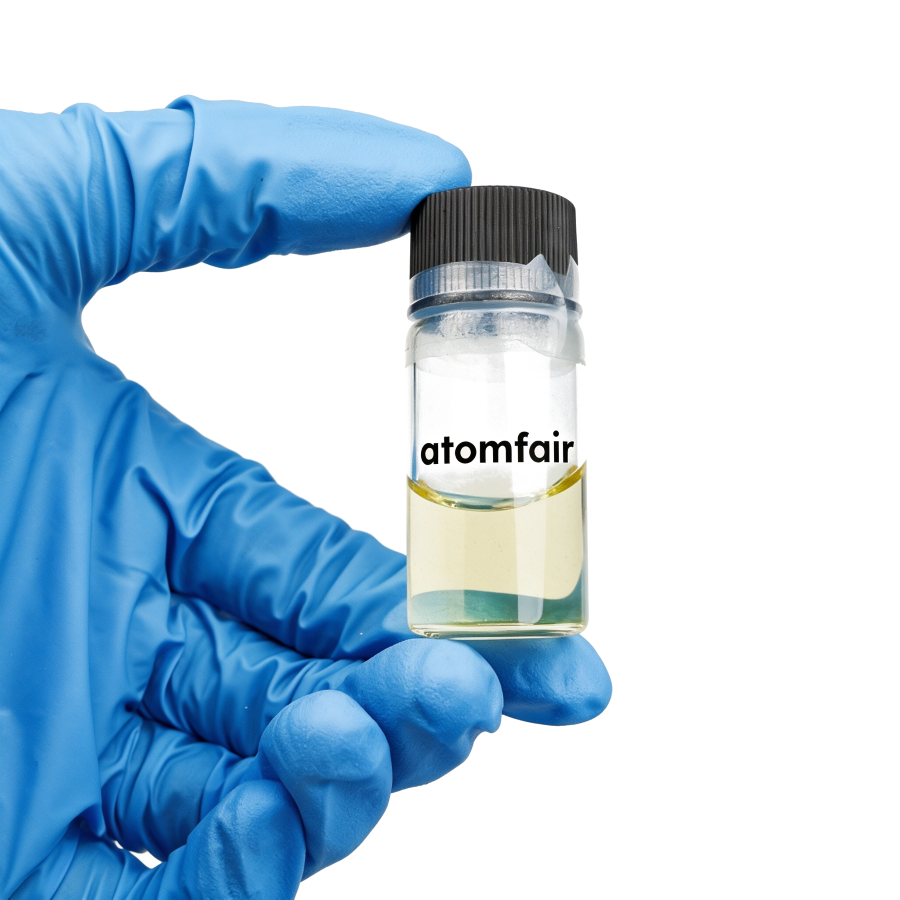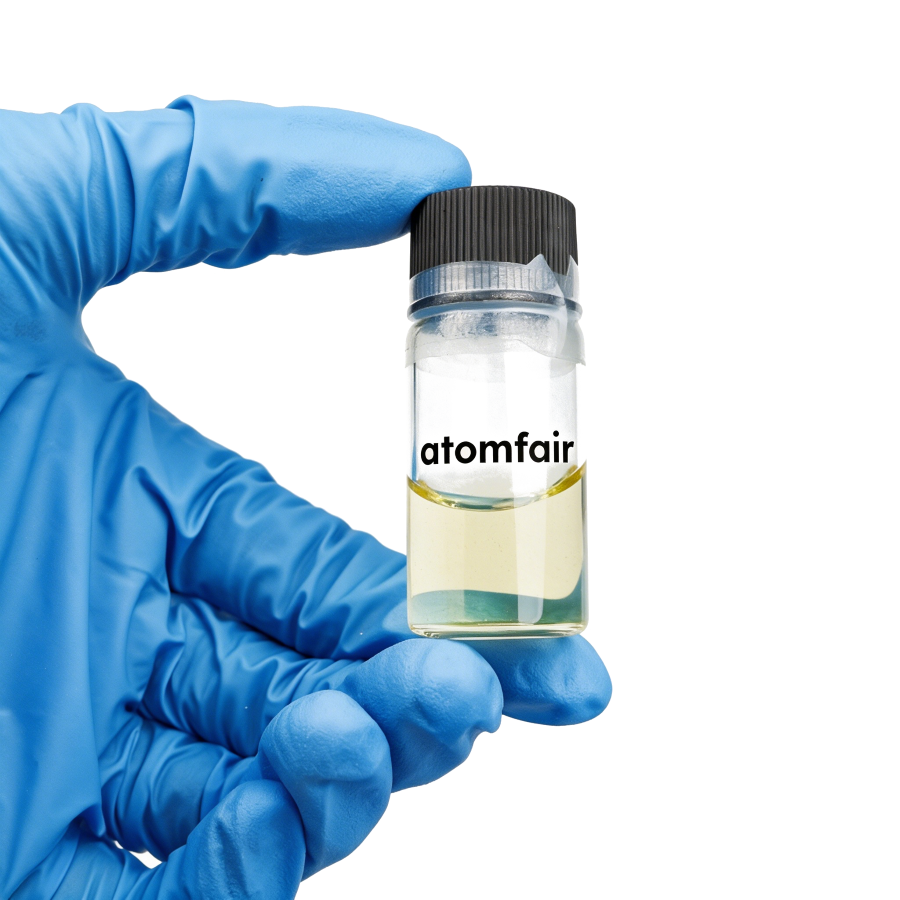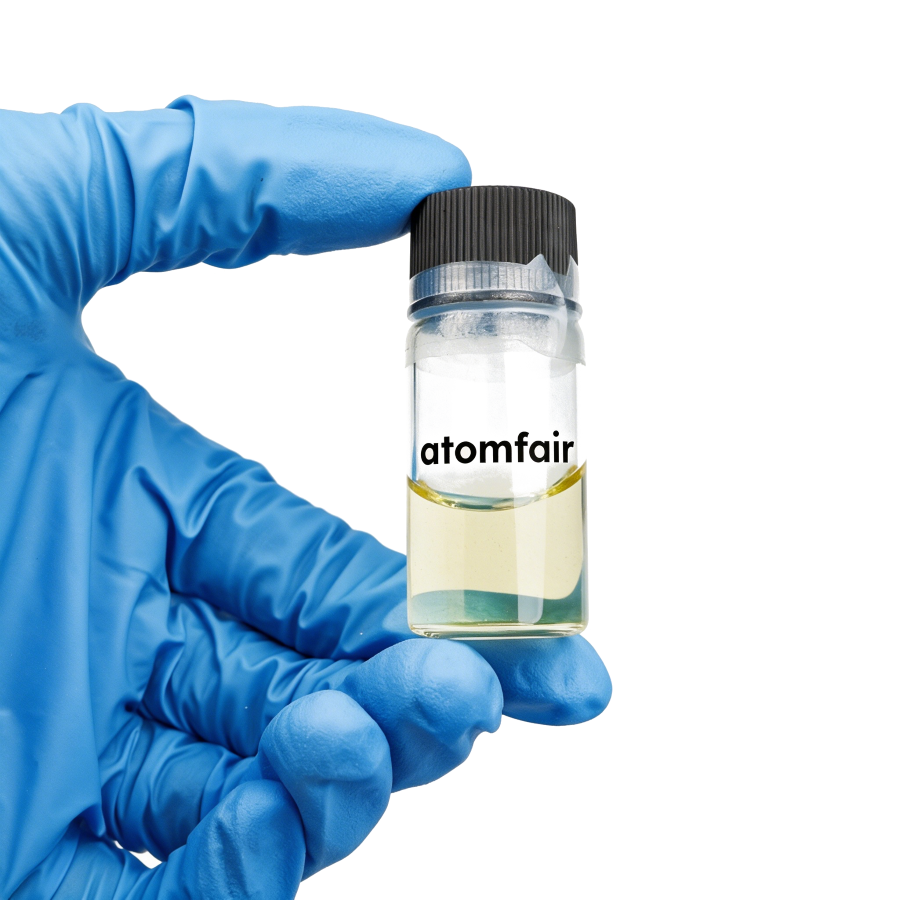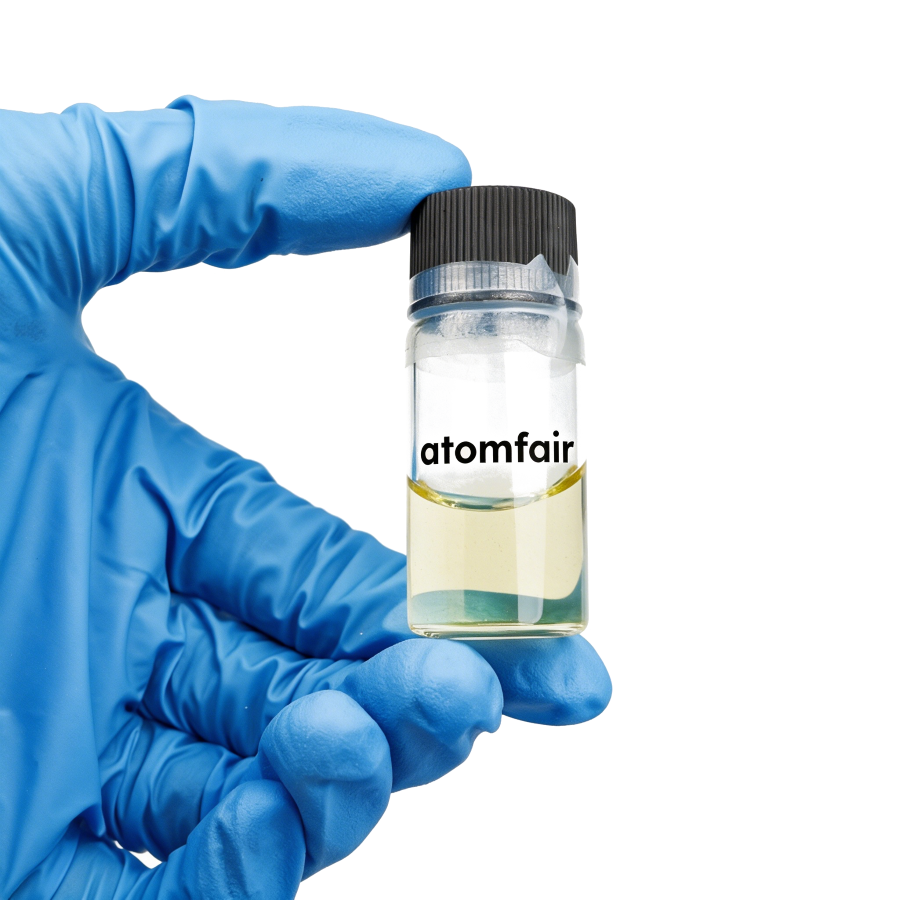
Water-soluble green fluorescence carbon quantum dot dispersion, 0.1 mg/mL, 50mlProduct Type: Quantum dot dispersion
Research-grade laboratory product
|
|||||||||||||||||||||||||||||||
|
|||||||||||||||||||||||||||||||
|
LABORATORY PROCUREMENT SUPPORT
For model selection, material format, solvent, concentration or configuration confirmation, contact our technical sales team.
E-MAIL: inquiry@atomfair.com
|
|||||||||||||||||||||||||||||||
|
Manufacturer: Atomfair LLC
Brand: ATOMFAIR®
|
Manufacturer: Atomfair LLC
Brand: ATOMFAIR®
What is the trade-off between using the 0.1 mg/mL and 0.5 mg/mL concentrations of this carbon quantum dot dispersion for fluorescence applications?
The product is configured at 0.1 mg/mL, but the technical specifications also list a 0.5 mg/mL value. The source does not provide comparative fluorescence or stability data. Higher concentrations may yield brighter emission but increase aggregation risk. The particle size (2–5 nm) and solvent (water) are identical for both concentrations.
Can this water-soluble carbon quantum dot dispersion be used in polymer composite fabrication?
The product is water-soluble and supplied as a dispersion in water. Compatibility with polymers depends on the polymer's solubility in water. The source does not provide specific information on polymer integration. Researchers should evaluate compatibility based on the aqueous nature of the dispersion.
What safety precautions are necessary when handling this research-grade quantum dot dispersion?
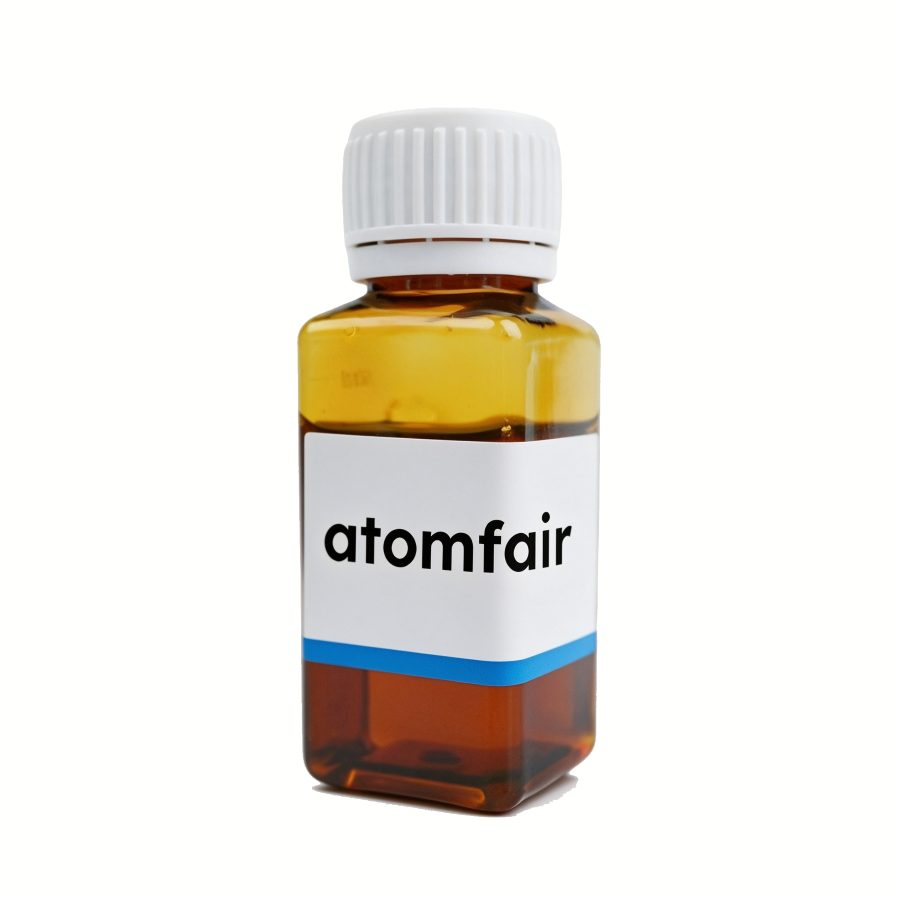
The product is a research-grade laboratory material. The source does not include a safety data sheet or specific handling instructions. Standard laboratory practices for nanomaterials, including the use of gloves, safety glasses, and fume hoods, are recommended. The product is a light green aqueous dispersion.
This water-soluble green fluorescence carbon quantum dot dispersion at 0.1 mg/mL in water with 2–5 nm particle size is suited for aqueous-phase luminescence applications, though the low concentration may require preconcentration for workflows demanding higher optical density.
Positive
- Water-soluble format: Dispersion in water enables direct use in aqueous biological and chemical assays without organic solvent compatibility issues.
- Small particle size (2–5 nm): The 2–5 nm size range provides high surface-to-volume ratio and size-dependent optical properties, beneficial for imaging and sensing applications.
Trade-offs
- Low concentration (0.1 mg/mL): The 0.1 mg/mL concentration is dilute; some applications may require concentration steps to achieve sufficient signal or particle density.
- Water dispersion storage sensitivity: As a water-based dispersion, the product requires careful storage conditions (e.g., protection from light, avoidance of freezing) to prevent aggregation or microbial contamination.
Every advanced material, component, equipment, and instrument in our catalog is backed by rigorous testing. We maintain strict internal quality management frameworks and align with CE conformity metrics to deliver transparent, reproducible performance data via our public open-science repository.
To request raw batch performance data, submit formal vendor registration paperwork, or execute a fast-turnaround R&D manufacturing loop, contact us at inquiry@atomfair.com.
Item is dispatched under the Atomfair Shipping & Delivery Framework (Free worldwide shipping on orders over $59 USD excl. heavy equipment). Return is governed by the Atomfair Return & Refund Policy (7-day technical return window).