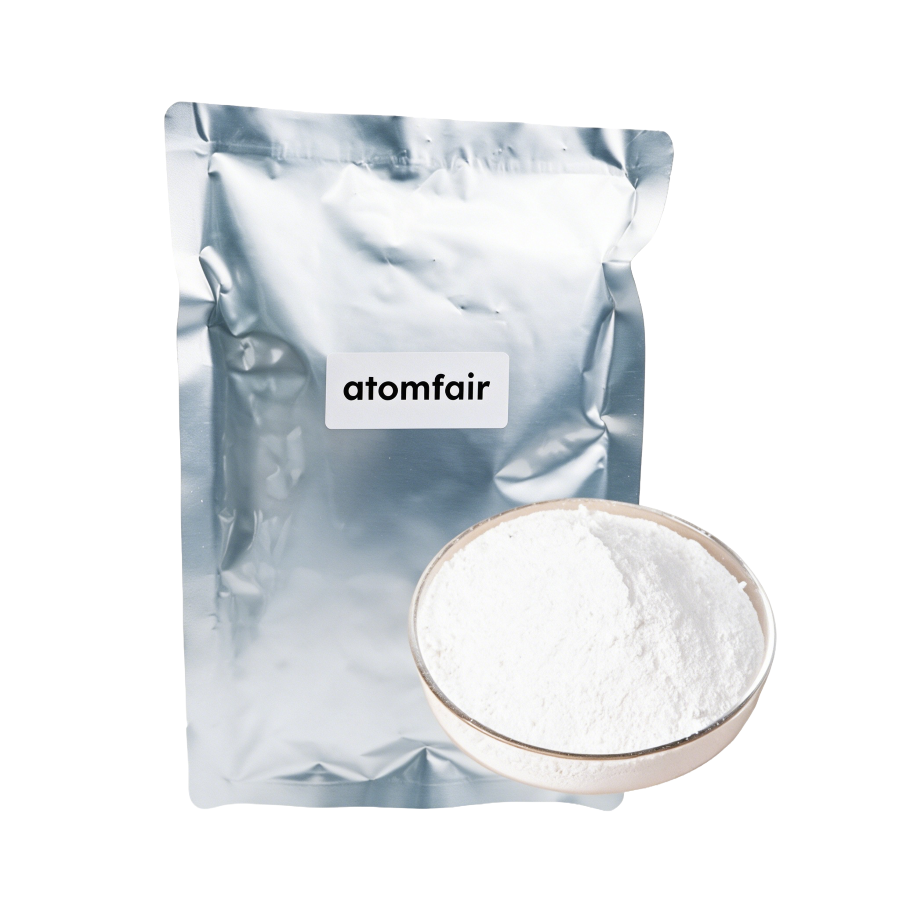
CaF2 Nanoparticles, 60-100 nm, 60-100nm(TEM), 10 gProduct Type: Inorganic nanopowder
Research-grade laboratory product
|
|||||||||||||||||||||||
|
|||||||||||||||||||||||
|
LABORATORY PROCUREMENT SUPPORT
For model selection, material form, dimensional range, concentration or package confirmation, contact our technical sales team.
E-MAIL: inquiry@atomfair.com
|
|||||||||||||||||||||||
|
Manufacturer: Atomfair LLC
Brand: ATOMFAIR®
|
What is the trade-off between using 60-100 nm CaF2 nanoparticles versus larger or smaller particle sizes for optical window doping?
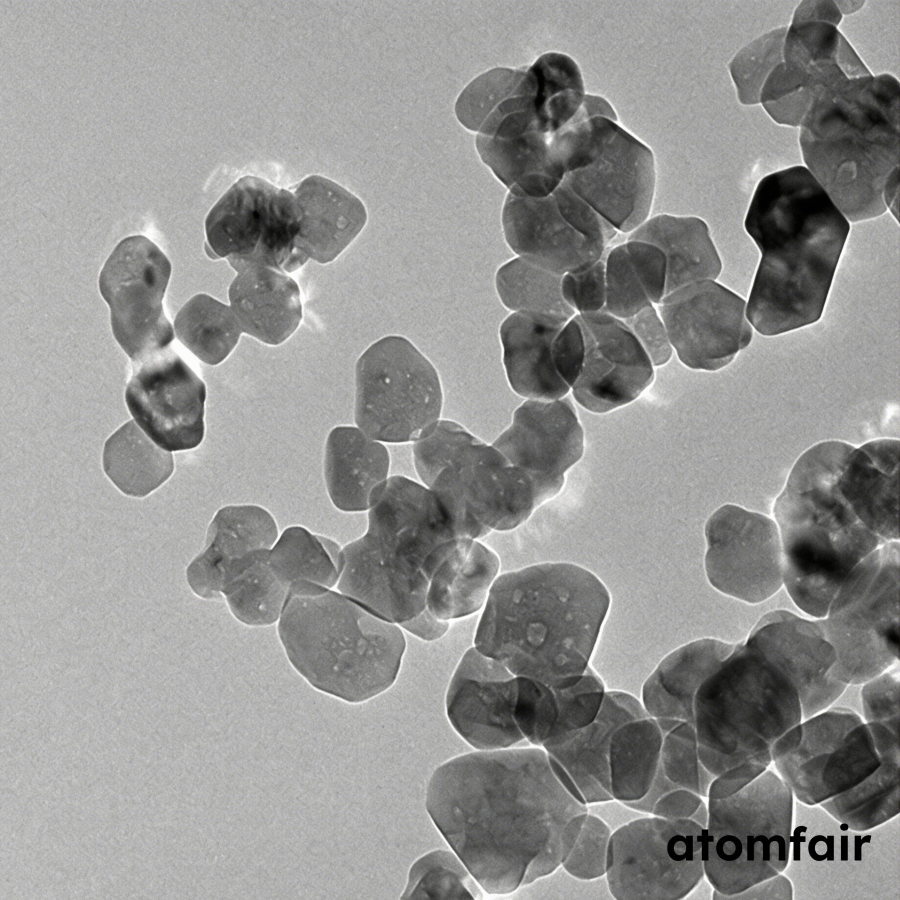
The 60-100 nm diameter range (measured by TEM) offers a balance between high surface reactivity for doping and manageable aggregation. Smaller particles increase surface defects that enhance scattering in optical composites, while larger particles reduce doping homogeneity. This product's 60-100 nm(TEM) size is specifically suited for UV-transparent window doping where nanoparticle dispersion and minimal scattering are critical.
Can CaF2 nanoparticles be directly integrated into polymer or sol-gel matrices without surface modification?
As a white inorganic nanopowder with a diameter of 60-100 nm (TEM), these CaF2 particles are hydrophilic and may require surface functionalization for uniform dispersion in hydrophobic polymer matrices. Direct integration into sol-gel silica or fluoride glass precursors is feasible if the solvent system matches the particle surface chemistry, but agglomeration should be evaluated via TEM post-mixing to confirm the specified size distribution is retained.
What handling precautions are required for 60-100 nm CaF2 nanopowder to prevent airborne dust exposure?
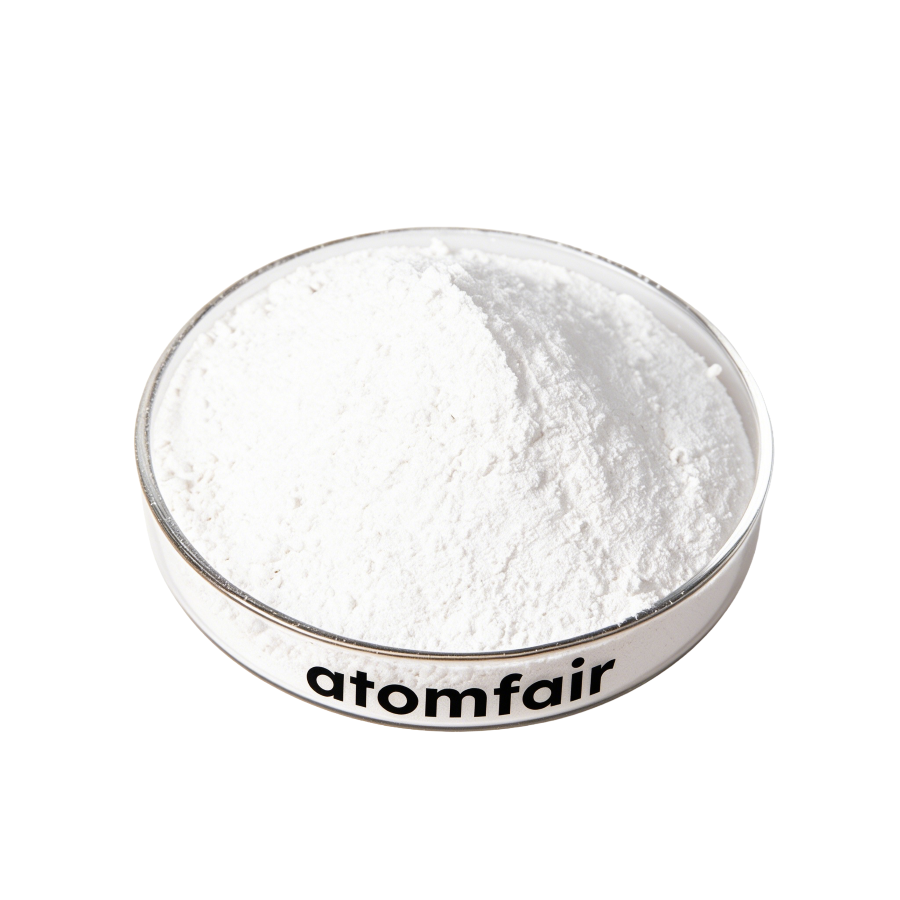
This product is supplied as a white nanopowder in a 10 g package, requiring handling in a fume hood or glovebox to prevent inhalation of fine particles. The 60-100 nm TEM diameter creates high respirable surface area, so static discharge control and sealed containers are recommended during transfer. No solvent or dispersion liquid is pre-added, so dry powder handling protocols must be strictly followed to avoid contamination.
Technical assessment of CaF2 nanoparticles (60-100 nm, TEM) as a research-grade inorganic nanopowder. The narrow particle size distribution supports reproducible optical properties, but the dry powder form and TEM-based sizing require careful dispersion handling, and the 10 g package size may constrain larger-scale studies.
Positive
- Narrow particle size range (60-100 nm): The specified diameter range provides consistent nanoparticle dimensions for reproducible experimental results, particularly in size-dependent optical and catalytic studies.
- Inorganic nanopowder form: The powder form allows for straightforward incorporation into polymer matrices, coatings, or sintered ceramics, and enables precise weighing for stoichiometric control.
Trade-offs
- TEM diameter only, no agglomeration data: The diameter is measured by TEM, which reports primary particle size; agglomerate size in dispersions may be larger, affecting processing and final material properties.
- Fixed 10 g package size: The 10 g package may limit scalability for users requiring larger quantities for batch-to-batch consistency studies or pilot-scale experiments.
Every advanced material, component, equipment, and instrument in our catalog is backed by rigorous testing. We maintain strict internal quality management frameworks and align with CE conformity metrics to deliver transparent, reproducible performance data via our public open-science repository.
To request raw batch performance data, submit formal vendor registration paperwork, or execute a fast-turnaround R&D manufacturing loop, contact us at inquiry@atomfair.com.
Item is dispatched under the Atomfair Shipping & Delivery Framework (Free worldwide shipping on orders over $59 USD excl. heavy equipment). Return is governed by the Atomfair Return & Refund Policy (7-day technical return window).