|
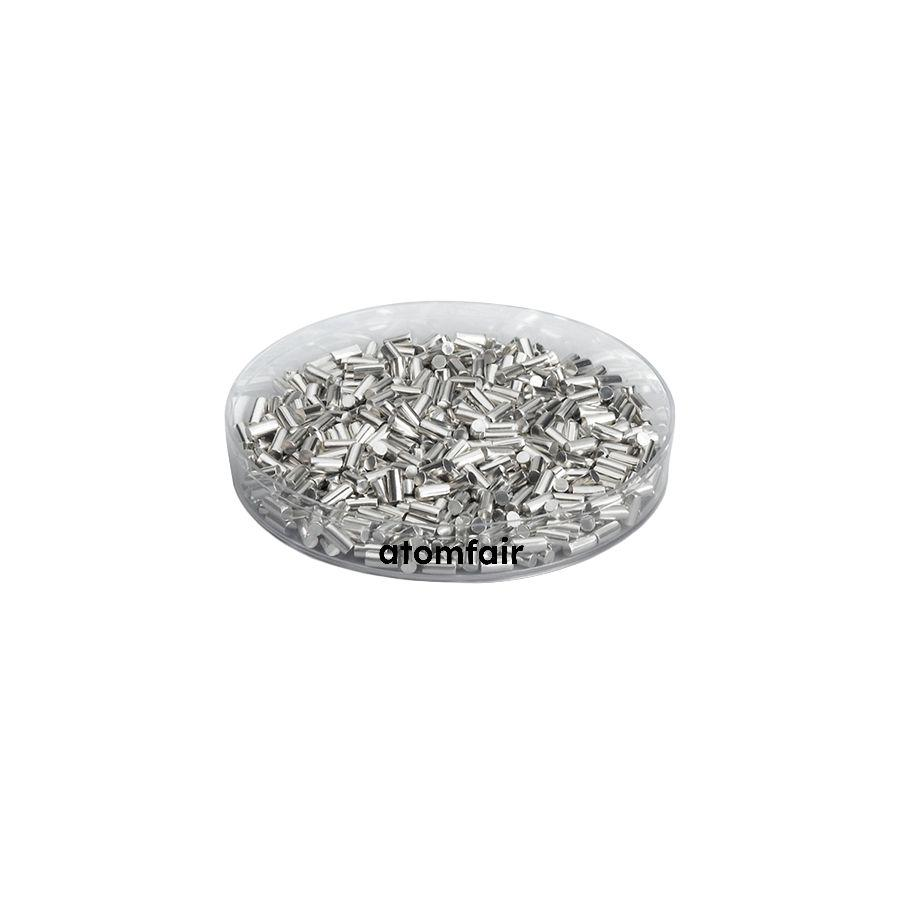
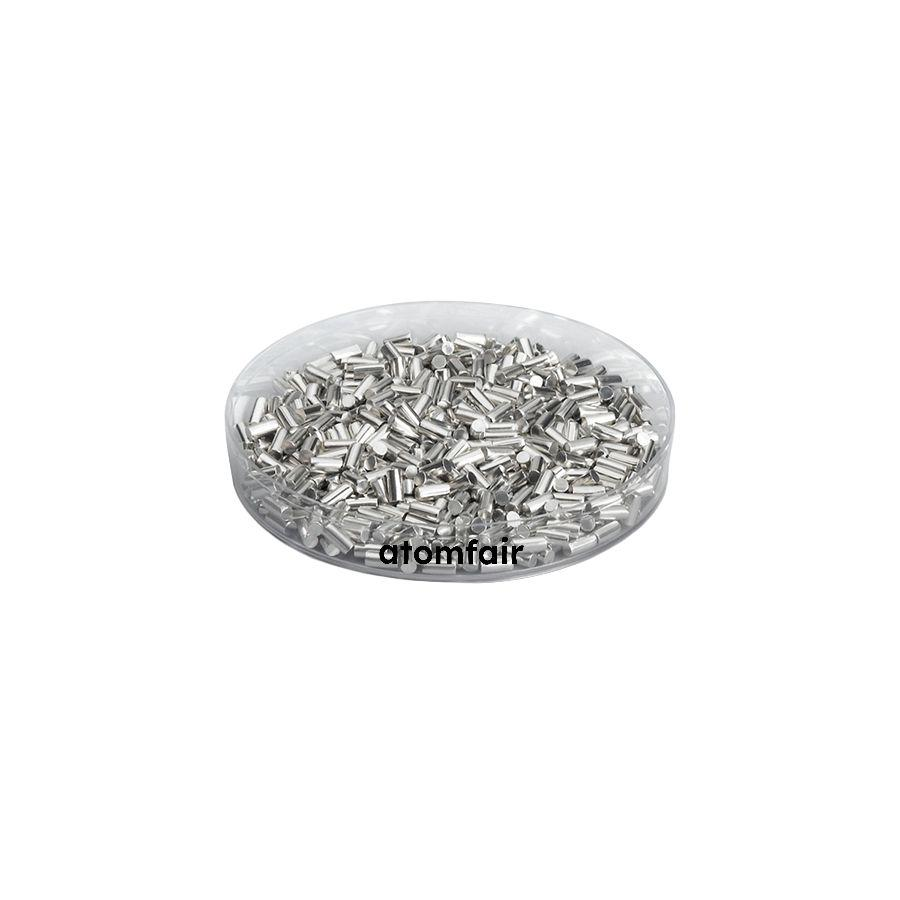
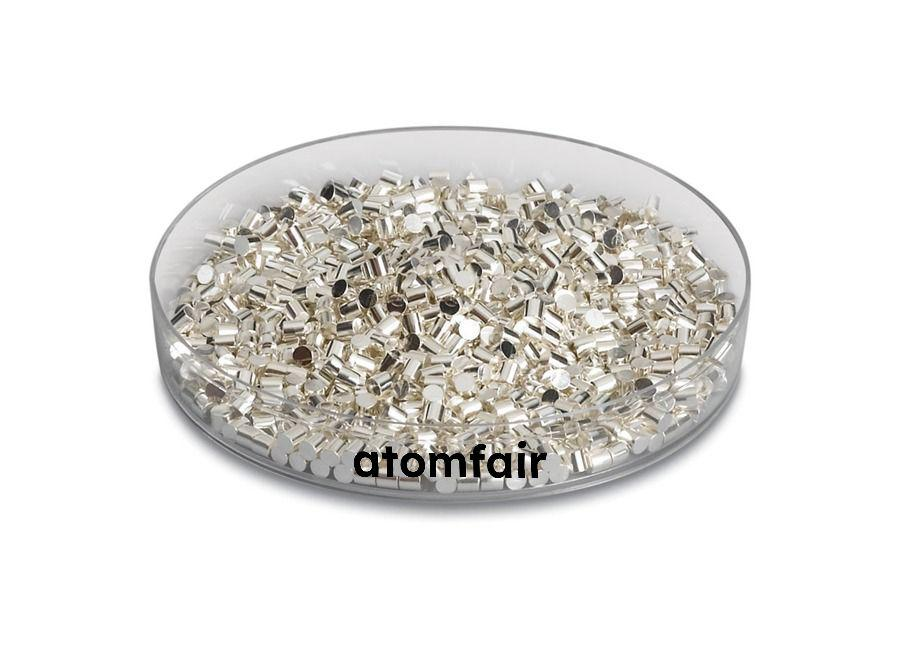
Bismuth (Bi) Evaporation Material, Pellets, 99.99%, 3-6 mm
Product Type: Pure Metal Evaporation Material
Research-grade laboratory product
|
|||||||||||||||||||||||||||||||||||||||
|
|||||||||||||||||||||||||||||||||||||||
|
LABORATORY PROCUREMENT SUPPORT
For material selection, deposition-source matching, pack-size confirmation or quotation support, contact our technical sales team.
INQUIRY: inquiry@atomfair.com
|
|||||||||||||||||||||||||||||||||||||||
|
Manufacturer: Atomfair LLC
Brand: ATOMFAIR®
|
This material requires careful selection of evaporation source hardware and process parameters to match its melting point and deposition behavior. The pellet form and size range influence loading and evaporation rate consistency.
- Source Compatibility: Use only Mo/W/Ta boat or graphite/alumina crucible for evaporation.
- Evaporation Method: Thermal or resistive evaporation is preferred; low-power e-beam is optional.
- Melting Point Consideration: Process parameters must be set relative to the material's melting point of 271°C.
- Thickness Monitoring: Account for the Z-ratio of 0.79 when calibrating quartz crystal monitors.
- Pellet Size Handling: Ensure the 3-6 mm pellet size is compatible with the source geometry and feed mechanism.
Why is thermal/resistive evaporation preferred over e-beam for bismuth pellets, and what boat or crucible materials are compatible?
Thermal/resistive evaporation is preferred for bismuth pellets due to its low melting point of 271°C, which allows efficient evaporation without the need for high-power e-beam. Compatible source materials include molybdenum (Mo), tungsten (W), or tantalum (Ta) boats, as well as graphite or alumina crucibles. Low-power e-beam is listed as optional but is not recommended as the primary method.
What is the significance of the Z-ratio of 0.79 for bismuth evaporation material in quartz crystal monitoring?
The Z-ratio of 0.79 is a material-specific acoustic impedance factor used to calibrate quartz crystal microbalance (QCM) thickness monitors during deposition. For bismuth, this value corrects the frequency-to-thickness conversion, ensuring accurate film thickness measurements. An incorrect Z-ratio setting can lead to significant thickness errors in the deposited film.
What critical parameters must be confirmed before ordering bismuth evaporation pellets for deposition source compatibility?
Before ordering, confirm the material purity (99.99%), pellet size (3-6 mm), pack size (100g, 500g, or 1kg), and deposition source compatibility. The pellets are designed for thermal/resistive evaporation using Mo/W/Ta boats or graphite/alumina crucibles. Also verify that the melting point (271°C) and density (9.8 g/cm³) align with your process requirements, and review the certificate of analysis and safety data sheet for handling and storage conditions.
Bismuth (Bi) evaporation pellets at 99.99% purity and 3-6 mm pellet size are suitable for thermal/resistive deposition, with a low melting point of 271°C and density of 9.8 g/cm³ requiring careful source selection and process calibration for consistent thin-film results.
Positive
- High-purity 99.99% bismuth pellets: The 99.99% purity specification ensures minimal contamination in deposited films, critical for research-grade thin-film applications requiring defined material identity and consistent electrical or optical properties.
- Defined pellet size for source loading: The 3-6 mm pellet size range facilitates uniform loading into Mo/W/Ta boats or graphite/alumina crucibles, supporting reproducible evaporation rates in thermal or low-power e-beam systems.
Trade-offs
- Low melting point requires careful source handling: Bismuth melts at 271°C, which is low compared to many evaporation materials; this can cause rapid melting and potential spitting or droplet formation if the source temperature is not precisely controlled, especially in resistive boats.
- Z-ratio of 0.79 necessitates film-thickness calibration: The Z-ratio of 0.79 deviates from the typical value of 1.0 for quartz crystal microbalance monitoring, requiring users to input the correct tooling factor or process calibration to ensure accurate deposition rate and film thickness control.
Every advanced material, component, equipment, and instrument in our catalog is backed by rigorous testing. We maintain strict internal quality management frameworks and align with CE conformity metrics to deliver transparent, reproducible performance data via our public open-science repository.
To request raw batch performance data, submit formal vendor registration paperwork, or execute a fast-turnaround R&D manufacturing loop, contact us at inquiry@atomfair.com.
Item is dispatched under the Atomfair Shipping & Delivery Framework (Free worldwide shipping on orders over $59 USD excl. heavy equipment). Return is governed by the Atomfair Return & Refund Policy (7-day technical return window).