|
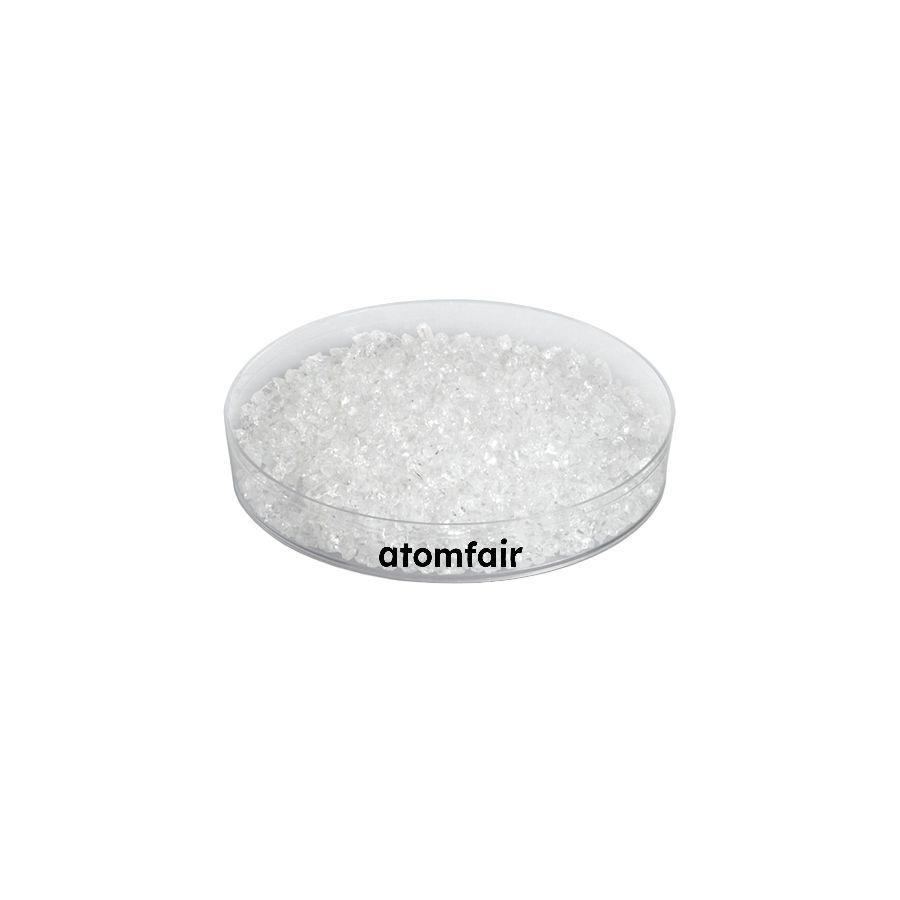
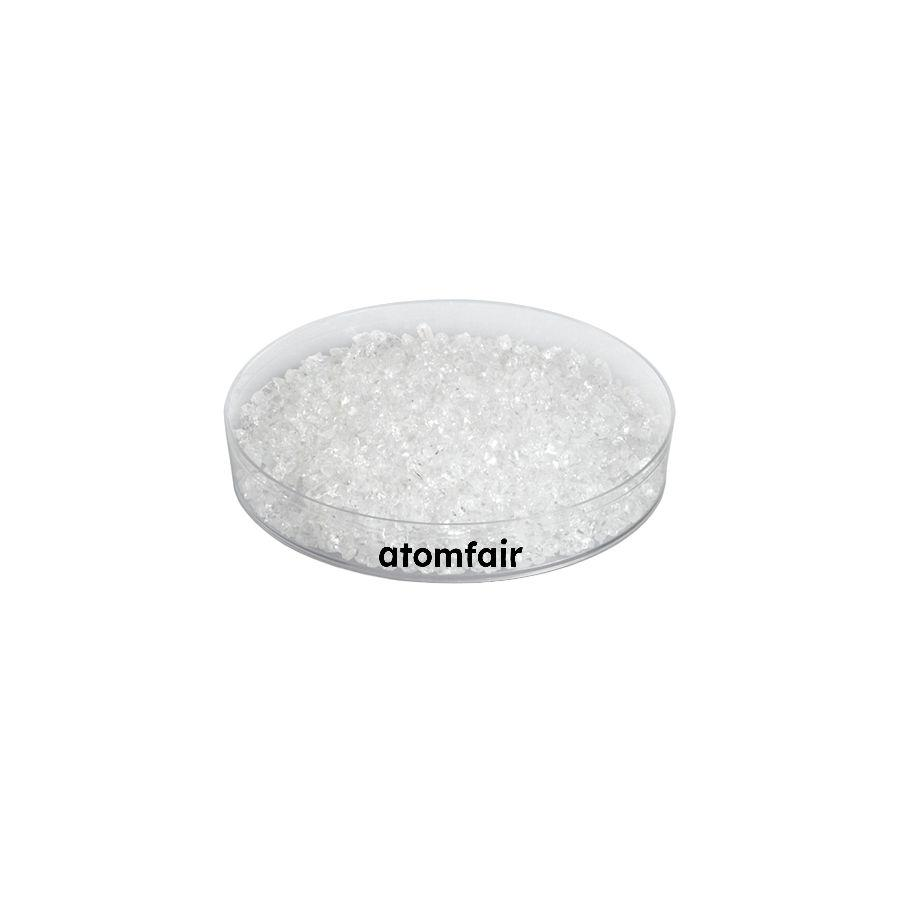
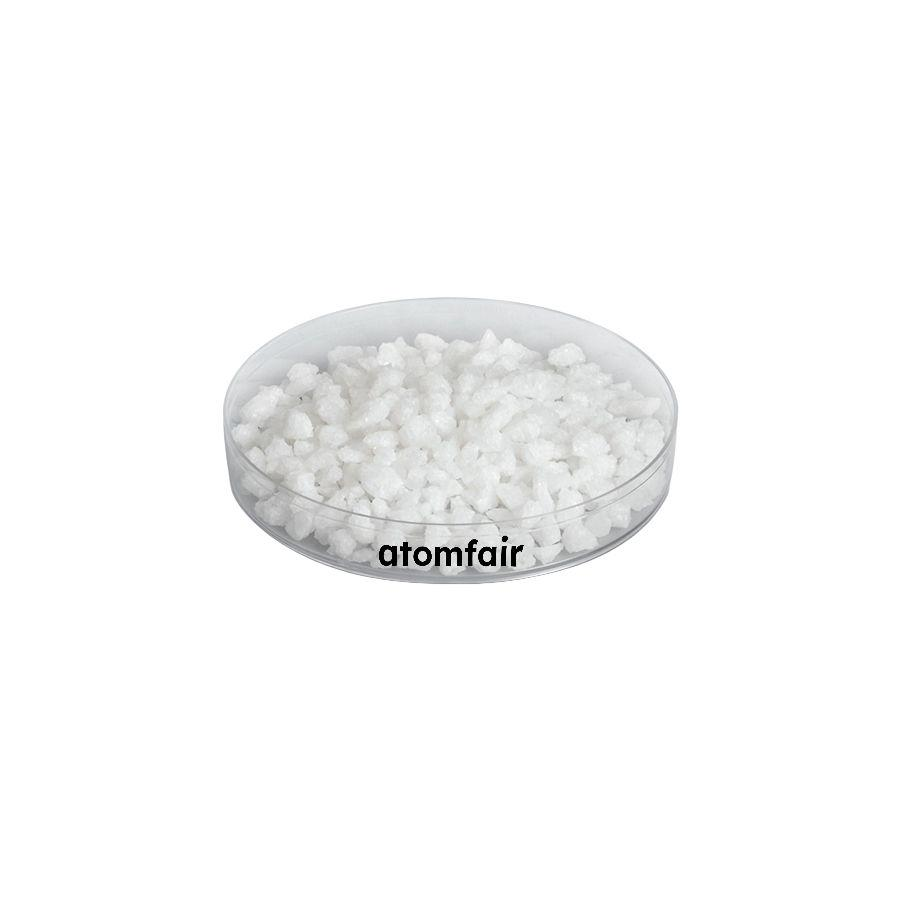
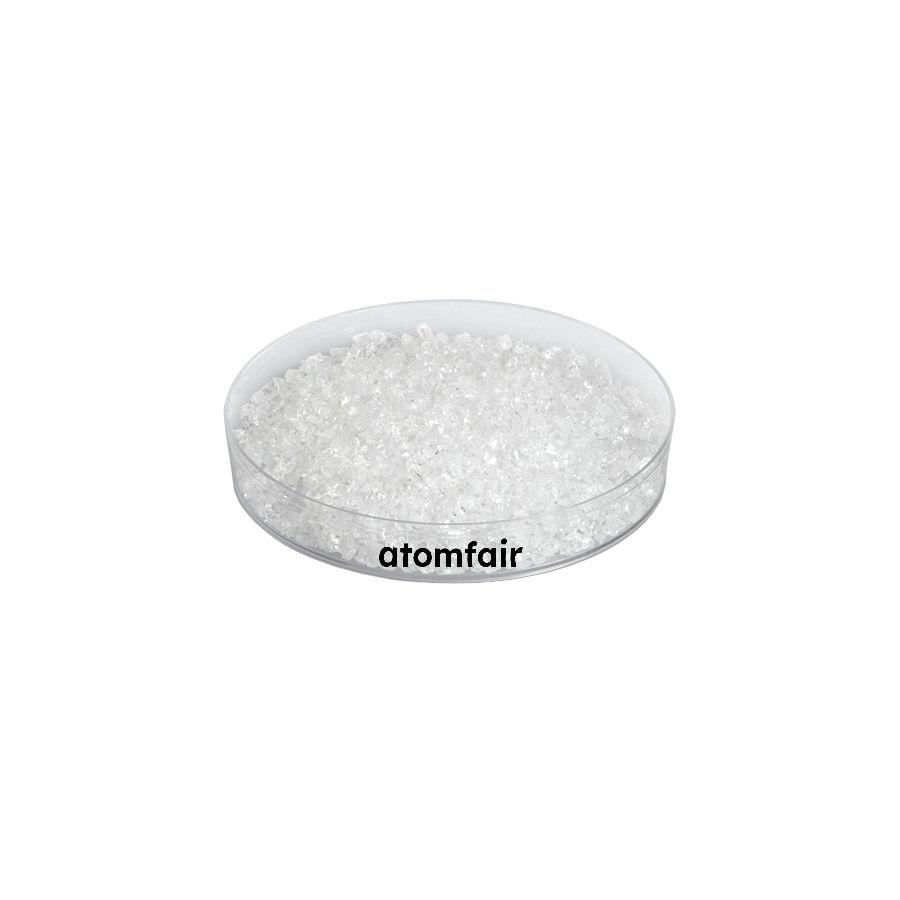
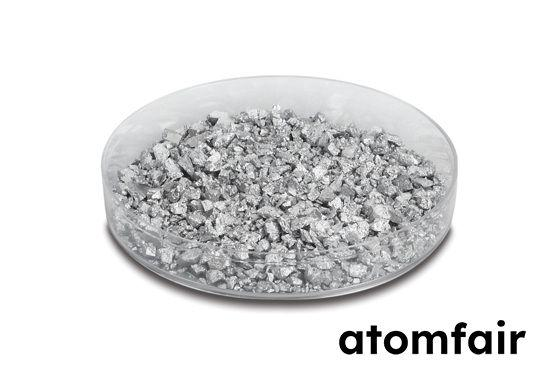
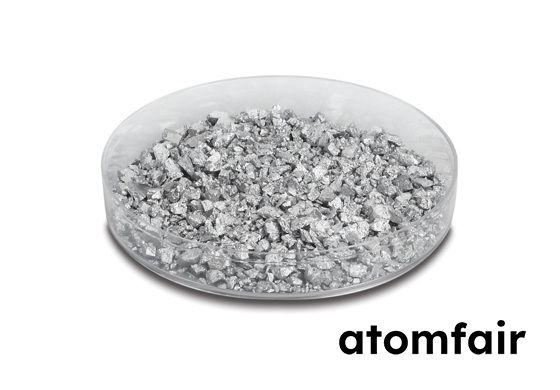
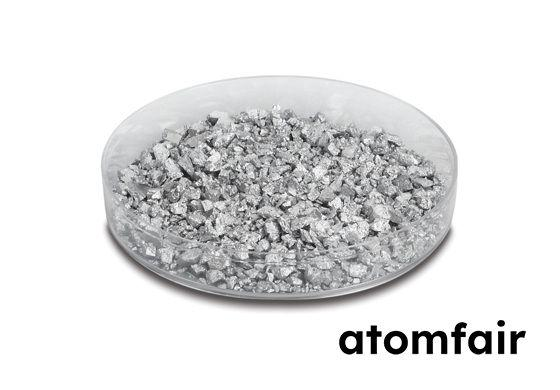
Barium Titanate (BaTiO3) Evaporation Material, Powder, 99.99%, 90 nm
Product Type: Compound Evaporation Material
Research-grade laboratory product
|
|||||||||||||||||||||||||||||||||||||||
|
|||||||||||||||||||||||||||||||||||||||
|
LABORATORY PROCUREMENT SUPPORT
For material selection, deposition-source matching, pack-size confirmation or quotation support, contact our technical sales team.
INQUIRY: inquiry@atomfair.com
|
|||||||||||||||||||||||||||||||||||||||
|
Manufacturer: Atomfair LLC
Brand: ATOMFAIR®
|
This document outlines the processing constraints and compatibility requirements for BaTiO3 evaporation material. Users must match deposition source hardware and liner materials to the specified melting point and Z-ratio to achieve consistent film quality.
- Source Compatibility: Select an E-beam hearth equipped with a graphite, alumina, or boron nitride liner, or a refractory metal boat made of tungsten, molybdenum, or tantalum, to avoid chemical reaction with the molten BaTiO3.
- Z-Ratio Correction: Apply the Z-ratio of 0.464 during quartz crystal microbalance calibration to ensure accurate film thickness control.
- Particle Size Handling: Use the 90 nm powder directly without additional milling, but ensure uniform distribution in the crucible to prevent spitting during evaporation.
- Thermal Evaporation Limitation: Thermal evaporation requires a quotation and is not recommended without prior evaluation of the liner compatibility at 1625 °C melting point.
- Contamination Control: Maintain a clean vacuum environment and use dedicated liners to avoid cross-contamination with other materials, as the 99.99% purity grade is sensitive to inclusion of trace impurities.
What is the significance of the Z-ratio value of 0.464 for BaTiO3 in e-beam deposition?
The Z-ratio of 0.464 is a material-specific acoustic impedance factor used in quartz crystal microbalance (QCM) thickness monitoring during e-beam deposition of BaTiO3 films. This value corrects the measured frequency shift to actual film thickness; accurate input ensures precise process control.
What liner materials are recommended for e-beam evaporation of BaTiO3 powder?
For e-beam evaporation of BaTiO3 powder (melting point ~1625°C), recommended liner materials include graphite (C), aluminum oxide (Al2O3), or boron nitride (BN) due to their high-temperature stability and chemical inertness against barium titanate melt. Alternatively tungsten (W), molybdenum (Mo), or tantalum (Ta) boats can be used for thermal evaporation by RFQ.
How does the melting point of BaTiO3 (1625°C) influence its suitability for e-beam vs thermal evaporation?
The melting point of approximately 1625°C makes BaTiO3 well-suited for e-beam evaporation because e-beam sources can achieve localized high temperatures exceeding this point without excessive crucible heating. Thermal evaporation may require RFQ due to potential difficulties reaching this temperature uniformly with resistive boats; hence e-beam is preferred as stated in the specifications.
This BaTiO3 evaporation material offers 99.99% purity and 90 nm particle size for thin-film deposition, with E-beam evaporation as the preferred method. Users must verify source geometry and liner compatibility, and thermal evaporation requires a custom RFQ.
Positive
- High purity with controlled nanoparticle size: 99.99% purity and 90 nm particle size ensure consistent evaporation behavior and film quality for research-grade thin-film deposition workflows.
- Multiple pack sizes for flexible scaling: Pack sizes from 25g to 1kg accommodate both exploratory R&D and pilot-scale runs, reducing the need for multiple procurement cycles.
Trade-offs
- Deposition-source compatibility must be verified: E-beam evaporation requires a graphite/Al2O3/BN liner or W/Mo/Ta boat; thermal evaporation is only available via RFQ, necessitating upfront hardware confirmation.
- Thermal evaporation requires custom RFQ: Thermal evaporation is not a standard option and requires a request for quotation, adding lead time and process development steps for non-E-beam users.
Every advanced material, component, equipment, and instrument in our catalog is backed by rigorous testing. We maintain strict internal quality management frameworks and align with CE conformity metrics to deliver transparent, reproducible performance data via our public open-science repository.
To request raw batch performance data, submit formal vendor registration paperwork, or execute a fast-turnaround R&D manufacturing loop, contact us at inquiry@atomfair.com.
Item is dispatched under the Atomfair Shipping & Delivery Framework (Free worldwide shipping on orders over $59 USD excl. heavy equipment). Return is governed by the Atomfair Return & Refund Policy (7-day technical return window).