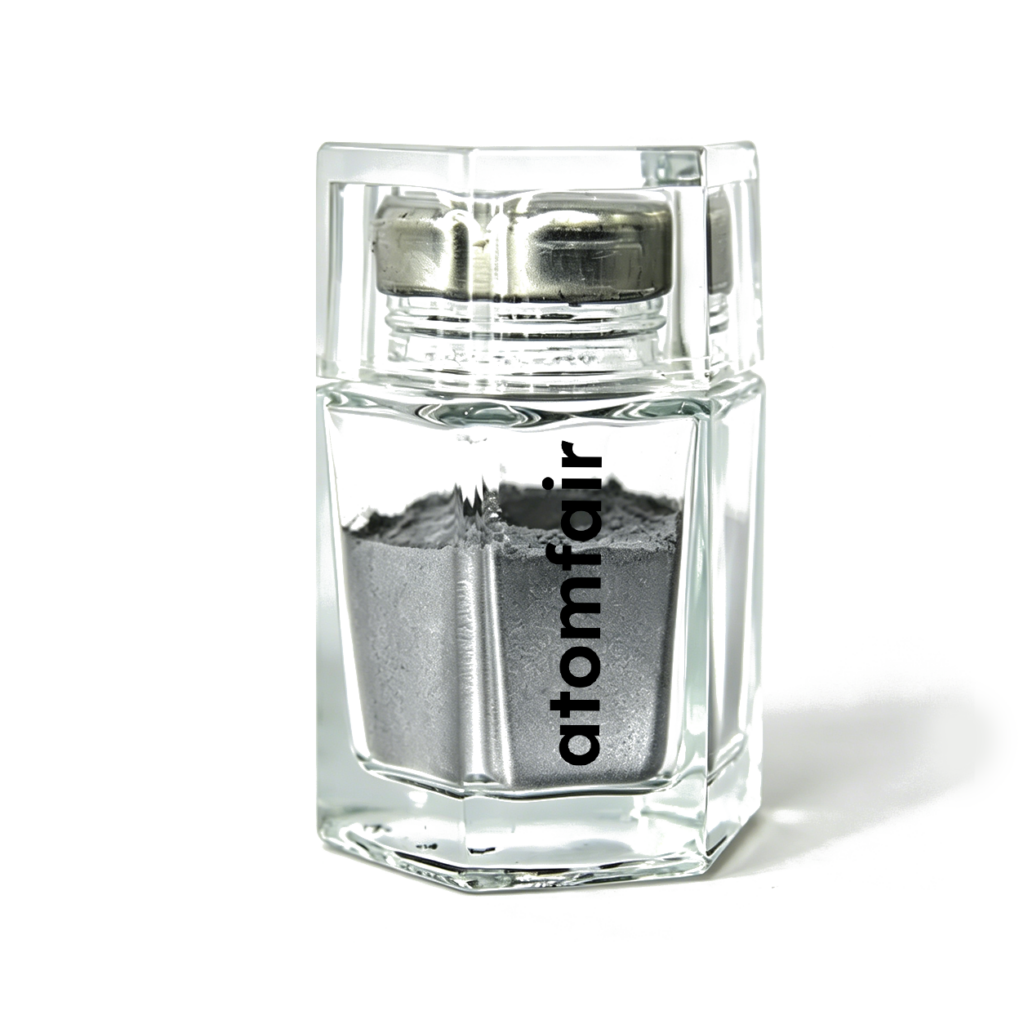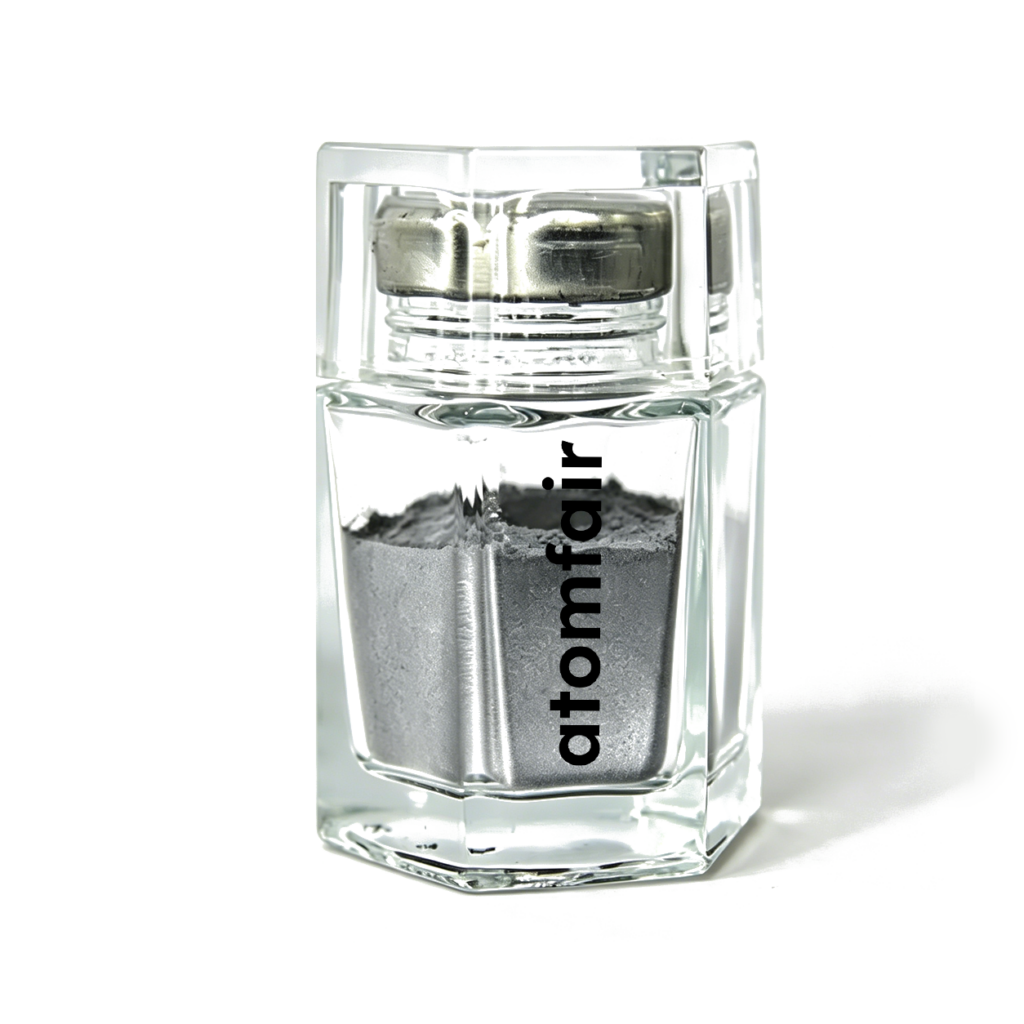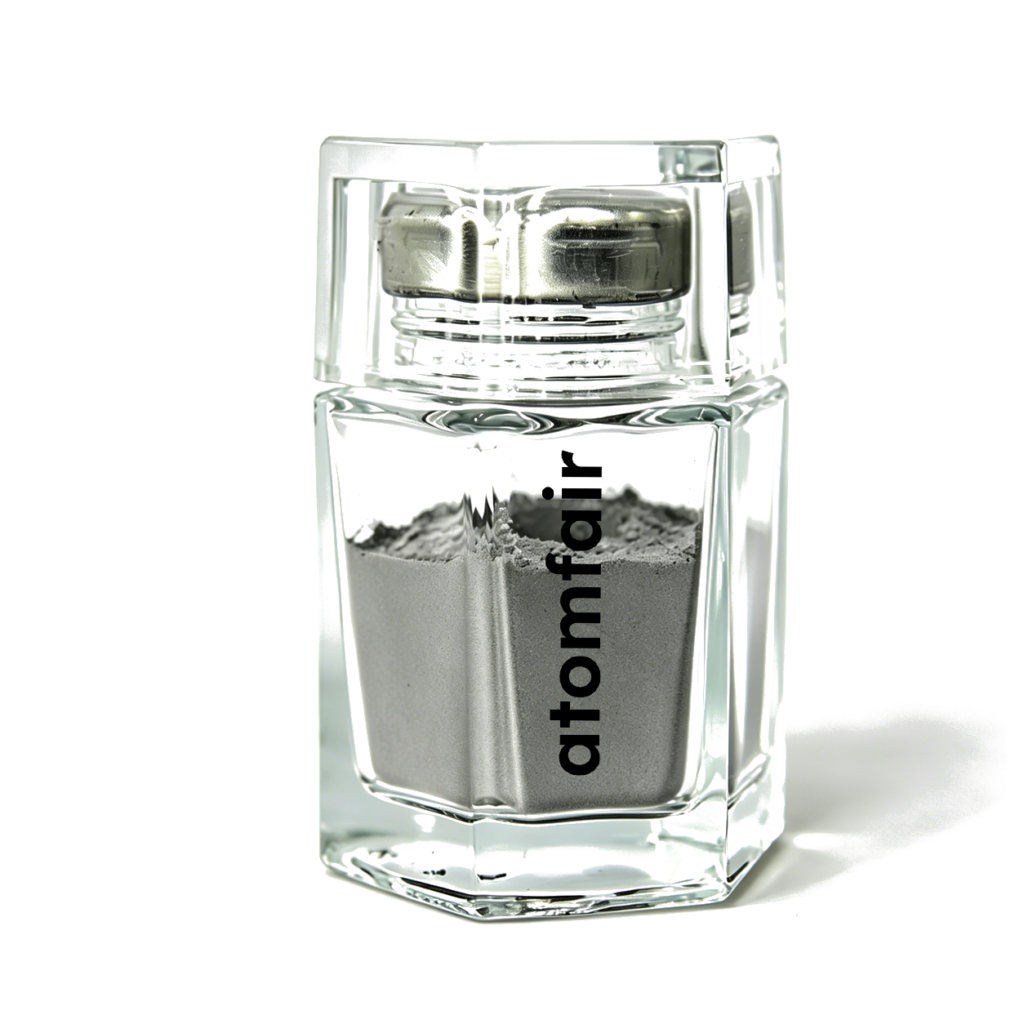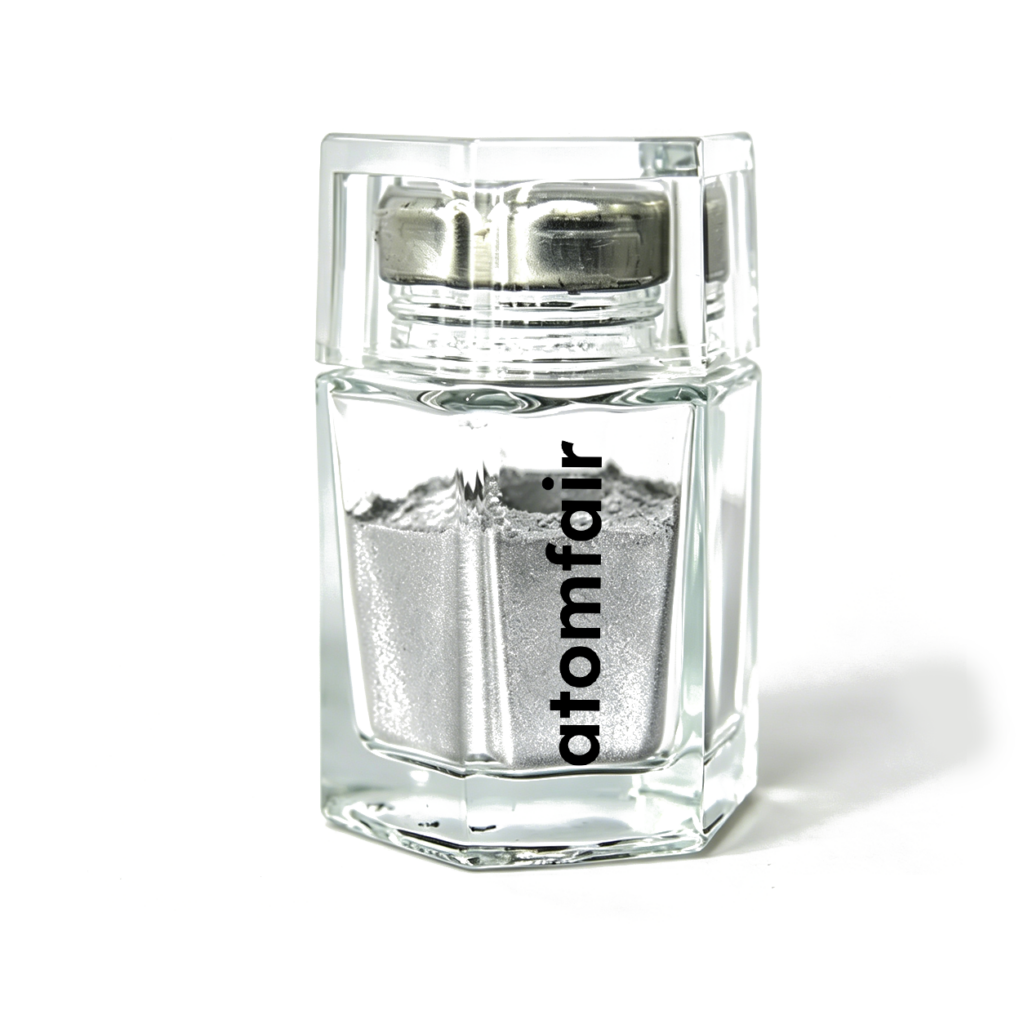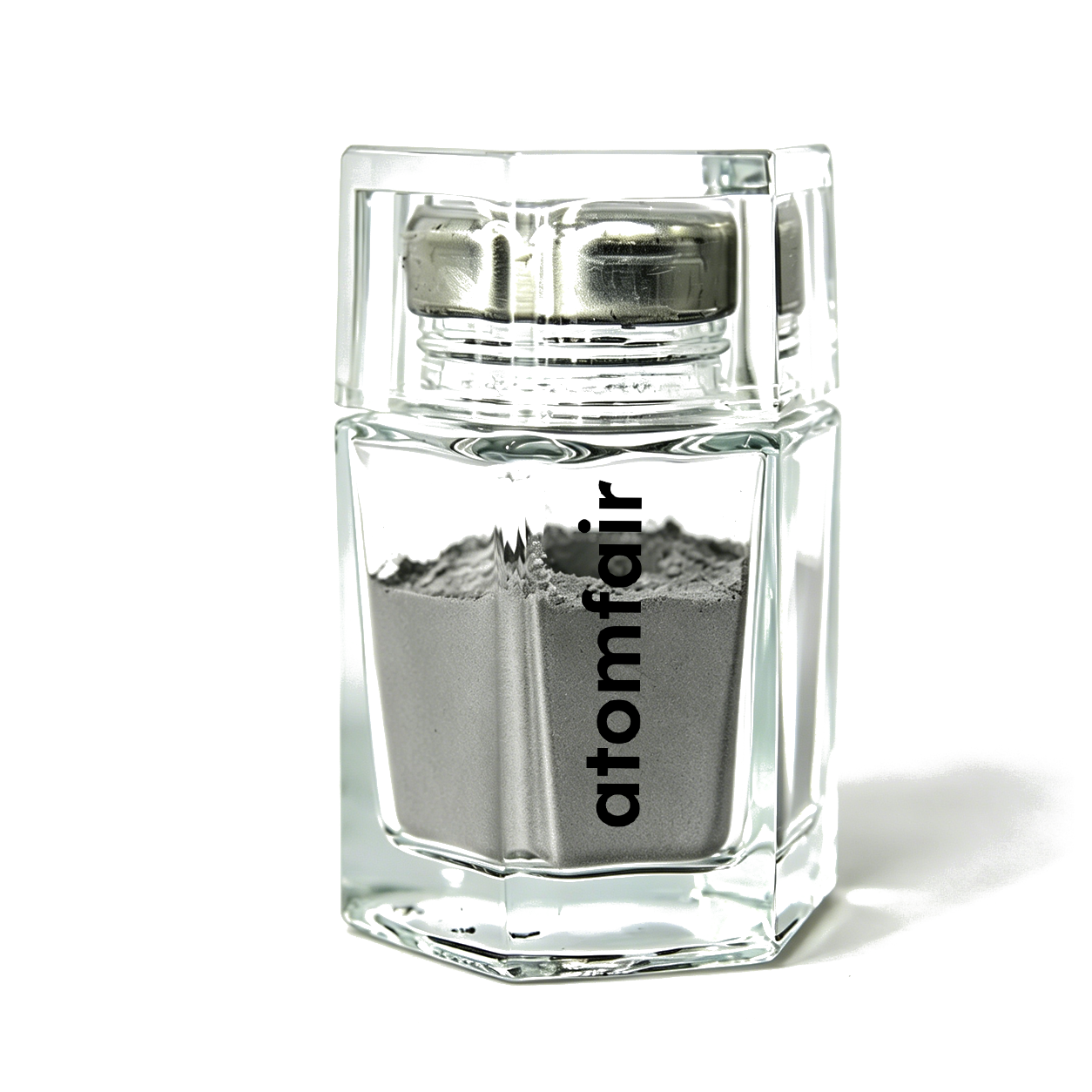
ATOMFAIR® TI6AL4V MIM FEEDSTOCKREADY-TO-MOLD INJECTION GRADE
|
||||||||||||||||||||||||||||||||||||||||||||||||||||||||||||||||||||||
|
||||||||||||||||||||||||||||||||||||||||||||||||||||||||||||||||||||||
|
TAILORED SOLUTIONS FOR RESEARCH
Contact our engineering team for technical support or official institutional quotations.
EMAIL: inquiry@atomfair.com
|
||||||||||||||||||||||||||||||||||||||||||||||||||||||||||||||||||||||
|
Manufacturer: Atomfair LLC
Brand: ATOMFAIR®
|
||||||||||||||||||||||||||||||||||||||||||||||||||||||||||||||||||||||
This feedstock requires strict atmospheric isolation because ambient exposure can cause phase contamination or degradation before thermal validation. Container integrity and inert-gas handling must be maintained from receipt through thermal validation.
- Atmospheric Exposure Sensitivity: Keep containers tightly sealed or handle the feedstock exclusively within an anhydrous inert gas environment to prevent phase contamination or degradation.
- Containment Requirement: Store the feedstock in sealed argon-filled protective bottles or specialized vacuum containment drums until use.
- Thermal Validation Constraint: Maintain atmospheric isolation before thermal validation to avoid phase contamination or degradation.
This procedure describes atmospheric-isolation handling for the ready-to-mold Ti6Al4V feedstock. Follow each step to prevent phase contamination or degradation before thermal validation.
Required Equipment: Anhydrous inert gas environment
- Inspect Container Seal
Inspect the incoming container to confirm the argon-filled or vacuum seal is intact before opening. - Transfer Under Inert Gas
Transfer the feedstock only inside an anhydrous inert gas environment to prevent phase contamination or degradation. - Reseal After Sampling
Reseal the container in the protective argon or vacuum containment immediately after removing the required amount of feedstock.
What mechanical performance can be expected after sintering and heat treatment of ATOMFAIR Ti6Al4V MIM feedstock?
The sintered and heat-treated material achieves an ultimate tensile strength of 953 MPa, 0.2% yield strength of 856 MPa, elongation at break of 11.5%, and reduction of area of 20.0%. These are typical measured batch values, with a sintered density baseline of 4.38 g/cm³.
What applications is this Ti6Al4V MIM feedstock optimized for?
This feedstock is optimized for complex decorative rings, pivot components, cases, bodies, and structural parts for wearable watches, as well as structural components for earphones and other consumer electronics architectures. It is designed to deliver structural consistency and mechanical reliability in high-temperature component validation.
How should this Ti6Al4V MIM feedstock be stored and handled to prevent contamination?
The product is highly sensitive to ambient exposure; containers must be kept tightly sealed or handled exclusively within an anhydrous inert gas environment to prevent phase contamination or degradation before thermal validation. Packaging consists of sealed argon-filled protective bottles or specialized vacuum containment drums.
This Ti6Al4V MIM feedstock offers a balanced combination of high sintered mechanical strength (UTS 953 MPa, yield 856 MPa) and homogeneous elemental distribution, with a high melt flow index (1000-1500 g/10min) suitable for fine-feature injection molding. However, its high sensitivity to ambient exposure demands strict inert-gas handling and sealed packaging to prevent oxygen/nitrogen contamination before sintering.
Positive
- High sintered mechanical strength: Achieves ultimate tensile strength of 953 MPa and 0.2% yield strength of 856 MPa after sintering and heat treatment, providing robust structural performance for demanding components.
- Optimized sintering behavior: Engineered for lower required operating temperatures and ideal grain boundary integration, which improves densification and microstructural consistency during cell fabrication.
Trade-offs
- Sensitive to ambient exposure: Must be kept in sealed argon-filled containers or vacuum drums and handled exclusively in an anhydrous inert gas environment to prevent phase contamination or degradation before thermal processing.
- Requires controlled processing environment: The high reactivity of the titanium alloy necessitates strict atmospheric control during handling and molding, adding infrastructure requirements for laboratories without inert gas capabilities.
Every advanced material, component, equipment, and instrument in our catalog is backed by rigorous testing. We maintain strict internal quality management frameworks and align with CE conformity metrics to deliver transparent, reproducible performance data via our public open-science repository.
To request raw batch performance data, submit formal vendor registration paperwork, or execute a fast-turnaround R&D manufacturing loop, contact us at inquiry@atomfair.com.
Item is dispatched under the Atomfair Shipping & Delivery Framework (Free worldwide shipping on orders over $59 USD excl. heavy equipment). Return is governed by the Atomfair Return & Refund Policy (7-day technical return window).