|
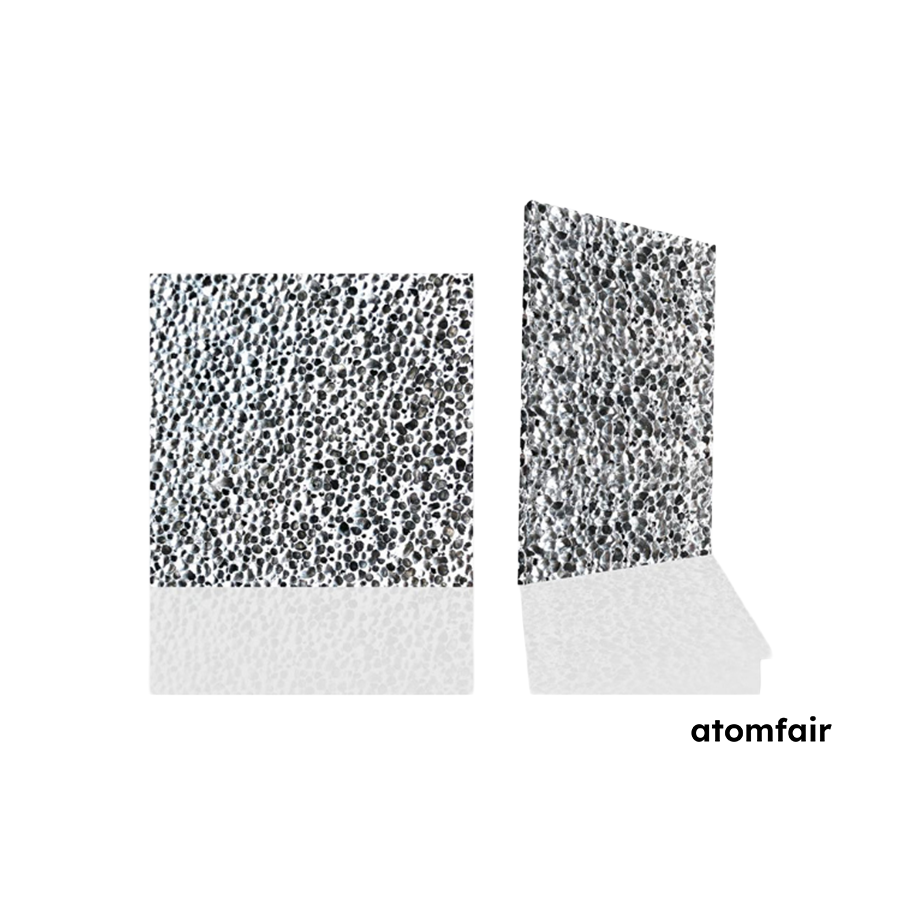
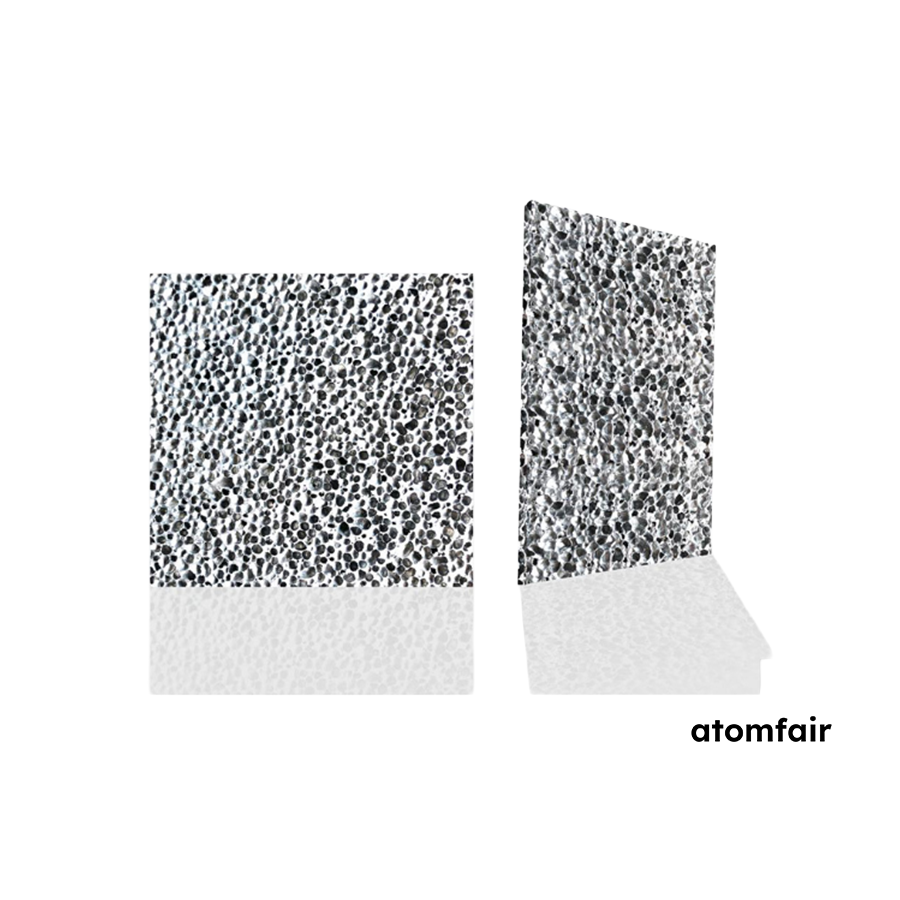
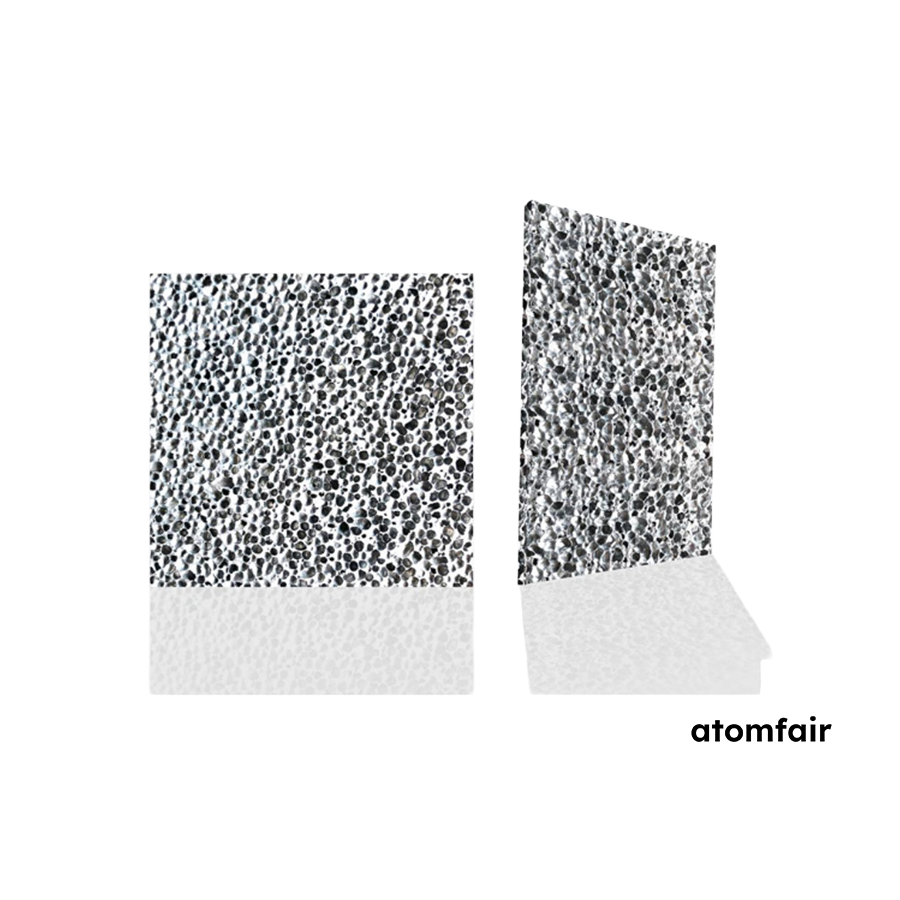
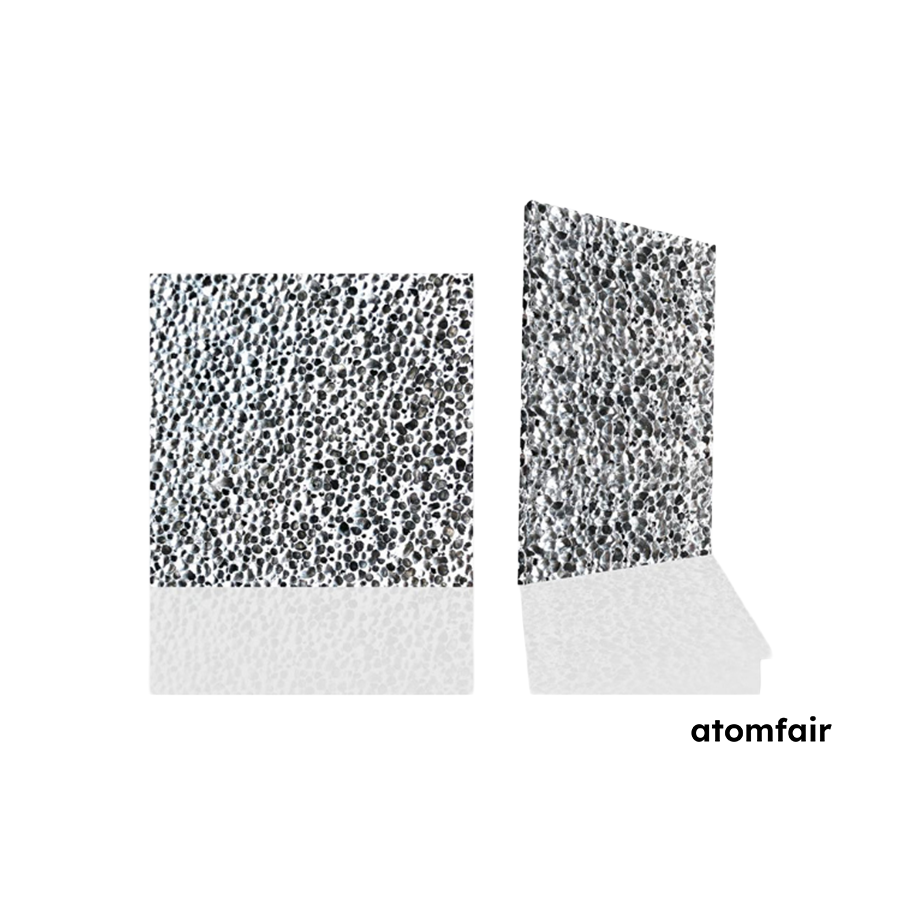
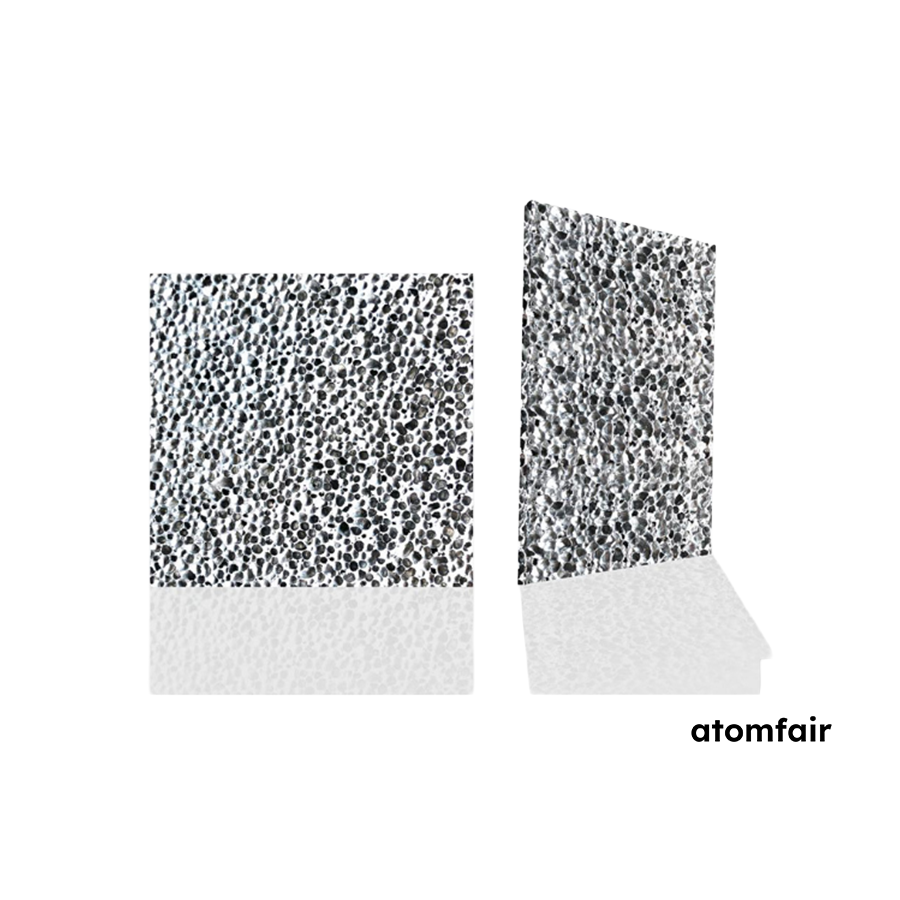
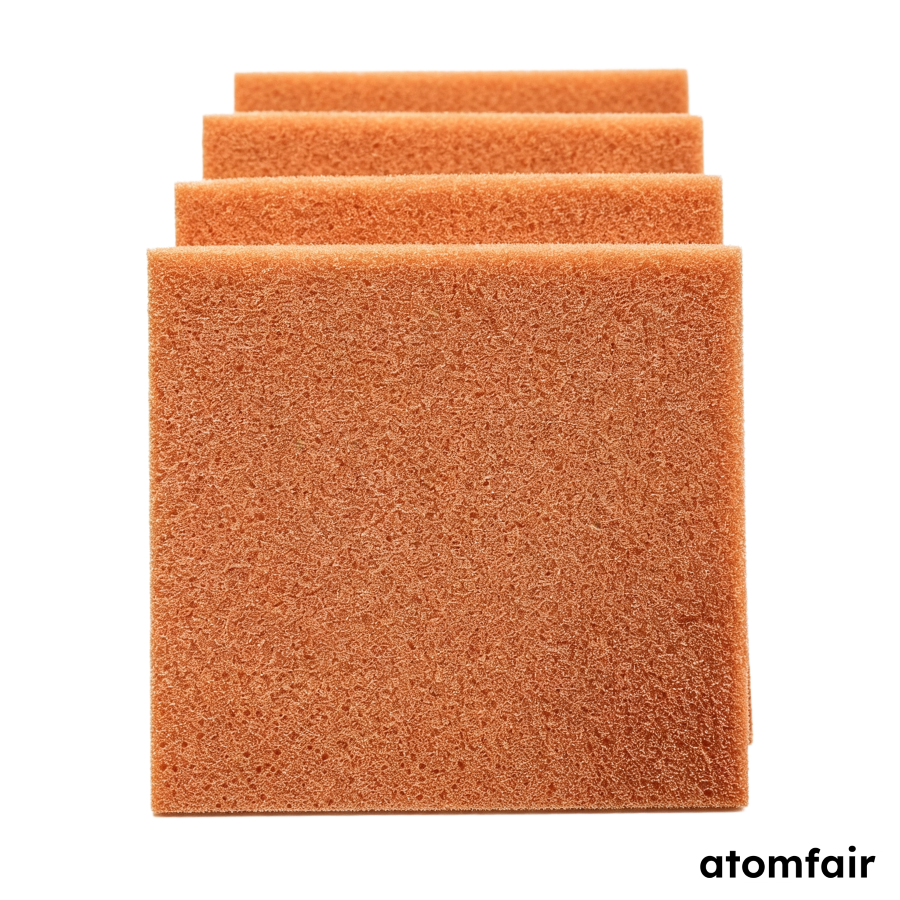
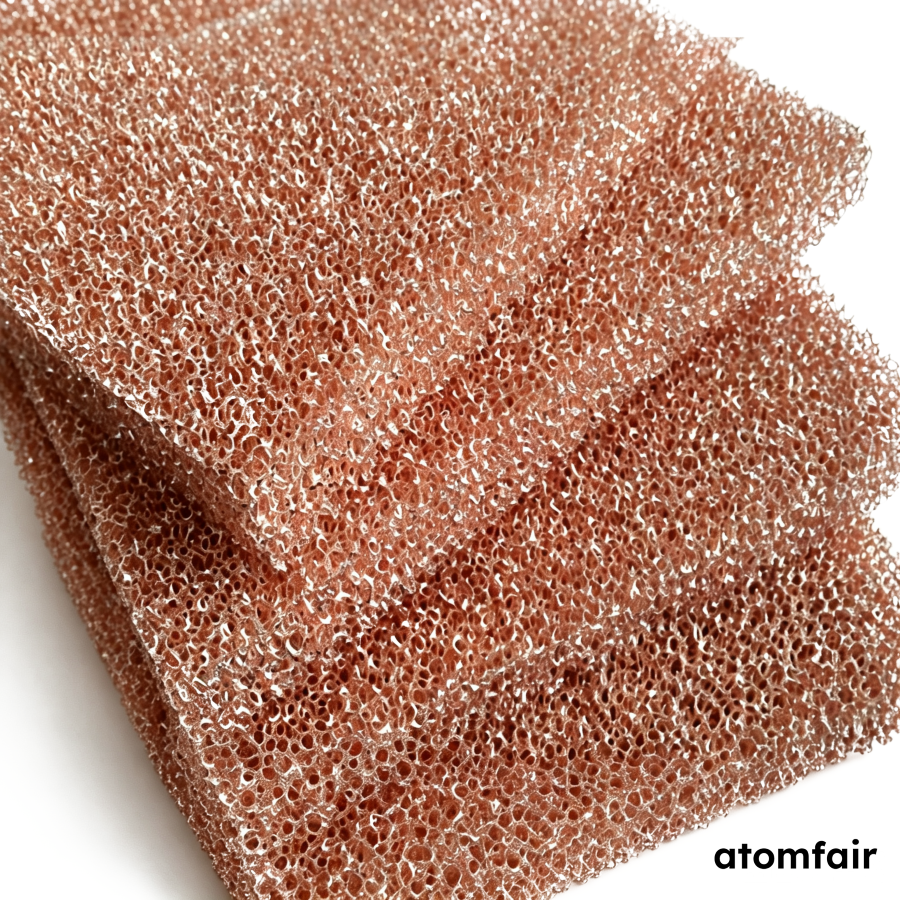
Laboratory Open-Cell Copper Foam, 40 PPI, 100 × 200 × 10 mm, 1/5 pcs
Research-grade laboratory product
|
|||||||||||||||||||||||||||||||||||||||
|
|||||||||||||||||||||||||||||||||||||||
|
LABORATORY PROCUREMENT SUPPORT
For PPI selection, sheet-dimension confirmation, package support or application-specific configuration review, contact our technical sales team.
E-MAIL: inquiry@atomfair.com
|
|||||||||||||||||||||||||||||||||||||||
|
Manufacturer: Atomfair LLC
Brand: ATOMFAIR®
|
The copper foam sheet must be stored in a clean, dry environment to prevent contamination and oxidation. The open-cell structure is susceptible to mechanical damage from heavy impact, crushing, and surface contamination, requiring careful handling and inspection before any processing or installation.
- Environmental Storage: Store the sheet in a clean, dry area to avoid moisture absorption and contamination that could compromise the open-cell network.
- Mechanical Protection: Protect the open cellular surface from heavy impact, crushing, and any physical deformation that could collapse the pore structure.
- Pre-Processing Inspection: Inspect the package condition, sheet dimensions, and visible pore structure before cutting, bonding, or installing the material.
Proper handling and inspection of the copper foam sheet ensures the integrity of the open-cell structure before integration. The following steps outline the recommended procedure upon receipt and prior to processing.
- Inspect Upon Delivery
Inspect the package condition, sheet dimensions, and visible pore structure immediately after delivery. - Store in Clean Area
Store the copper foam sheet in a clean, dry area to prevent contamination and moisture exposure. - Protect from Damage
Protect the open cellular surface from heavy impact, crushing, and any physical deformation during handling and storage.
What is the significance of the ≥98% through-pore rate in the 40 PPI copper foam for electrode applications?
The ≥98% through-pore rate ensures that virtually all pores are interconnected and open to the surface, maximizing internal surface area exposure. This is critical for electrode frameworks and catalyst supports where high surface contact with electrolytes or reactants is required. The source states that the through-pore rate is at least 98% and lists electrode frameworks and catalyst supports as typical applications.
Can this 40 PPI copper foam be used as a current collector for nickel-zinc batteries?
Yes, the 40 PPI open-cell copper foam is suitable for nickel-zinc battery electrode structures. The source explicitly lists 'nickel-zinc battery… electrode structures' under application scope. The copper framework provides electrical conduction and the open-cell structure supports electrolyte penetration and active material loading.
What storage and handling precautions are required for the 10 mm thick copper foam sheet?
The sheets should be stored in a clean, dry area and protected from heavy impact, crushing, and contamination. Before cutting, bonding, or installing, inspect the package condition, sheet dimensions, and visible pore structure. These precautions are specified in the product's handling and inspection section.
This 40 PPI open-cell copper foam sheet (100×200×10 mm) provides a high-porosity (50-80%) interconnected copper network with ≥98% through-pore rate, suitable for electrode frameworks, catalyst supports, and thermal management applications. The low bulk density (0.1-0.8 g/cm³) and open-cell structure require careful handling to avoid mechanical damage.
Positive
- Precisely defined cellular geometry: 40 PPI with ~0.64 mm nominal pore pitch provides a well-characterized open-cell structure for reproducible laboratory integration into electrode, catalyst, or thermal management assemblies.
- High internal surface exposure: Porosity of 50-80% and ≥98% through-pore rate ensure a continuous open network that maximizes surface area for electrochemical, catalytic, and filtration evaluations.
Trade-offs
- Mechanical fragility of open structure: Low bulk density (0.1-0.8 g/cm³) and delicate cellular walls require protection from heavy impact, crushing, and deformation during handling, cutting, or installation.
- Storage and contamination sensitivity: Must be stored in a clean, dry area and protected from surface contamination; any debris or moisture trapped in the pores can compromise performance in subsequent laboratory use.
Every advanced material, component, equipment, and instrument in our catalog is backed by rigorous testing. We maintain strict internal quality management frameworks and align with CE conformity metrics to deliver transparent, reproducible performance data via our public open-science repository.
To request raw batch performance data, submit formal vendor registration paperwork, or execute a fast-turnaround R&D manufacturing loop, contact us at inquiry@atomfair.com.
Item is dispatched under the Atomfair Shipping & Delivery Framework (Free worldwide shipping on orders over $59 USD excl. heavy equipment). Return is governed by the Atomfair Return & Refund Policy (7-day technical return window).