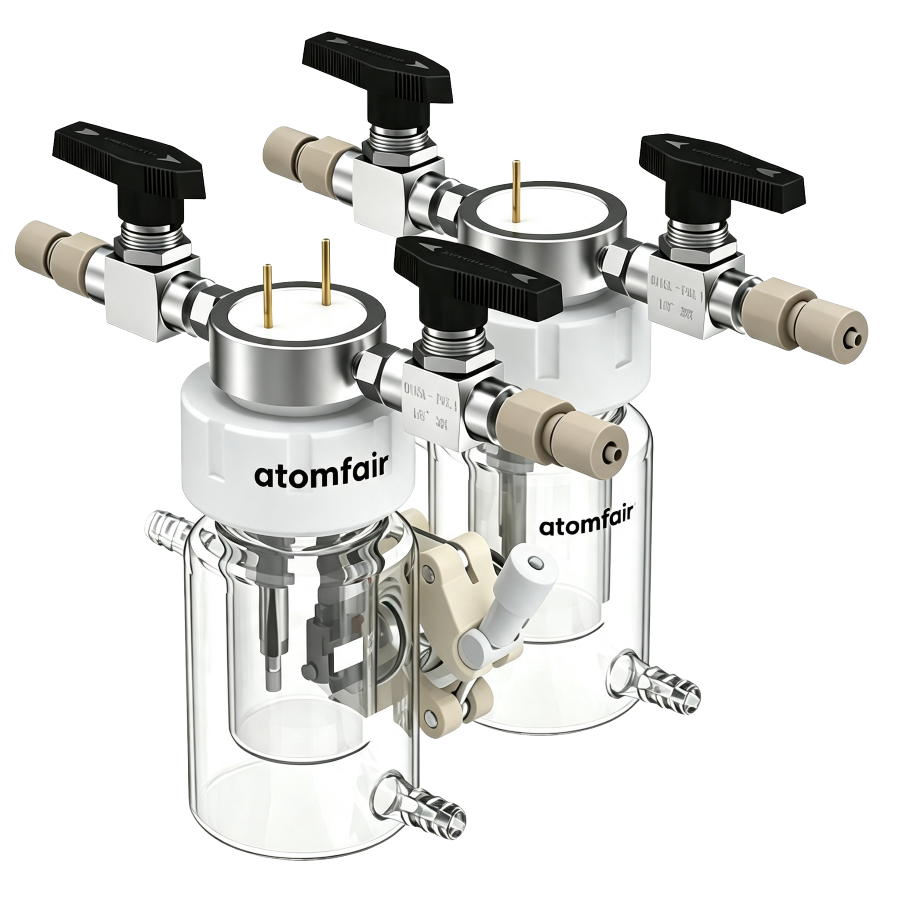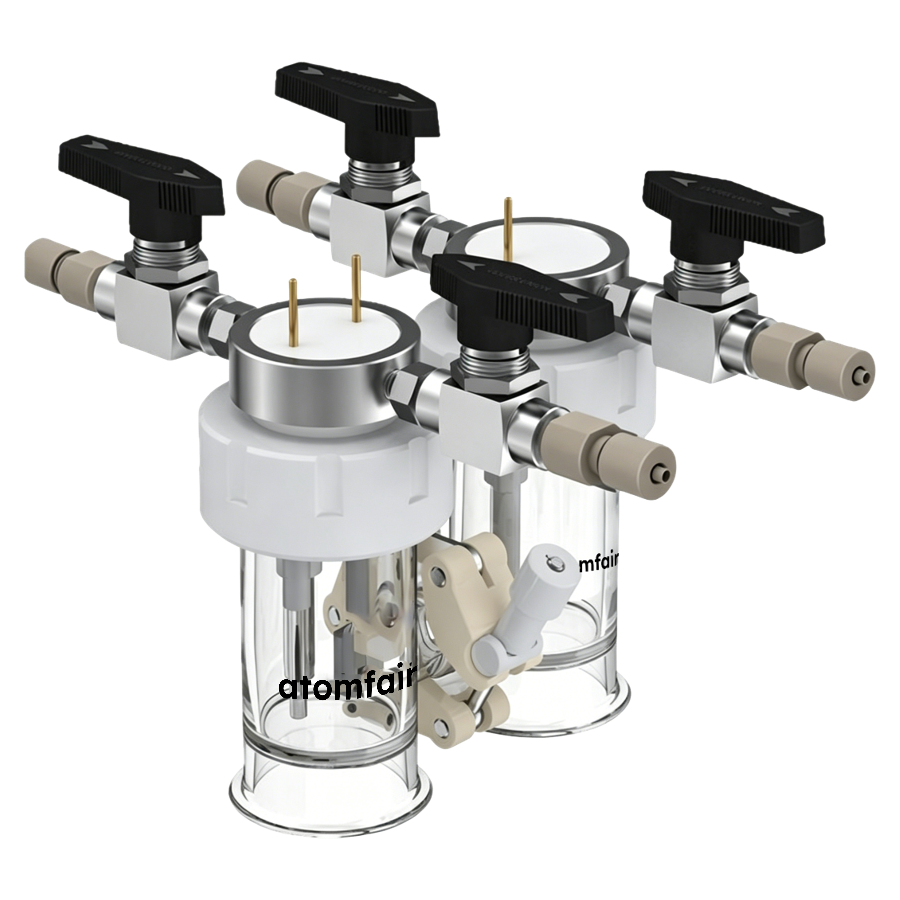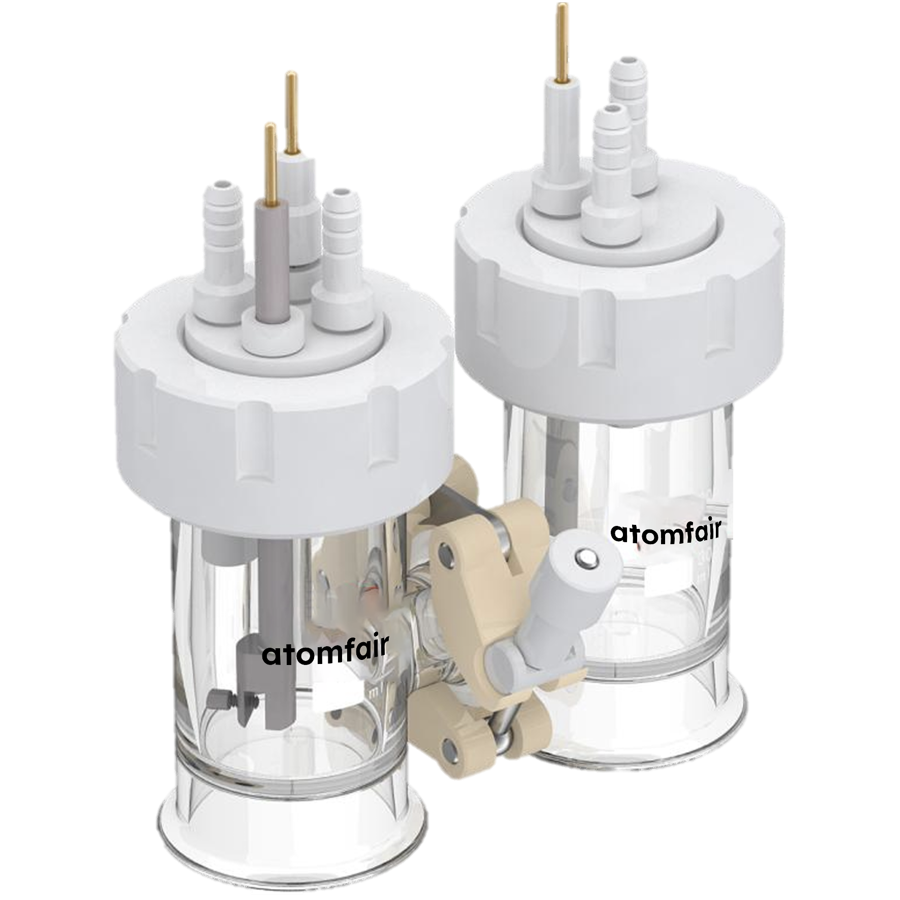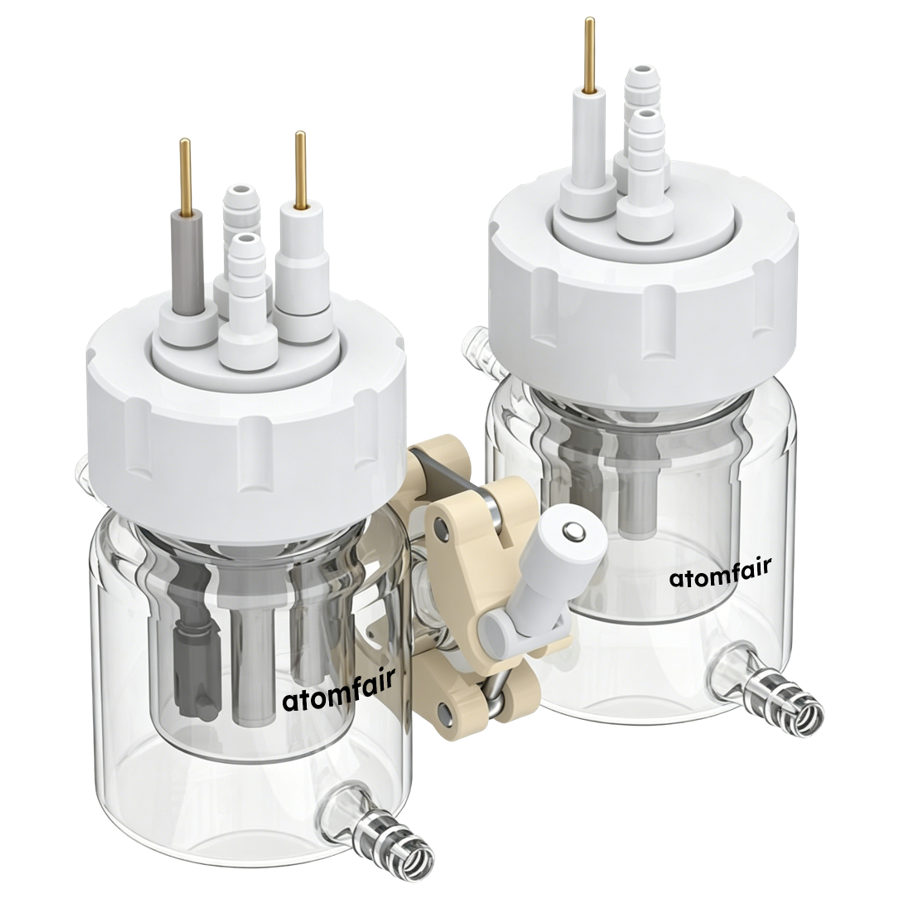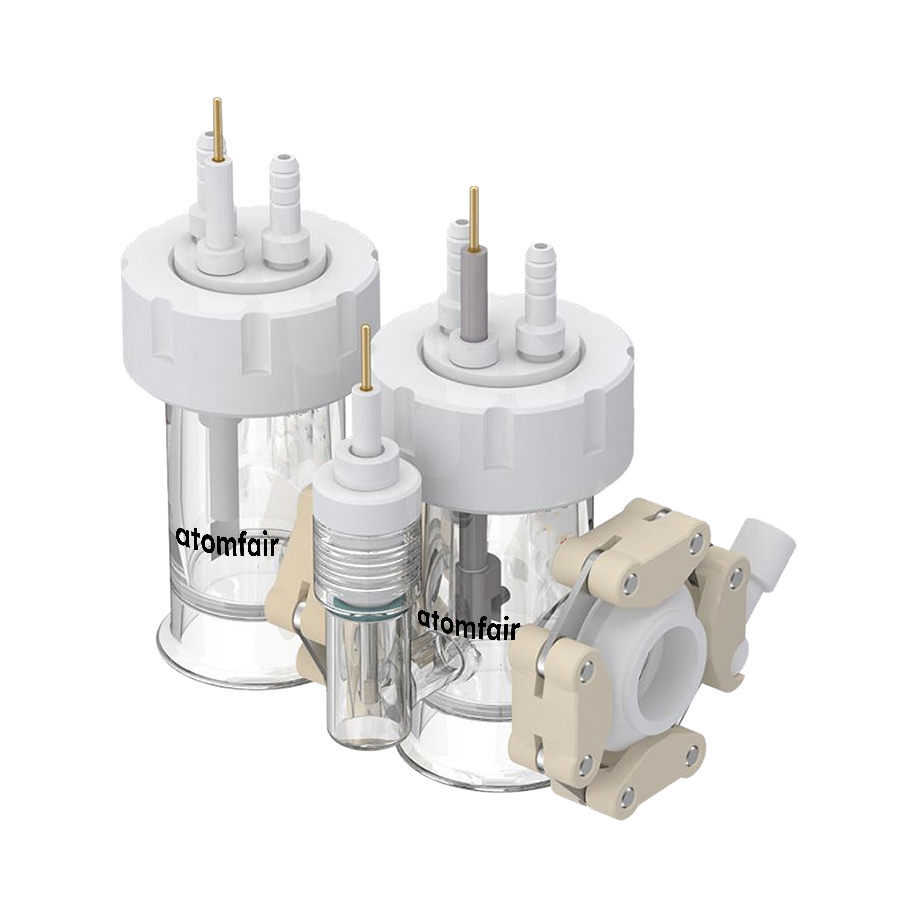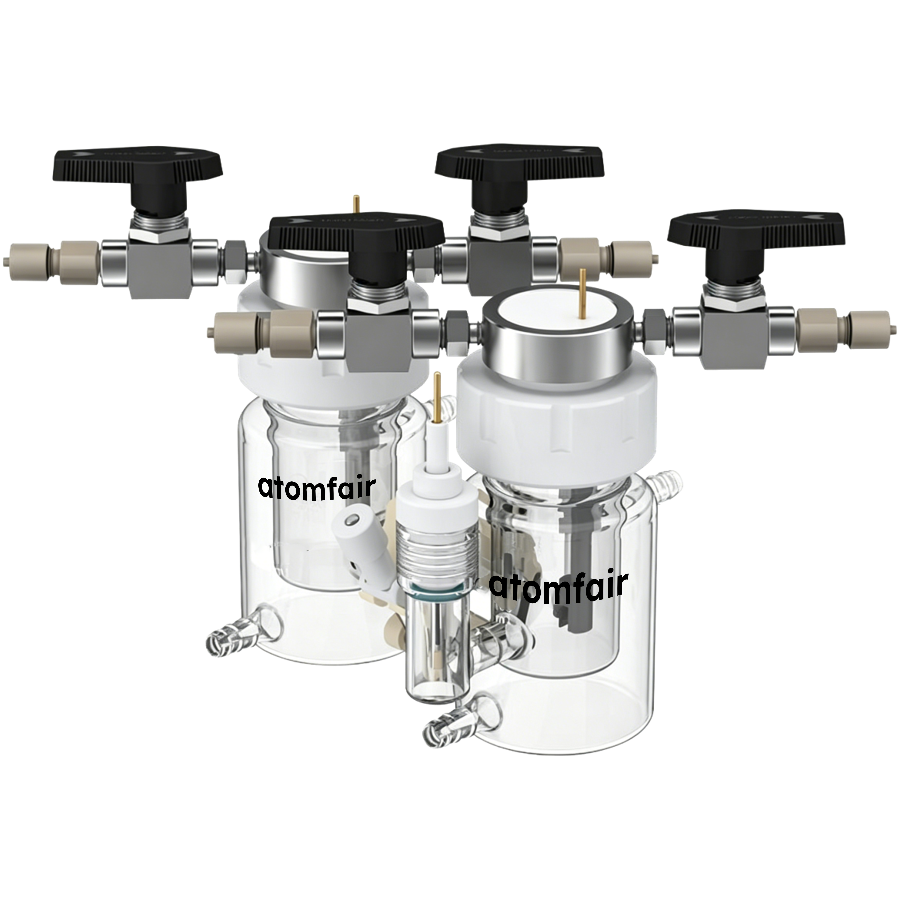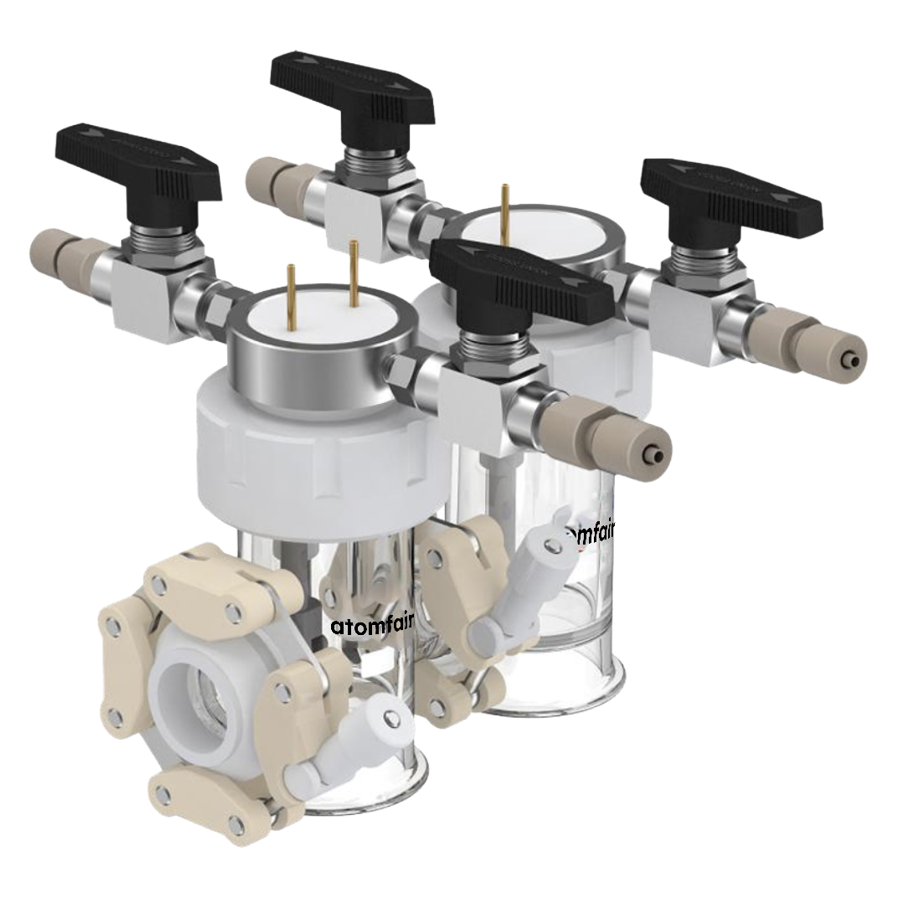
Single-Window H-Type Replaceable-Membrane Photoelectrochemical Cell, Absolute Sealed, Single-Layer | ATOMFAIRProduct Type: Electrochemical cell
Research-grade laboratory product
|
|||||||||||||||||||||||||||||||||||
|
|||||||||||||||||||||||||||||||||||
|
LABORATORY PROCUREMENT SUPPORT
For model selection, accessory matching, platform compatibility or configuration confirmation, contact our technical sales team.
E-MAIL: inquiry@atomfair.com
|
|||||||||||||||||||||||||||||||||||
|
Manufacturer: Atomfair LLC
Brand: ATOMFAIR®
|
Manufacturer: Atomfair LLC
Brand: ATOMFAIR®
This cell operates under strict pressure limits of -100 kPa to 0.5 MPa and requires absolute sealing for anaerobic experiments. Thermal shock must be avoided, and the quartz window must be handled with care to prevent scratches.
- Pressure and Vacuum Limits: Do not exceed 0.5 MPa positive pressure or -100 kPa vacuum during operation.
- Sealing Integrity: Inspect all seals and O-rings before each assembly to ensure gas-tight integrity.
- Membrane Compatibility: Verify that the ion-exchange membrane is chemically compatible with the intended electrolyte and gases before use.
- Thermal Management: Avoid rapid temperature changes that could cause thermal shock to the borosilicate glass or quartz window.
- Electrode Matching: Use only custom-matched electrode sets designed for this cell model to ensure proper sealing and electrical contact.
This procedure covers the assembly, sealing, and pressurization steps required for safe operation of the H-type cell. Follow each step in order to maintain absolute sealing and prevent damage to components.
Required Equipment: Vacuum/pressure valve assembly, Ion-exchange membrane, Custom-matched electrode set, Gas supply (e.g., CO₂, N₂)
- Inspect Seals
Inspect all O-rings and sealing surfaces on the cell body, lid, and window assembly for damage or debris. - Install Membrane
Place the ion-exchange membrane between the cathode and anode chambers using the chain-sealed connections and tighten securely. - Mount Electrodes
Insert the custom-matched electrode set into the built-in jacks on the lid and ensure full engagement for absolute sealing. - Connect Valves
Attach the vacuum/pressure valve assembly to the cell ports and confirm all connections are gas-tight. - Purge Cell
Purge the cell with inert gas using the sub-surface sparger to remove oxygen and moisture before introducing reactive gases. - Apply Pressure or Vacuum
Gradually apply vacuum or pressure within the rated limits of -100 kPa to 0.5 MPa while monitoring for leaks. - Verify Window Condition
Confirm the quartz window is clean and free of scratches before initiating photoelectrochemical measurements.
How does the co-location of working and reference electrodes in this H-type photoelectrochemical cell reduce uncompensated resistance (iR drop) and improve measurement accuracy?
The cell positions the working electrode and reference electrode in the same compartment, which minimizes the distance between them and effectively reduces uncompensated resistance (iR drop). This configuration improves potential control accuracy in three-electrode photoelectrochemical measurements, as stated in the product description.
What specific gas sparger configurations and electrode compatibility are required for CO2 reduction and nitrogen reduction experiments with this cell?
The cell includes a sub-surface sparger: a straight type for CO₂ reduction and an L-type for nitrogen reduction. Electrodes must be custom-ordered as matched sets specifically for this cell model, and the ion-exchange membrane is not included. The important notice confirms these require separate procurement, and the spar geometry is stated in the product overview.
What are the maximum safe operating pressure and vacuum limits for the Absolute Sealed photoelectrochemical cell, and what precautions must be taken?
The cell supports vacuum below -100 kPa and mild pressurization up to 0.5 MPa. Critical precautions include ensuring proper sealing before vacuum or pressure operation, not exceeding 0.5 MPa, avoiding thermal shock, inspecting seals before assembly, and handling the quartz window with care to avoid scratches. These limits and warnings are explicitly stated in the technical specifications and important notice.
The ATOMFAIR single-layer H-type cell provides high optical transparency and absolute sealing for anaerobic photoelectrochemistry, with volume flexibility, but demands custom-matched electrodes and careful adherence to pressure and handling limits.
Positive
- High-transparency quartz window: Quartz window with ≥95% light transmittance enables superior optical access for photoelectrochemical and spectroscopic measurements, critical for light-sensitive reactions.
- Multiple volume options 30-250 mL: Available in six capacities from 30 to 250 mL, with custom sizes on request, allowing flexible experimental scale without redesigning the cell setup.
Trade-offs
- Custom electrode matching required: Electrodes are not standard and must be custom-ordered as matched sets with this cell model, increasing procurement complexity and lead time.
- Vacuum/pressure operation constraints: Supports vacuum below -100 kPa and mild pressurization up to 0.5 MPa, but requires careful sealing, avoidance of thermal shock, and separate purchase of valves and ion-exchange membrane.
Every advanced material, component, equipment, and instrument in our catalog is backed by rigorous testing. We maintain strict internal quality management frameworks and align with CE conformity metrics to deliver transparent, reproducible performance data via our public open-science repository.
To request raw batch performance data, submit formal vendor registration paperwork, or execute a fast-turnaround R&D manufacturing loop, contact us at inquiry@atomfair.com.
Item is dispatched under the Atomfair Shipping & Delivery Framework (Free worldwide shipping on orders over $59 USD excl. heavy equipment). Return is governed by the Atomfair Return & Refund Policy (7-day technical return window).