Primary Gas Diffusion Electrolysis CellProduct Type: Gas diffusion electrolysis cell
Research-grade laboratory product
|
|||||||||||||||||||||||||||
|
|||||||||||||||||||||||||||
|
LABORATORY PROCUREMENT SUPPORT
For model selection, technical compatibility or configuration confirmation, contact our technical sales team.
E-MAIL: inquiry@atomfair.com
|
|||||||||||||||||||||||||||
|
Manufacturer: Atomfair LLC LLC
Brand: ATOMFAIR®
|
How does the choice of PTFE versus PEEK housing material affect chemical compatibility and performance in the AF-GDE-PRI gas diffusion electrolysis cell?
Housing material selection directly impacts chemical resistance and thermal stability. PTFE offers broad chemical inertness and is suitable for highly corrosive electrolytes, while PEEK provides higher mechanical strength and temperature tolerance (up to ~260°C) but may degrade in concentrated acids or strong oxidizing agents. The AF-GDE-PRI primary gas diffusion FlowCell supports both PTFE and PEEK options as a buyer-facing selector, enabling the user to match housing material to specific electrolyte and thermal requirements.
What is the standard cathode-anode gap and channel size configuration for this gas diffusion electrolysis cell, and are custom dimensions supported?
The cell has a fixed cathode-anode gap of 20 mm and comes with common channel sizes of 10×10 mm and 20×20 mm, with customization supported. This fixed gap is critical for controlling mass transport and ohmic losses in gas diffusion electrode configurations; researchers should verify that the 20 mm spacing aligns with their membrane-electrode assembly (MEA) or zero-gap requirements before ordering. Custom channel sizes and dimensions for electrodes, windows, or flow fields can be specified with the manufacturer.
What is the flow arrangement in the AF-GDE-PRI cell and how does it influence gas-liquid contacting in electrochemical CO2 reduction or fuel cell experiments?
The flow arrangement is gas from top to bottom and liquid from bottom to top, forming a counter-current flow pattern. This configuration helps maintain a stable gas-liquid interface within the gas diffusion electrode, reducing flooding and improving faradaic efficiency in devices such as CO2 electrolyzers or fuel cells. The design is typical of primary gas diffusion FlowCells intended for research-grade electrolysis where separate gas and liquid paths are required.
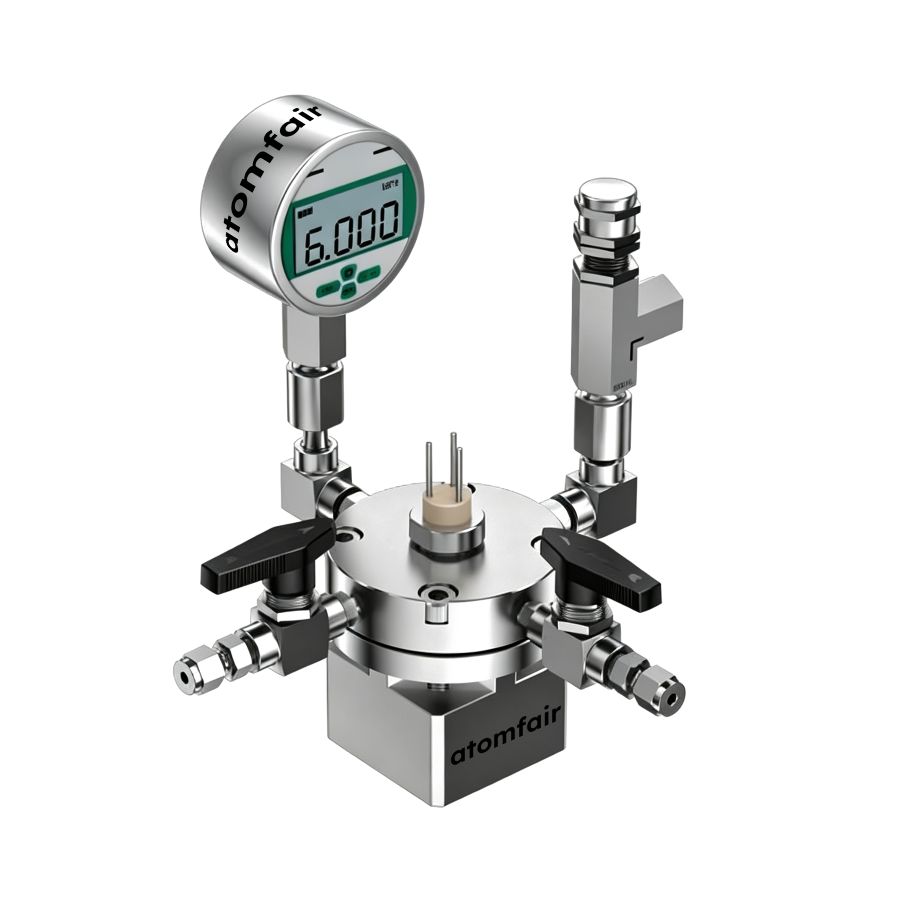
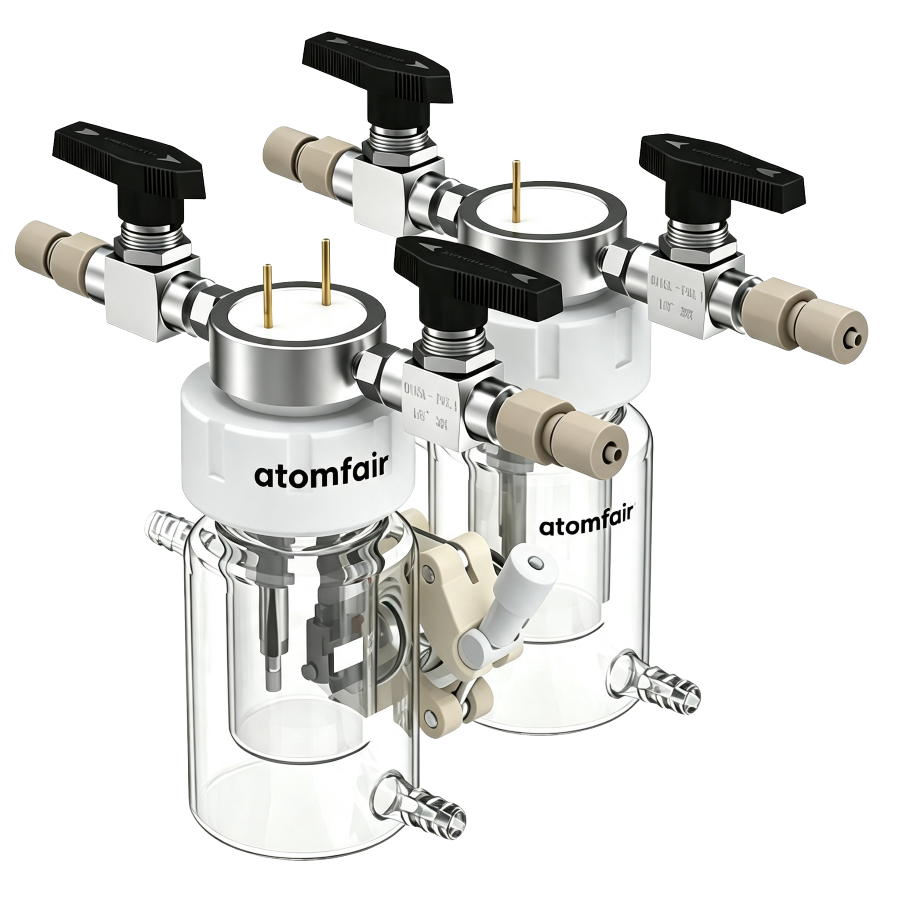
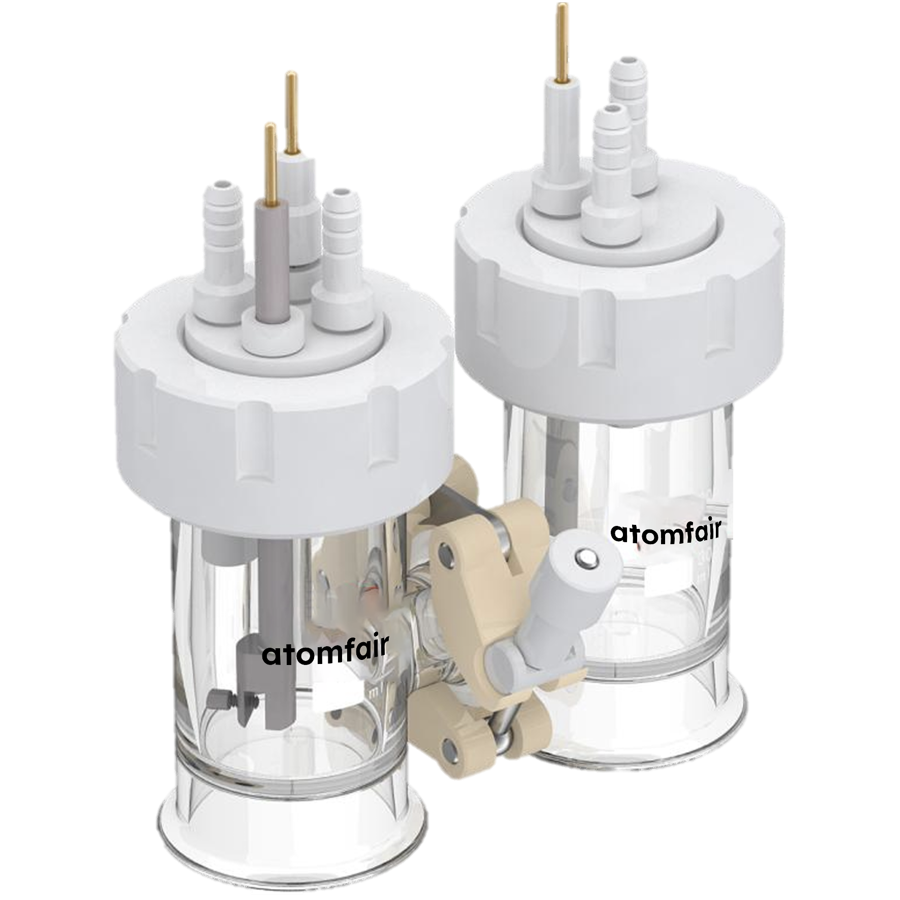
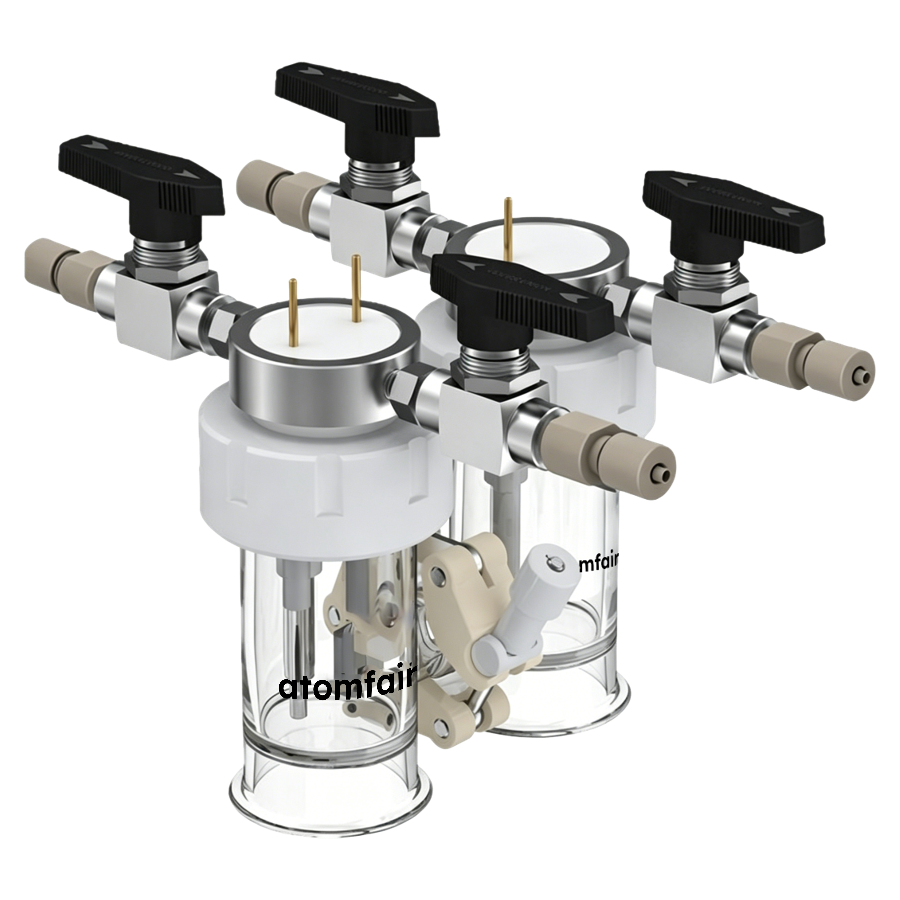
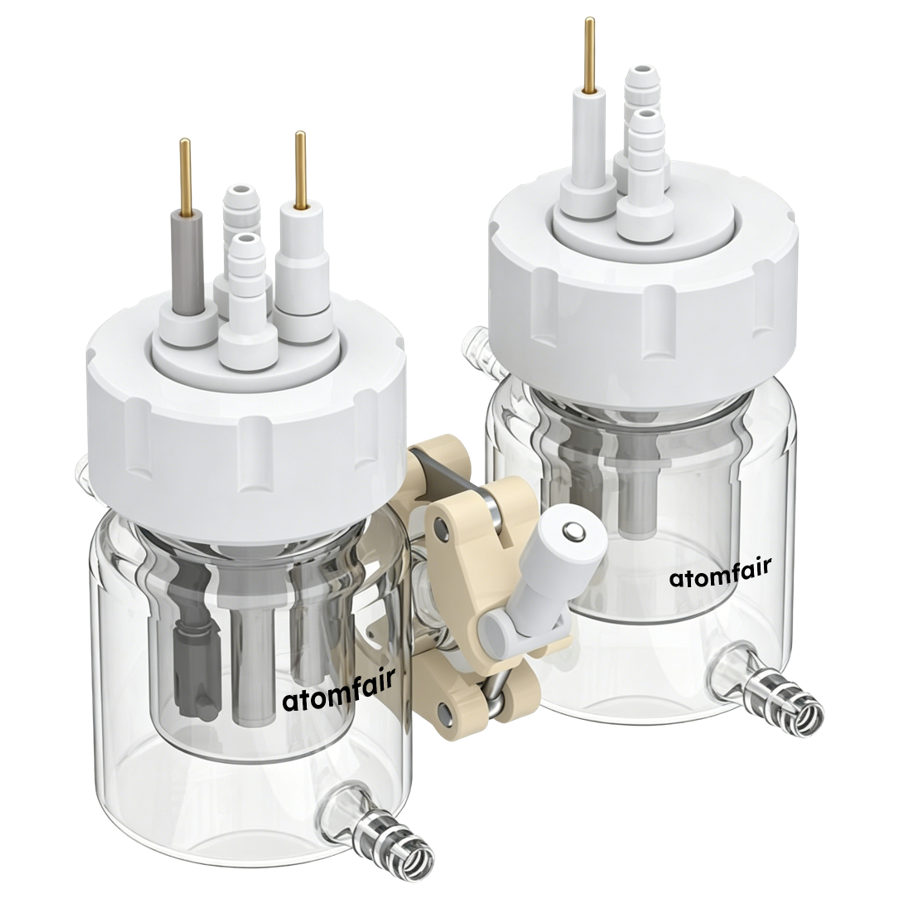
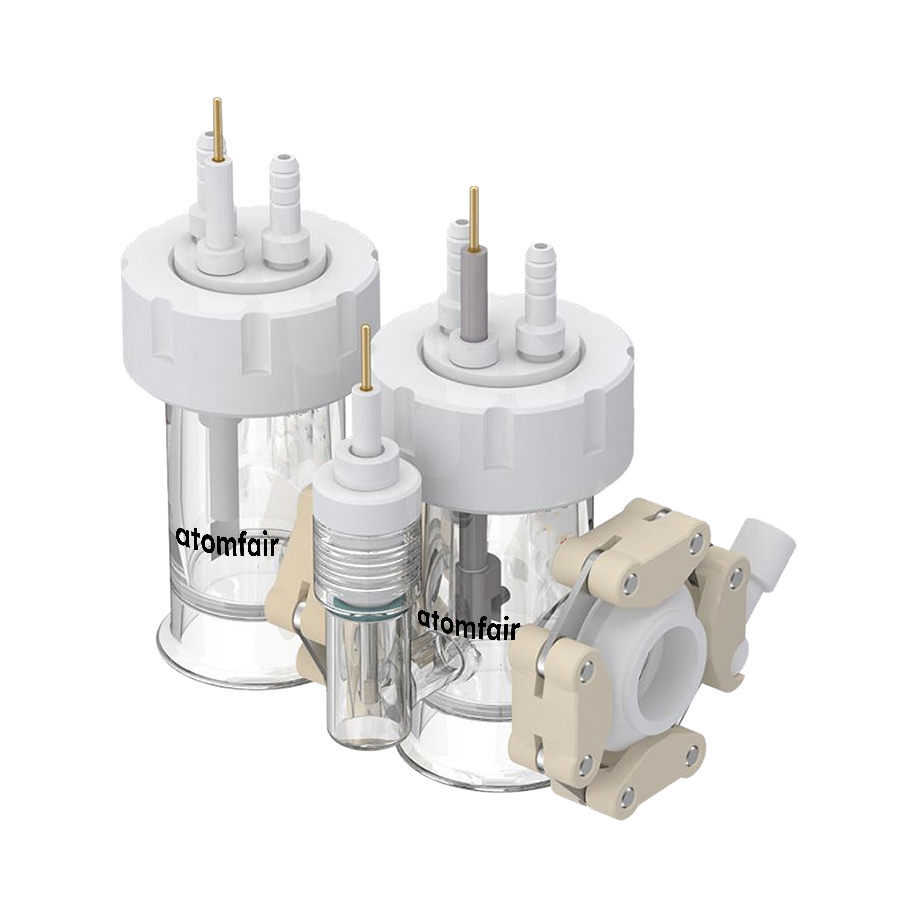
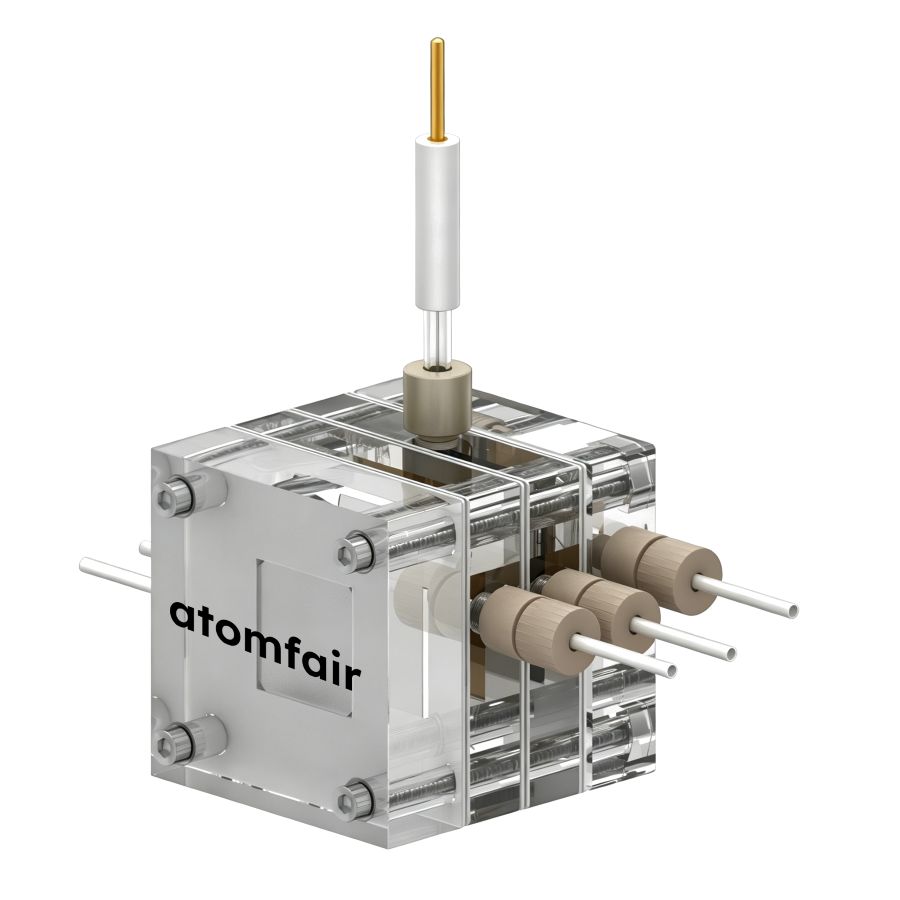
The Primary Gas Diffusion Electrolysis Cell (AF-GDE-PRI) is a research-grade gas diffusion FlowCell with customizable channel sizes and dual housing material options (PTFE/PEEK), designed for electrochemical studies requiring counter-flow gas-liquid contact.
Positive
- FlowCell layout with counter-flow: The cell uses a primary gas diffusion FlowCell design with gas flow from top to bottom and liquid flow from bottom to top, promoting efficient mass transport across the gas diffusion electrode.
- Customizable channel sizes and materials: Channel sizes of 10×10 mm and 20×20 mm are standard, with customization supported; housing material options (PTFE, PEEK) allow adaptation to different chemical environments.
Trade-offs
- Separate purchase of key components: Electrodes, membranes, windows, and gas diffusion electrodes are not included and must be separately sourced, increasing procurement complexity.
- Fixed cathode-anode gap: The 20 mm gap between cathode and anode is non-adjustable, which may limit optimization for specific electrode configurations or membrane thicknesses.
Every advanced material, component, equipment, and instrument in our catalog is backed by rigorous testing. We maintain strict internal quality management frameworks and align with CE conformity metrics to deliver transparent, reproducible performance data via our public open-science repository.
To request raw batch performance data, submit formal vendor registration paperwork, or execute a fast-turnaround R&D manufacturing loop, contact us at inquiry@atomfair.com.
Item is dispatched under the Atomfair Shipping & Delivery Framework (Free worldwide shipping on orders over $59 USD excl. heavy equipment). Return is governed by the Atomfair Return & Refund Policy (7-day technical return window).