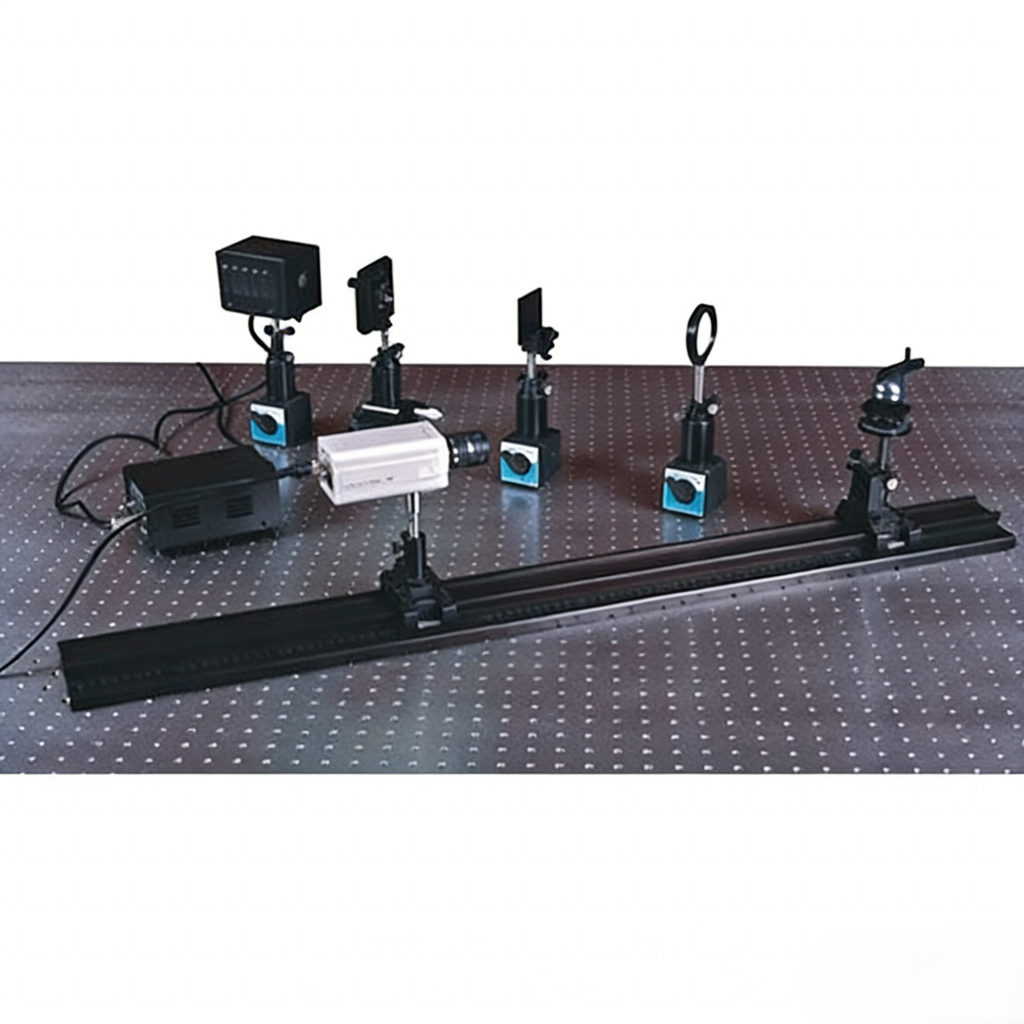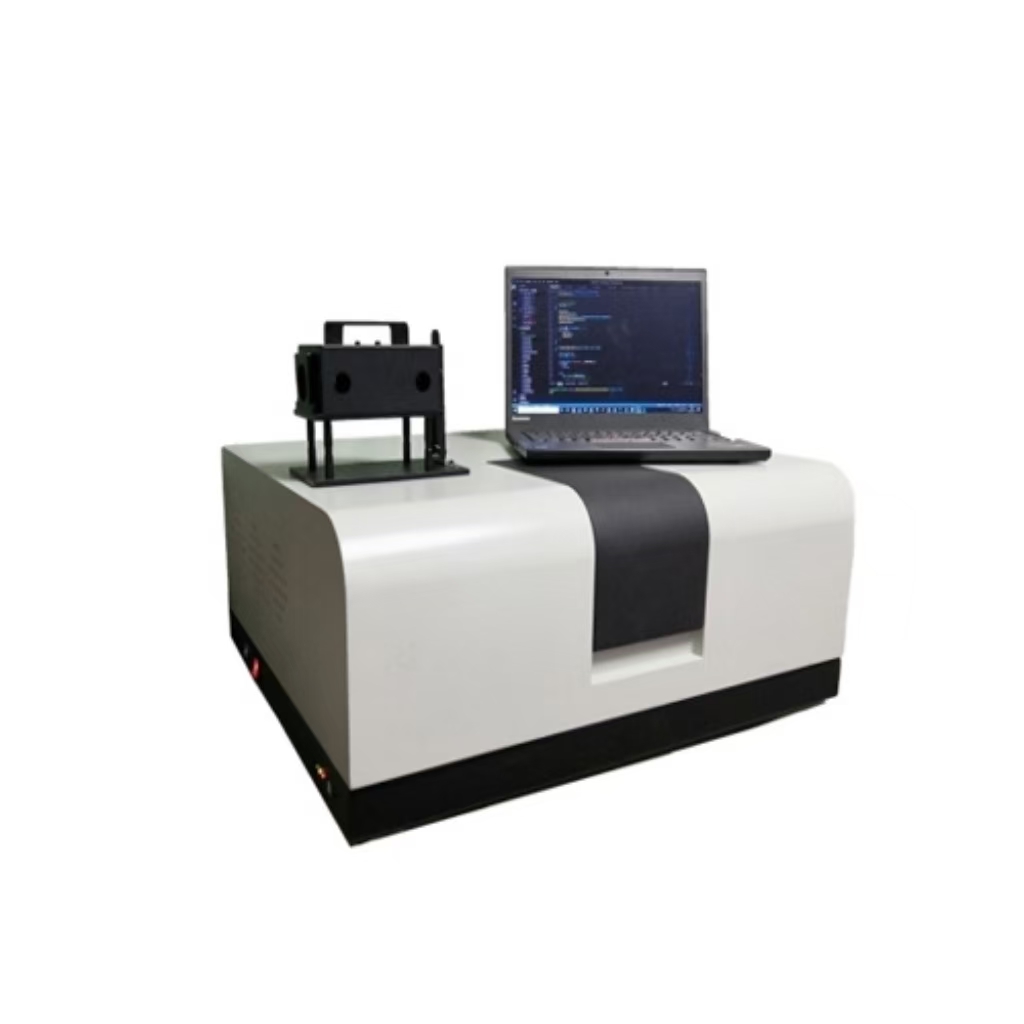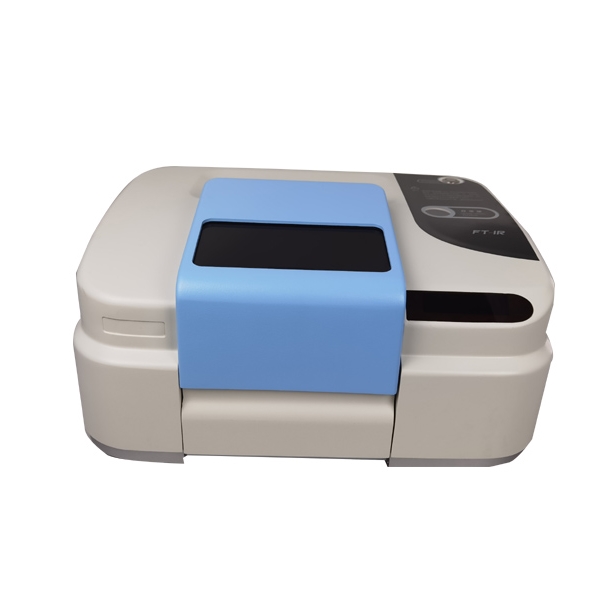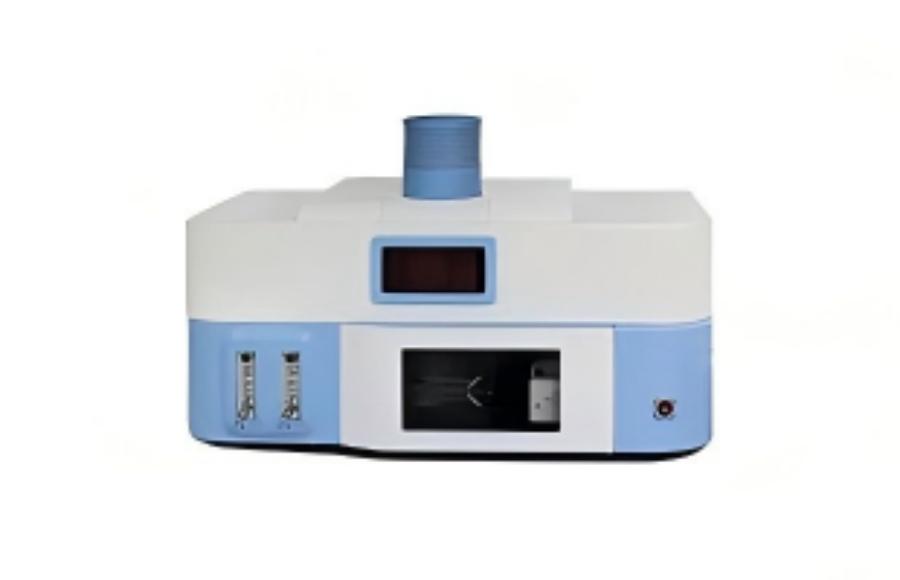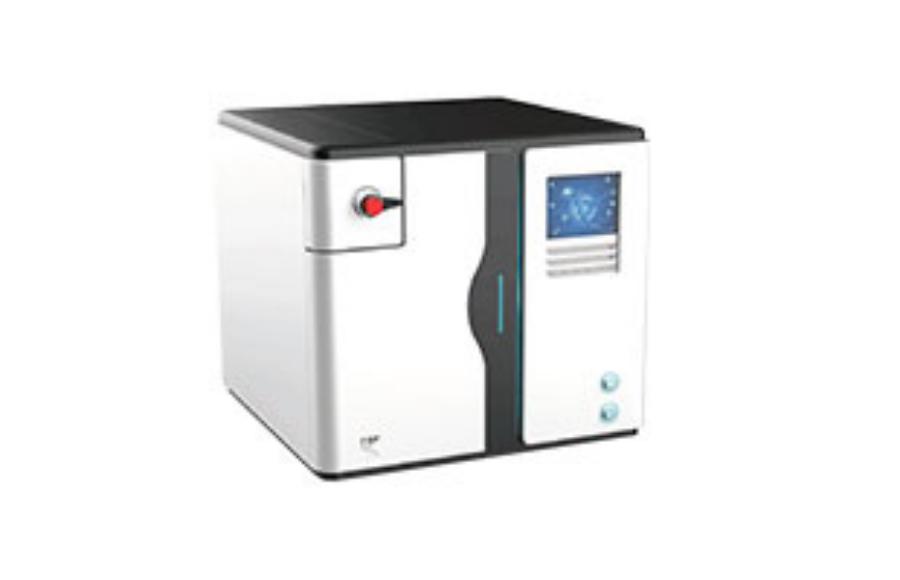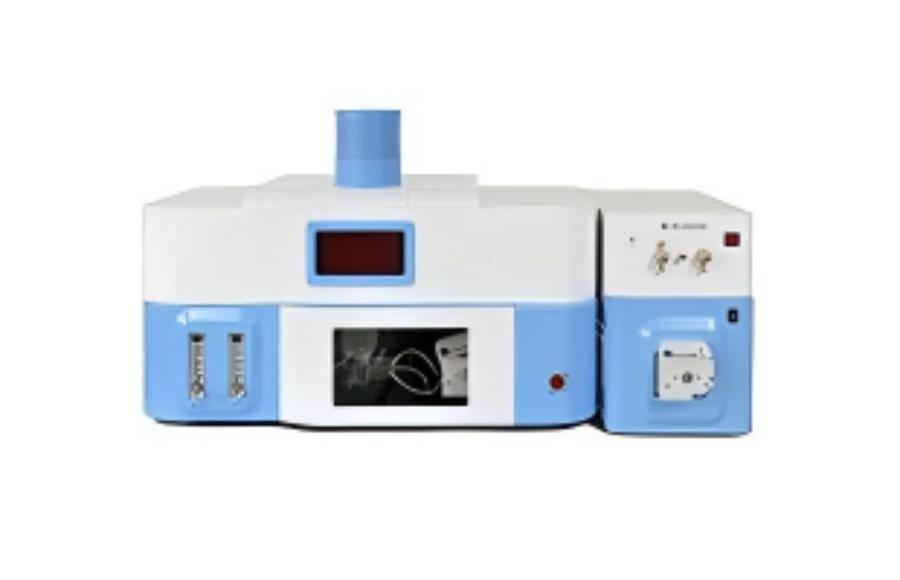
Atomfair-Cd-516 High Sensitivity Rapid Cadmium Analyzer (Flame Atomic Fluorescence Spectrometer)
I. Product Overview
Atomfair-Cd-516 High Sensitivity Rapid Cadmium Analyzer is a special instrument designed for disease control, food and drug, grain and oil, agriculture, quality inspection and other industries, focusing on the accurate determination of cadmium element in food, grain and other samples, especially suitable for the rapid detection of cadmium element in rice. Based on flame atomic fluorescence spectrometry technology, the instrument breaks through the limitations of traditional detection methods, with core advantages of high sensitivity, good stability, fast testing speed, low use cost and simple pretreatment, providing an efficient and reliable solution for cadmium element detection.
II. R&D Background and Detection Principle
(I) R&D Background
In recent years, food safety problems caused by cadmium pollution have occurred frequently. Cadmium enters the environment through wastewater discharge and invades crops through irrigation, and rice is the most typical crop affected. Long-term consumption of cadmium-containing food by the human body can cause itai-itai disease (osteocarcinoma), which is extremely harmful. Traditional cadmium element detection methods have problems such as long pretreatment time and general instrument stability, which are difficult to meet the needs of emergency detection and batch sample detection. Atomfair-Cd-516 High Sensitivity Rapid Cadmium Analyzer came into being under this background.
(II) Detection Principle
Liquid samples are atomized by a high-efficiency atomizer to form aerosols, which are fully mixed with fuel gas in a premixed atomization chamber. Then the samples entering the flame are evaporated, melted and decomposed into ground-state atoms by the heat of combustion. The ground-state atoms are excited to high-energy state by high-performance hollow cathode lamp. The atoms in high-energy state are unstable and emit atomic fluorescence in the form of light radiation during the de-excitation process. The intensity of atomic fluorescence is directly proportional to the content of the measured element in the sample, and the content of cadmium in the sample can be accurately determined according to this.
The product complies with the international standard T/CAIA/S11-2018 (Cereals-Determination of cadmium-Dilute acid extraction with flame atomic fluorescence spectrometry), ensuring the professionalism and universality of detection results.
III. Core Technical Indicators
- Sensitivity: 0.002ng/mL, the detection accuracy is far higher than traditional methods, which can accurately capture trace cadmium elements
- Stability: Relative Standard Deviation (RSD) < 0.6%, the detection results have strong consistency
- Testing speed: It only takes 10 seconds to test a single sample, which efficiently adapts to the needs of batch detection
- Use cost: The test cost of a single sample is only 0.1 USD, which greatly reduces the long-term detection expenditure
- Pretreatment efficiency: The pretreatment process only takes about 5 minutes, with simple and fast operation
IV. Simplified Pretreatment Process
The whole pretreatment process does not require complex operations and can be completed in only three steps:
- Sampling: Select representative samples
- Extraction: Add dilute acid for extraction
- Separation: Shake well and centrifuge for 5 minutes, take the supernatant for direct testing
V. Instrument System Composition
(I) Sampling System
Adopt customized high-efficiency atomizer to realize continuous sampling through air negative pressure lifting, equipped with water seal module pressure self-balanced waste liquid discharge design, no additional pump is needed to assist waste discharge, and the operation is more convenient.
(II) Transmission System
An innovative new transmission device is adopted to replace the traditional pipeline transmission, which can fully mix the aerosol formed by atomization and then accurately send it to the atomizer, effectively improving the atomization efficiency and ensuring the detection accuracy.
(III) Atomization System
Equipped with double-layer multi-head quartz atomizer, propane is used as fuel gas for atomization reaction, which significantly improves the atomization efficiency and further enhances the test sensitivity.
VI. Core Functional Characteristics
- Detection mode: Support single-channel detection and single-channel enhanced detection to adapt to different detection needs
- Correction function: With standard curve correction function to ensure the accuracy of detection results
- Interference treatment: With built-in background interference deduction function to effectively eliminate the influence of irrelevant factors
- Convenient operation: Support automatic ignition, equipped with flame observation window for real-time observation; the three-dimensional adjustment mechanism can adjust the three-dimensional parameters of the atomizer online with flexible operation
- Waste liquid treatment: Pressure self-balanced waste liquid discharge with automatic alarm function for waste liquid overflow, safe and reliable
- Software support:
- Friendly operation interface, can recommend the best instrument test conditions, support graphic display, playback, statistics and query of test data
- Support page saving, output, backup and printing of graphics and data, the suspended measurement window can display more information such as fluorescence intensity and blank value
- The test data interface can be flexibly edited, the sample number, conversion coefficient, sample weight and other items can be freely edited before and after the test, and the conversion is completed automatically
- Audit trail function can be upgraded to meet higher compliance requirements
- Safety protection: With instrument self-test and gas cut-off early warning protection functions to fully ensure the safety of the detection process
VII. Performance Comparison Advantages
Comparison of Test Speed
| Testing Method | Testing Process | Total Time per Sample (seconds) |
| ICP-MS Method | Sampling (including rinsing), testing, reading (including sample change) | 30 |
| Graphite Furnace Atomic Absorption Method | Drying, ashing, atomization, sampling | 63 |
| Flame Atomic Fluorescence Method (This instrument) | Sampling (including sample change), integration | 14 |
VIII. Standard Sample Test Data (Partial)
| Standard Sample No. | Standard Value (mg/kg) | Uncertainty (mg/kg) | Test Result (mg/kg) | Relative Error (%) |
| GBWE(E)100362 | 0.007 | 0.003 | 0.006 | -14.3 |
| GBWE(E)100359 | 0.030 | 0.004 | 0.030 | 0.00 |
| GBWE(E)100361 | 0.11 | 0.01 | 0.11 | 0.00 |
| GBWE(E)100360 | 0.22 | 0.02 | 0.21 | -4.55 |
| GBWE(E)100351 | 0.42 | 0.02 | 0.41 | -2.38 |
| GBWE(E)100358 | 0.62 | 0.03 | 0.62 | 0.00 |
| GBWE(E)100355 | 0.99 | 0.03 | 0.98 | -1.01 |
| GBWE(E)100354 | 1.28 | 0.03 | 1.27 | -0.78 |
| GBWE(E)100356 | 1.72 | 0.06 | 1.72 | 0.00 |
| GBWE(E)100357 | 2.16 | 0.06 | 2.18 | 0.93 |
Note: The test data shows that the deviation between the detection results of the instrument for standard samples with different concentrations and the standard values is small, and the detection accuracy is high.
If you’re interested, have any questions, or have specific customization requirements, please feel free to contact us at inquiry@atomfair.com.
This instrument requires a regulated propane fuel supply for flame atomization and must be operated in a well-ventilated area to prevent accumulation of flammable gas. Waste liquid containing dilute acid and trace cadmium must be collected in a chemically resistant container and disposed of in accordance with local hazardous waste regulations.
- Propane fuel safety: Store the propane cylinder upright in a well-ventilated area away from heat, sparks, and open flames, and secure it to prevent tipping.
- Ignition sequence: Verify the gas cut-off system is functional before each ignition and use the automatic ignition button while observing the flame through the observation window.
- Waste liquid management: Monitor the waste liquid level and empty the collection container when the overflow alarm activates, using appropriate PPE for acidic and cadmium-containing waste.
- Self-test requirement: Run the instrument self-test routine at startup to confirm all safety interlocks and gas supply are operational.
- Sample preparation hazards: Handle dilute acid solutions and cadmium standards in a fume hood while wearing lab coat, gloves, and safety glasses to avoid skin contact and inhalation.
This procedure describes the steps required to safely initialize the instrument, calibrate it using standard solutions, and measure cadmium concentration in prepared sample extracts. Proper execution of these steps ensures accurate fluorescence measurements while maintaining the safety interlocks of the flame-based system.
Required Equipment: Atomfair-Cd-516 High Sensitivity Rapid Cadmium Analyzer, Propane fuel supply with regulator, Cadmium hollow cathode lamp, Sample preparation kit (centrifuge, dilute acid, tubes)
- Prepare sample extract
Prepare the sample extract by following the dilute acid extraction procedure specified in T/CAIA/S11-2018, including weighing, acid addition, shaking, and centrifugation for 5 minutes. - Power on and self-test
Power on the instrument and perform the self-test routine to verify gas connections and safety interlocks. - Ignite the flame
Open the propane gas supply valve and initiate automatic ignition while monitoring the flame through the observation window. - Set measurement parameters
Set the measurement parameters using the software's recommended conditions for cadmium detection. - Perform calibration
Aspirate a series of cadmium standard solutions to construct the calibration curve via the standard curve correction function. - Measure sample
Introduce the sample supernatant into the atomizer using the air negative pressure sampling system and record the fluorescence intensity.
How does the Atomfair-Cd-516 achieve a detection sensitivity of 0.002 ng/mL for cadmium in rice samples within 10 seconds?
The instrument uses flame atomic fluorescence spectrometry (FAFS) with a high-efficiency atomizer, a double-layer multi-head quartz atomizer fueled by propane, and a high-performance hollow cathode lamp. An innovative transmission device replaces traditional pipeline to fully mix aerosol before delivery, improving atomization efficiency. This combination yields a sensitivity of 0.002 ng/mL and a single-sample test time of 10 seconds, as stated in the product specifications.
What sample preparation is required for cadmium analysis in rice using the Atomfair-Cd-516 and which regulatory standard does it comply with?
Pretreatment is a simple three-step process: sampling, dilute acid extraction, and separation by shaking and centrifuging for 5 minutes, after which the supernatant is directly tested. The instrument complies with international standard T/CAIA/S11-2018 (Cereals—Determination of cadmium—Dilute acid extraction with flame atomic fluorescence spectrometry). Standard sample test data show relative errors within –14.3% to 0.93% across certified reference materials from 0.007 to 2.16 mg/kg.
What fuel gas and safety features are required for operating the Atomfair-Cd-516 cadmium analyzer?
The instrument uses propane as fuel gas for atomization. Safety features include automatic ignition, a gas cut-off early warning protection system, and instrument self-test functions. The waste liquid discharge is pressure self-balanced with an automatic overflow alarm, eliminating the need for an additional pump, and a flame observation window allows real-time monitoring of the atomization process.
The Atomfair-Cd-516 flame atomic fluorescence spectrometer is engineered for rapid, high-sensitivity cadmium detection in food and grain matrices, achieving a sensitivity of 0.002 ng/mL and a single-sample test time of 10 seconds. Its simplified dilute-acid extraction pretreatment, combined with a double-layer multi-head quartz atomizer and pressure-balanced waste discharge, delivers a practical balance of analytical performance and operational efficiency for routine laboratory screening.
Positive
- High sensitivity and low detection limit: With a sensitivity of 0.002 ng/mL, the instrument can accurately quantify trace cadmium levels, as demonstrated by standard sample recoveries within ±5% relative error for concentrations above 0.03 mg/kg.
- Rapid analysis and minimal pretreatment: A single sample is tested in 10 seconds, and the entire dilute-acid extraction pretreatment completes in about 5 minutes, enabling high-throughput batch screening without complex sample preparation.
Trade-offs
- Requires combustible propane gas supply: The atomization system uses propane as fuel gas, necessitating a dedicated gas supply infrastructure and strict safety protocols for handling, storage, and ventilation in the laboratory.
- Operational expertise needed for matrix-specific accuracy: While the instrument includes background correction and standard curve functions, accurate results for complex food matrices depend on proper method calibration and operator skill, as evidenced by the need to validate against certified reference materials.
Every advanced material, component, equipment, and instrument in our catalog is backed by rigorous testing. We maintain strict internal quality management frameworks and align with CE conformity metrics to deliver transparent, reproducible performance data via our public open-science repository.
To request raw batch performance data, submit formal vendor registration paperwork, or execute a fast-turnaround R&D manufacturing loop, contact us at inquiry@atomfair.com.
Item is dispatched under the Atomfair Shipping & Delivery Framework (Free worldwide shipping on orders over $59 USD excl. heavy equipment). Return is governed by the Atomfair Return & Refund Policy (7-day technical return window).