
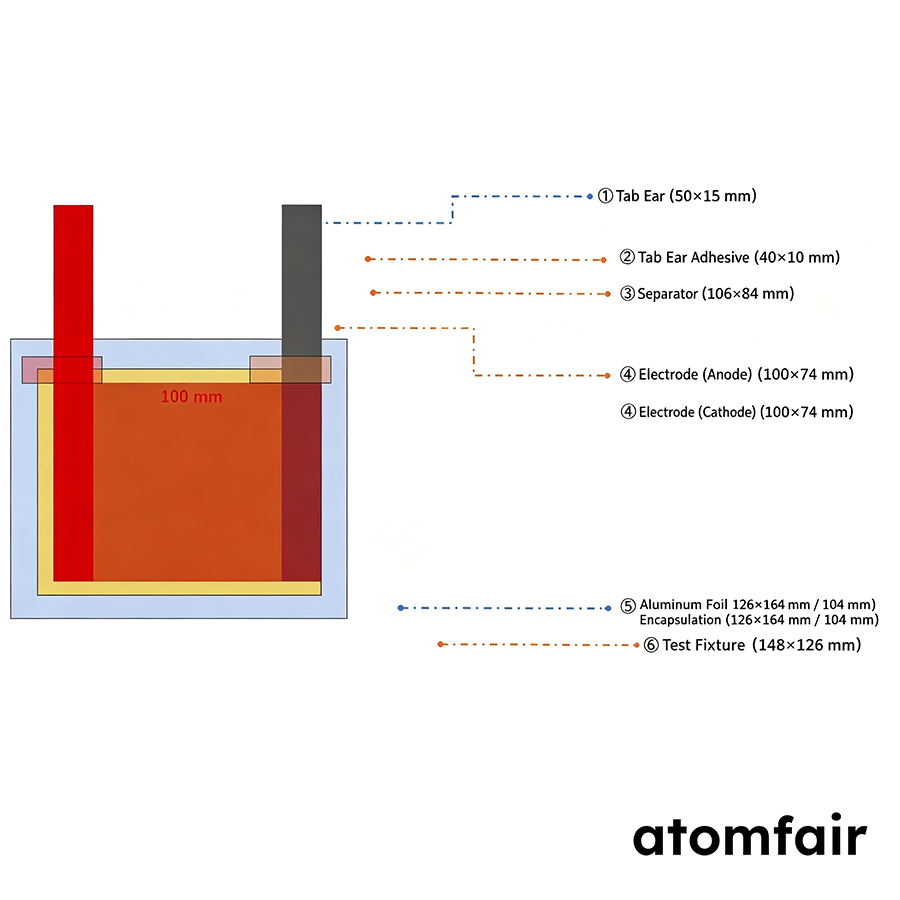
Custom Aqueous Zinc-Ion Pouch Cell – Zinc Anode |
||||||||||||||||||||||||||||||||||||||||||||||||||||||||||||||||||||||||||||||||||||
|
||||||||||||||||||||||||||||||||||||||||||||||||||||||||||||||||||||||||||||||||||||
How does the zinc anode thickness affect the energy density and cycle life of the Custom Aqueous Zinc-Ion Pouch Cell?
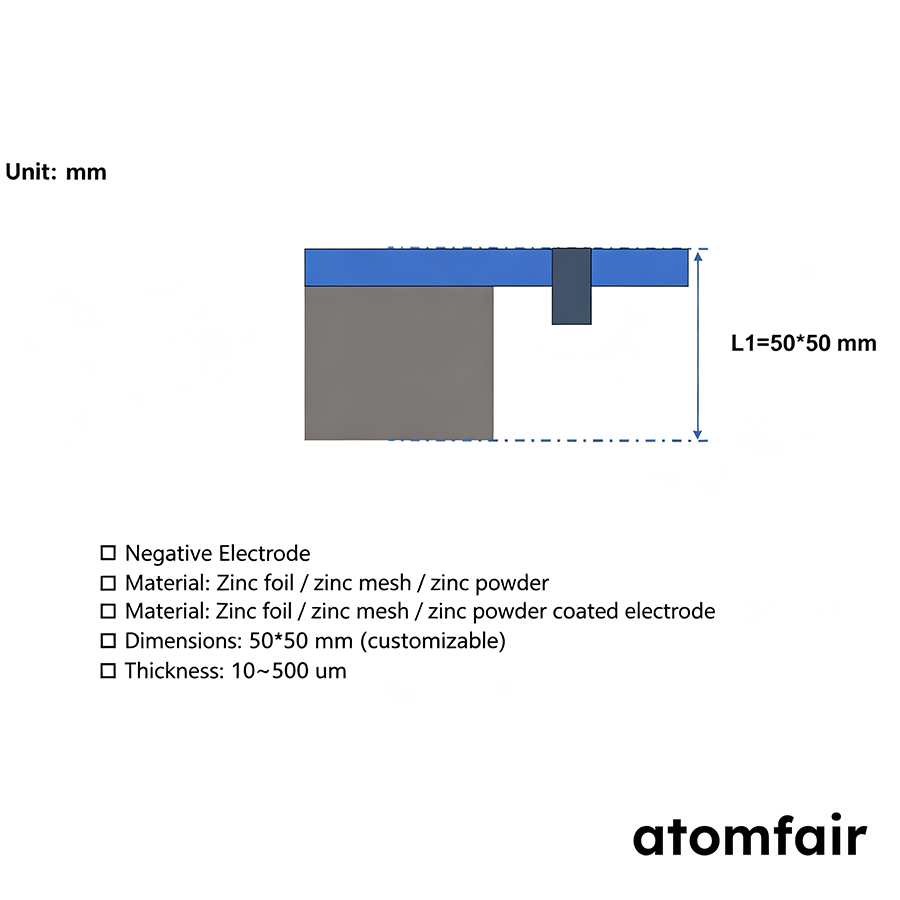
The zinc anode thickness is customizable from 10 to 500 µm. A 10 µm option is designated as a high-energy-density configuration, while a 150 µm thickness is typical. Thinner anodes increase energy density but reduce zinc inventory, which may limit cycle life due to zinc depletion during cycling. The trade-off between higher energy density and cycle stability must be evaluated based on the intended test protocol.
Is the sulfonated glass fiber separator (AZ7022P) compatible with aqueous electrolytes other than KOH?
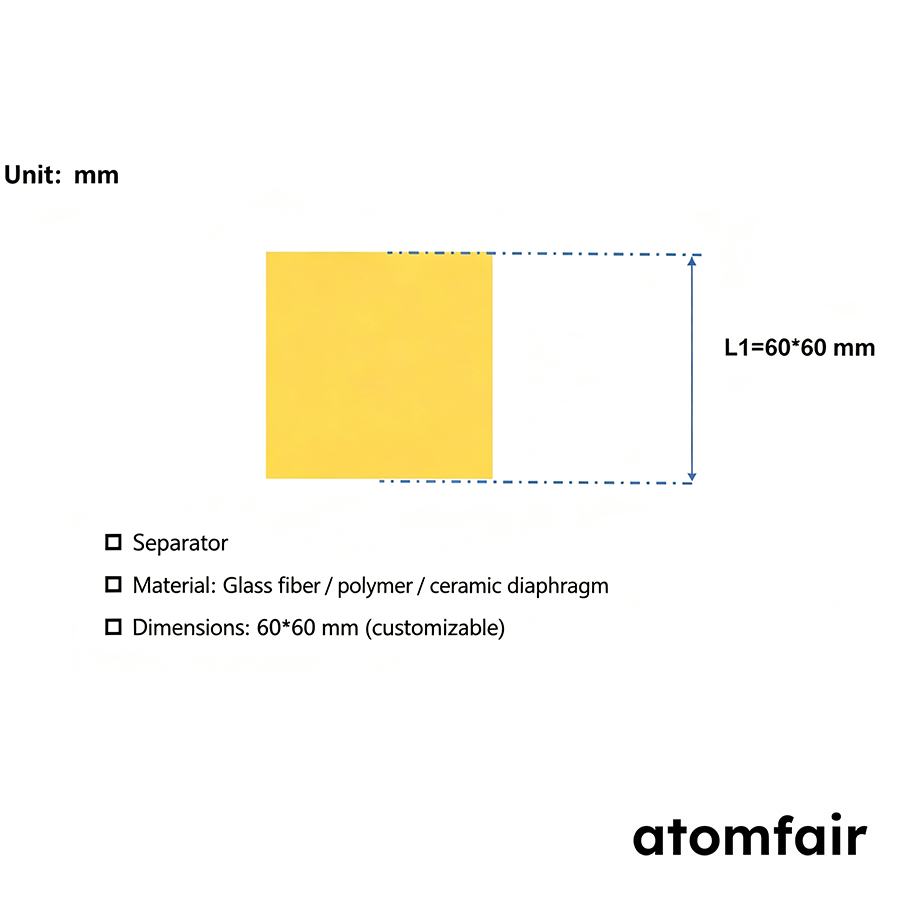
The separator is specified with a liquid uptake of 350% after 10 minutes in KOH, but no performance data for other aqueous electrolytes (e.g., zinc sulfate, zinc triflate) is provided in the product description. Users should validate separator wettability and ionic conductivity with their chosen electrolyte before deployment. The sulfonated glass fiber material is generally compatible with a range of aqueous electrolytes, but specific compatibility testing is recommended.
What handling precautions are required when using the zinc powder-coated electrode option in this pouch cell?
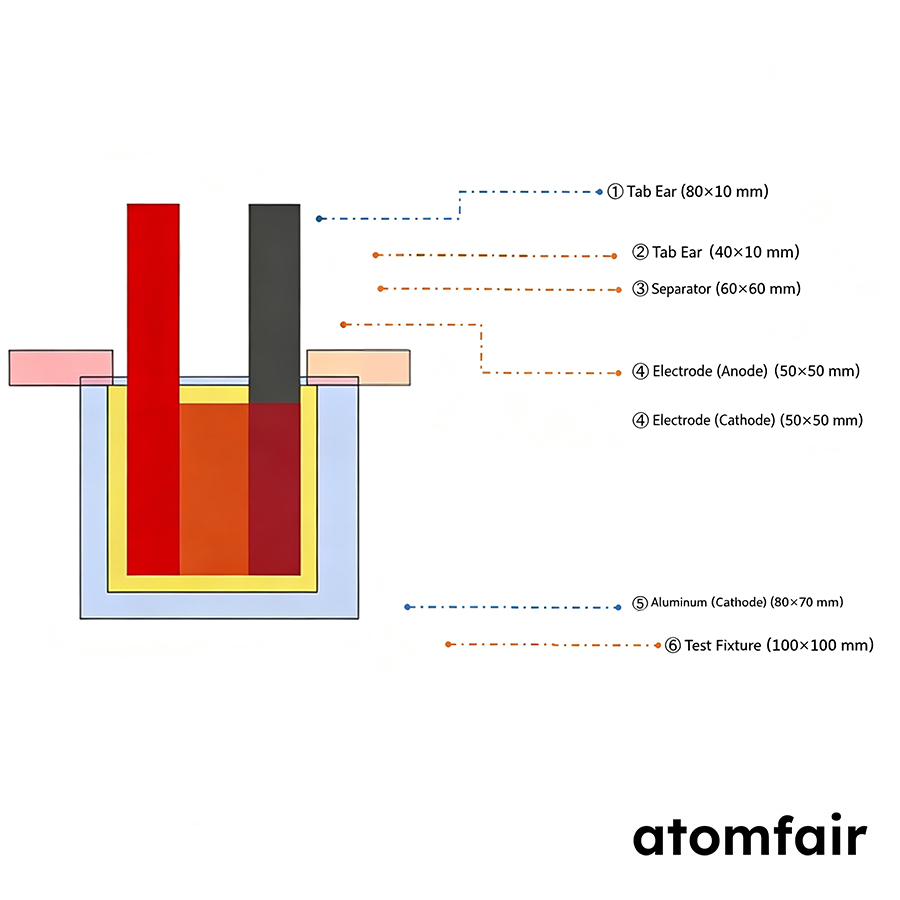
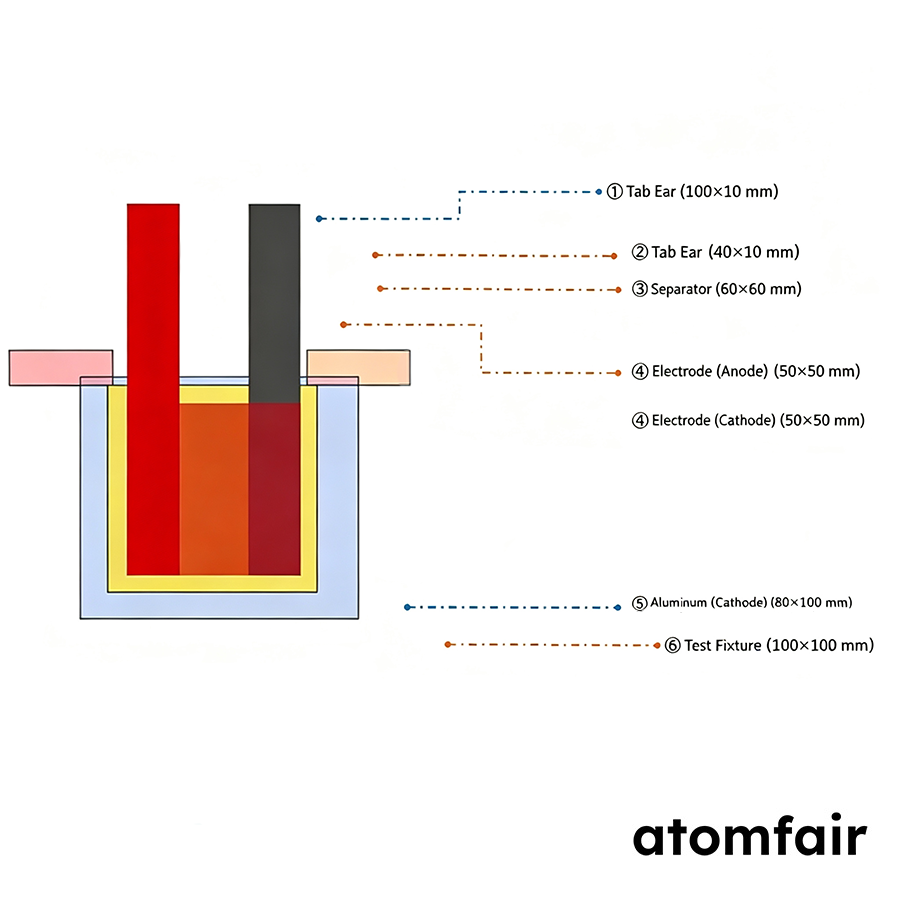
Zinc powder-coated electrodes are more susceptible to shedding or mechanical damage during assembly compared to zinc foil or mesh. The laminated pouch cell uses a stacked electrode architecture, so careful alignment and gentle handling are essential to maintain coating integrity. The acrylic fixture (100 x 100 mm) should provide uniform compression to minimize particle loss during testing.
This custom aqueous zinc-ion pouch cell with zinc anode offers flexible configurability in electrode format and cell geometry, enabling tailored electrochemical testing. However, the required acrylic fixture and high separator liquid uptake impose practical handling and integration constraints.
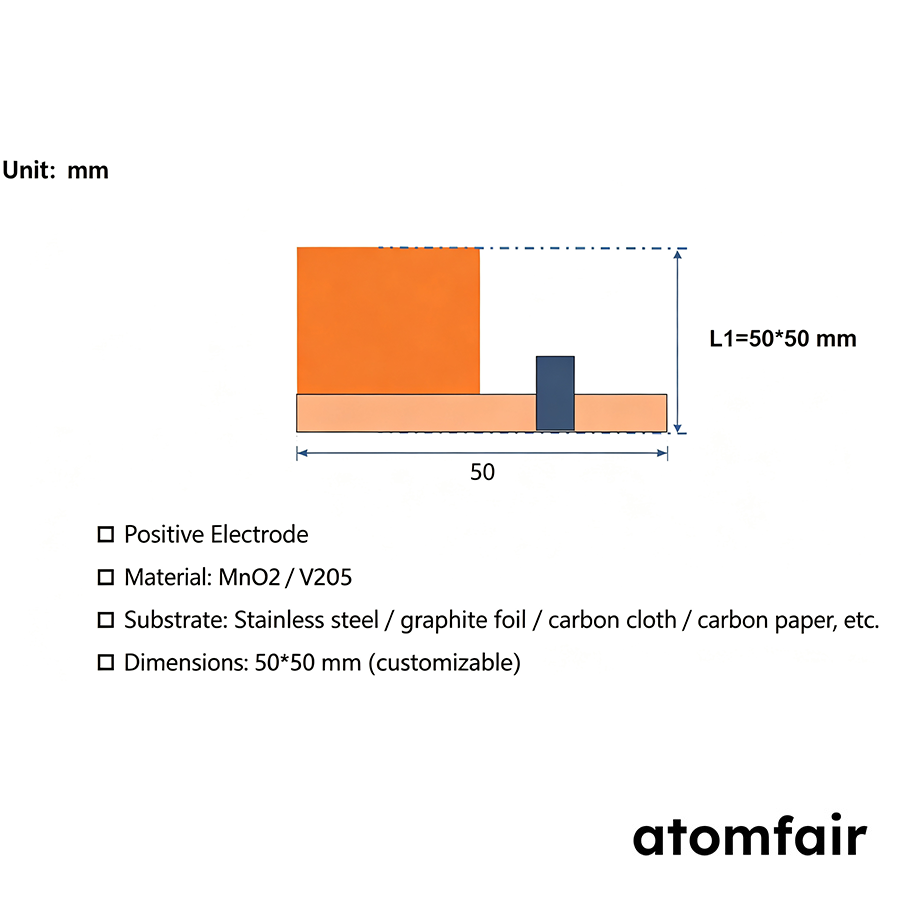
Positive
- Configurable electrode and cell architecture: Supports multiple zinc anode formats (foil, mesh, powder) and cathode substrates (stainless steel, graphite foil, carbon cloth, carbon paper) for versatile electrochemical testing.
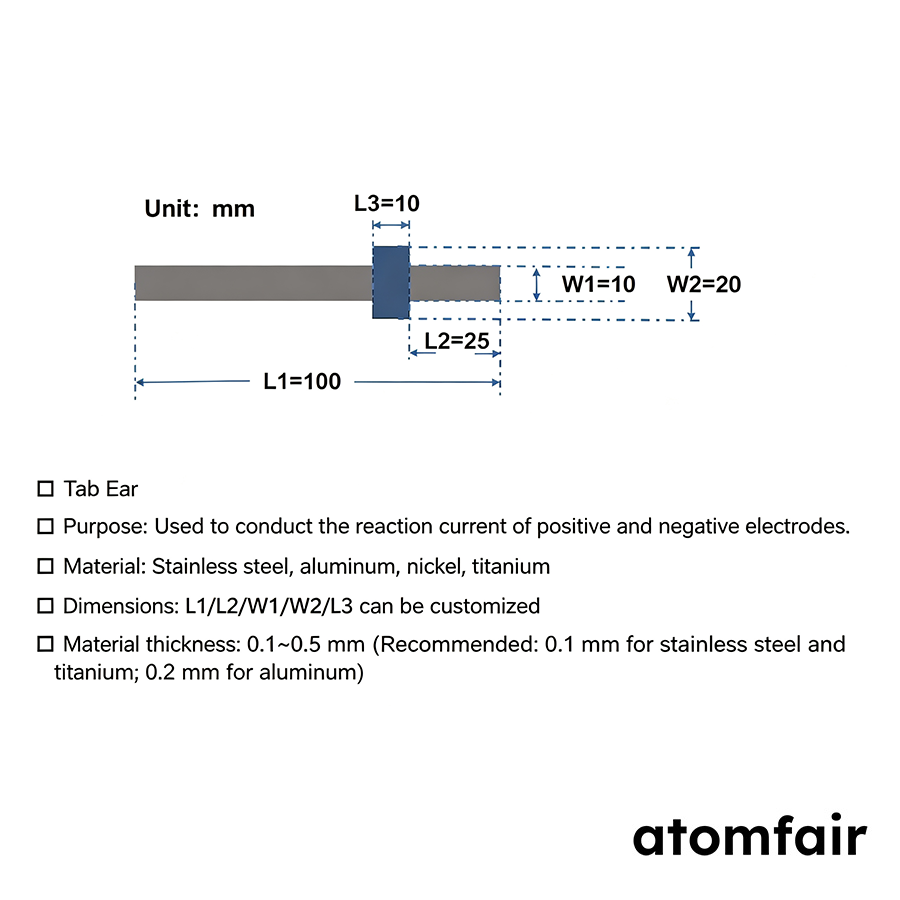
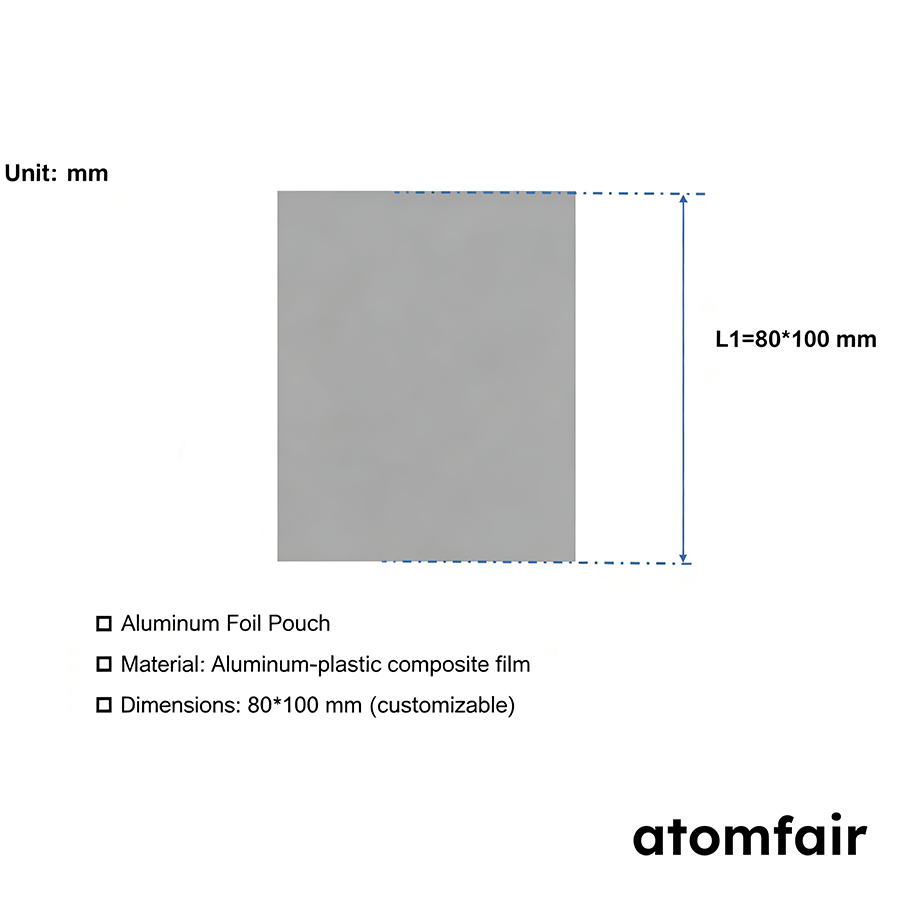
- Customizable pouch and tab geometry: Electrode area, pouch dimensions, tab material, and tab dimensions can be adjusted to fit specific experimental setups and test fixtures.
Trade-offs
- Acrylic test fixture adds bulk: The 100 x 100 mm acrylic fixture is larger than the electrode area, increasing overall footprint and potentially limiting compatibility with standard cell holders or thermal management setups.
- High separator liquid uptake: The sulfonated glass fiber separator (AZ7022P) has 350% liquid uptake after 10 minutes in KOH, requiring precise electrolyte dosing to avoid oversaturation and leakage during assembly and testing.
Every advanced material, component, equipment, and instrument in our catalog is backed by rigorous testing. We maintain strict internal quality management frameworks and align with CE conformity metrics to deliver transparent, reproducible performance data via our public open-science repository.
To request raw batch performance data, submit formal vendor registration paperwork, or execute a fast-turnaround R&D manufacturing loop, contact us at inquiry@atomfair.com.
Item is dispatched under the Atomfair Shipping & Delivery Framework (Free worldwide shipping on orders over $59 USD excl. heavy equipment). Return is governed by the Atomfair Return & Refund Policy (7-day technical return window).