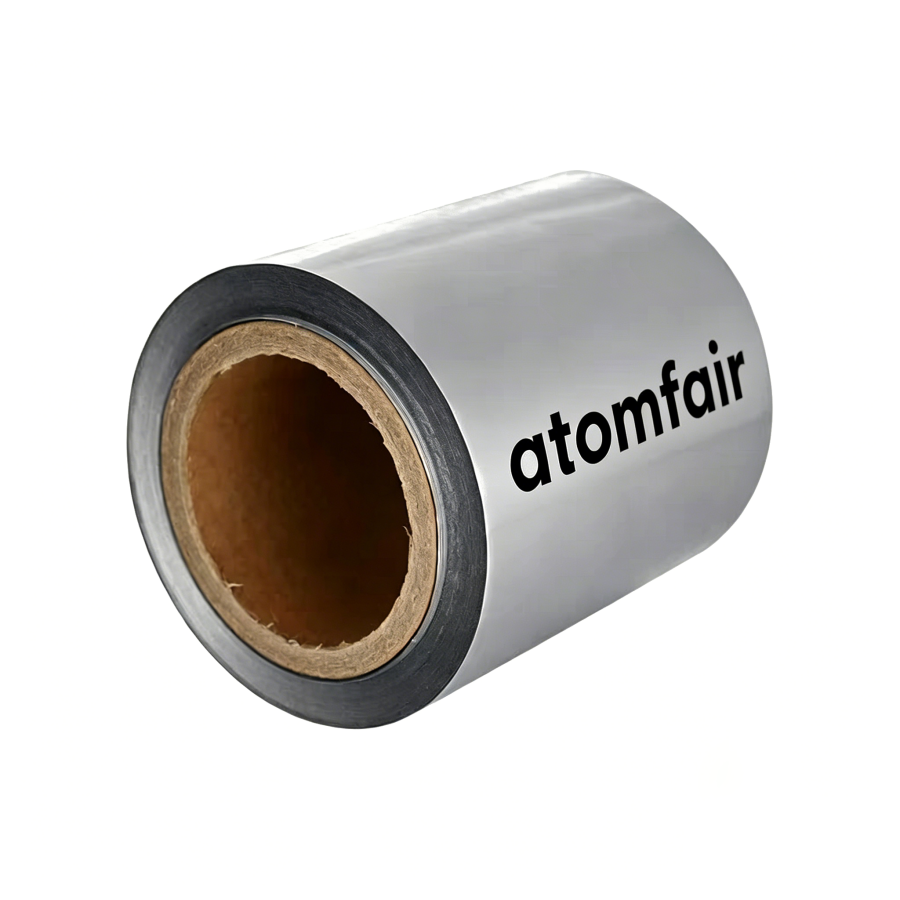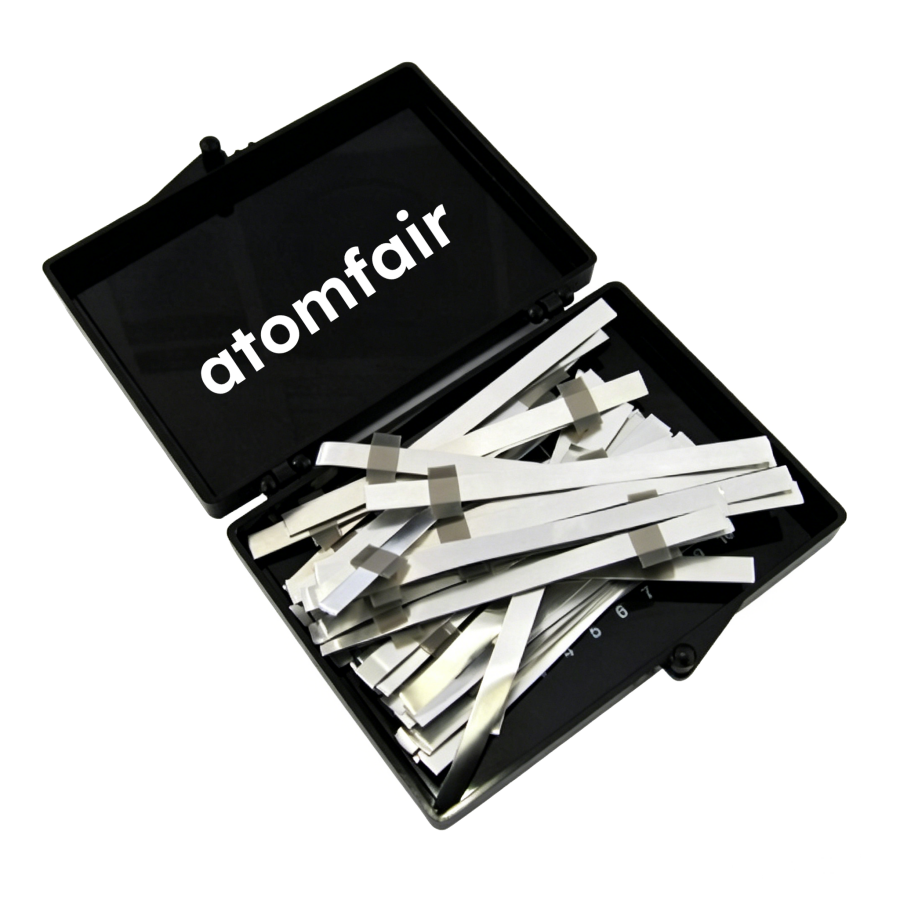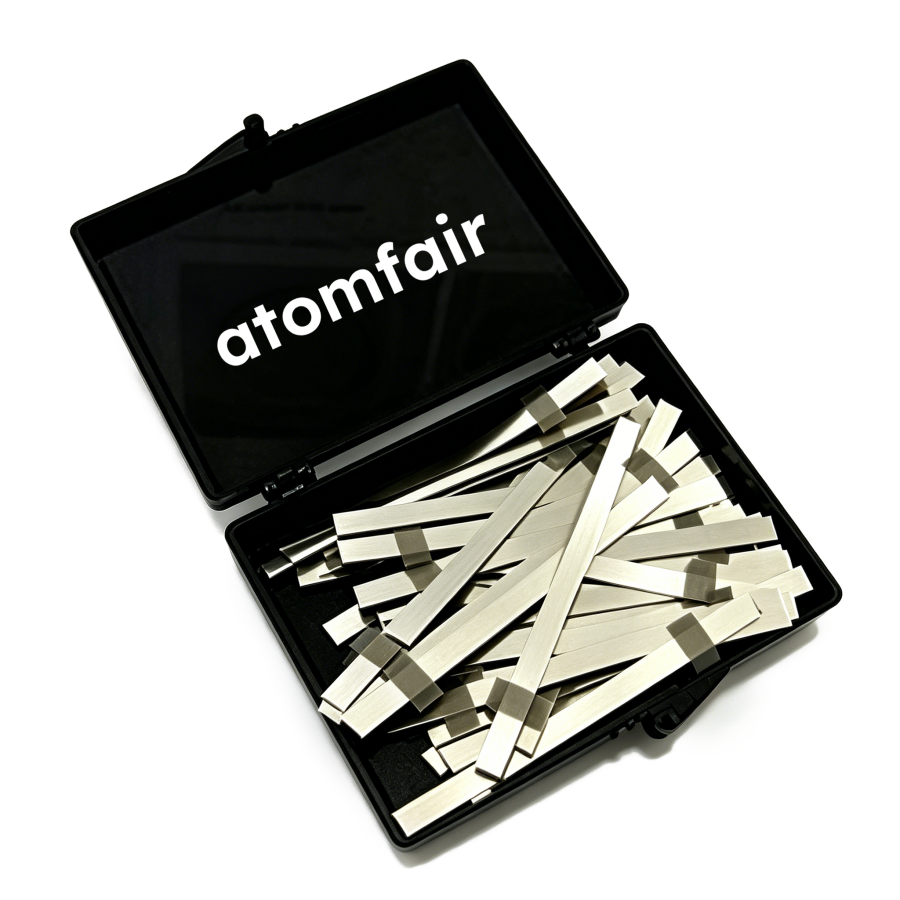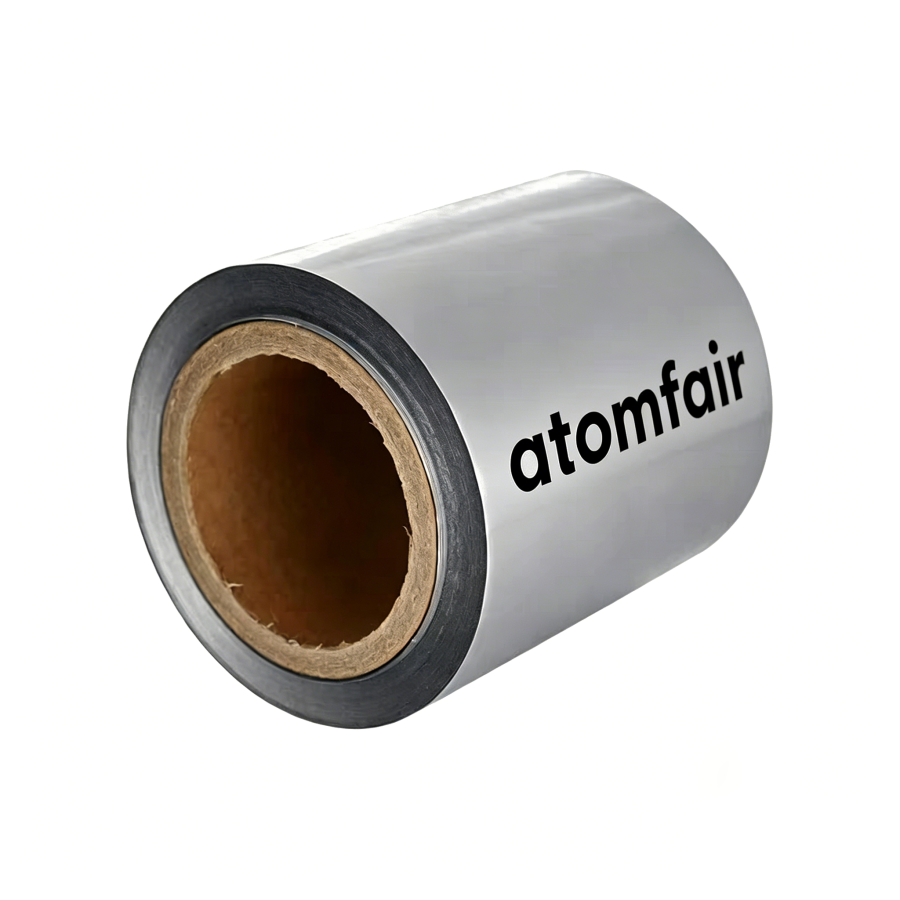
113μm Aluminum Laminated Film for Pouch Cell Packaging (200mm × 10m)COMMERCIAL GRADE · PRODUCTION
|
|||||||||||||||||||||||||||||||||||||
|
|||||||||||||||||||||||||||||||||||||
|
TAILORED SOLUTIONS FOR RESEARCH
Contact our engineering team for technical support or official institutional quotations.
EMAIL: INQUIRY@ATOMFAIR.COM
|
|||||||||||||||||||||||||||||||||||||
|
Manufacturer: PRODUCTION DIVISION · ADVANCED ENERGY STORAGE DIVISION
Brand: INDUSTRIAL TESTING HARDWARE
Specifications are representative and subject to change without notice. For the latest version and compliance certificates, contact official sales channel.
|
This document specifies the environmental, processing, and storage constraints for the 113μm multi-layer aluminum laminated film used in pouch cell packaging. Adherence to these limits prevents interlayer delamination, moisture ingress, and mechanical fracture during assembly and storage.
- Thermal Sealing Parameters: The heat-sealing jaw must be set to 180–190°C at 0.15–0.25 MPa with a 1–3 second dwell to achieve adequate bond strength without degrading the inner polypropylene layer.
- Deep Drawing Limit: The cold-forming depth must not exceed the material's ≥5.0 mm cup forming limit to prevent interlayer delamination and fracture of the aluminum core.
- Storage Conditions: Unused rolls must be stored in a cool, low-humidity environment isolated from organic solvent vapors to maintain moisture barrier performance and prevent contamination.
This procedure outlines the correct sequence for calibrating heat-seal parameters, forming pouches, and storing the film to ensure reliable assembly and long-term barrier integrity. Follow these steps to avoid material failure and maintain electrochemical performance.
Required Equipment: Thermal heat-sealing machine, Pneumatic deep drawing press, Low-humidity storage cabinet
- Set sealing temperature
Set the heat-sealing machine temperature to between 180°C and 190°C. - Adjust clamping pressure and dwell
Adjust the clamping pressure to 0.15–0.25 MPa and set the dwell time to 1–3 seconds. - Form pouch cup
Form the pouch cup using the pneumatic deep drawing press, ensuring that the depth does not exceed the material's forming limit of 5.0 mm. - Seal pouch opening
Seal the pouch opening using the calibrated heat-sealing parameters to achieve a joint strength of at least 29.4 N/15mm. - Store film rolls
Store unused film rolls in a cool, low-humidity environment isolated from organic solvent vapors to preserve barrier properties.
How does the 113 μm composite thickness balance barrier performance against the ≥5.0 mm deep drawing capability for high-capacity pouch cell designs?
The 113 μm multi-layer structure, comprising a 40 μm aluminum core sandwiched between nylon and cast polypropylene layers, achieves a moisture and oxygen transmission limit of ≤200 ppm cumulative over five years while enabling a cold-forming deep draw depth of ≥5.0 mm without interlayer delamination or necking. This trade-off supports high-capacity pouch cells that require both robust environmental isolation and the ability to accommodate stacked electrode geometries without mechanical failure.
Is this aluminum laminated film compatible with standard pneumatic deep drawing and thermal side sealing equipment without requiring custom tooling modifications?
Yes, the film is engineered to integrate seamlessly with mainstream assembly lines; the product description states that during cup matrix forming it fits into typical pneumatic deep drawing hardware blocks and industrial thermal vacuum side sealing equipment without demanding intermediate adjustments. The standardized 200 mm × 10 m roll format and stable heat-seal window of 180–190 °C further ensure direct compatibility with conventional automated punch configurations and manual tooling.
What storage and handling conditions are required to preserve the low moisture transmission and electrolyte resistance of this laminated film?
Rolls must be stored in a secure, cool room isolated from high humidity and vaporous organic chemical agents, as specified in the operational compliance notice. The film achieves ≤200 ppm cumulative moisture and oxygen ingress over five years under proper storage, and the inner cast polypropylene liner resists aggressive lithium salt electrolytes—but exceeding recommended humidity or temperature can compromise barrier integrity and accelerate degradation of the polyurethane adhesives.
This 113 μm aluminum laminated film offers a robust multi-layer barrier structure with ≥5.0 mm deep drawing formability, making it suitable for high-performance pouch cell packaging. However, its thermal sealing parameters and storage requirements demand careful adherence to achieve optimal results.
Positive
- High barrier performance against moisture and oxygen: Central aluminum layer and multi-layer composite matrix prevent moisture and oxygen ingress, extending pouch cell service lifespan with ≤200 ppm cumulative transgression over 5 years.
- Superior deep drawing formability without delamination: Engineered to achieve ≥5.0 mm cold-forming draw depth without localized necking or interlayer delamination, enabling reliable multi-layered stack enclosures.
Trade-offs
- Critical thermal sealing parameter sensitivity: Optimal seal strength (≥29.4 N/15mm) requires tight control of temperature (180–190°C), pressure (0.15–0.25 MPa), and dwell time (1–3s); deviations can compromise seal integrity.
- Storage sensitivity to humidity and organic vapors: Rolls must be stored in a cool, dry environment isolated from high humidity and vaporous organic chemicals to prevent degradation of the aluminum layer or adhesive matrices.
Every advanced material, component, equipment, and instrument in our catalog is backed by rigorous testing. We maintain strict internal quality management frameworks and align with CE conformity metrics to deliver transparent, reproducible performance data via our public open-science repository.
To request raw batch performance data, submit formal vendor registration paperwork, or execute a fast-turnaround R&D manufacturing loop, contact us at inquiry@atomfair.com.
Item is dispatched under the Atomfair Shipping & Delivery Framework (Free worldwide shipping on orders over $59 USD excl. heavy equipment). Return is governed by the Atomfair Return & Refund Policy (7-day technical return window).