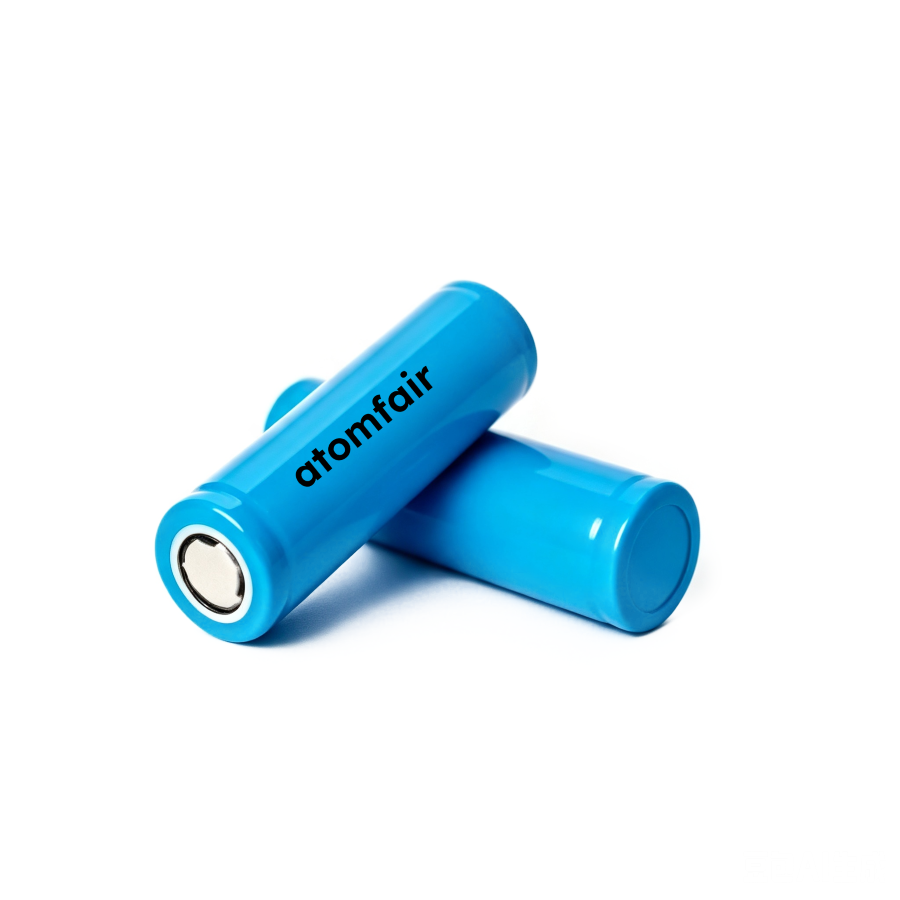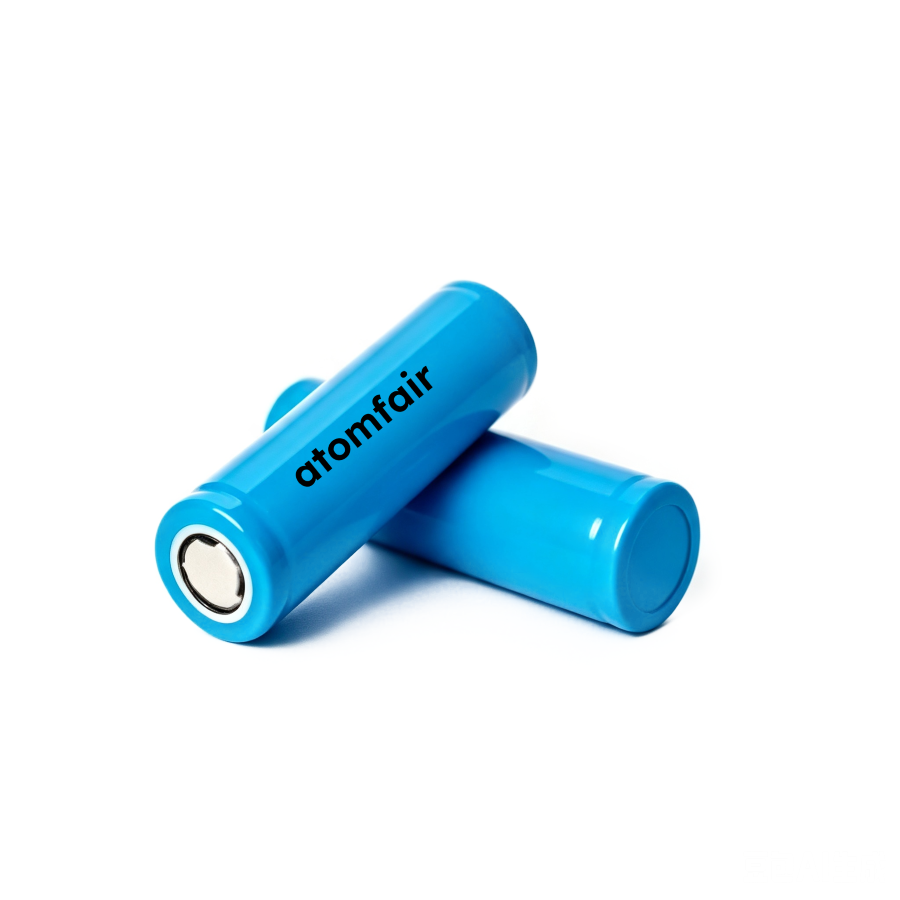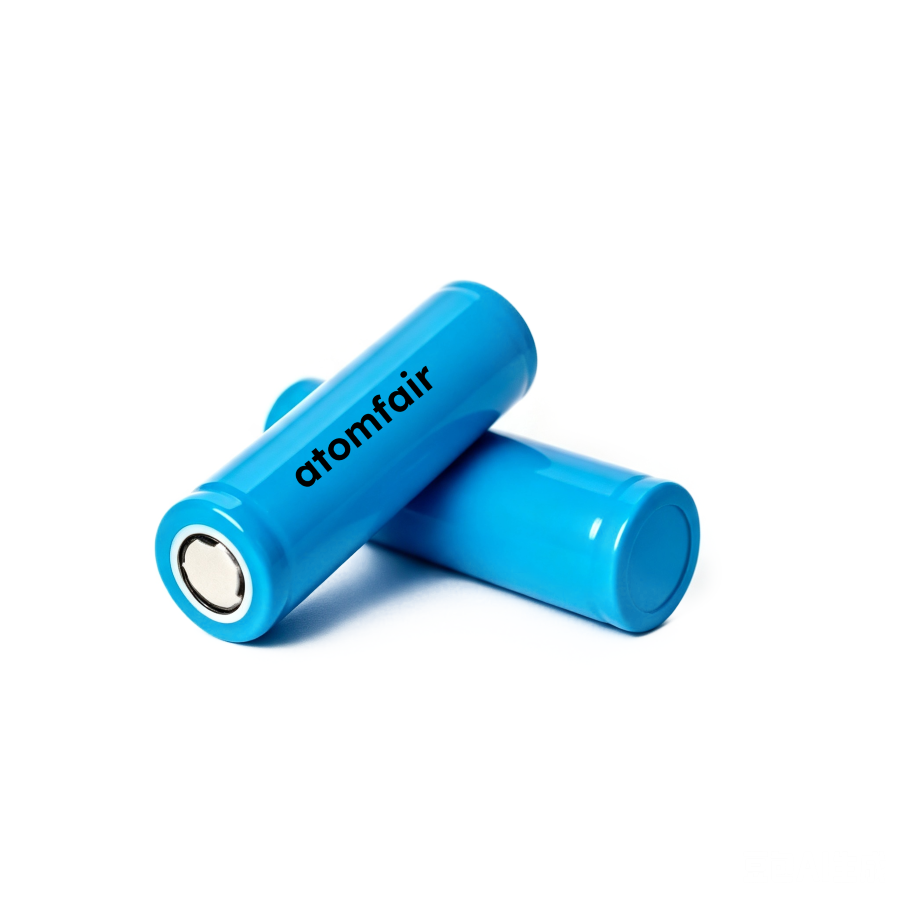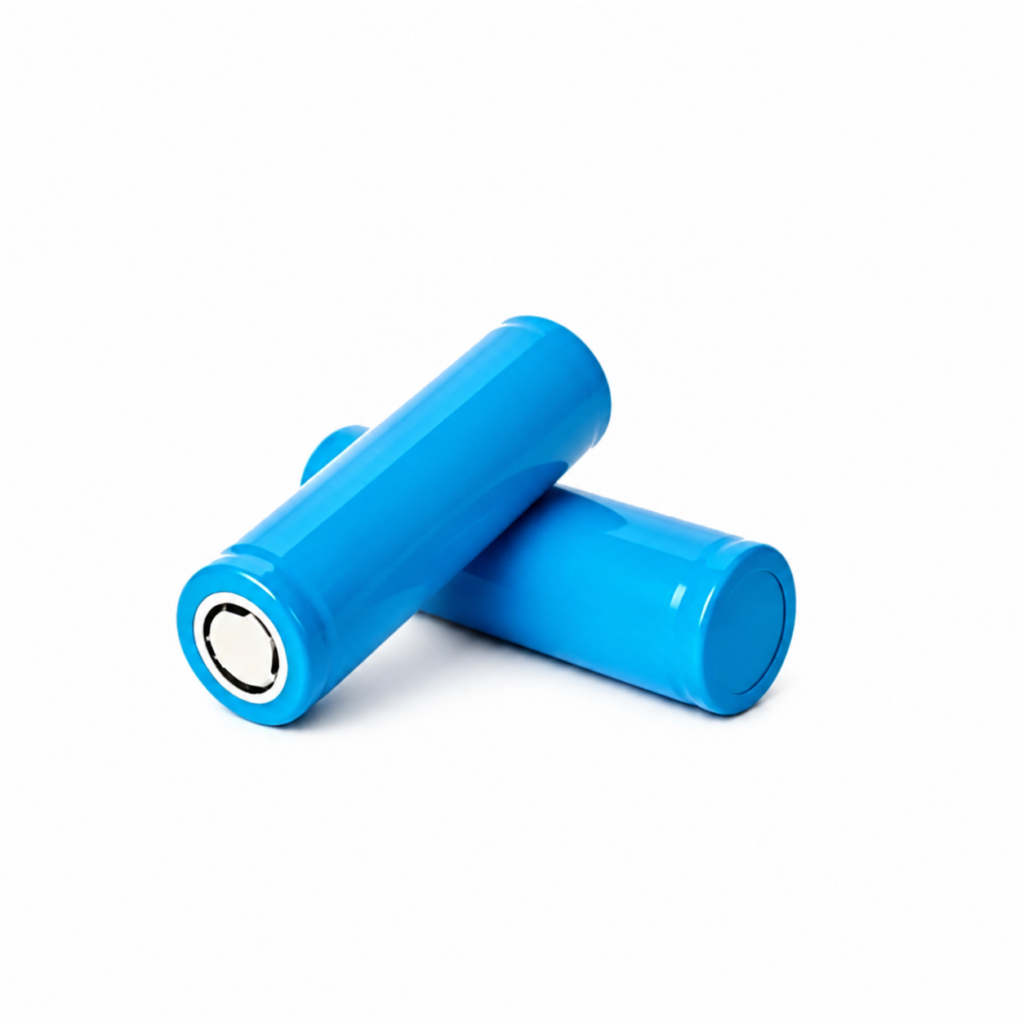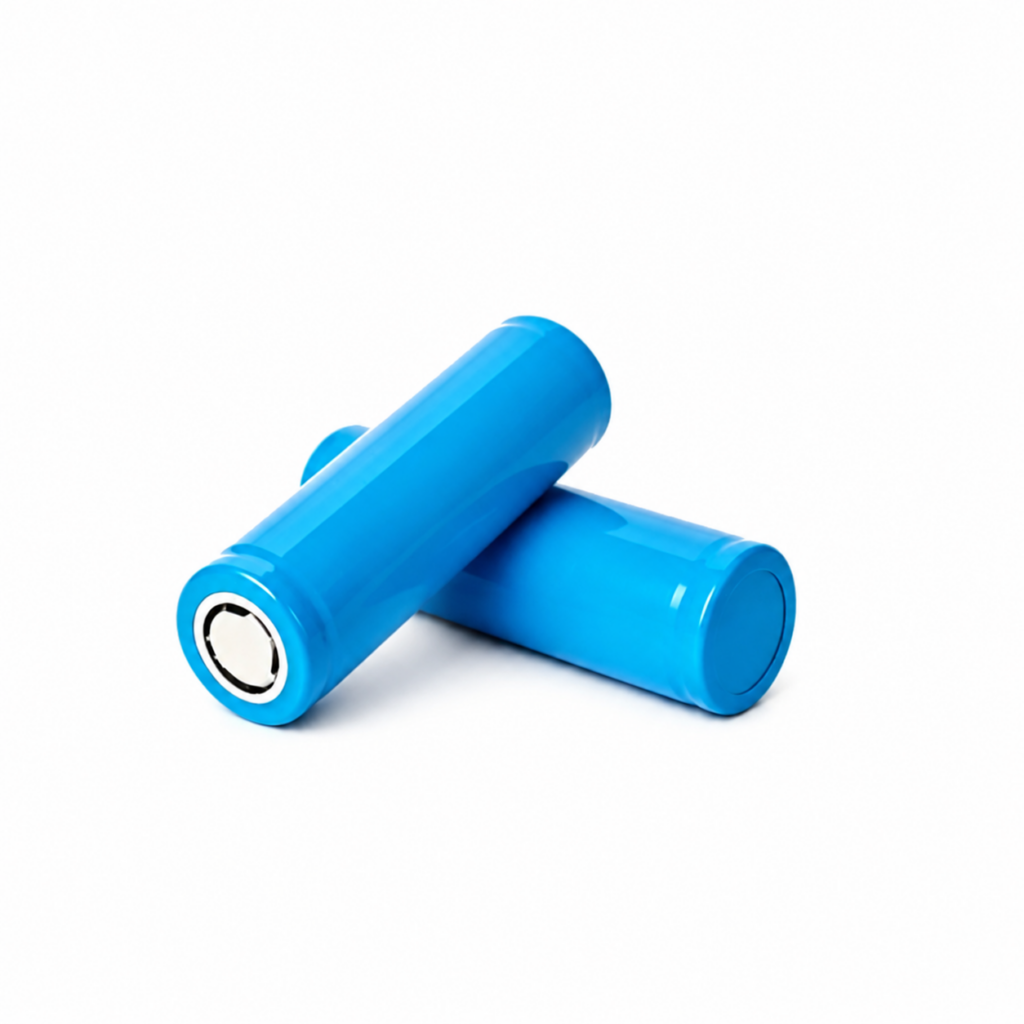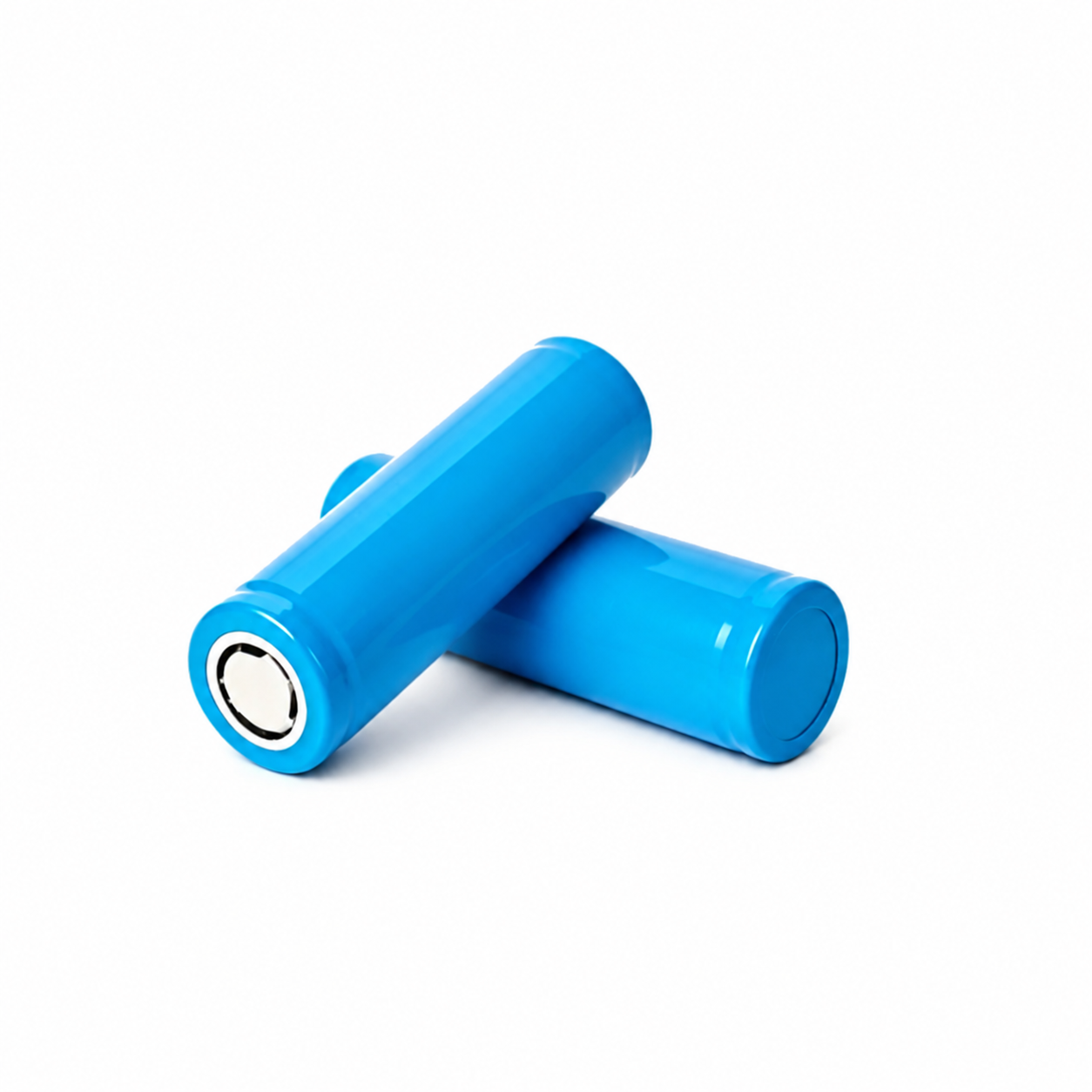
46800 Lithium Iron Phosphate Cylindrical Battery Series (4-Pack) |
|||||||||||||||||||||||||||||||||||||||
|
|||||||||||||||||||||||||||||||||||||||
|
TAILORED SOLUTIONS FOR RESEARCH
Contact our engineering team for technical support or official institutional quotations.
EMAIL: inquiry@atomfair.com
|
|||||||||||||||||||||||||||||||||||||||
|
Manufacturer: Atomfair LLC
Brand: ATOMFAIR®
|
|||||||||||||||||||||||||||||||||||||||
Maximum charge voltage is 3.65V ±0.05V; discharge must not drop below 2.0V to prevent irreversible capacity loss. For series connections above 48V, active cell balancing is mandatory to mitigate voltage drift over extended cycling.
- Thermal Stability and Storage: Store at 25°C with <3% monthly self-discharge, avoiding temperatures above 60°C or below -20°C to preserve cycle life and prevent electrolyte degradation.
- Mechanical Integrity: Use reinforced packaging with conductive foam inserts and terminal protection caps to prevent short circuits during transport and handling.
- Cycle Life Degradation: All variants guarantee >3000 cycles to 70% capacity at 1C/1C, with calendar life exceeding 15 years at 25°C when operated within voltage limits.
Follow these steps to safely prepare and connect the cells for first use, ensuring voltage compliance and preventing damage. Active balancing is required for series strings above 48V to maintain cell uniformity.
Required Equipment: Active cell balancer (for series >48V), Multimeter or battery management system (BMS), Insulated gloves and safety goggles
- Inspect cells for damage
Inspect each cell for dents, swelling, or terminal corrosion before handling. - Measure open-circuit voltage
Measure open-circuit voltage with a multimeter to confirm each cell is between 3.0V and 3.3V before assembly. - Connect cells in series with balancer
Connect cells in series using a BMS or active balancer when the string voltage exceeds 48V to prevent voltage drift. - Set charge voltage limit
Set the charger to a maximum of 3.65V ±0.05V per cell to avoid overcharge conditions. - Verify discharge cutoff
Verify the discharge cutoff is set to 2.0V per cell to prevent deep discharge damage.
Which 46800 LFP variant should I select for high discharge rate versus maximum capacity?
Choose AF46800LFP01 (12.8 Ah, 20C pulse) for ultra-high-power applications like UPS and power tools. Select AF46800LFP02 (14.0 Ah, 10C) for EV/HEV or AF46800LFP03 (17.6 Ah, 3C) for cost-optimized stationary storage. All three variants deliver >3000 cycles to 70% capacity at 1C/1C.
What are the critical voltage limits and balancing requirements when connecting these cells in series above 48V?
Maximum charge voltage is 3.65V ±0.05V; do not discharge below 2.0V. For series connections above 48V, active cell balancing is mandatory to prevent voltage drift over thousands of cycles, as stated in the product's important notice.
What safety certifications and storage precautions apply to the ATOMFAIR 46800 LFP series?
The olivine LiFePO4 cathode passes nail penetration, overcharge, and crush tests per UL 1642, eliminating thermal runaway. Cells exhibit <3% monthly self-discharge at 25°C. Packaging includes reinforced industrial cardboard boxes with conductive foam inserts and terminal protection caps for safe handling and storage.
The ATOMFAIR 46800 LFP cylindrical cell series offers three power-tier variants (12.8Ah/20C pulse, 14.0Ah/10C, 17.6Ah/3C) in a large-format 46mm×80mm platform, delivering >3000 cycle life and intrinsic olivine safety for heavy-duty EV and stationary storage applications.
Positive
- Intrinsic olivine safety: LiFePO4 cathode eliminates thermal runaway, passing nail penetration, overcharge, and crush tests per UL 1642, enabling safe operation in high-power commercial EVs and grid storage.
- Three optimized power tiers: Variants cover 20C pulse (AF46800LFP01), 10C (AF46800LFP02), and 3C (AF46800LFP03) discharge rates, allowing application-specific selection from ultra-high-power UPS to cost-optimized stationary storage.
Trade-offs
- Mandatory active balancing above 48V: For series connections exceeding 48V, active cell balancing is required to prevent voltage drift over thousands of cycles, adding system complexity and cost.
- Strict voltage limits for safe operation: Maximum charge voltage is 3.65V ±0.05V and discharge must not go below 2.0V; exceeding these limits can compromise cycle life or safety, requiring precise BMS control.
Every advanced material, component, equipment, and instrument in our catalog is backed by rigorous testing. We maintain strict internal quality management frameworks and align with CE conformity metrics to deliver transparent, reproducible performance data via our public open-science repository.
To request raw batch performance data, submit formal vendor registration paperwork, or execute a fast-turnaround R&D manufacturing loop, contact us at inquiry@atomfair.com.
Item is dispatched under the Atomfair Shipping & Delivery Framework (Free worldwide shipping on orders over $59 USD excl. heavy equipment). Return is governed by the Atomfair Return & Refund Policy (7-day technical return window).