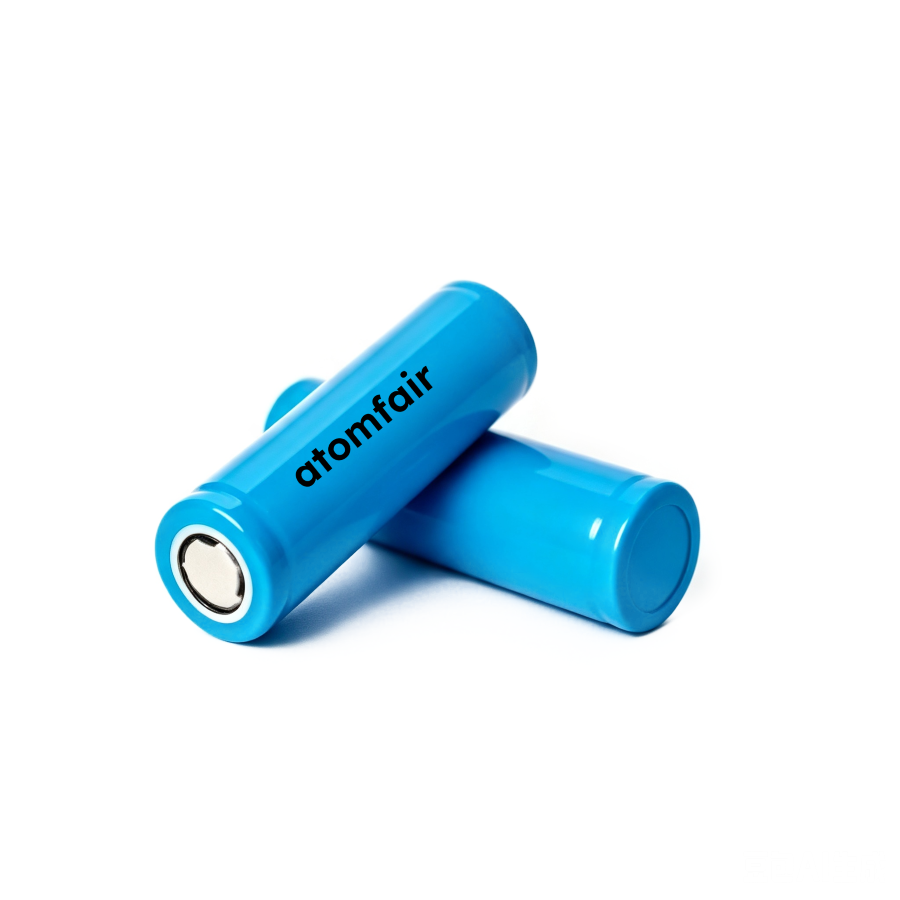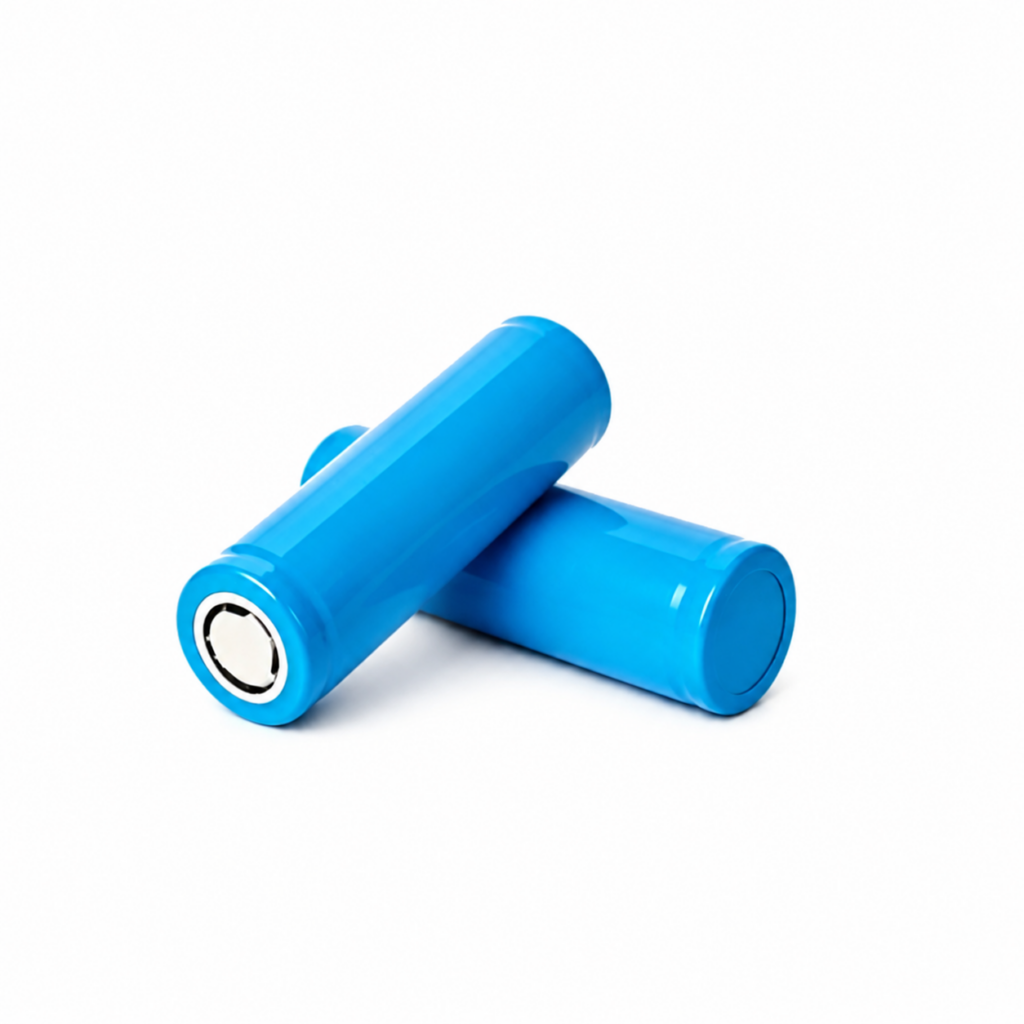
46120 Lithium Iron Phosphate Cylindrical Battery Series | ATOMFAIRCOMMERCIAL GRADE · PRODUCTION
|
|||||||||||||||||||||||||||||||||||||||
|
|||||||||||||||||||||||||||||||||||||||
|
TAILORED SOLUTIONS FOR RESEARCH
Contact our engineering team for technical support or official institutional quotations.
EMAIL: inquiry@atomfair.com
|
|||||||||||||||||||||||||||||||||||||||
|
Manufacturer: Atomfair LLC
Brand: ATOMFAIR®
|
|||||||||||||||||||||||||||||||||||||||
The 46120 LFP cells require strict voltage control to prevent degradation, with a maximum charge voltage of 3.65V ±0.05V and a discharge cutoff of 2.0V. They must be stored in anti-static trays with terminal protection caps within the rated operating temperature ranges to maintain safety and cycle life.
- Voltage Limits: Do not exceed 3.65V during charging or discharge below 2.0V.
- Series Balancing Requirement: Active cell balancing is strongly recommended for series strings above 24V.
- Operating Temperature Range: Charge between 0°C and 55°C, and discharge between -20°C and 60°C.
- Mechanical Storage: Store cells in anti-static molded trays with cell separators and keep terminal protection caps attached.
These instructions cover the safe handling, initial inspection, and charging setup for 46120 LFP cylindrical cells. Follow these steps to ensure proper voltage conditions and mechanical protection during deployment.
- Inspect Cells
Inspect each cell for physical damage and verify that terminal protection caps are intact. - Measure Open-Circuit Voltage
Measure the open-circuit voltage to confirm it is above the minimum discharge cutoff of 2.0V. - Set Charging Parameters
Set the charging source to a maximum voltage of 3.65V ±0.05V per cell. - Implement Balancing for Series Strings
Connect cells in series only with a battery management system that provides active cell balancing for strings exceeding 24V. - Store Safely
Place cells in an anti-static molded tray with separators and ensure terminal protection caps remain attached.
How do the charge/discharge rate and capacity trade-offs differ between the AF46120LFP01, AF46120LFP02, and AF46120LFP03 variants for high-power vs. high-energy applications?
The AF46120LFP01 is optimized for high-rate applications with 5C charge/20C discharge and 28.5Ah capacity, suitable for UPS and power tools. The AF46120LFP02 offers 3C/10C with 20.7Ah for light EV/HEV. The AF46120LFP03 provides 2C/3C with 22.9Ah for stationary storage where energy density and cycle life are prioritized. All variants guarantee >3000 cycles to 70% SOH under standard 1C/1C at 25°C.
What voltage management constraints must be considered when integrating these LFP cells into a battery pack, especially compared to NCM chemistries?
LFP cells have a lower nominal voltage of 3.2V and a maximum charge voltage of 3.65V ±0.05V. Do not discharge below 2.0V. For series strings above 24V, active cell balancing is strongly recommended to maximize cycle life due to the flat discharge voltage plateau, which simplifies SOC estimation but requires careful BMS design compared to NCM's sloping voltage curve.
What intrinsic safety features and environmental operating limits should be accounted for when deploying these cells in field applications?
The olivine LiFePO4 cathode eliminates thermal runaway—cells withstand nail penetration, overcharge, and external short circuit without fire or explosion. Operating temperature range is 0°C to 55°C for charge and -20°C to 60°C for discharge. Optional self-heating is available for sub-zero environments. Packaging includes anti-static molded trays with cell separators and terminal protection caps.
The 46120 LFP series offers three variants optimized for high-rate (20C pulse), energy, or capacity (28.5Ah) applications, delivering intrinsically safe olivine LiFePO4 chemistry with >3000 cycle life and 15-year calendar life, but requires active cell balancing for series strings above 24V and has a lower nominal voltage (3.2V) than NCM.
Positive
- Intrinsically safe olivine cathode: LiFePO4 chemistry eliminates thermal runaway; withstands nail penetration, overcharge, and external short circuit without fire or explosion.
- Ultra-long cycle life: All variants guarantee >3000 cycles to 70% capacity under standard 1C/1C at 25°C, with calendar life exceeding 15 years.
Trade-offs
- Lower nominal voltage than NCM: LFP cells have a nominal voltage of 3.2V compared to NCM, requiring more cells in series for equivalent pack voltage and affecting energy density.
- Active balancing required above 24V: For series strings above 24V, active cell balancing is strongly recommended to maximize cycle life and prevent capacity mismatch.
Every advanced material, component, equipment, and instrument in our catalog is backed by rigorous testing. We maintain strict internal quality management frameworks and align with CE conformity metrics to deliver transparent, reproducible performance data via our public open-science repository.
To request raw batch performance data, submit formal vendor registration paperwork, or execute a fast-turnaround R&D manufacturing loop, contact us at inquiry@atomfair.com.
Item is dispatched under the Atomfair Shipping & Delivery Framework (Free worldwide shipping on orders over $59 USD excl. heavy equipment). Return is governed by the Atomfair Return & Refund Policy (7-day technical return window).