
Battery Separators & Current Collectors
Battery Separators & Current Collectors includes the core materials used in battery cell assembly: standard separators, high-performance separators, pre-cut separator discs, and current collector foils. This category covers PE and PP separator rolls, ceramic-coated and other advanced separator types, coin cell separator discs, copper foil, aluminum foil, coated foils, composite foils, laminated foils, and selected specialty metal foils.
Separators sit between the positive and negative electrodes and allow ions to pass while preventing electrical contact. Current collectors support the electrode coating and carry electrons through the cell. For standard lithium-ion development, customers usually start with PE, PP, copper foil, and aluminum foil. For higher thermal stability, specialty chemistry, or interface-focused work, coated and advanced materials are a better fit.
This category is organized for practical buying decisions. If you are building standard cells, look first at basic separator rolls and standard collector foils. If you are building coin cells, choose pre-cut discs. If your work involves high-temperature, solid-state, or specialty electrochemical systems, the advanced separator and specialty foil sections are the right place to start.
Show More: Battery Separator & Current Collector Selection Guide
What This Category Covers
| Subcategory | What It Covers | Typical Customer Need |
|---|---|---|
| Battery Separators | PE, PP, PP/PE/PP, cellulose, and standard separator rolls | General lithium-ion, sodium-ion, and lab cell assembly |
| Advanced Separator Coatings & High-Temperature Separators | Ceramic-coated, PVDF-coated, LATP/LAGP, PTFE, glass fiber, and high-stability separators | Thermal stability, safety improvement, solid-state or specialty cell research |
| Pre-Cut Separator Discs | Coin cell separator discs in PP, PP/PE/PP, glass fiber, and related formats | Fast CR20XX / coin cell assembly with consistent dimensions |
| Current Collector Foils | Copper foil, aluminum foil, carbon-coated foil, composite foil, laminated foil, and specialty metal foils | Electrode coating, current collection, lightweight design, and specialty electrochemical substrates |
How to Choose by Workflow
| Workflow | Recommended Direction | Why It Matters |
|---|---|---|
| Standard electrode coating | Copper foil for anodes, aluminum foil for cathodes | Provides the conductive base for active material coating |
| General cell assembly | PE, PP, or PP/PE/PP separator rolls | Balances ion transport, mechanical separation, and process handling |
| Coin cell testing | Pre-cut separator discs | Saves preparation time and improves dimensional consistency |
| High-temperature or safety-focused testing | Ceramic-coated, PVDF-coated, or high-temperature separators | Supports better thermal stability and interface control |
| Solid-state or hybrid system screening | LATP, LAGP, ceramic, or specialty separators | Enables research beyond conventional liquid-electrolyte cells |
| Interface optimization | Carbon-coated copper or aluminum foil | Can improve contact behavior and electrode adhesion |
| Lightweight or advanced cell design | Composite copper/aluminum foil or laminated foil | Supports weight reduction and special cell architecture studies |
| Nonstandard electrochemical systems | Nickel, titanium, zinc, glass fiber, PTFE, or specialty substrates | Helps match corrosion resistance, electrolyte compatibility, and system chemistry |
Separator Families
Standard battery separators are typically selected by material, thickness, porosity, air permeability, thermal shrinkage, and mechanical strength. PE separators are widely used in lithium-ion research where shutdown behavior and thin film formats matter. PP separators are often selected for dimensional stability and process durability. PP/PE/PP trilayer separators combine layered structure with broader operating flexibility.
Advanced separators are selected when the project requires more than basic electrode separation. Ceramic-coated separators can improve thermal stability and mechanical robustness. PVDF-coated separators may support improved wettability and interface behavior. LATP, LAGP, PTFE, and glass fiber materials are more suitable for specialty battery systems, lithium-air research, high-retention electrolyte environments, or high-temperature screening.
Current Collector Families
Current collector foils should be selected according to electrode polarity and chemistry. Copper foil is typically used for lithium-ion anode-side work, while aluminum foil is commonly used on the cathode side. Carbon-coated foils are useful when better coating adhesion or interface contact is required.
Composite and laminated foils support more advanced research directions, including lightweight cell structures, safety-focused designs, and special anode or cathode concepts. Nickel, titanium, zinc, and other specialty metal foils can be used for specific electrochemical systems where corrosion resistance, substrate stability, or active metal behavior is part of the experiment.
Practical Buying Guide
| Buying Question | What to Check |
|---|---|
| Am I choosing a separator or a current collector? | Separators control ion flow and electrode isolation; current collectors control electron transport and support the coating layer. |
| Do I need roll material or pre-cut discs? | Rolls are better for continuous processing; discs are better for coin cell assembly. |
| Is this a standard lithium-ion system or a specialty chemistry? | Specialty systems may require glass fiber, PTFE, ceramic, titanium, zinc, or nickel materials. |
| Is thermal stability important? | Consider ceramic-coated, PVDF-coated, high-temperature, or inorganic separator systems. |
| Is coating adhesion or interface resistance a concern? | Carbon-coated current collector foils may be a better choice than bare metal foil. |
| Do I need fast lab assembly? | Pre-cut separator discs and pre-sized collector materials reduce preparation variability. |
| Do I need matched materials for comparison testing? | Choose separator and collector options carefully so performance differences come from the intended variable. |
FAQ
What is the difference between a battery separator and a current collector?
A separator sits between the positive and negative electrodes and allows ions to pass while preventing direct electrical contact. A current collector is the conductive foil or substrate that carries electrons from the electrode coating to the external circuit.
Which separator should I choose for general lithium-ion battery research?
PE, PP, and PP/PE/PP separators are common starting points. The best option depends on thickness, porosity, air permeability, thermal shrinkage, and the target cell format.
When should I use an advanced or coated separator?
Use an advanced separator when the project requires better thermal stability, improved interface behavior, stronger mechanical durability, or compatibility with specialty systems such as solid-state, lithium-air, or high-temperature research.
When are pre-cut separator discs better than separator rolls?
Pre-cut separator discs are better for coin cell assembly because they reduce manual cutting, improve size consistency, and speed up repetitive lab work. Rolls are better when you need flexible cutting, coating, or larger-format assembly.
Which current collector foil is used for lithium-ion anodes and cathodes?
Copper foil is typically used for lithium-ion anodes, while aluminum foil is typically used for cathodes. Coated or composite options may be selected for specific performance or process goals.
Why choose carbon-coated current collector foil?
Carbon-coated foil can support better surface contact, coating adhesion, and interface consistency in application-dependent testing. It is commonly considered when bare metal foil does not provide the desired electrode interface behavior.
Can specialty materials like glass fiber, PTFE, titanium, zinc, or nickel be used in this category?
Yes. These materials are useful for specific electrochemical systems or research conditions, but they should be selected based on chemistry, electrolyte compatibility, temperature range, and experimental purpose.
Should I buy separators and current collectors together?
For cell development, it is often useful to select them together because separator behavior and current collector surface properties both affect test consistency, assembly quality, and cell performance.
Showing 81–96 of 107 results
-
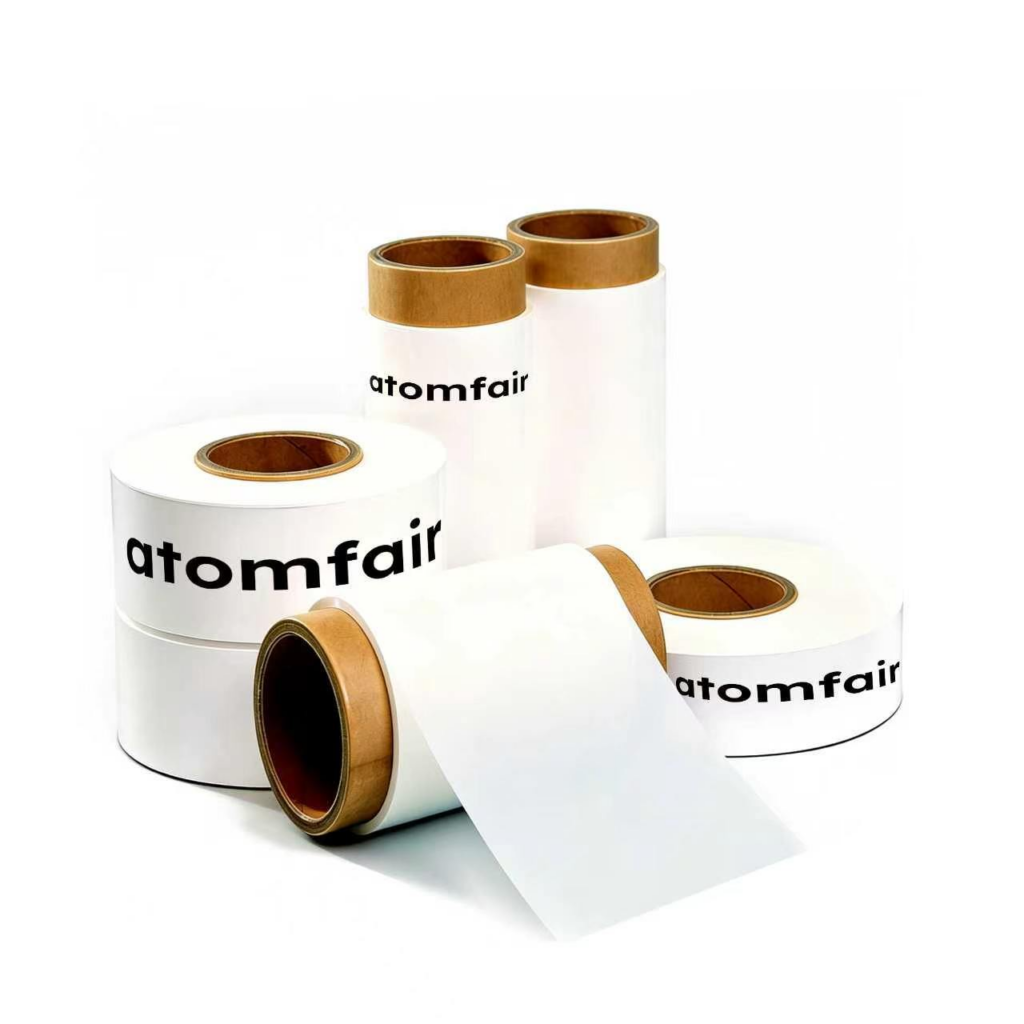
PP‑PE‑PP Trilayer Separator Roll 60mm 100m Dry‑Process
$205.00 -
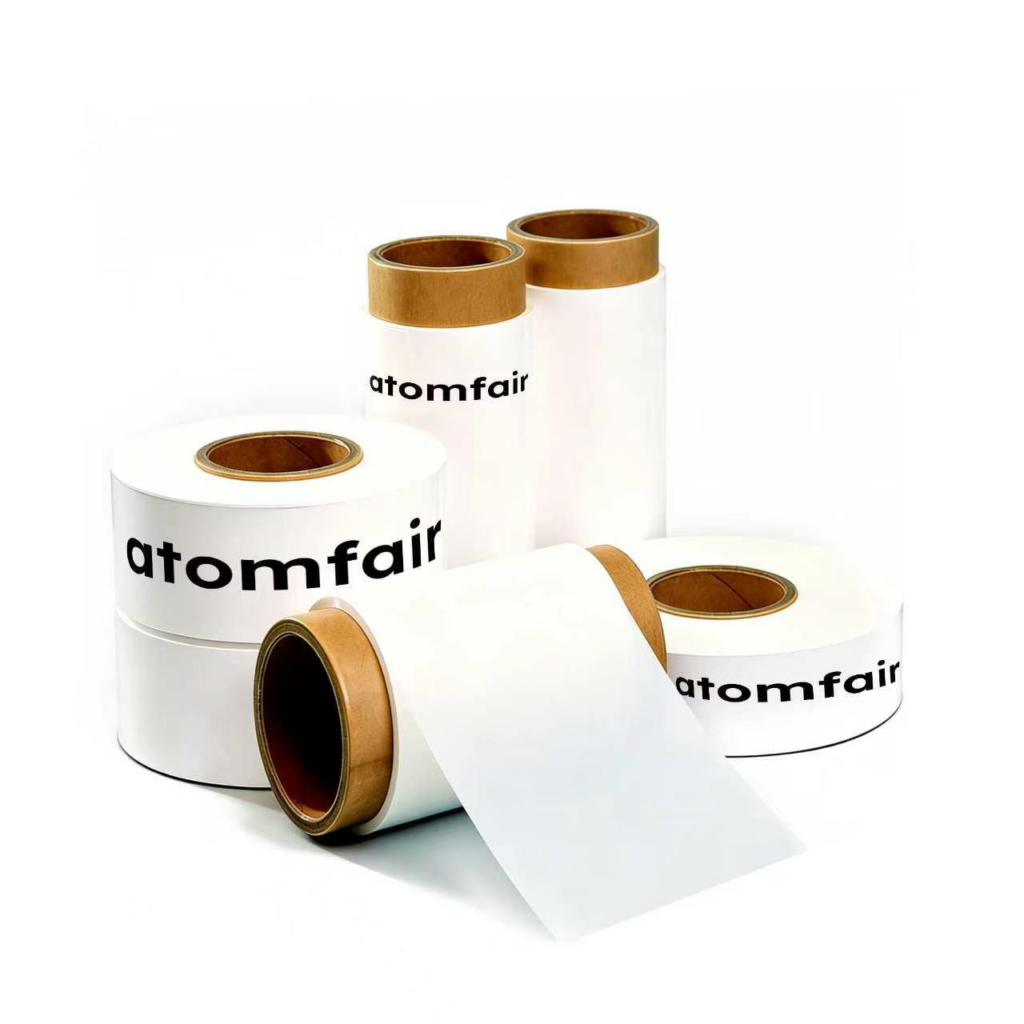
PP/PE/PP Trilayer Battery Separator 20μm 500m ATOMFAIR®
$298.95 -
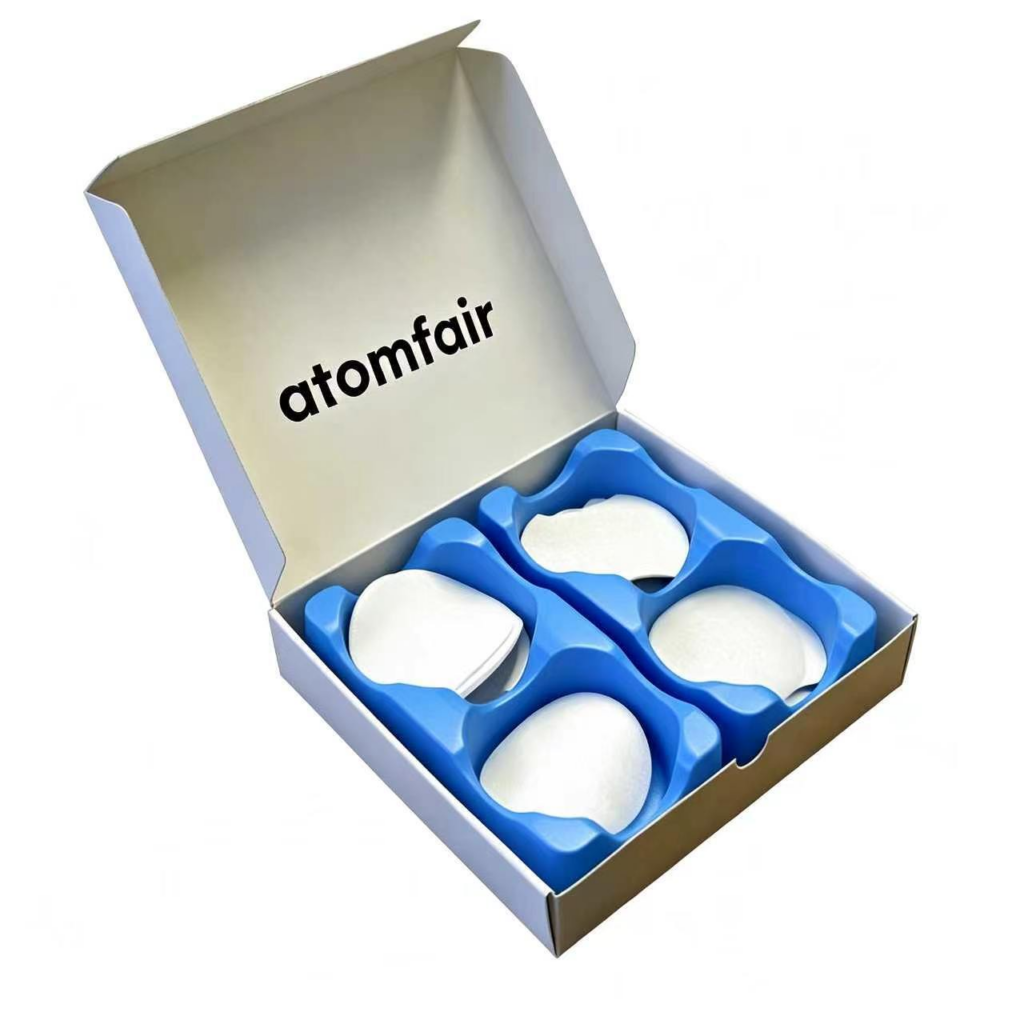
PP/PE/PP Trilayer Separator Disk 25μm 40% Porosity ATOMFAIR®
$78.00 -
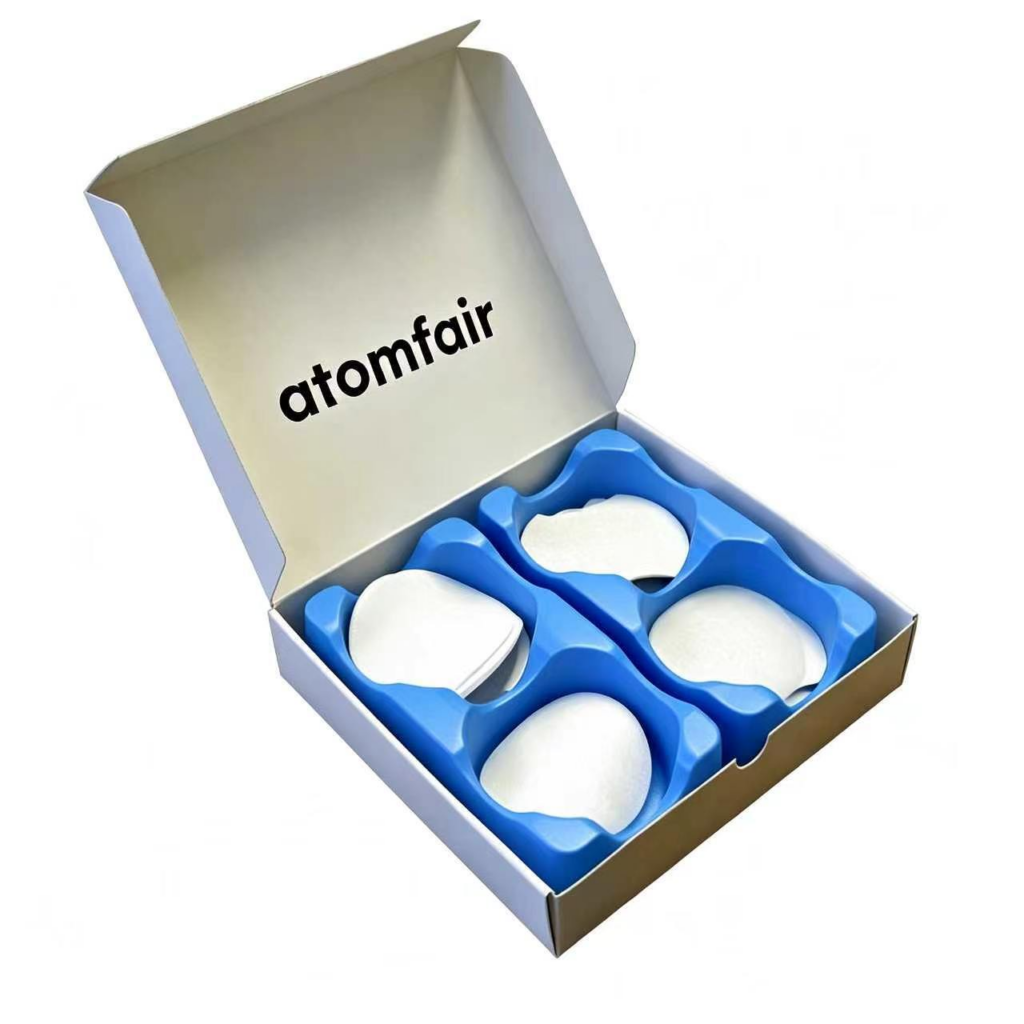
Pre-cut Polypropylene Disc 16.2mm 16μm CR20XX ATOMFAIR®
$39.00 -
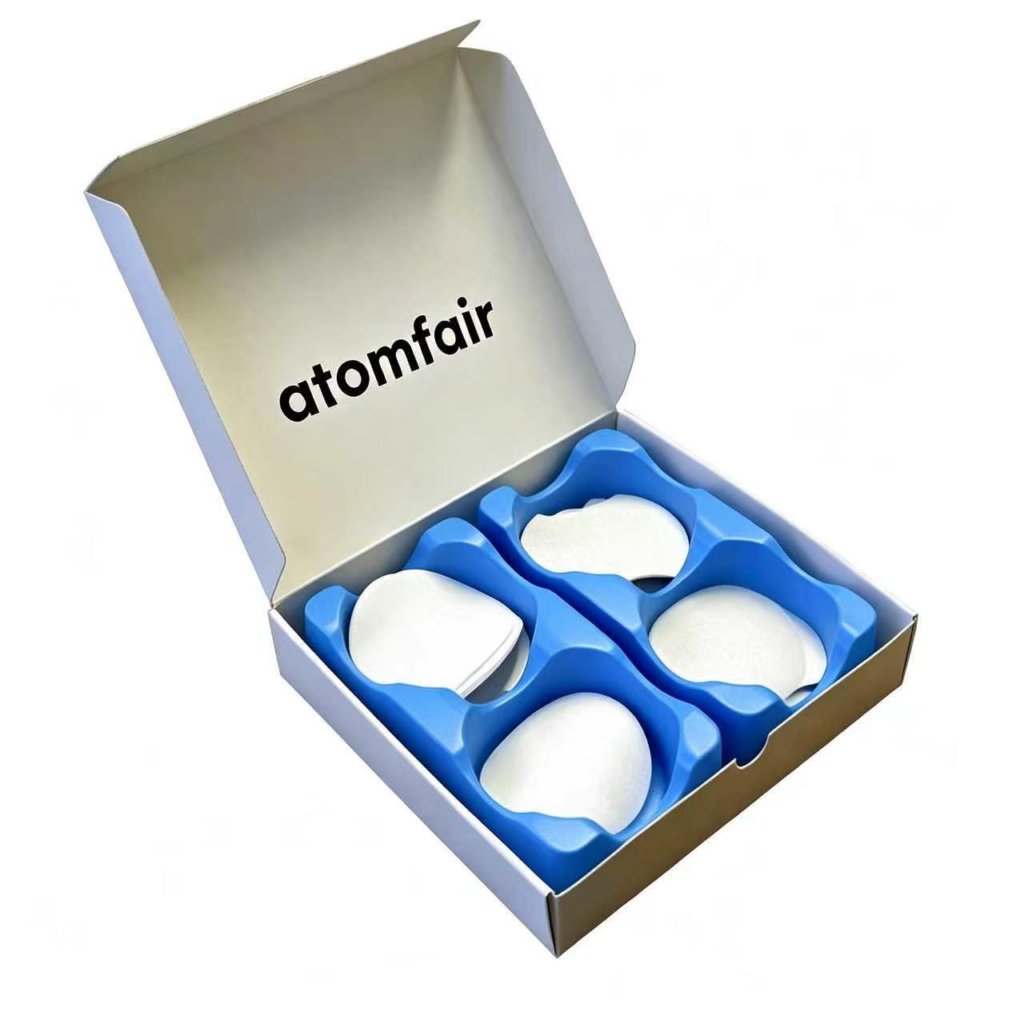
Pre-cut Polypropylene Disc CR20XX 16μm – ATOMFAIR®
$206.00 -
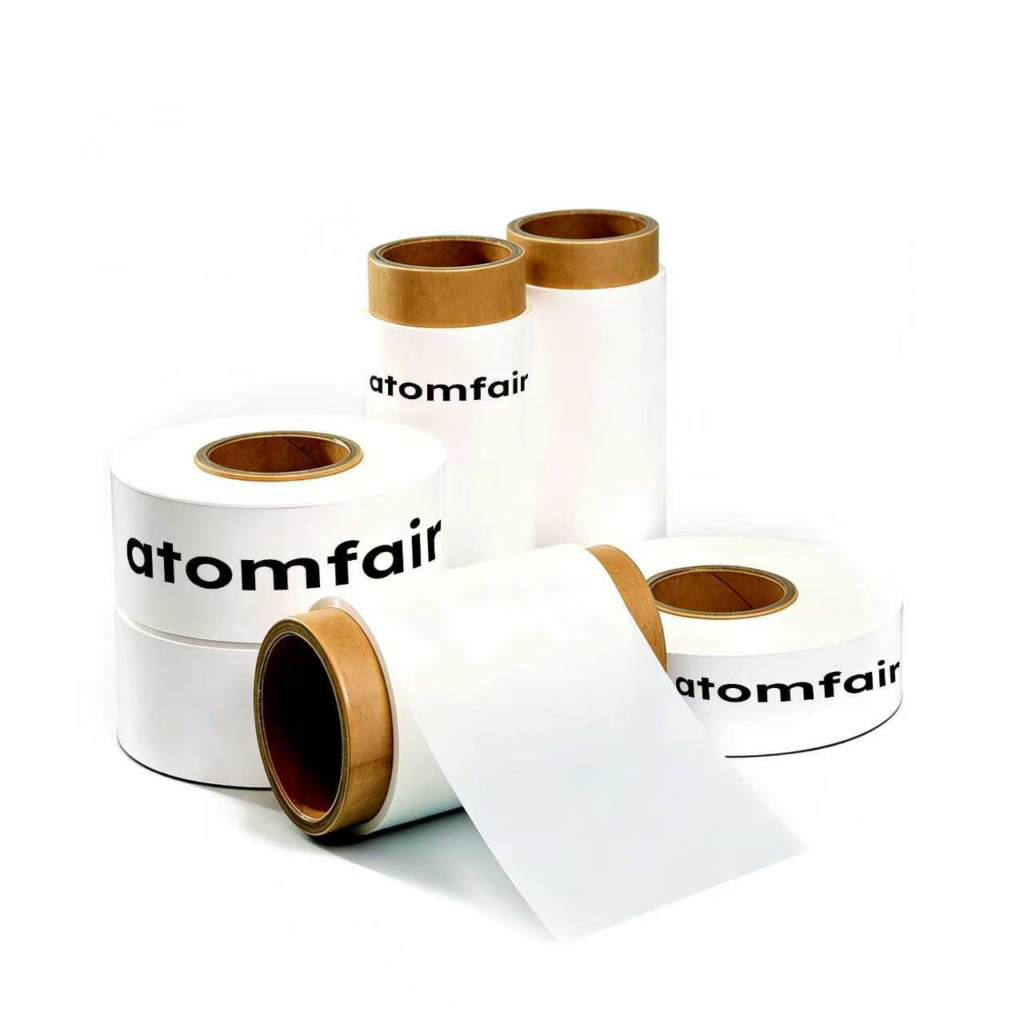
PVDF Coated Separator 12+2+2μm 60mm 100m
$189.00 -
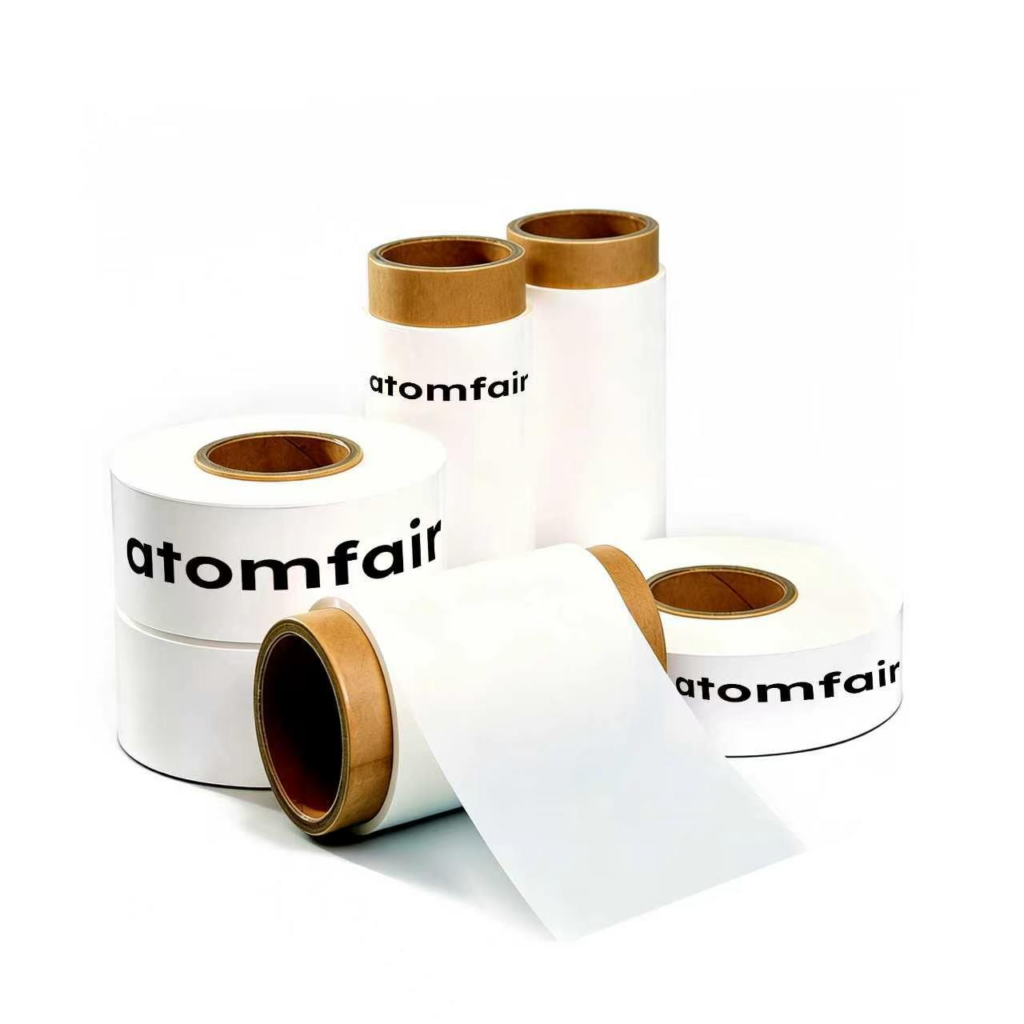
Single-Side LATP Coated PE Separator 16μm 100m ATOMFAIR®
$150.00 -
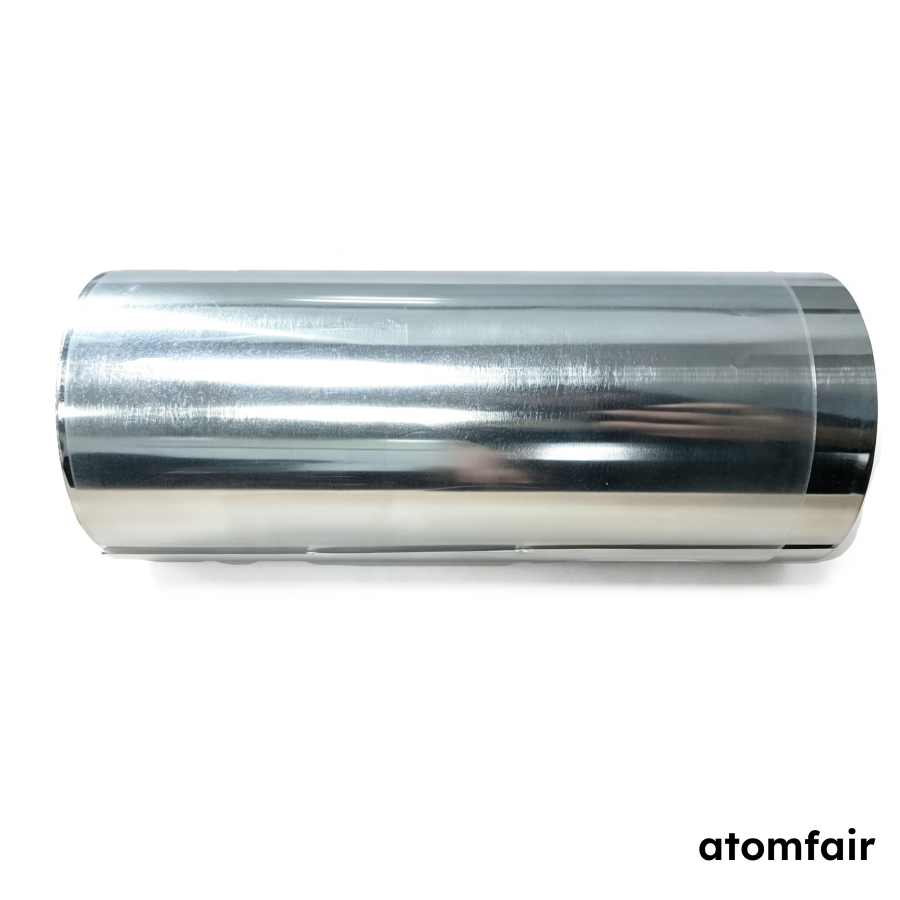
Tin-Plated Copper Foil 1-5 μm Research Grade ATOMFAIR®
$459.00 -
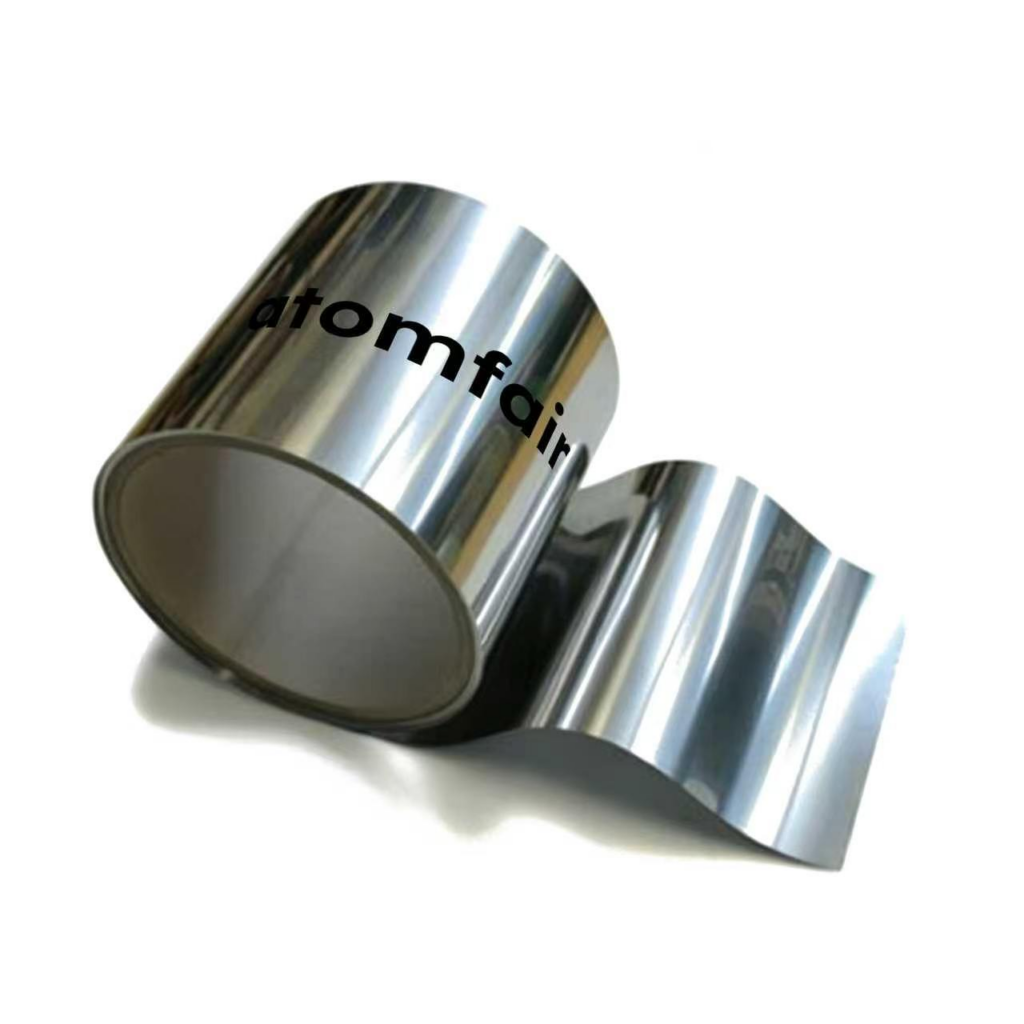
Titanium Foil 150x150x0.1mm Research Grade ATOMFAIR®
$202.00 -
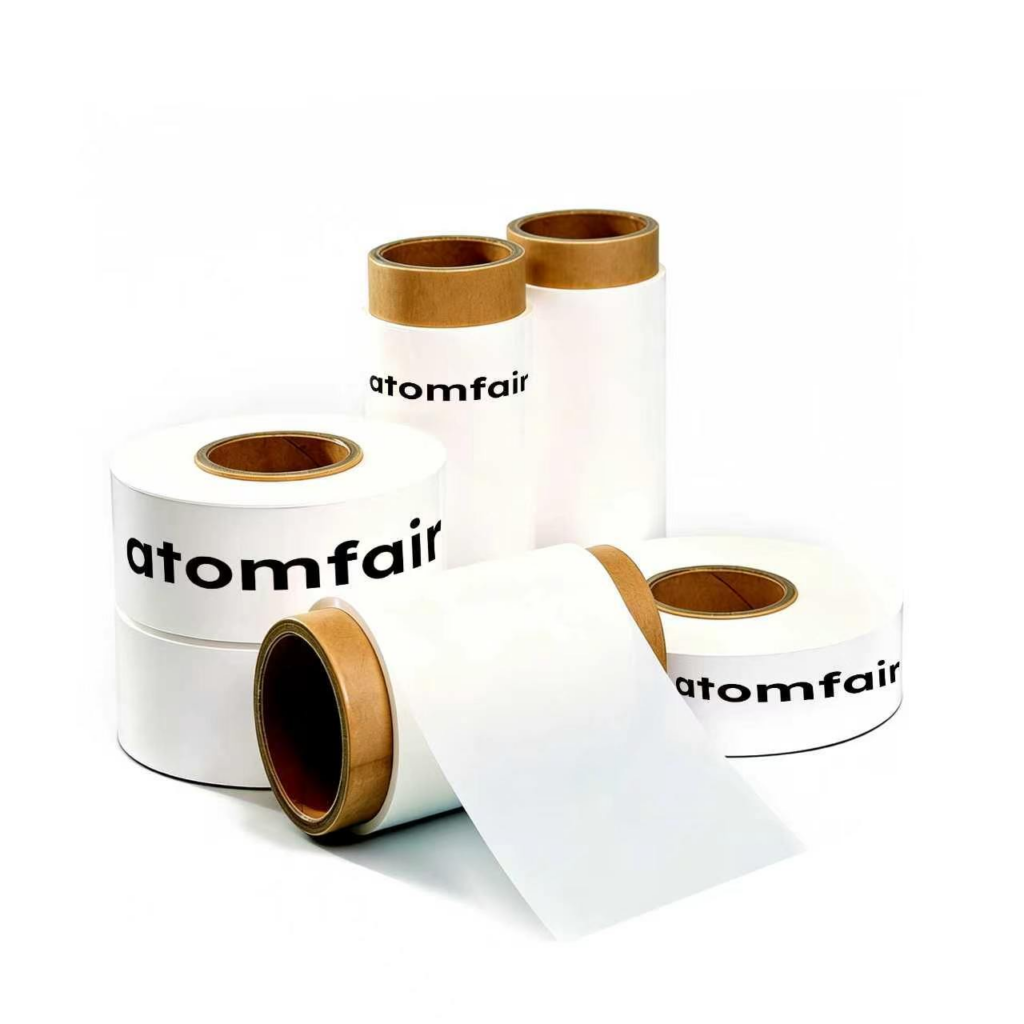
Wet PE Separator 9μm 60mm 20 m² High Tensile
$160.00 -
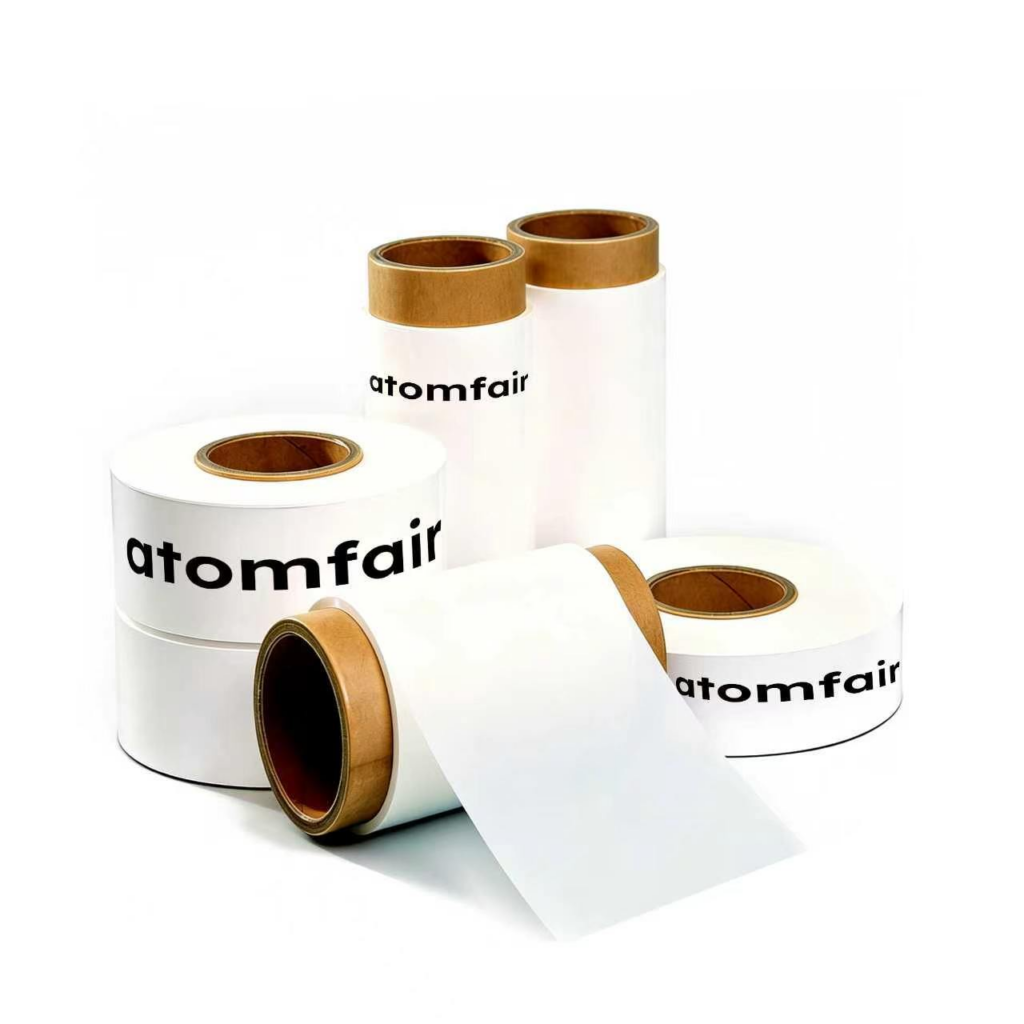
Wet PE Separator20μm 722g Puncture Strength
$160.00 -
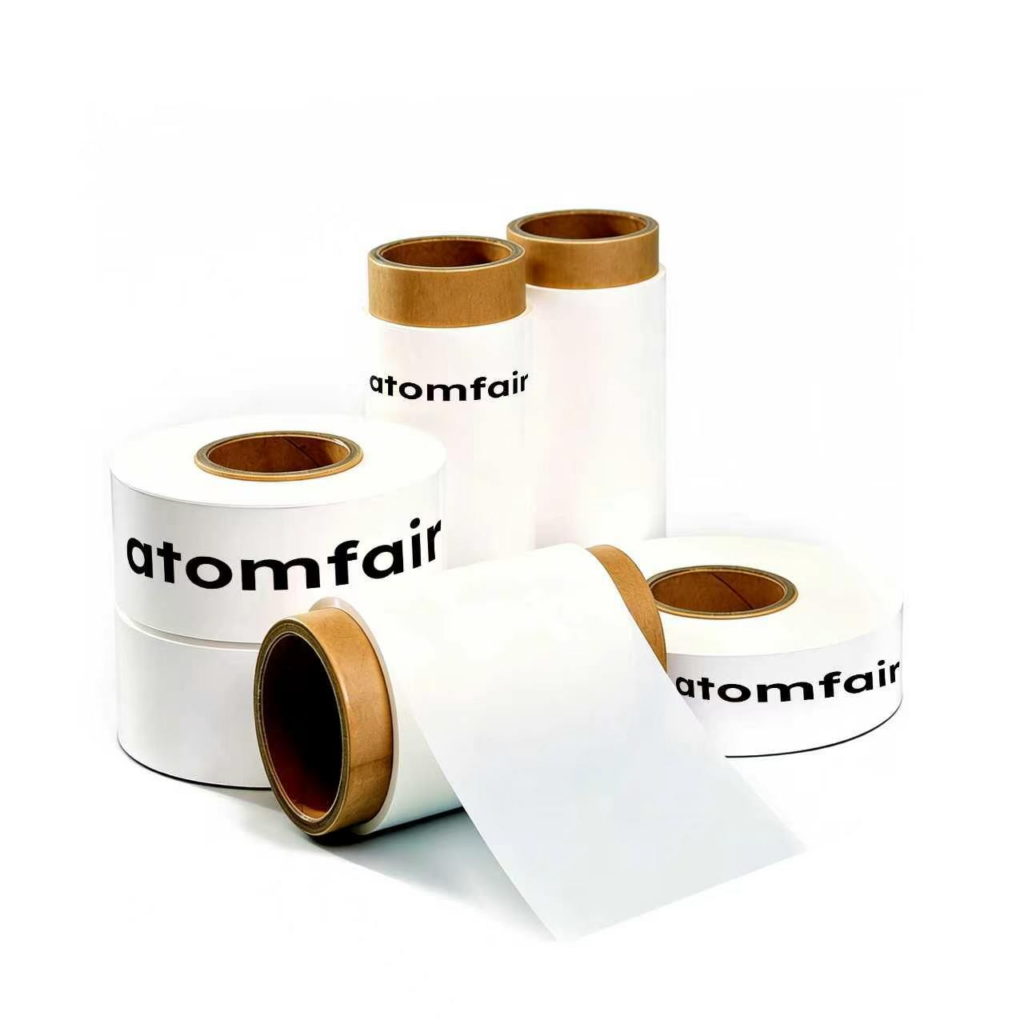
Wet Process PE Separator 16μm 60mm×10m Research ATOMFAIR®
$58.00 -
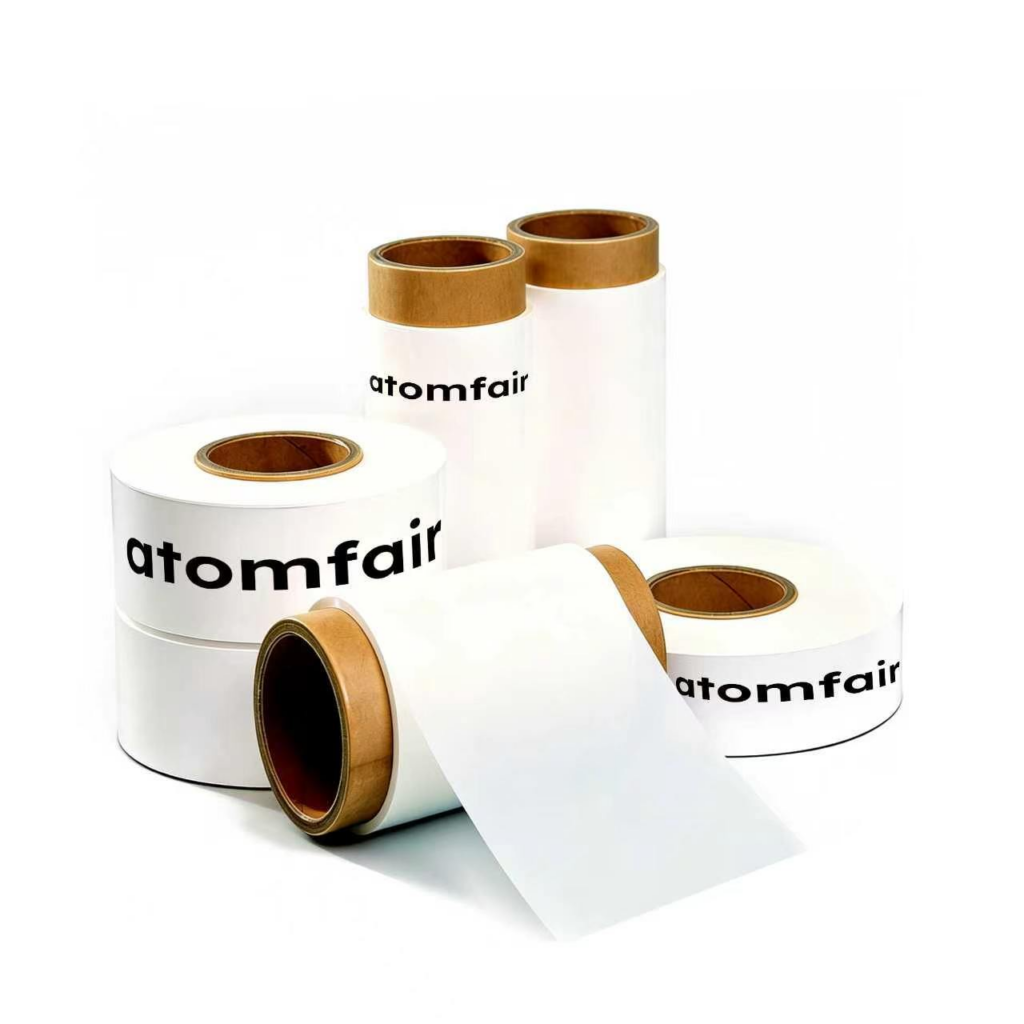
Wet Process PE Separator 7μm 60mm Li-Rich ATOMFAIR®
$58.00 -
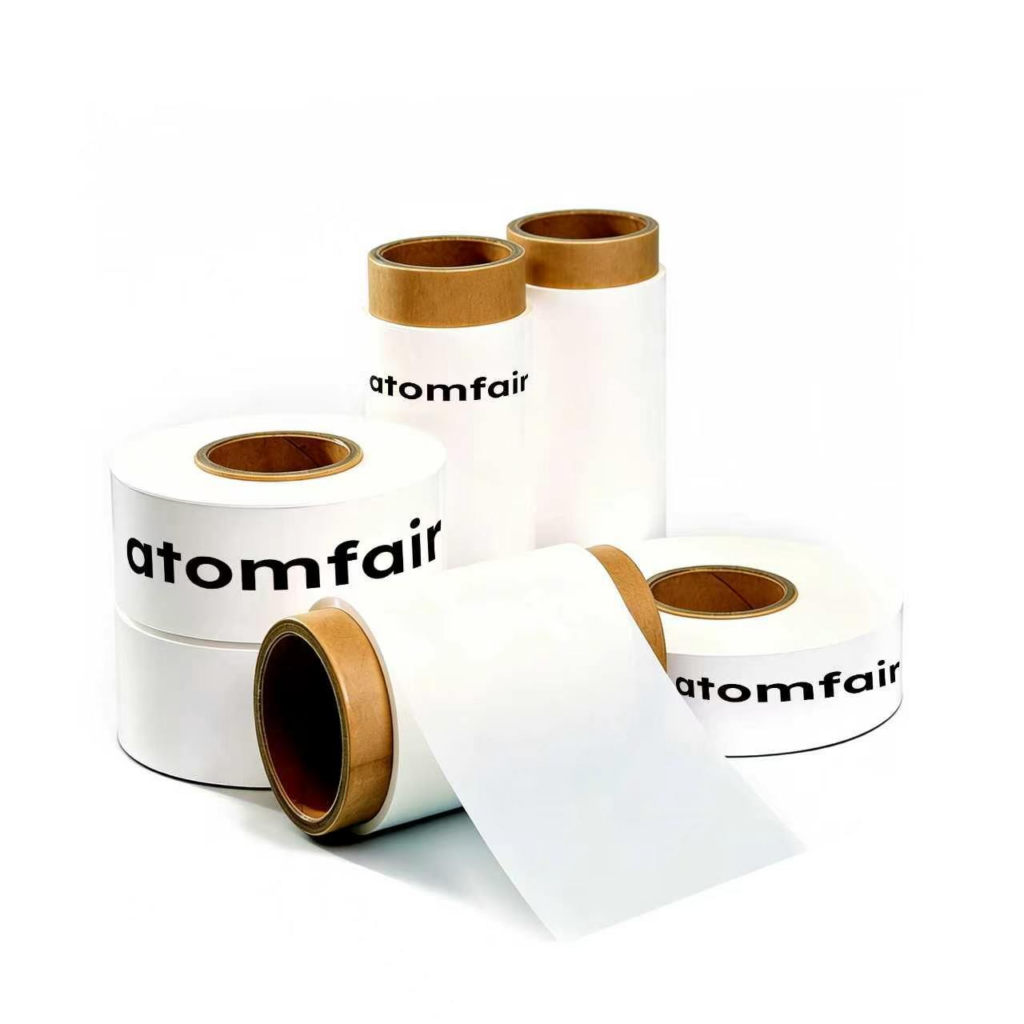
Wet Process PE Separator 9μm 60mm×10m Battery Grade ATOMFAIR®
$58.00 -
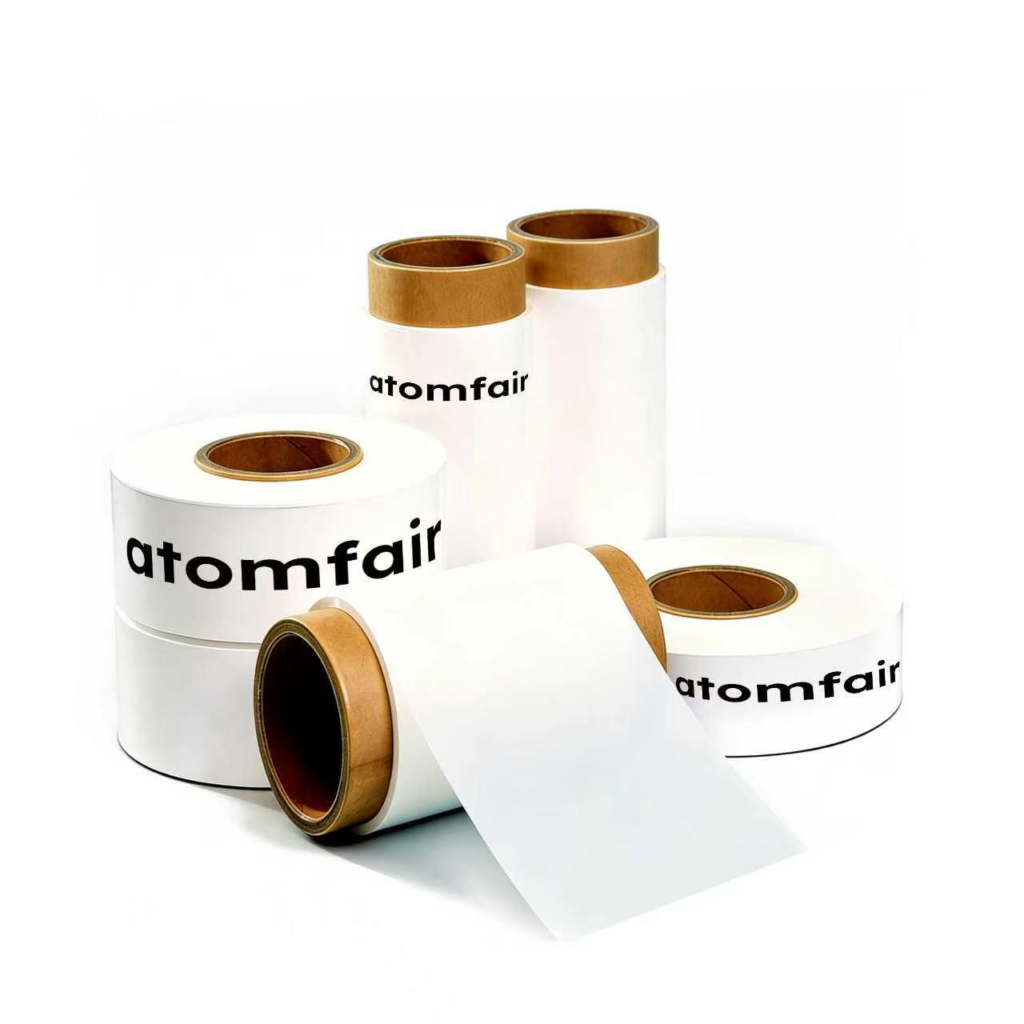
Wet-PE Separator 14µm 60mm 100m Research Grade
$150.00 -
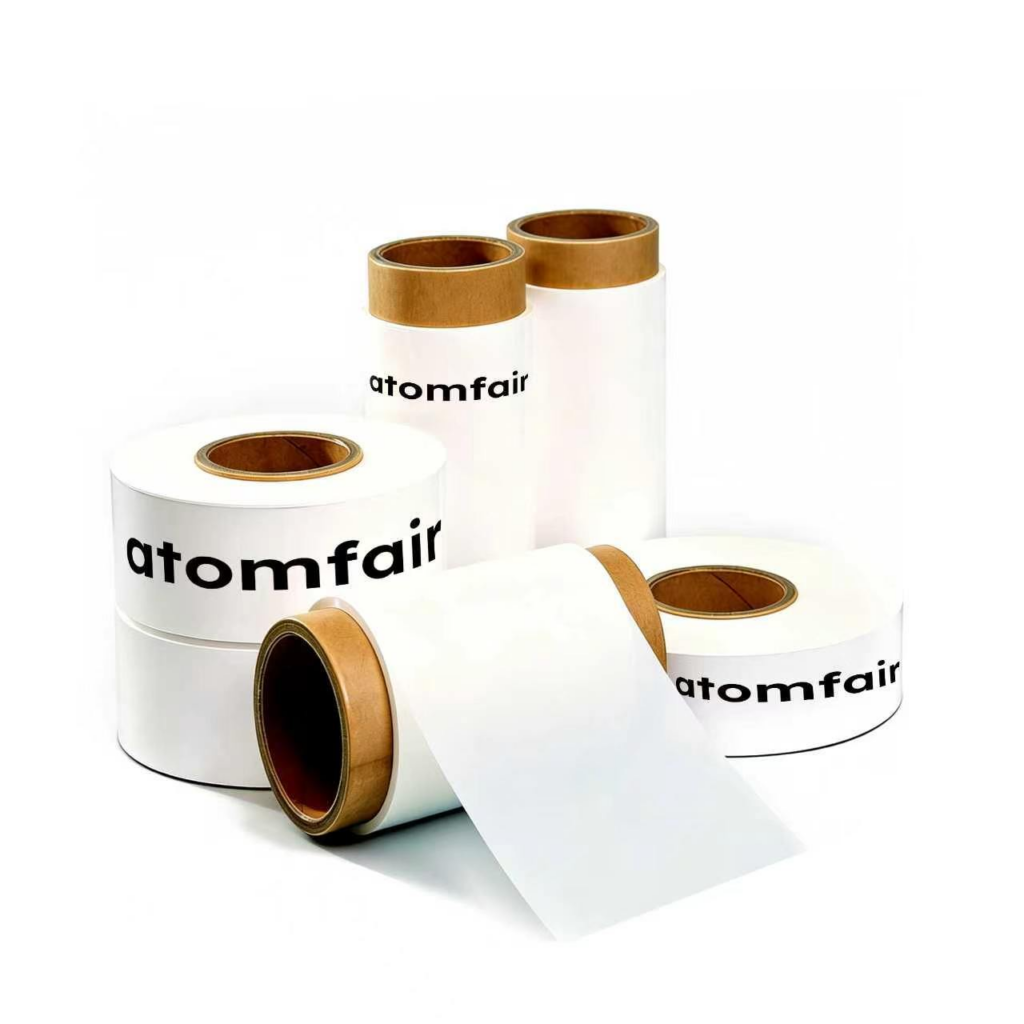
Wet-Process PE Separator 16μm 60mm × 100m ATOMFAIR®