
Nanomaterials, Carbon & Framework Materials
Nanomaterials, Carbon & Framework Materials provides advanced material systems for research, functional formulation development, device fabrication, and high-performance composite design. This category covers material structures from zero-dimensional nanostructures to one-dimensional, two-dimensional, and porous three-dimensional architectures, including carbon nanotubes, graphene materials, fullerenes, mesoporous carbon, quantum dots, inorganic nanomaterials, MXenes, MAX phases, MAB phases, graphene-like layered materials, porous nanomaterials, and framework materials such as MOFs, COFs, and zeolites.
Materials are available in forms such as powders, dispersions, films, papers, fibers, sponges, coatings, crystals, templates, supported substrates, and composite masterbatches. Whether your project requires conductivity, reinforcement, adsorption, catalysis, optical response, sensing, separation, energy-storage functionality, or surface modification, materials can be selected according to composition, structure, size range, surface chemistry, and processing form.
Nanomaterial performance is closely related to particle size, aspect ratio, layer state, pore structure, purity, surface treatment, dispersion medium, and processing method. Start with the intended application and fabrication route, then compare the relevant material family, form, and key specifications to identify a suitable material solution.
Show More: Explore Nanomaterials by Material System and Structure
Material Families at a Glance
| Material Category | Main Material Directions | Common Forms | Typical Areas of Interest |
|---|---|---|---|
| Carbon Nanotubes | Single-wall, double-wall, multi-wall, short, long, functionalized, graphitized, doped, coated, and composite CNTs | Powders, dispersions, slurries, films, papers, fibers, sponges, coatings, masterbatches | Conductive additives, thermal and mechanical composites, flexible conductors, sensors, electrodes, functional coatings |
| Graphene Powders | Graphene, graphene oxide, reduced graphene oxide, fluorinated graphene, and surface-modified graphene | Powders, dispersions, composite materials, supported materials | Conductivity, thermal management, barrier layers, reinforcement, lubrication, adsorption, coatings, energy materials |
| Fullerenes | Cage-like carbon molecules and high-purity fullerene materials | Powders, research-scale packs, solution systems | Organic electronics, photovoltaic research, radical chemistry, molecular materials, nanocarbon studies |
| Mesoporous Carbon | Mesoporous carbon, hollow carbon spheres, carbon nanocages, carbon nanoflowers, and related porous carbon structures | Powders, particles, porous structures | Adsorption, catalyst supports, electrochemistry, separation, mass transfer, composites |
| Graphene-Like Materials | Layered crystals, transition-metal chalcogenides, layered compounds, and other two-dimensional materials | Crystals, flakes, powders, dispersions, supported substrates | 2D electronics, optoelectronics, sensing, catalysis, exfoliation, fundamental materials research |
| MXene Materials | MXenes with different compositions, layer states, and surface terminations | Multilayer powders, few-layer dispersions, nanoflakes, composite systems | Conductive electrodes, electromagnetic shielding, sensing, energy storage, adsorption, 2D composites |
| MAX Phase Ceramic Materials | Layered ceramic precursors with different M-A-X compositions | Powders | High-temperature structures, ceramic research, etching and exfoliation precursors, functional composites |
| MAB Phase Ceramic Materials | Layered boride ceramics with different M-A-B compositions | Powders | Layered ceramics, high-temperature materials, structural materials, emerging 2D-material research |
| Inorganic Nanomaterials | Oxides, fluorides, metals, inorganic nanoparticles, templates, and functionalized nanoscale systems | Powders, dispersions, templates, supported materials | Optics, magnetics, catalysis, ceramics, surface engineering, template synthesis, nanocomposites |
| One-Dimensional Nanomaterials | Nanowires, nanorods, nanofibers, cellulose nanocrystals, and other high-aspect-ratio materials | Powders, dispersions, films, fiber forms | Conductive networks, reinforcement, flexible devices, filtration, sensing, bio-based materials |
| Porous Nanomaterials | Nanoporous, hollow, hierarchical porous, and high-surface-area materials | Powders, particles, templates, membranes, composite structures | Adsorption, separation, catalysis, energy storage, delivery systems, interface engineering |
| Quantum Dots | Graphene quantum dots, carbon quantum dots, semiconductor quantum dots, functionalized quantum dots | Powders, dispersions, solutions | Luminescence, imaging, optoelectronic devices, sensing, labeling, photocatalysis |
| Framework Materials | MOFs, COFs, zeolites, and other porous framework systems | Powders, crystals, particles, composite systems | Gas adsorption, separation, catalysis, sensing, ion transport, porous composites |
Select Materials by Application Goal
| Primary Goal | Material Directions to Consider | Key Selection Factors |
|---|---|---|
| Improve composite conductivity | Carbon nanotubes, graphene, MXenes, one-dimensional nanomaterials | Conductive-network formation, aspect ratio or sheet structure, dispersibility, compatibility with resin or solvent |
| Achieve high surface area or adsorption capacity | Mesoporous carbon, porous nanomaterials, MOFs, COFs, zeolites | Pore-size range, pore volume, surface area, functional groups, stability in the target medium |
| Optical, luminescent, or imaging research | Quantum dots, fullerenes, selected inorganic nanomaterials | Composition, particle size, surface modification, dispersion medium, optical characteristics |
| Develop 2D or layered-material devices | Graphene-like materials, MXenes, MAX phases, MAB phases | Layer state, crystal quality, flake dimensions, surface termination, exfoliation and processing route |
| Prepare functional coatings, films, or flexible structures | Carbon nanotubes, graphene, one-dimensional nanomaterials, quantum dots | Dispersion concentration, film-forming behavior, substrate compatibility, flexibility, post-treatment conditions |
| Catalyst, support, or interface research | Inorganic nanomaterials, mesoporous carbon, MOFs, COFs, graphene-like materials | Composition, particle size, pore structure, surface active sites, loading method, reaction environment |
| High-temperature or structural ceramic applications | MAX phases, MAB phases, selected inorganic nanomaterials | Chemical composition, phase purity, particle size, thermal stability, sintering or etching route |
What to Compare Before Selection
Material composition and purity: These determine the material’s fundamental properties, impurity sensitivity, and compatibility with other components. Composition and purity are particularly important for optical, catalytic, electronic, and high-temperature applications.
Particle size, flake size, and aspect ratio: These characteristics affect surface area, dispersion behavior, packing, conductive pathways, and reinforcement performance. Compare the relevant dimensional specification for nanoparticles, nanowires, nanotubes, and layered materials.
Surface chemistry and functionalization: Surface treatment can influence wettability, charge state, interfacial bonding, dispersion stability, and chemical reactivity. This is especially important when materials will be combined with polymers, solvents, biological systems, or other nanomaterials.
Material form and dispersion medium: Powders support custom formulation and processing; dispersions and slurries can simplify coating, casting, and solution-based processing. Films, papers, fibers, sponges, templates, and supported substrates can provide a direct route to structural or device research.
Pore structure and layer state: For mesoporous carbon, framework materials, and porous nanomaterials, compare pore size, pore volume, and surface characteristics. For MXenes, graphene-related materials, and layered ceramics, consider whether the material is supplied as a multilayer powder, few-layer dispersion, nanoflake, or crystal.
Before You Order
- Which form is required: powder, dispersion, film, fiber, crystal, template, or composite?
- What is the main performance target: conductivity, thermal management, reinforcement, adsorption, catalysis, optics, sensing, or separation?
- Are particle size, flake dimensions, aspect ratio, pore size, layer number, purity, or surface functional groups critical?
- Which solvent, polymer, substrate, catalyst system, or biological system will the material be used with?
- What is the planned process: mixing, coating, printing, film formation, sintering, exfoliation, etching, loading, or device assembly?
Frequently Asked Questions
How should I choose between carbon nanotubes and graphene?
Both materials can support conductive, reinforcing, and functional composite applications, but their structures are different. Carbon nanotubes form one-dimensional tubular networks, while graphene provides two-dimensional sheet-like structures. Consider the desired conductive pathway, composite form, dispersion method, interface requirements, and processing route instead of comparing material names alone.
What is the difference between powders, dispersions, and films?
Powders are suitable for users developing their own formulations and dispersion processes. Dispersions are useful for direct coating, mixing, film formation, or solution processing. Films, papers, fibers, and sponges are better suited to applications that require a ready-made conductive, flexible, filtering, or structural form. Check the medium, concentration, dimensions, and substrate compatibility before selecting.
What are quantum dots commonly used for?
Quantum dots are commonly used in luminescence, imaging, optoelectronic conversion, sensing, labeling, and photocatalysis research. Compare chemical composition, surface modification, particle size, dispersion medium, concentration, and relevant optical characteristics, then confirm compatibility with the excitation source, solvent, and substrate in your application.
What is the difference between MXenes, MAX phases, and MAB phases?
All are layered material systems, but they differ in composition, structure, and common processing routes. MAX and MAB phases are generally studied as layered ceramic materials or precursors, while MXenes are frequently used as multilayer powders, few-layer dispersions, or nanoflakes for two-dimensional functional material applications. Select according to the required composition, layer state, and downstream process.
How do I choose between MOFs, COFs, and zeolites?
All three are important porous framework materials, but their framework composition, pore structure, stability, and functional characteristics differ. Compare them based on the target adsorbate or separation target, operating temperature and medium, pore-size requirements, activation needs, and whether the final material will be used as a powder, membrane, or composite.
What are porous carbon and porous nanomaterials used for?
They are commonly used for adsorption, catalyst supports, separation, energy storage, mass transfer, and interface engineering. Pore size, pore volume, surface area, morphology, and surface chemistry can vary significantly, so selection should be based on the target molecular size, working medium, mass-transfer requirement, and final shaping or processing method.
Is a smaller particle size always better?
Not necessarily. Smaller particles can provide higher surface area, but they may also increase agglomeration, dispersion difficulty, viscosity changes, or stability concerns. The appropriate size depends on the performance target, dispersion system, processing equipment, and final product form.
How should I choose a surface-functionalized nanomaterial?
First define the purpose of functionalization, such as improving solvent dispersibility, strengthening polymer interfacial bonding, introducing reactive sites, improving biological compatibility, or adjusting surface charge. Then compare suitable functional groups or treatments, such as carboxyl, hydroxyl, amino, fluorination, doping, or other surface modifications, and confirm chemical compatibility with the intended system.
Can I search for non-standard sizes, concentrations, or material forms?
Yes. Start with the target material system, application purpose, required form, key specifications, and estimated quantity. For non-standard particle size, layer state, surface treatment, dispersion concentration, packaging, or composite form, providing the intended process and use environment will help identify a more suitable material option.
Showing 1089–1093 of 1093 results
-
CdZnS/ZnS Quantum Dots 460 nm, 3 mg/mL 10 mL ATOMFAIR®
$597.00 -
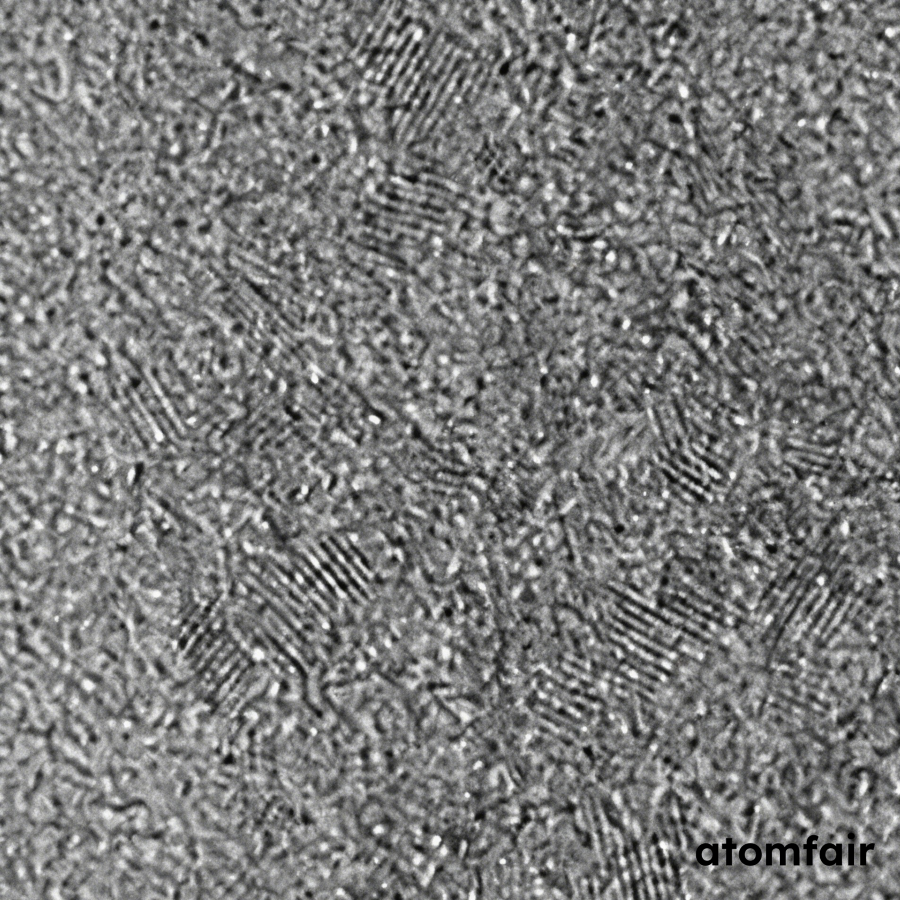
SnO2 Quantum Dot Dispersion 60 mg/mL 50 mL ATOMFAIR®
$210.00 -
SnO2 Quantum Dots Powder 2–5 nm 72at%, 1 g ATOMFAIR®
$120.00 -
SnO2 Quantum Dots Powder 2–5 nm, ~72at%, 2 g ATOMFAIR®
$190.00 -
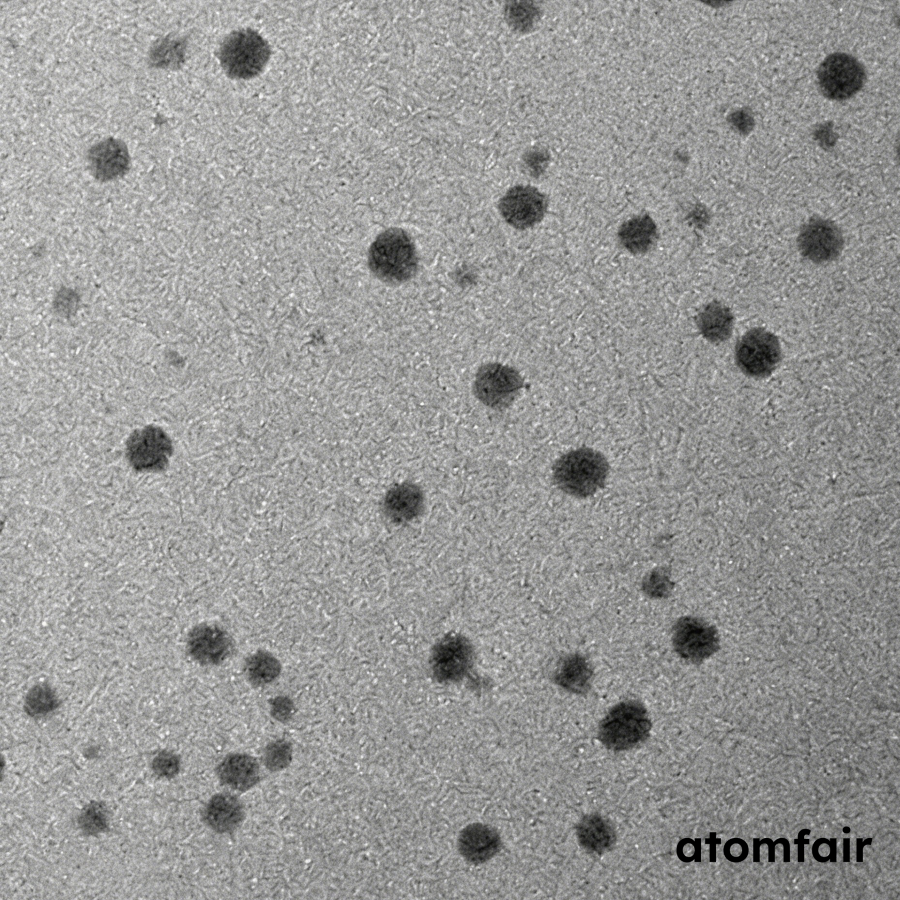
Ag2S Quantum Dots 0.1 mg/mL 50 mL Water Dispersion ATOMFAIR®
$453.00