
Chalcogenide Evaporation Materials
Chalcogenide evaporation materials are compound source materials containing sulfur (S), selenium (Se), and/or tellurium (Te) for vacuum thin-film deposition. They are widely used in optical and infrared coatings, semiconductor devices, optoelectronics, thermoelectric materials, phase-change memory, two-dimensional materials, and functional thin-film research.
This category covers binary sulfides, selenides, and tellurides, as well as multicomponent chalcogenide compounds, phase-change materials, and composition-customized material systems. Materials can be selected by purity, physical form, particle size, dimensions, packaging quantity, and deposition requirements.
When selecting a chalcogenide evaporation material, consider the chemical composition, target film properties, evaporation source configuration, substrate conditions, and required control of film composition. Custom specifications can be supported for projects requiring a specific composition, purity, form, or non-standard size.
Explore Chalcogenide Evaporation Materials
Material Systems
| Material Family | Typical Compositions | Common Application Areas |
|---|---|---|
| Metal Sulfides | ZnS, CdS, PbS, Bi2S3, Sb2S3, MoS2, WS2 | Optical coatings, semiconductor films, photoelectric conversion, two-dimensional materials, and functional coatings |
| Metal Selenides | ZnSe, CdSe, PbSe, Bi2Se3, Sb2Se3, InSe, GaSe | Infrared optics, optoelectronics, semiconductor research, topological materials, and layered materials |
| Metal Tellurides | ZnTe, CdTe, PbTe, Bi2Te3, Sb2Te3, GeTe, SnTe | Thermoelectric materials, infrared devices, semiconductor films, phase-change materials, and memory research |
| Multicomponent Chalcogenides | Ge-Sb-Te, Cu-In-Se, Cu-Ga-Se, Cu-Zn-Sn-S | Phase-change memory, thin-film photovoltaics, functional semiconductors, and composition-tunable films |
| Chalcogenide Glasses and Specialty Systems | As-S, As-Se, Ge-Se, Ge-S | Infrared-transmitting materials, optical films, amorphous materials, and specialty device research |
Application-Oriented Selection
| Application Need | Material Directions to Consider | Key Selection Factors |
|---|---|---|
| Optical and Infrared Films | Zinc chalcogenides, lead chalcogenides, tellurides, and chalcogenide glass systems | Transmission range, refractive index, film uniformity, and substrate compatibility |
| Semiconductor and Optoelectronic Devices | CdS, CdSe, CdTe, InSe, GaSe, ZnSe, ZnTe, and related materials | Band structure, composition control, purity, and device architecture |
| Thermoelectric Films | Bi2Te3, Sb2Te3, PbTe, SnTe, GeTe, and related telluride systems | Stoichiometry, purity, film composition stability, and post-deposition treatment |
| Phase-Change and Memory Materials | GeTe, Sb2Te3, Ge-Sb-Te, and related multicomponent systems | Exact composition, phase-change behavior, film thickness, and process repeatability |
| Two-Dimensional and Layered Materials | MoS2, WS2, MoSe2, WSe2, and related layered chalcogenides | Film structure, deposition rate, substrate temperature, and annealing conditions |
| Photovoltaic and Energy Materials | Cu-In-Se, Cu-Ga-Se, Cu-Zn-Sn-S, and related compound systems | Elemental ratio, film composition, process window, and device design |
Available Material Forms
| Form | Characteristics | Selection Considerations |
|---|---|---|
| Pieces or Lumps | Convenient for source loading and widely used in laboratory evaporation setups | Confirm piece size, charge quantity, source geometry, and evaporation behavior |
| Granules | Flexible loading form for controlled material charging | Consider granule size range, source fill level, and process requirements |
| Powder | Suitable for specialized material preparation and small-batch research | Evaluate loading method, crucible configuration, and evaporation control |
| Custom Form | Available for non-standard equipment or specialized process requirements | Specify composition, purity, dimensions, form, quantity, and intended process |
Selection Checklist
| Selection Item | What to Confirm |
|---|---|
| Material Composition | Chemical formula, elemental ratio, and whether a defined stoichiometry is required |
| Purity Requirement | Research-grade, high-purity, or application-specific impurity-control requirements |
| Physical Form | Pieces, lumps, granules, powder, or custom dimensions |
| Deposition Process | Thermal evaporation, electron-beam evaporation, or another vacuum deposition route |
| Evaporation Source | Crucible, boat, liner, hearth, effusion cell, or other source configuration |
| Film Objective | Optical, conductive, thermoelectric, semiconductor, phase-change, or other functional requirements |
| Packaging Quantity | Small-scale laboratory work, repeated experiments, or process-development requirements |
Frequently Asked Questions
What are chalcogenide evaporation materials?
Chalcogenide evaporation materials are compounds containing sulfur, selenium, or tellurium that are used to produce functional thin films in vacuum deposition processes. They are commonly used in optical, semiconductor, thermoelectric, phase-change, energy, and two-dimensional material research.
How do I choose between sulfides, selenides, and tellurides?
Choose according to the intended film application. Optical and infrared projects often focus on transmission properties and refractive index; semiconductor and optoelectronic projects consider band structure and composition; thermoelectric and phase-change projects place greater emphasis on stoichiometry, purity, and film stability.
Can these materials be used for both thermal evaporation and electron-beam evaporation?
Process suitability depends on the individual material, source configuration, and required film properties. The selected material should be evaluated together with the deposition method and evaporation source used in the system.
Should I choose pieces, granules, or powder?
Pieces and lumps are commonly used for straightforward source loading. Granules can offer flexible charge control, while powders may be appropriate for specialized processes and require careful consideration of loading and source configuration.
Is higher purity always better?
Not always. Higher purity can reduce the influence of impurities on film performance, but the appropriate grade depends on the research objective, target film function, process requirements, and budget. Sensitive device research may require tighter impurity control.
Can materials be supplied in custom compositions or specifications?
Custom requests can be evaluated for composition, purity, particle size, dimensions, physical form, and packaging quantity. For an efficient quotation, provide the chemical formula, required purity, form, quantity, and intended deposition process.
Are there special precautions for materials containing cadmium, arsenic, or mercury?
Materials containing regulated elements should be assessed according to laboratory safety procedures, vacuum exhaust requirements, local regulations, and applicable waste-handling practices. Review relevant safety information before use.
Showing 17–32 of 39 results
-
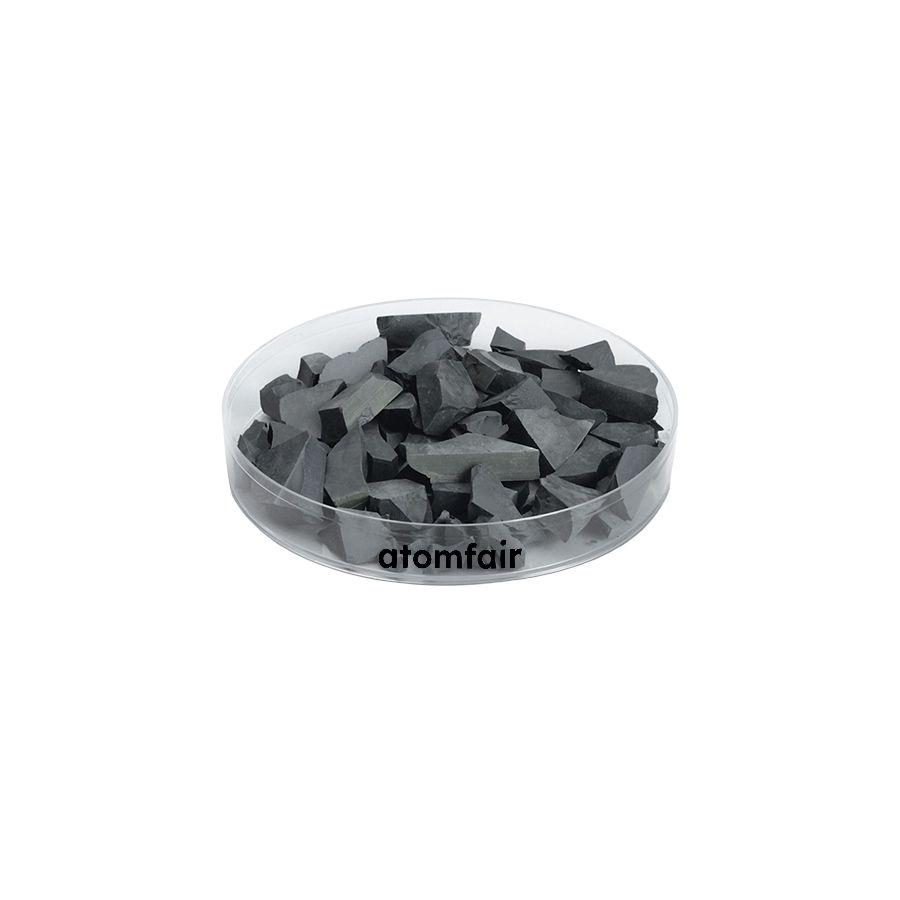
Calcium Sulfide Evaporation Pieces 99.99% 24mm ATOMFAIR®
Price range: $230.00 through $1,200.00 -
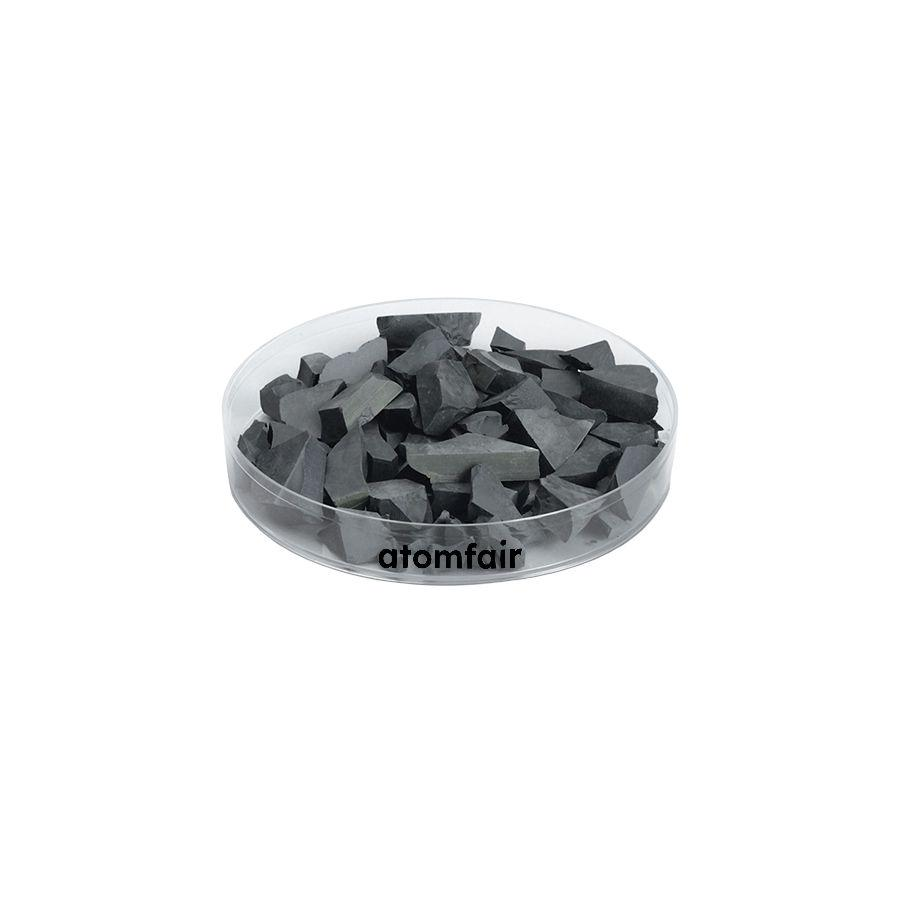
Copper Sulfide Cu2S Pieces 99.99% 1-3 mm ATOMFAIR®
Price range: $200.00 through $850.00 -
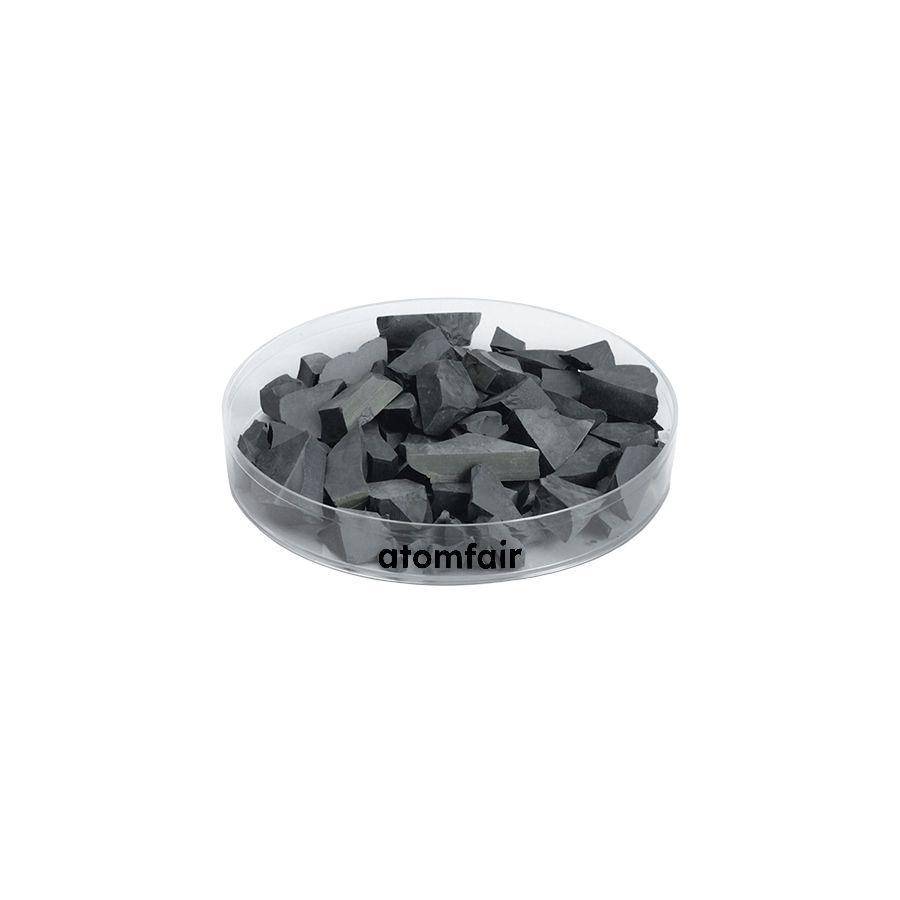
Europium Sulfide EuS Evaporation Pieces 95% 1-3 mm ATOMFAIR®
Price range: $270.00 through $1,600.00 -
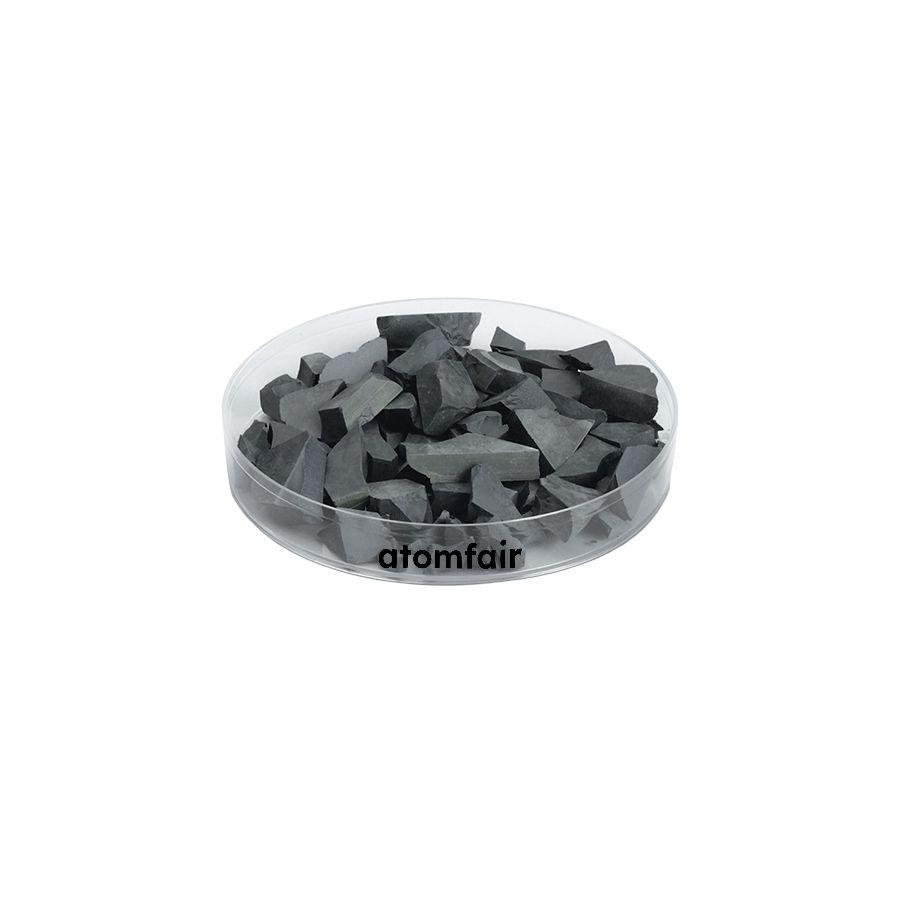
Germanium Telluride GeTe Pieces 99.9% 1-3 mm ATOMFAIR®
Price range: $240.00 through $1,350.00 -
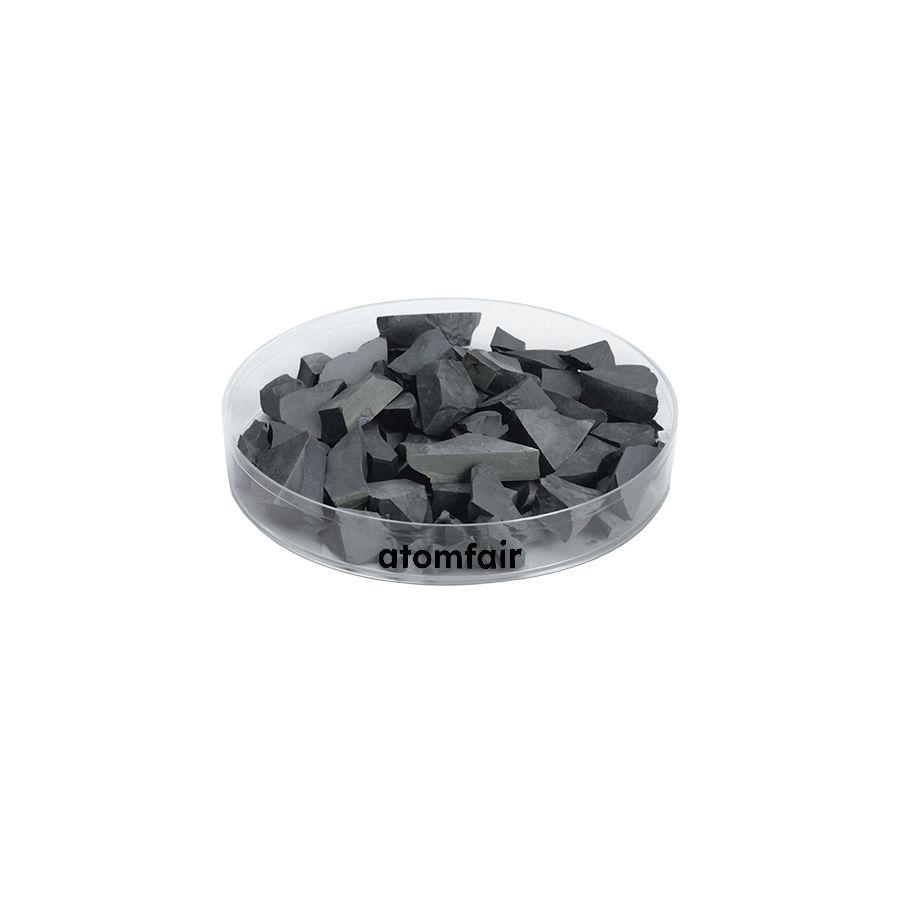
Indium Selenide In2Se3 Pieces 99.99% 1-3 mm ATOMFAIR®
Price range: $200.00 through $850.00 -
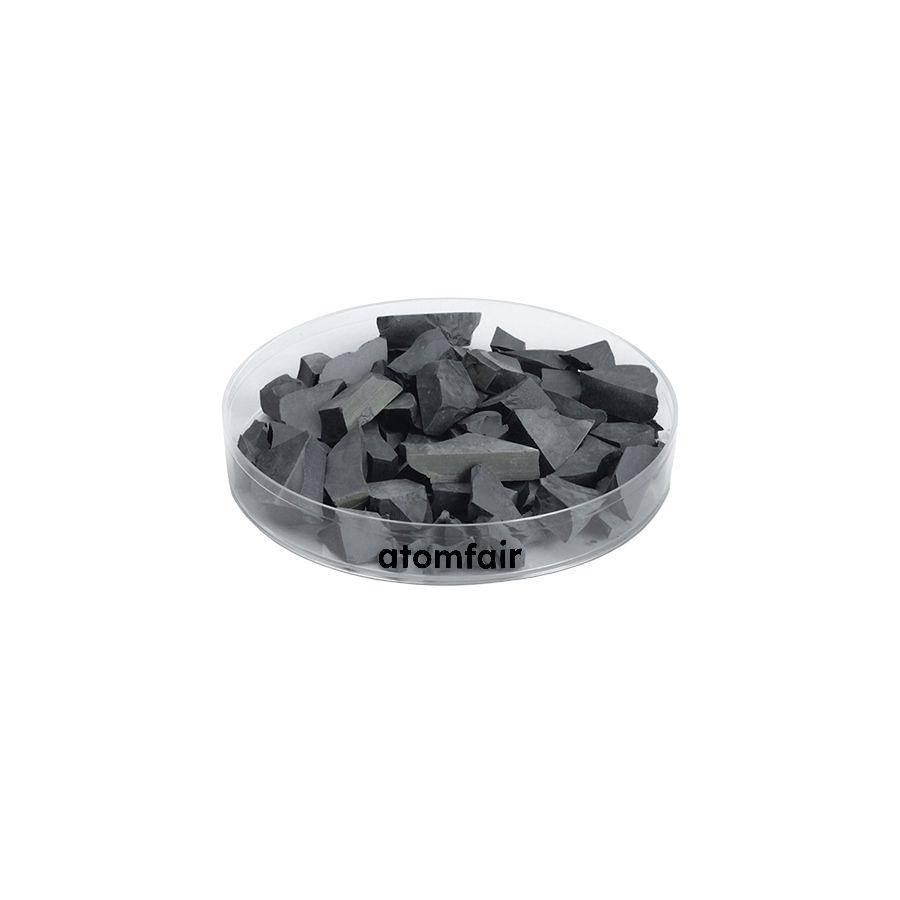
Iron Sulfide FeS Evaporation Pieces 99.9% 1-3 mm ATOMFAIR®
Price range: $240.00 through $1,350.00 -
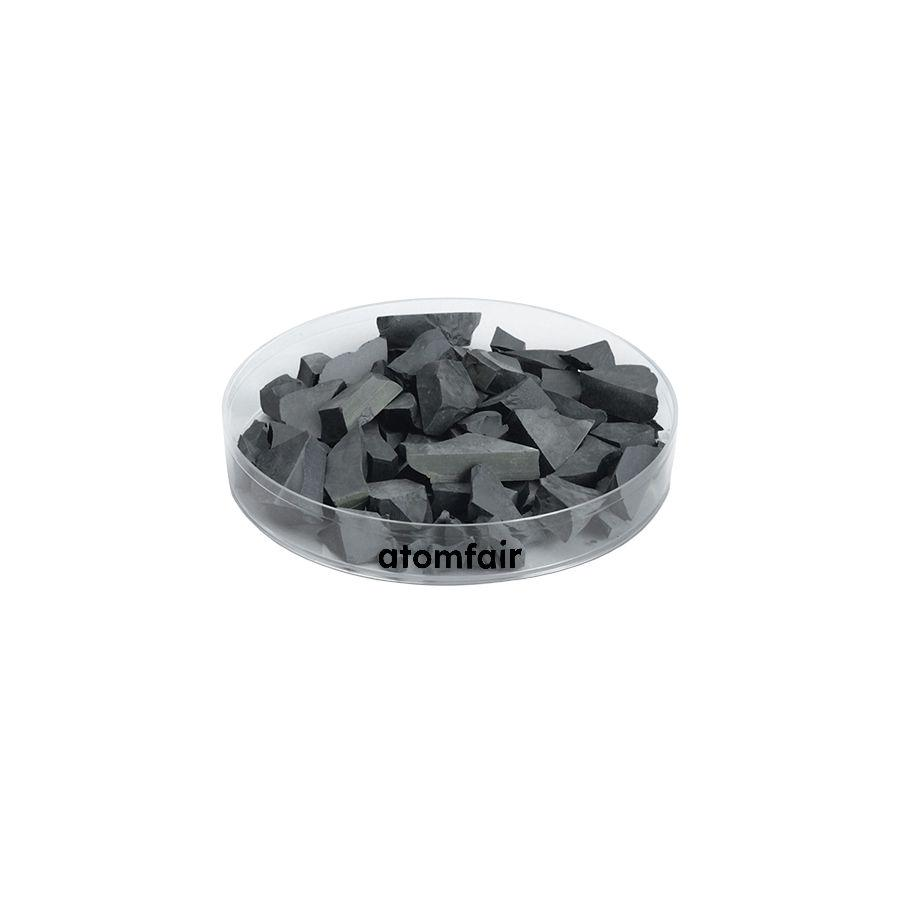
Iron Sulfide FeS Evaporation Pieces 99.95% 1-3 mm ATOMFAIR®
Price range: $350.00 through $2,500.00 -
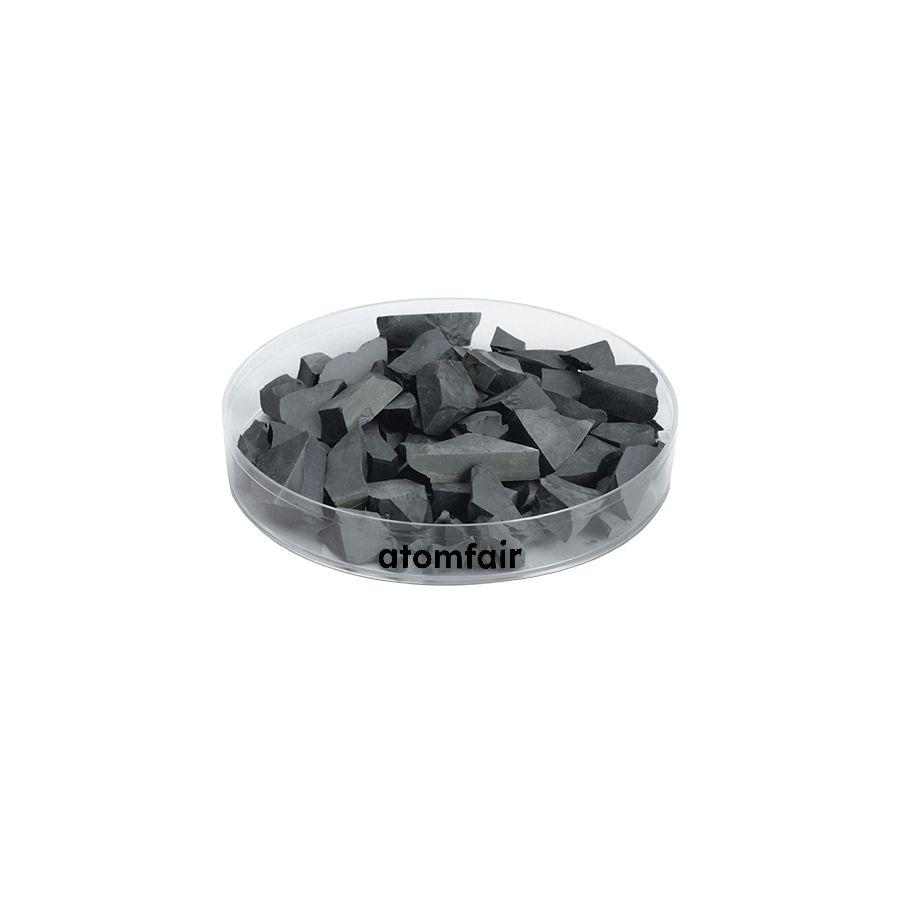
Lead Selenide PbSe Evaporation Pieces 99.99% ATOMFAIR®
Price range: $200.00 through $850.00 -
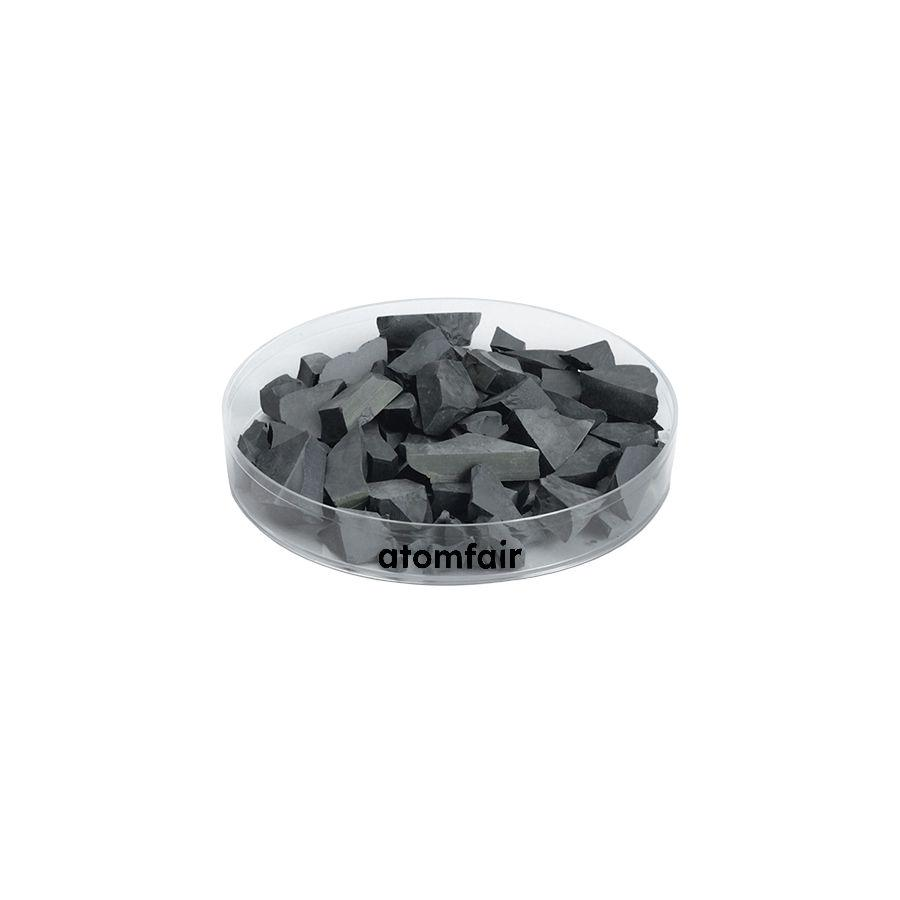
Lead Sulfide (PbS) Evaporation Pieces 99.99% ATOMFAIR®
Price range: $200.00 through $850.00 -
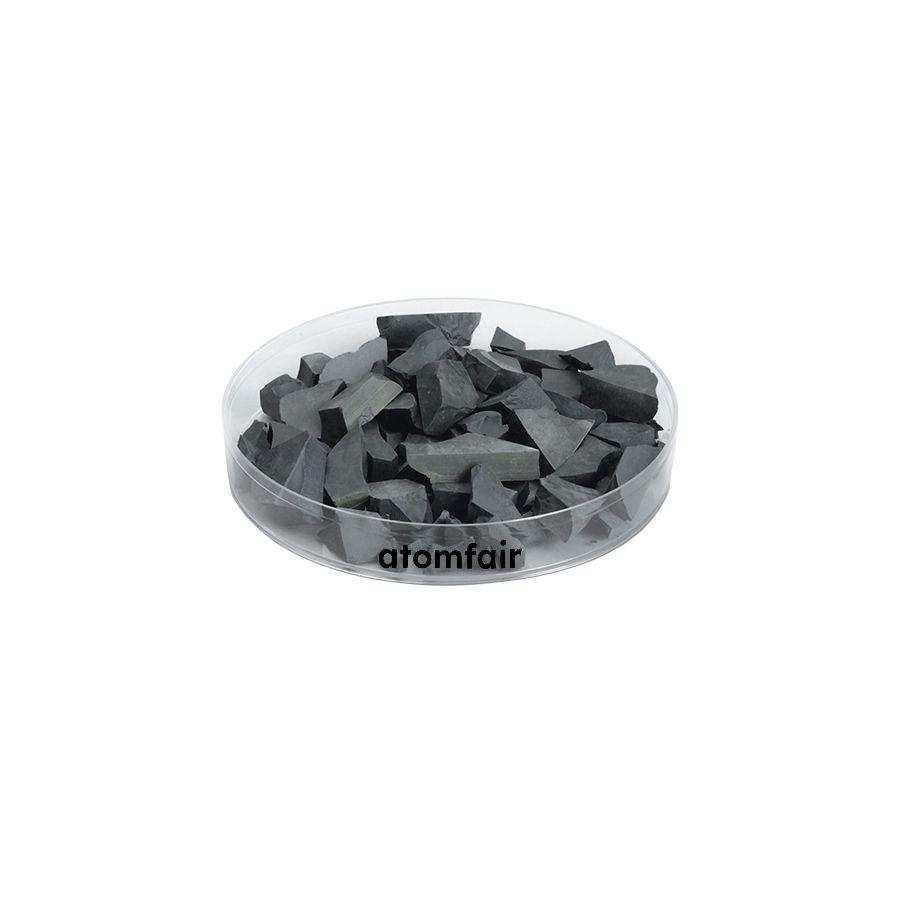
Lead Telluride PbTe Evaporation Pieces 99.9% ATOMFAIR®
Price range: $240.00 through $1,350.00 -
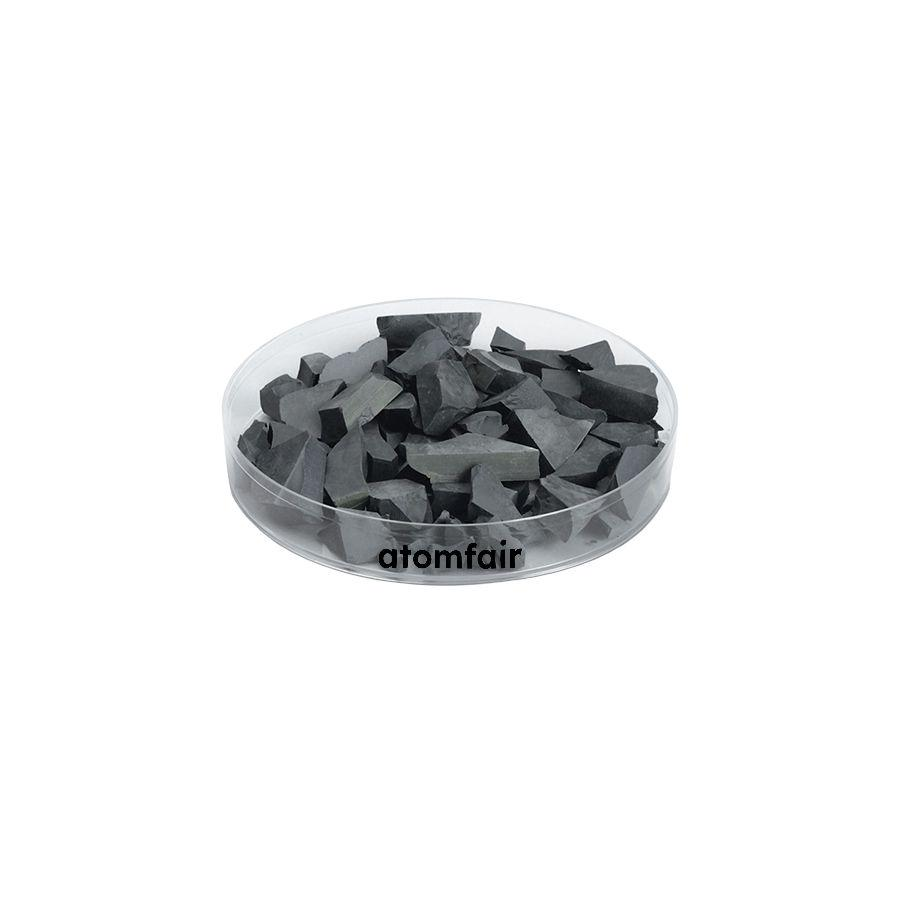
Manganese Sulfide MnS Pieces 99.95% 1-3 mm ATOMFAIR®
Price range: $350.00 through $2,500.00 -
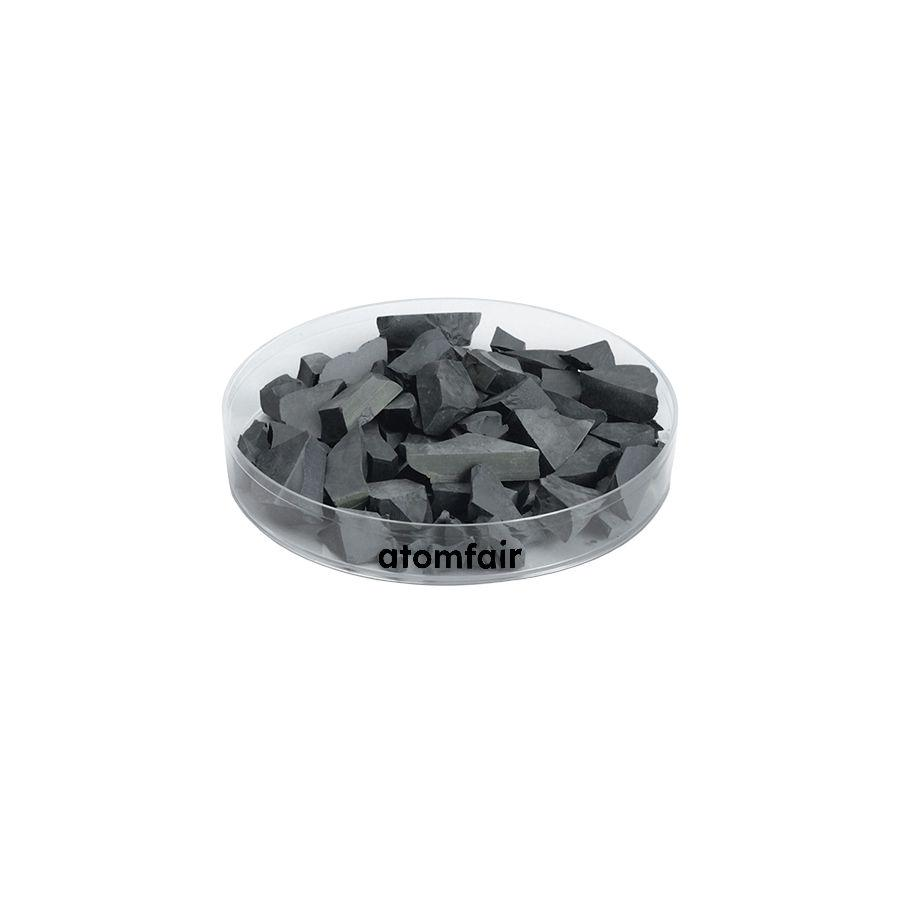
Mercury Sulfide HgS Pieces 99.99% 1-3 mm ATOMFAIR®
Price range: $200.00 through $850.00 -
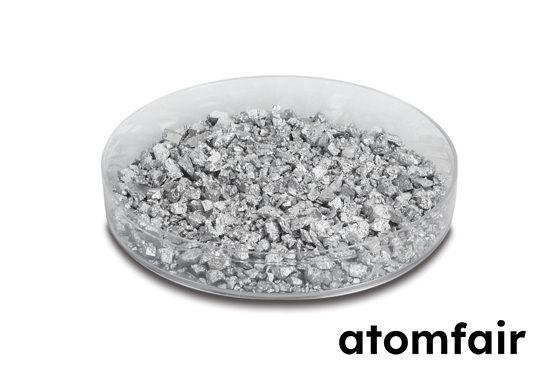
Molybdenum Sulfide MoS2 Powder 99.9% 100 nm ATOMFAIR®
Price range: $460.00 through $3,600.00 -
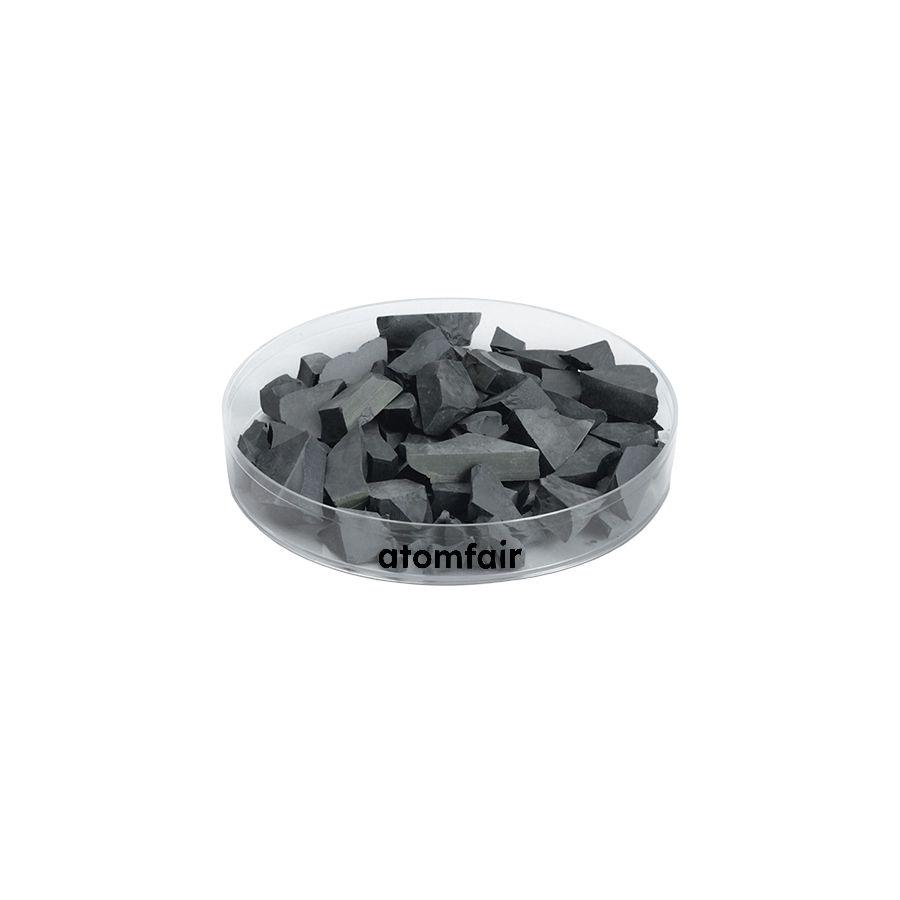
Niobium Telluride NbTe2 Evaporation Pieces 99.9% ATOMFAIR®
Price range: $200.00 through $1,350.00 -
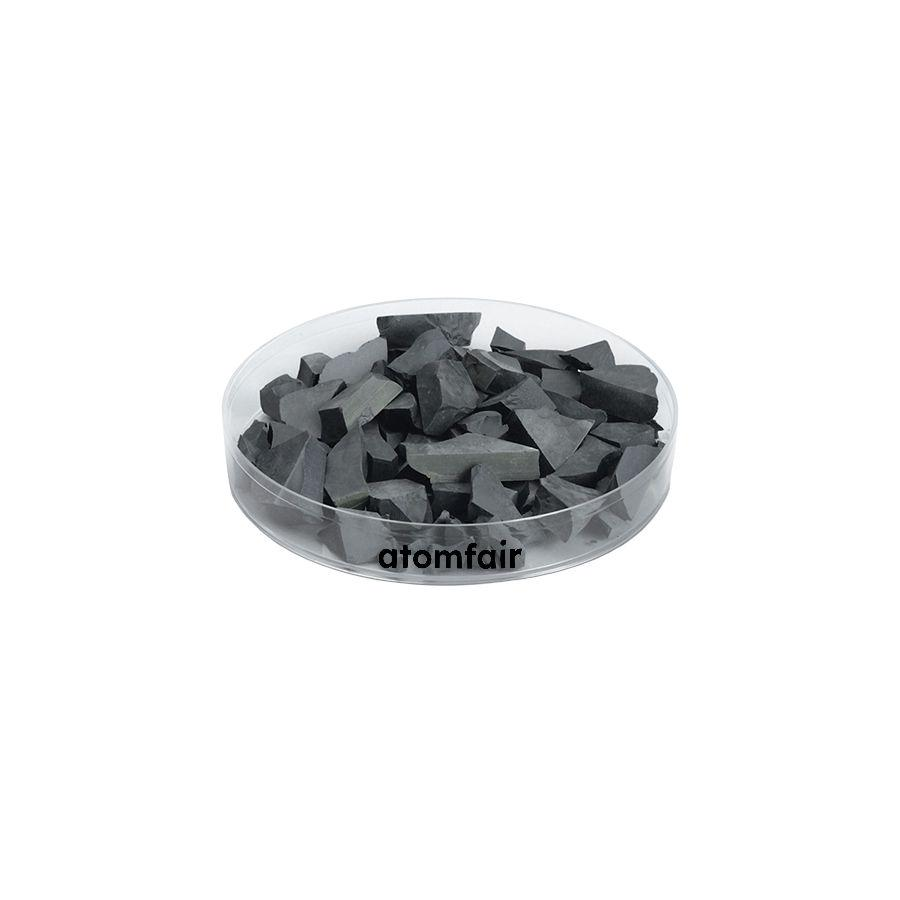
Samarium Sulfide Sm2S3 Pieces 99.99% 1-3 mm ATOMFAIR®
Price range: $160.00 through $850.00 -
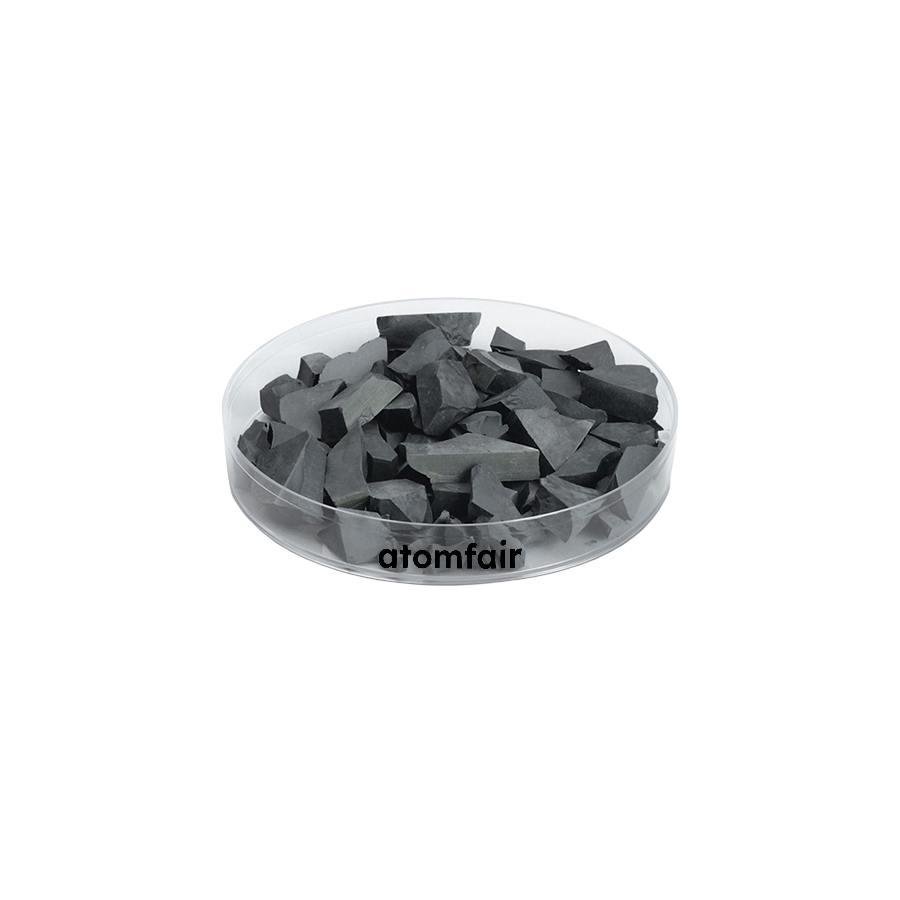
Silicon Selenide SiSe Pieces 99.99% 1-3 mm ATOMFAIR®
Price range: $200.00 through $850.00