
Additive Manufacturing Materials
Additive manufacturing materials provide the foundation for producing high-performance, complex, and customized components. This category brings together metal powders, ceramic powders, polymer powders, and composite powders for 3D printing and related additive manufacturing processes.
Each material system offers a different balance of strength, weight, temperature resistance, corrosion resistance, thermal conductivity, electrical properties, wear resistance, flexibility, and surface quality. Material selection should consider the printing process, equipment requirements, operating environment, post-processing route, and target part performance.
Show More: Selecting Additive Manufacturing Materials
Metal Powders for 3D Printing
Metal powders are suitable for components that require mechanical strength, heat resistance, corrosion resistance, thermal conductivity, or lightweight design. Common material directions include stainless steels, tool steels and high-strength steels, aluminum alloys, titanium and titanium alloys, nickel-based superalloys, cobalt-based alloys, cobalt-chromium-molybdenum alloys, copper alloys, and specialty alloys for materials research.
Metal additive manufacturing materials are widely considered for aerospace, automotive, energy, medical, tooling, thermal management, industrial equipment, and functional prototype applications. Depending on the process, key considerations include particle size distribution, sphericity, flowability, chemical composition, oxygen control, packaging, and process compatibility.
Ceramic Powders for 3D Printing
Ceramic powders are suitable for applications requiring high hardness, wear resistance, high-temperature stability, corrosion resistance, electrical insulation, or biocompatibility. Oxide ceramics, non-oxide ceramics, bioceramics, and functional ceramic systems can support the development of heat-resistant structural parts, electronic and insulating components, precision devices, medical research materials, and high-temperature process applications.
When selecting ceramic materials, consider sintering shrinkage, particle morphology, dispersion behavior, binder compatibility, debinding and sintering conditions, and the required density, dimensional accuracy, and surface finish of the final component.
Polymer Powders for 3D Printing
Polymer powders are suitable for lightweight prototypes, functional housings, fixtures, consumer products, flexible components, and customized low-volume parts. Different polymer systems can offer varied combinations of toughness, rigidity, impact resistance, chemical resistance, temperature capability, flexibility, and surface appearance.
Powder-based polymer materials may include nylon systems, elastomers, high-performance engineering polymers, and modified polymer formulations. Select materials according to the printing process, part thickness, mechanical load, service temperature, color requirements, and intended finishing method.
Composite Powders for 3D Printing
Composite powders combine a matrix material with reinforcing, filler, or functional components to create a more targeted balance of properties. They can support projects requiring improved stiffness, lower weight, wear resistance, thermal conductivity, electrical conductivity, or specialized structural and functional behavior.
Composite material selection depends not only on composition, but also on powder uniformity, interfacial bonding, processing stability, and the intended post-processing route. For projects with highly specific performance requirements, define the component’s primary function and validation target before selecting a material system.
Choose Materials by Project Requirement
| Project Requirement | Material Directions to Consider |
|---|---|
| Lightweight structural parts | Aluminum alloys, titanium alloys, high-performance polymers, and lightweight composites |
| High-temperature applications | Nickel-based superalloys, cobalt-based alloys, high-temperature ceramics, and high-performance engineering polymers |
| Corrosion-resistant components | Stainless steels, nickel alloys, titanium alloys, and chemically resistant polymers |
| High-strength or tooling applications | High-strength steels, tool steels, maraging steels, and reinforced composite materials |
| Thermal or electrical functions | Copper alloys, functional composites, and conductive polymer systems |
| Wear-resistant components | Cobalt-based alloys, ceramic materials, and wear-resistant composites |
| Medical and biological research | Titanium alloys, cobalt-chromium alloys, bioceramics, and suitable polymer materials |
| Visual prototypes and functional validation | Polymer powders, elastomer powders, metal powders, and composite materials |
Key Points to Confirm Before Selection
| What to Confirm | Why It Matters |
|---|---|
| Printing process and equipment | Different processes have different requirements for particle size, flow behavior, thermal response, and feed method. |
| Operating environment | Temperature, load, corrosive media, friction, and electrical requirements influence material selection. |
| Target performance | Define whether strength, low weight, heat resistance, conductivity, insulation, flexibility, or surface quality is the priority. |
| Post-processing route | Heat treatment, sintering, machining, polishing, blasting, and coating can affect the preferred material choice. |
| Part size and geometry | Wall thickness, internal channels, support strategy, and design complexity can affect printability. |
| Validation requirements | Research, prototyping, and application validation may require different material specifications and test plans. |
Frequently Asked Questions
Are additive manufacturing materials only used in 3D printers?
These materials are primarily designed for layer-by-layer manufacturing processes. Suitability depends on the material form, equipment type, and process route, so compatibility should be confirmed before use.
How should I choose between metal, ceramic, and polymer powders?
Metal materials are commonly selected for strength, heat resistance, or conductivity. Ceramic materials are suitable for hardness, wear resistance, high-temperature performance, or insulation. Polymer materials are often preferred for lightweight parts, flexible designs, visual prototypes, and functional applications.
Does a finer particle size always produce better printing results?
Not necessarily. The appropriate particle-size range must match the printing process, powder delivery or recoating system, layer thickness, and machine parameters. Both overly fine and overly coarse powders can affect process stability.
Can the same material be used in every 3D printing process?
No. Different equipment and processes have different requirements for particle size, morphology, thermal behavior, and feed characteristics. Confirm the intended process route before selecting a material.
What types of projects are composite powders suitable for?
Composite powders are suitable for projects that require a tailored combination of strength, low weight, wear resistance, thermal conductivity, electrical conductivity, or other functional properties.
Is post-processing required after printing?
Many parts require post-processing based on their material and intended use. Typical steps may include depowdering, heat treatment, sintering, machining, polishing, blasting, or surface coating.
How can I select a material for a new project?
Begin by defining the printing process, part function, operating environment, target performance, and planned post-processing route. These factors help narrow the appropriate material system, composition, particle-size range, and specification.
Showing 17–32 of 40 results
-
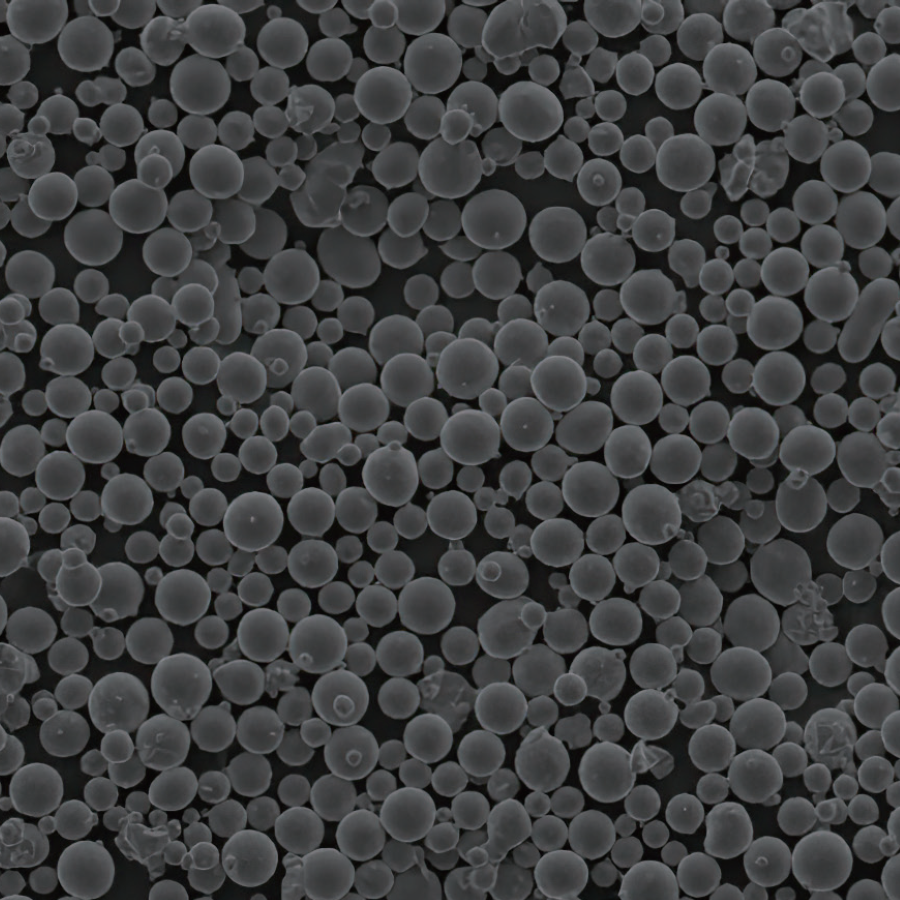
Fe-Ni-Cr-Mo Research Grade Alloy Powder 15-53μm ATOMFAIR®
$234.00 -
FGH97 Spherical Nickel Alloy Powder 15-45μm ATOMFAIR®
Price range: $474.00 through $538.00 -
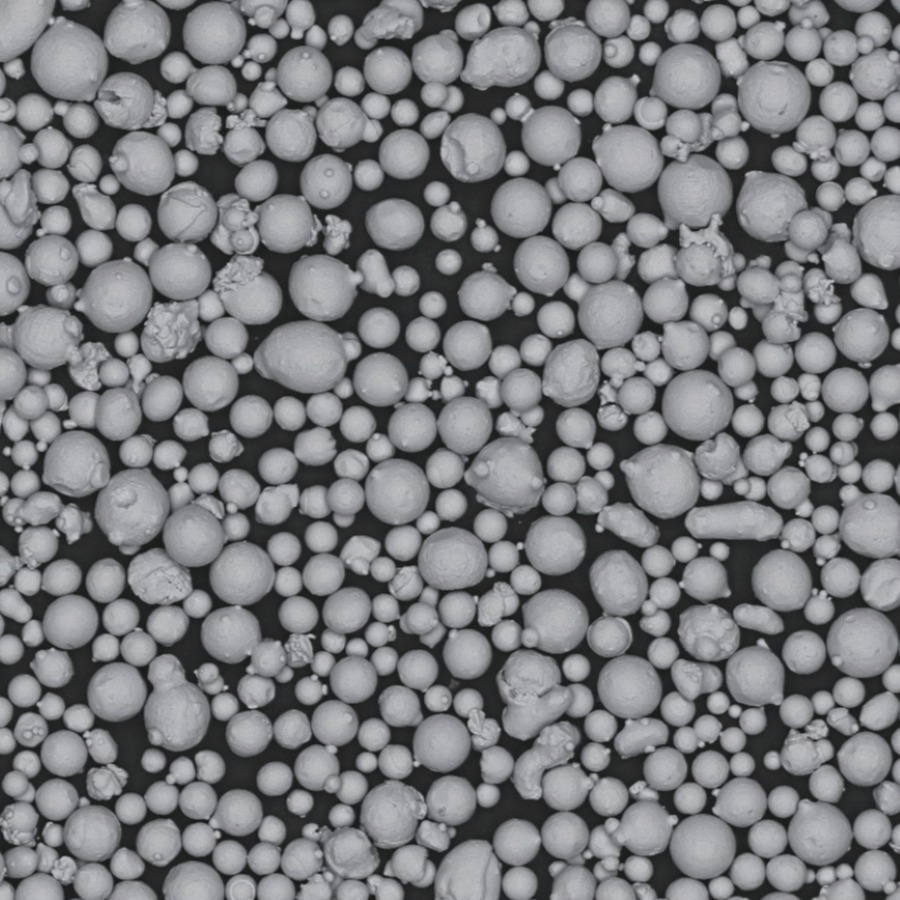
GH4099 Superalloy Powder 15-53μm Research Grade ATOMFAIR®
$312.00 -
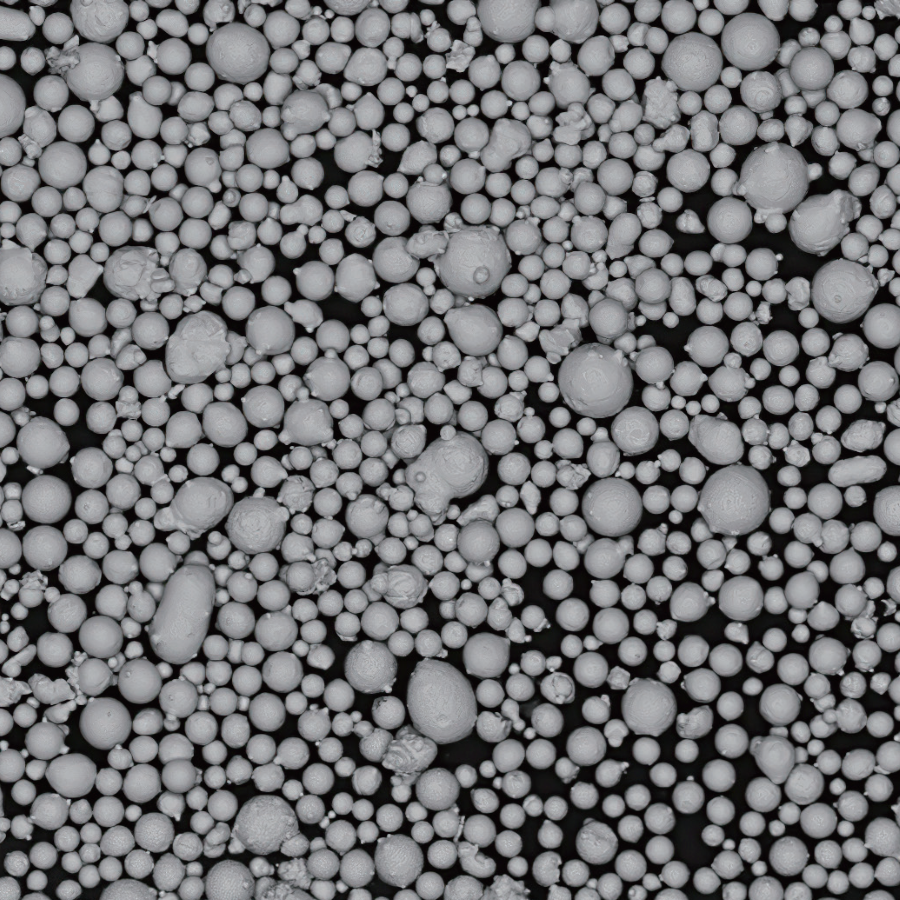
GRCOP-42 Spherical CuCrNb Alloy Powder 15-53μm ATOMFAIR®
$592.00 -
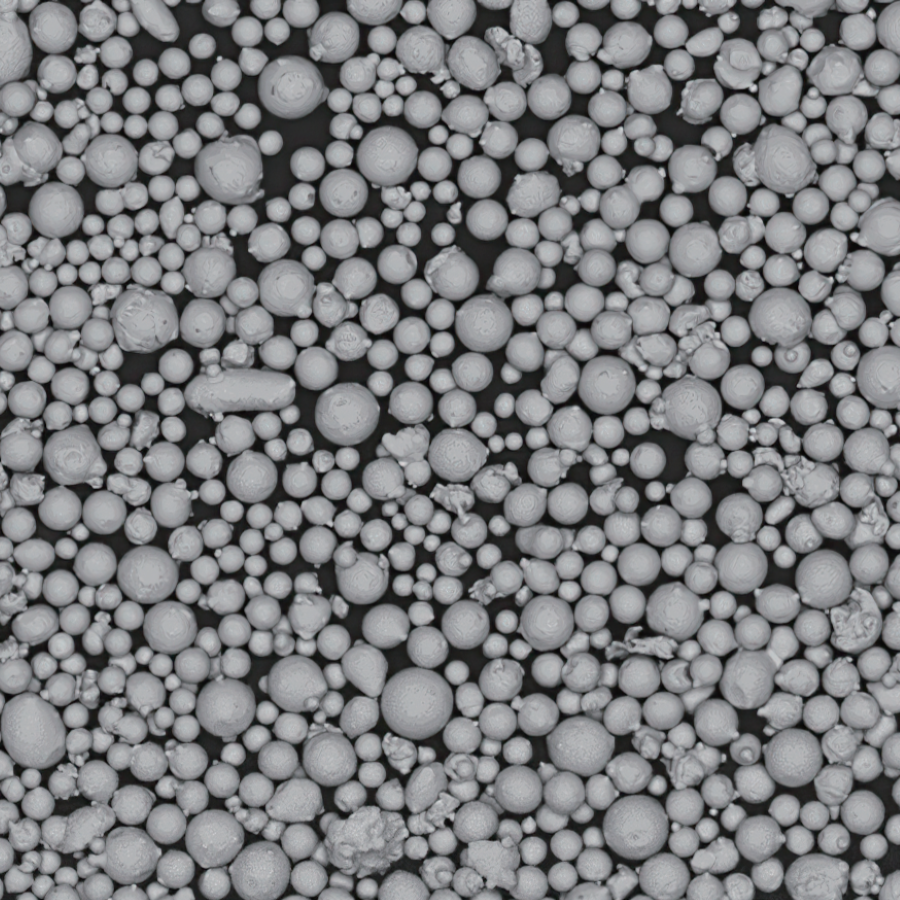
Hastelloy X Gas-Atomized High-Temp Powder 30-40μm ATOMFAIR®
$1,400.00 -
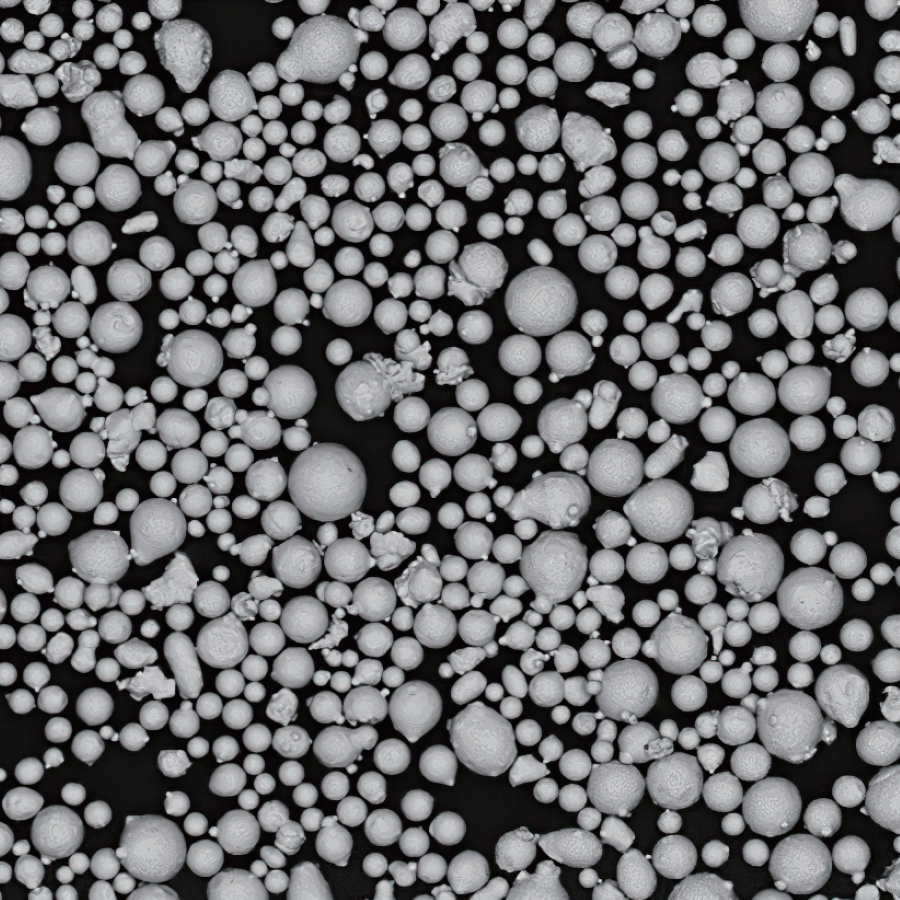
Haynes 188 Cobalt Superalloy Powder 15-53μm ATOMFAIR®
Price range: $348.00 through $358.00 -
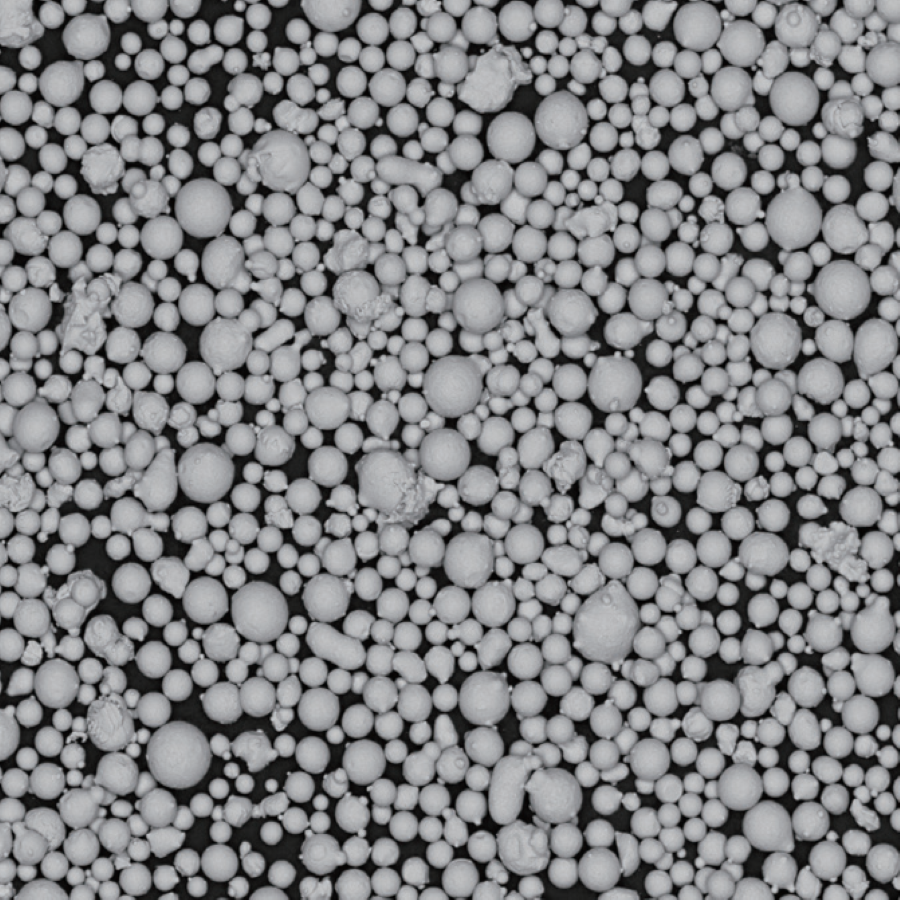
Haynes 230 Gas-Atomized Alloy Powder 0-150μm ATOMFAIR®
Price range: $270.00 through $298.00 -
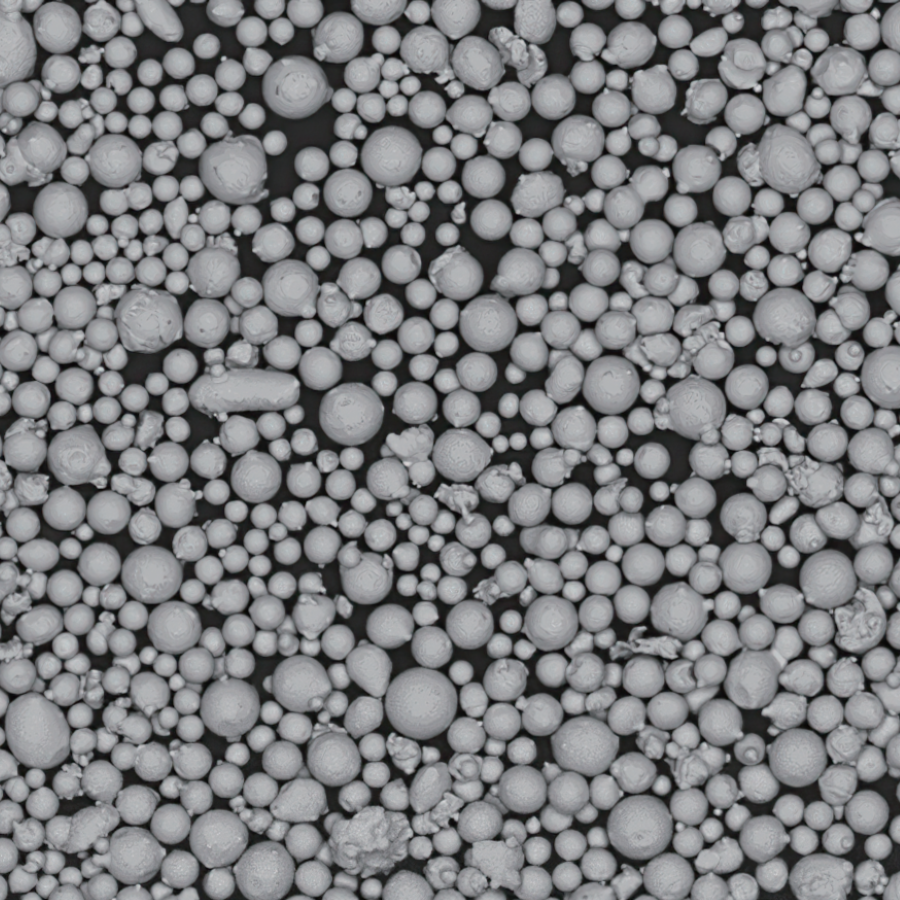
IN625 Nickel Superalloy Powder 15-53μm Research ATOMFAIR®
Price range: $257.00 through $302.00 -
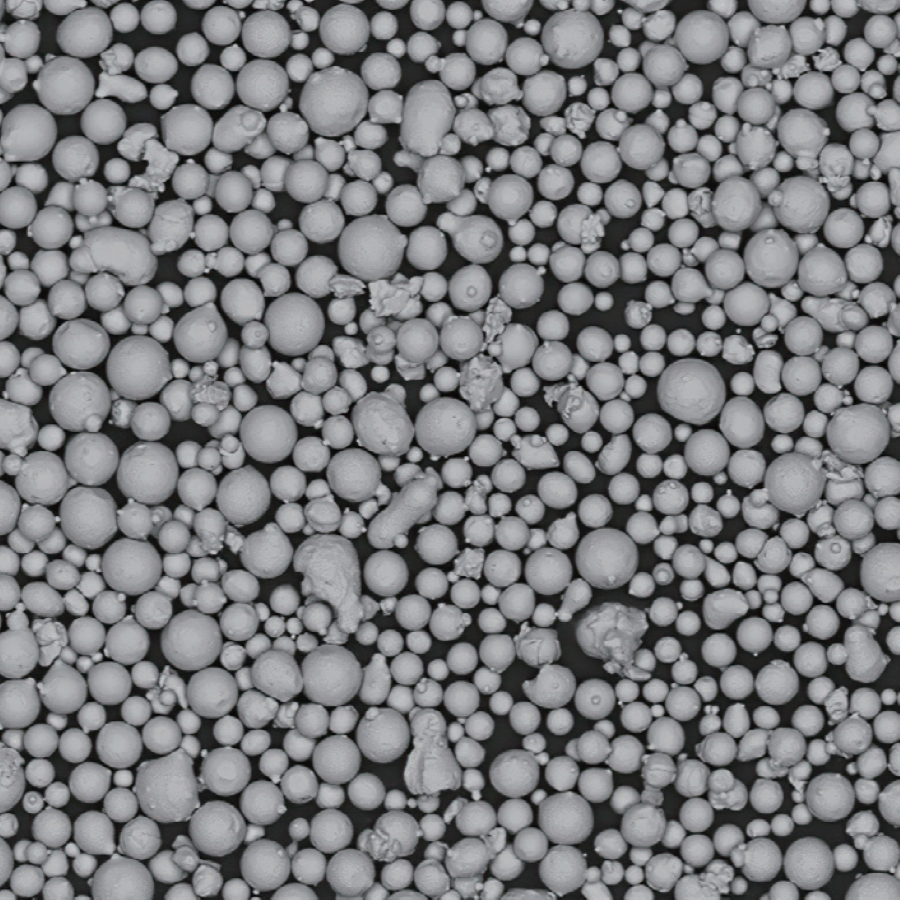
IN718 Nickel Superalloy Powder 15-150μm SLM ATOMFAIR®
Price range: $255.00 through $273.00 -
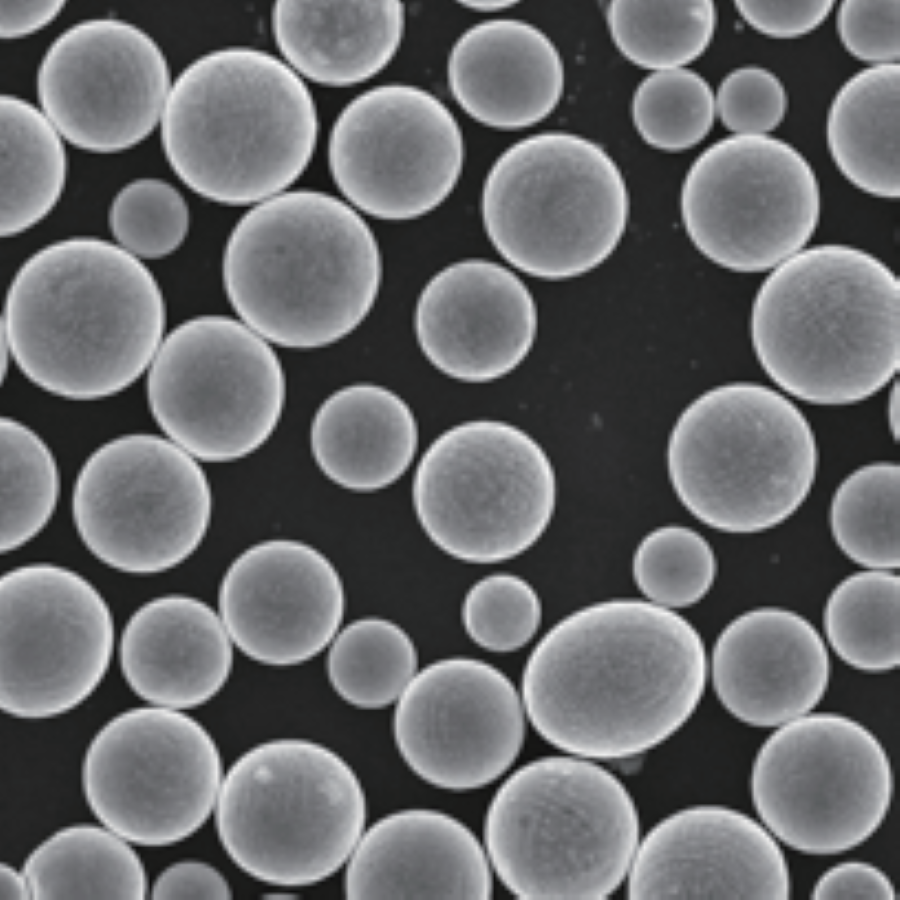
IN738 Alloy Powder 15-53μm Research Grade ATOMFAIR®
$390.00 -
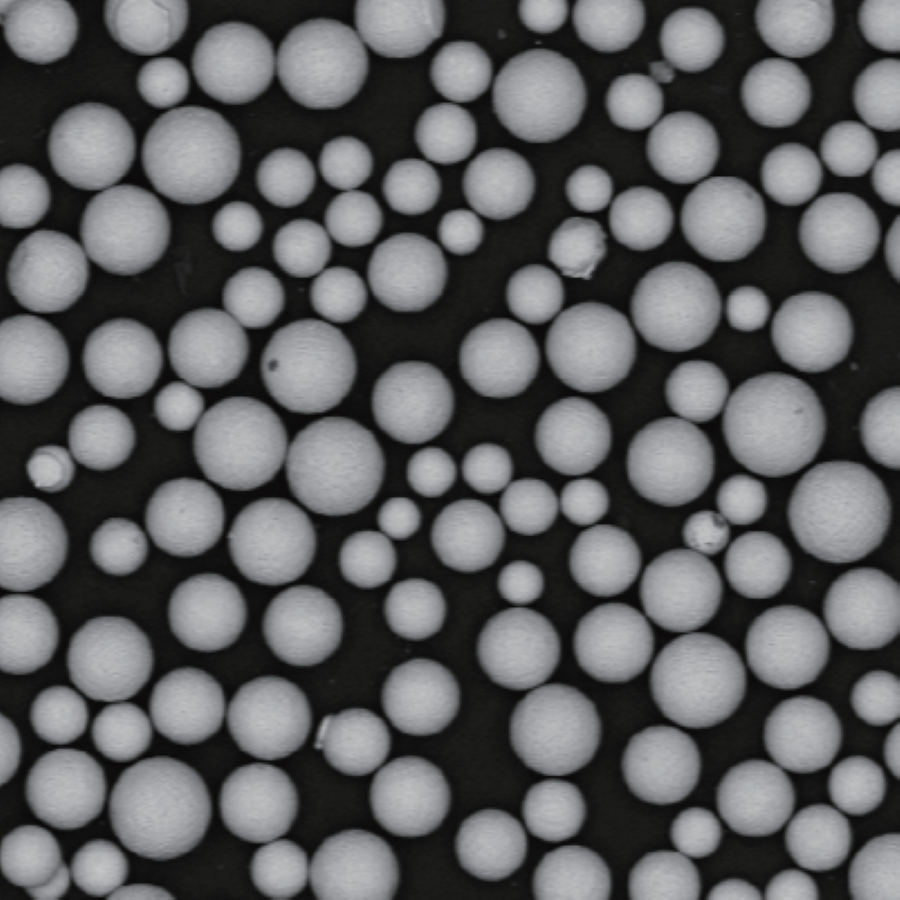
IN939 SLM Superalloy Powder D50 30-40μm ISO 9001 ATOMFAIR®
$290.00 -
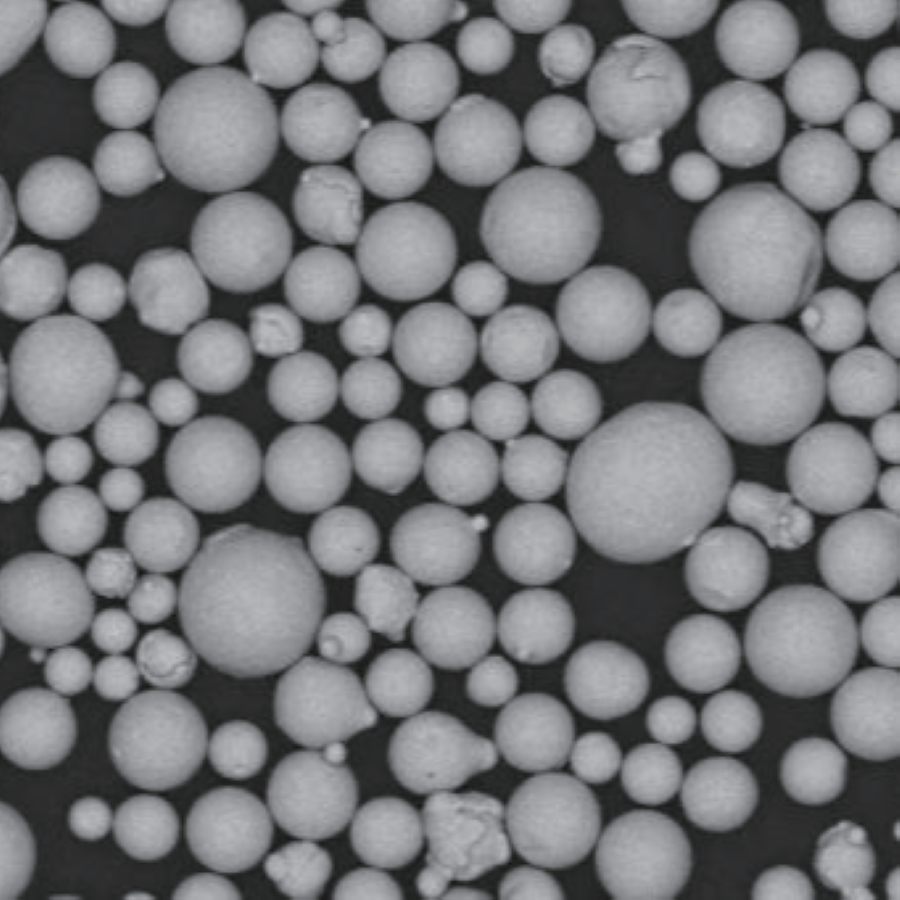
IN939G Nickel-Based Superalloy Powder 30-40μm ATOMFAIR®
Price range: $410.00 through $453.00 -
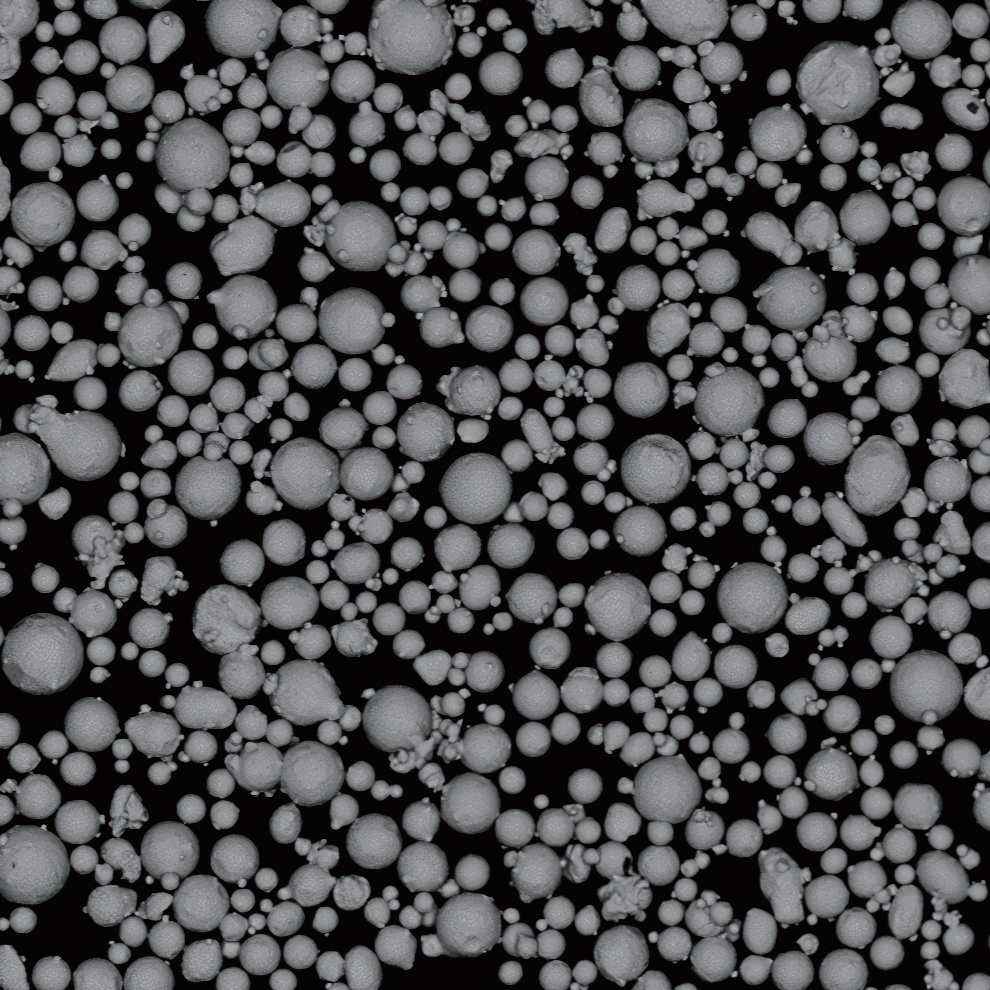
Iron-Nickel Alloy Powder 15-53μm Research Grade ATOMFAIR®
$236.00 -
Nickel Superalloy FGH95 Powder D50 30-40μm ATOMFAIR®
$500.00 -
Nickel Superalloy FGH96 Powder D50 30-40μm ATOMFAIR®
$500.00 -
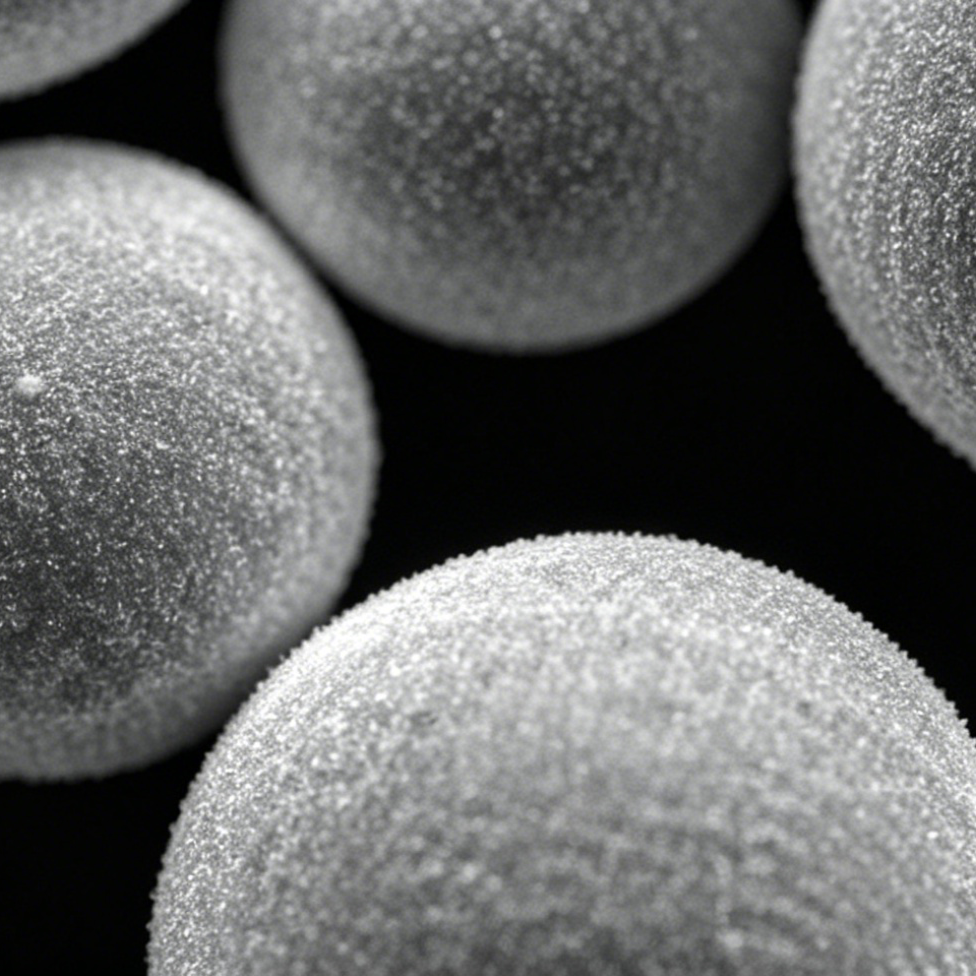
Nickel-Chromium Powder 25-40 μm Research Grade ATOMFAIR®
$500.00