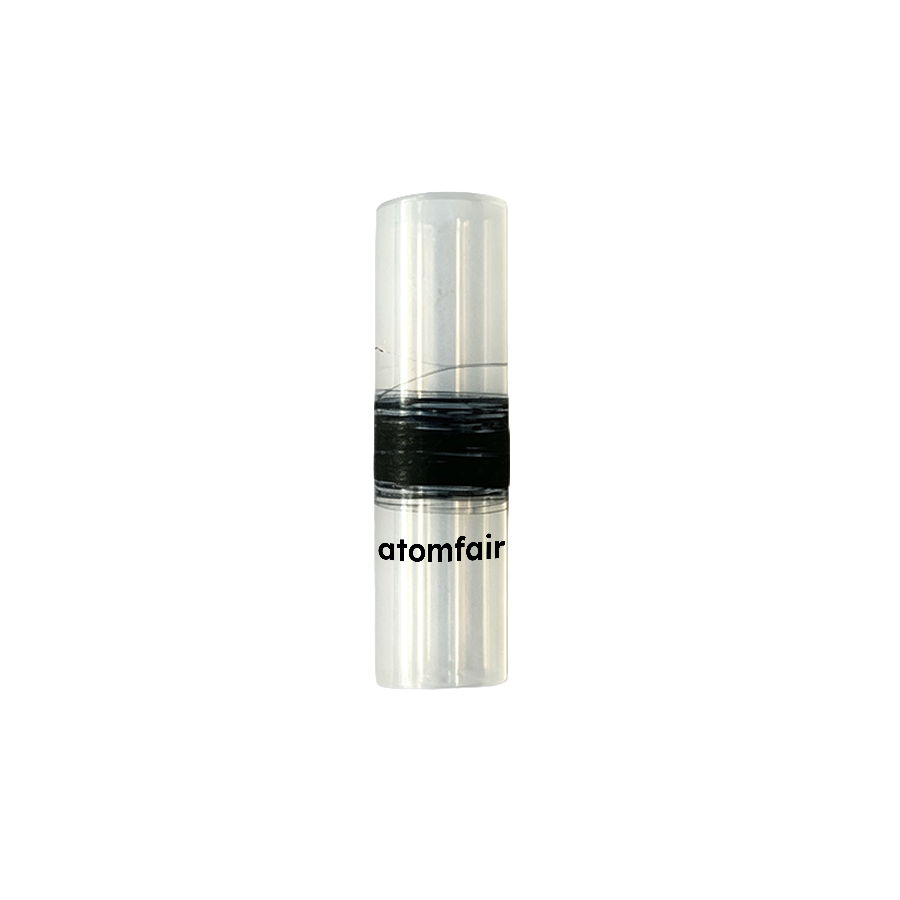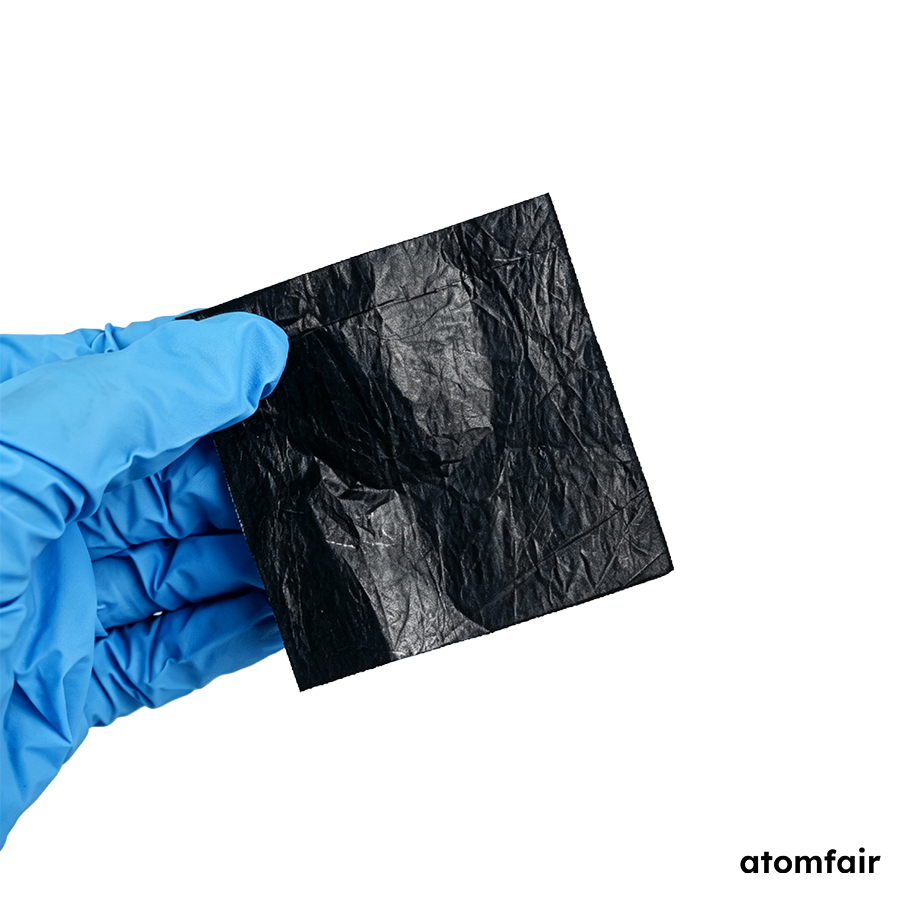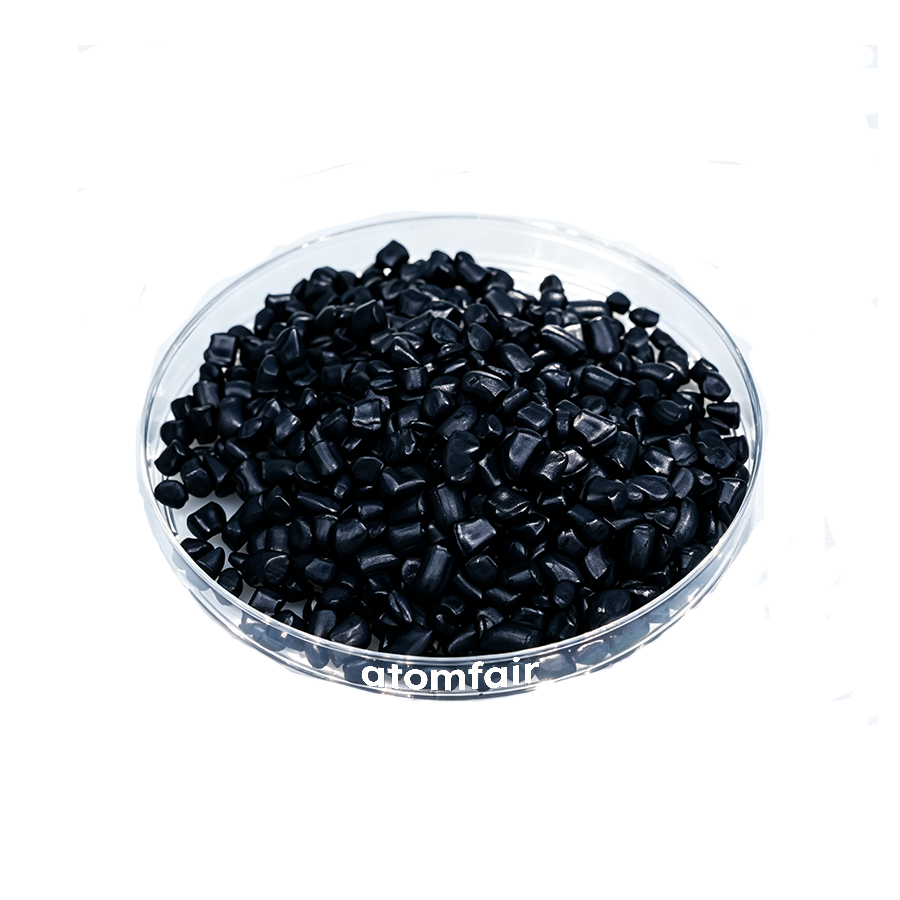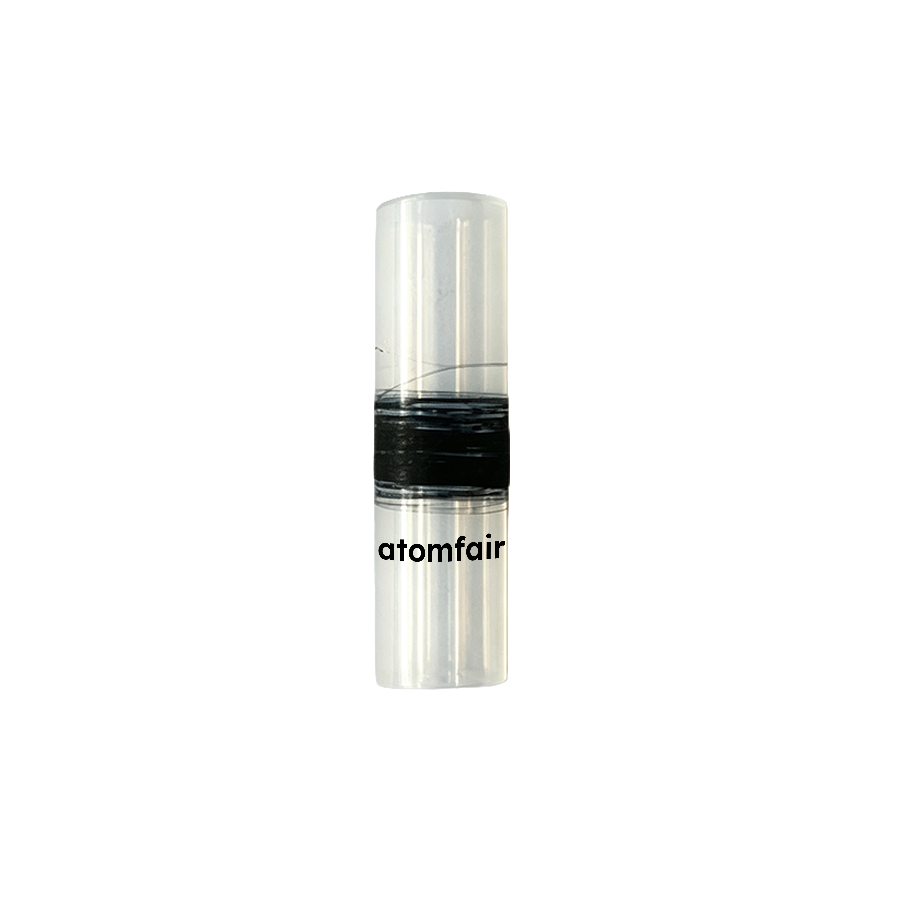
Carbon nanotubefibers, conductivity 1×10⁵~ 2×10⁵; S/m, diameter 60-80umProduct Type: Carbon nanotube fiber
Research-grade laboratory product
|
|||||||||||||||||||||
|
|||||||||||||||||||||
|
LABORATORY PROCUREMENT SUPPORT
For model selection, material specification matching, application fit or quotation confirmation, contact our technical sales team.
E-MAIL: inquiry@atomfair.com
|
|||||||||||||||||||||
|
Manufacturer: Atomfair LLC
Brand: ATOMFAIR®
|
What is the specified electrical conductivity range of this carbon nanotube fiber and how does it relate to the fiber diameter?
The conductivity is specified as 1×10⁵ to 2×10⁵ S/m for the entire diameter range of 60–80 µm. The source does not provide a diameter-dependent conductivity profile; the stated range applies to the product as supplied. For applications requiring a specific conductivity-diameter relationship, contact technical sales for further characterization data.
What are the typical applications and integration requirements for this carbon nanotube fiber in research workflows?
This carbon nanotube fiber is intended for conductive textile, composite reinforcement, and current-collector applications. It is supplied in lengths from 1 to 500 m with a density of 0.5–0.7 g/cm³. When integrating into composites or electrodes, match the fiber length and diameter to your specific workflow. Confirm compatibility with your matrix material or solvent system before procurement, as the source does not specify surface functionalization or dispersion aids.
This carbon nanotube fiber (model AF-CNTM-Z081) offers a conductivity range of 1×10⁵ to 2×10⁵ S/m with a diameter of 60–80 μm and tunable length from 1 to 500 m, making it suitable for conductive textile, composite reinforcement, and current-collector research workflows.
Positive
- High electrical conductivity range: Conductivity of 1×10⁵ to 2×10⁵ S/m provides reliable performance for conductive pathways in composite, electrode, and nanocarbon research.
- Flexible length selection up to 500 m: Length adjustable from 1 to 500 m allows matching to experimental scale, from small-batch testing to extended continuous-fiber trials.
Trade-offs
- Micrometer-scale diameter limits nanoscale integration: Diameter of 60–80 μm is relatively large for true nanoscale devices; may require additional processing for sub-micron or thin-film applications.
- Low density affects mechanical handling: Density of 0.5–0.7 g/cm³ indicates lightweight fibers that may be prone to fluffing or require careful handling during alignment and embedding.
Every advanced material, component, equipment, and instrument in our catalog is backed by rigorous testing. We maintain strict internal quality management frameworks and align with CE conformity metrics to deliver transparent, reproducible performance data via our public open-science repository.
To request raw batch performance data, submit formal vendor registration paperwork, or execute a fast-turnaround R&D manufacturing loop, contact us at inquiry@atomfair.com.
Item is dispatched under the Atomfair Shipping & Delivery Framework (Free worldwide shipping on orders over $59 USD excl. heavy equipment). Return is governed by the Atomfair Return & Refund Policy (7-day technical return window).