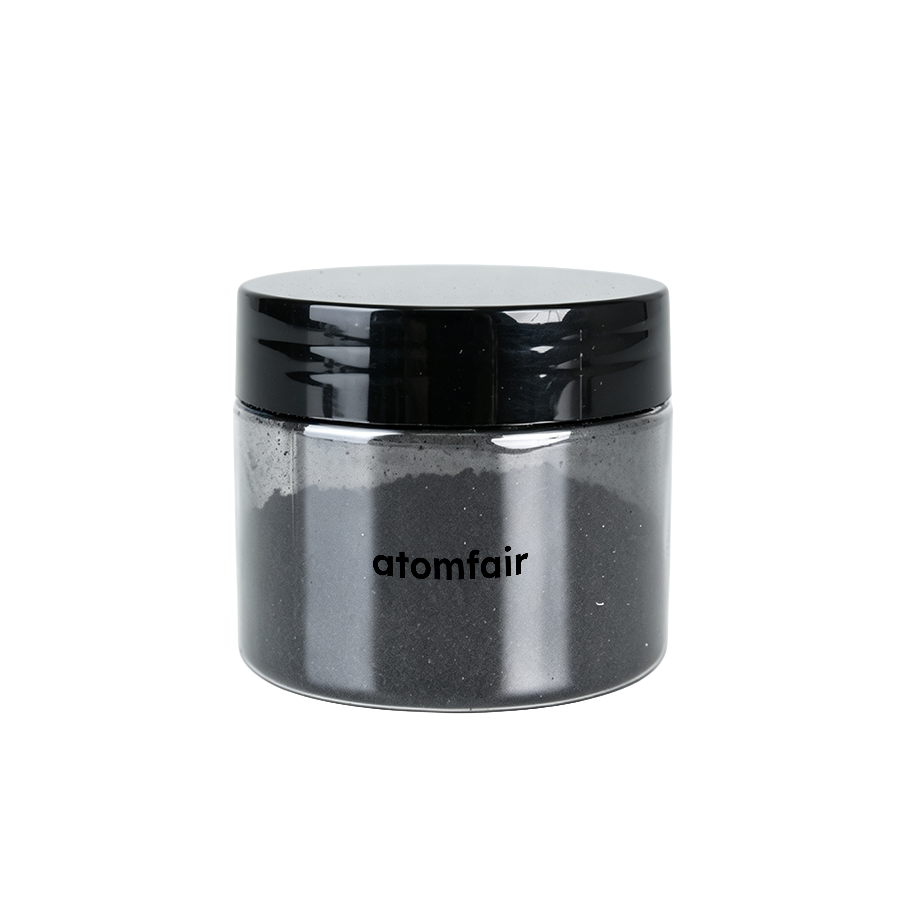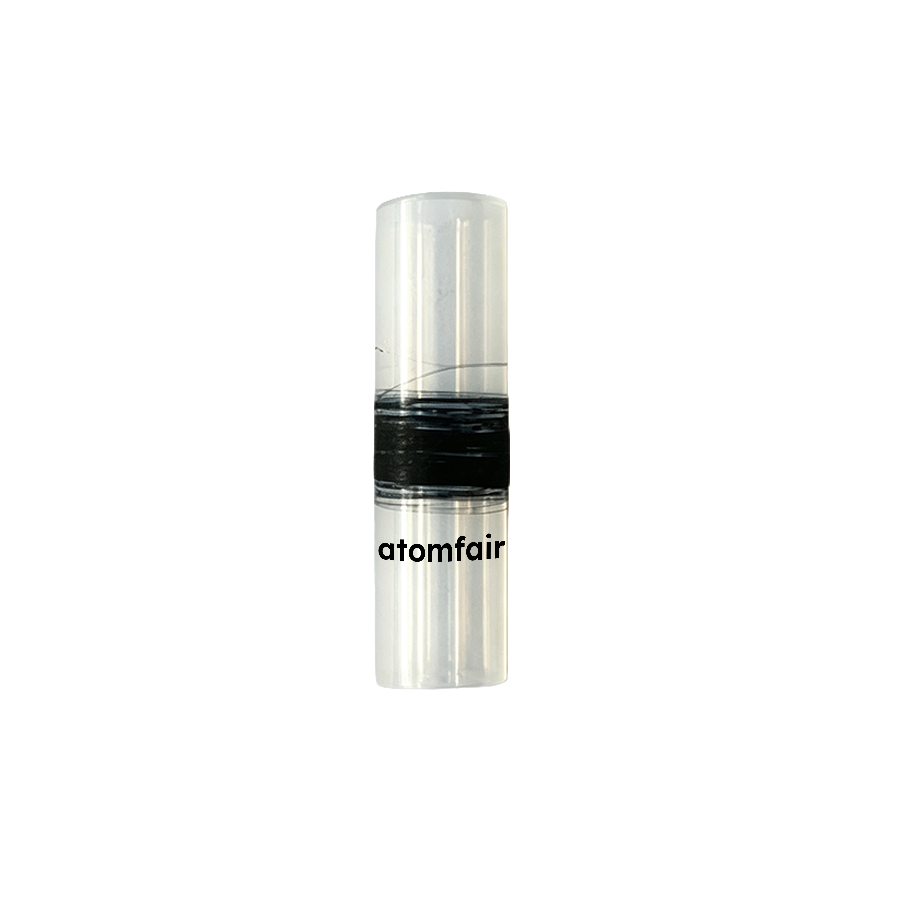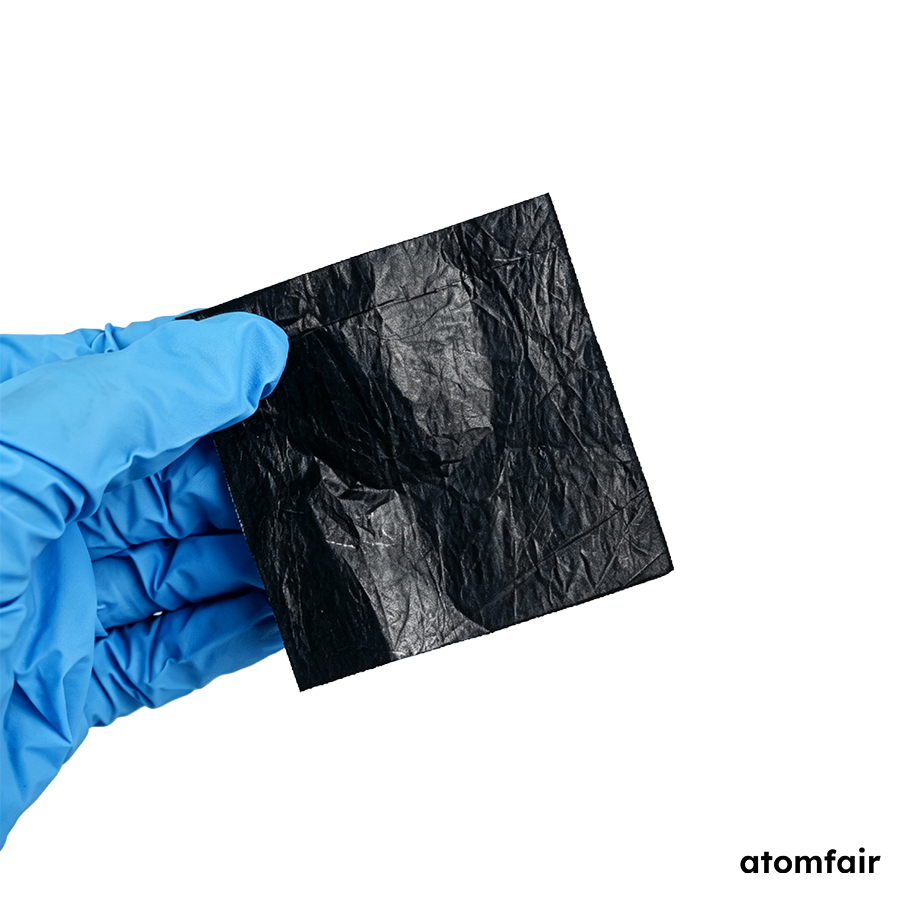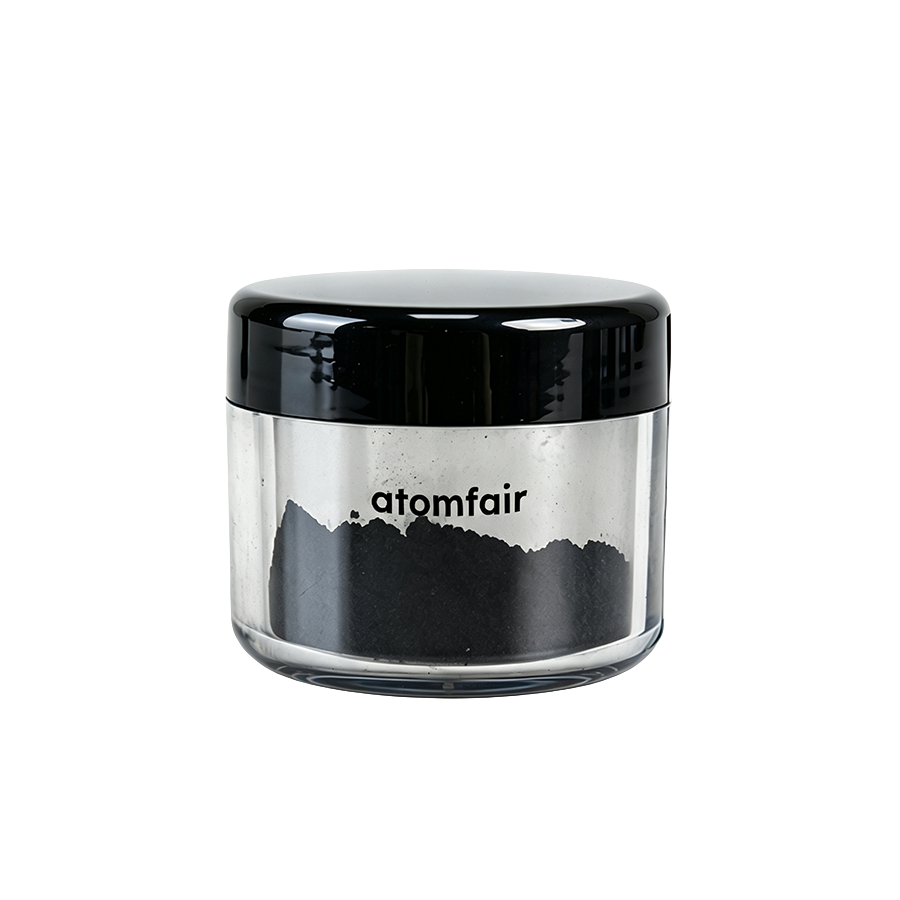
Organicsoluble Single-walled Carbon Nanotubes(functionalized with ODA), OD 35%±15%Product Type: Single-walled carbon nanotube material
Research-grade laboratory product
|
|||||||||||||||||||
|
|||||||||||||||||||
|
LABORATORY PROCUREMENT SUPPORT
For model selection, material specification matching, application fit or quotation confirmation, contact our technical sales team.
E-MAIL: inquiry@atomfair.com
|
|||||||||||||||||||
|
Manufacturer: Atomfair LLC
Brand: ATOMFAIR®
|
This material requires controlled atmosphere storage to prevent oxidative degradation of the functionalized nanotube surface. Dispersion stability depends on solvent compatibility and may require sonication or surfactant addition for uniform suspension.
- Environmental Sensitivity: Store in a sealed container under inert gas to minimize moisture and oxygen exposure that can degrade the ODA functionalization.
- Dispersion Requirement: Select organic solvents compatible with ODA-functionalized SWCNTs to achieve stable dispersions for composite or film preparation.
- Handling Precaution: Use in a fume hood or glovebox to avoid inhalation of airborne nanotube particulates during transfer or weighing.
This procedure describes the preparation of a stable dispersion of organicsoluble single-walled carbon nanotubes functionalized with ODA. Proper dispersion is critical for achieving uniform films, composites, or electrode coatings.
Required Equipment: Analytical balance, Ultrasonic bath or probe sonicator, Glass vial or centrifuge tube
- Weigh the SWCNT powder
Weigh the desired amount of ODA-functionalized SWCNT powder into a clean glass vial using an analytical balance. - Add organic solvent
Add the selected organic solvent (e.g., toluene, chloroform, or DMF) to the vial to achieve the target concentration. - Sonicate the mixture
Sonicate the mixture in an ultrasonic bath for 30–60 minutes to break up agglomerates and promote dispersion. - Verify dispersion quality
Visually inspect the dispersion for uniform color and absence of visible particulates before use in subsequent processing.
What is the role of the ODA functionalization (35%±15%) in making these single-walled carbon nanotubes organicsoluble?
The ODA functionalization at 35%±15% is what imparts organic solubility to the SWCNTs. The product is described as 'Organicsoluble Single-walled Carbon Nanotubes (functionalized with ODA)', and the ODA content directly affects dispersion in organic solvents. The material also has a carbon purity of >90% and a SWCNT content of 65%±15%.
Which research workflows are compatible with this organicsoluble SWCNT material?
The selection notes indicate that the material form and dimensional/concentration specification should be matched to dispersion, composite, film, electrode, conductivity, and nanocarbon research workflows. This product is a research-grade laboratory material intended for such applications.
How should the carbon purity (>90%) and SWCNTs content (65%±15%) be interpreted for this ODA-functionalized SWCNT product?
Carbon purity >90% indicates the total carbon content in the sample, while SWCNTs content 65%±15% specifies the proportion of single-walled carbon nanotubes. The ODA functionalization adds organic groups, so the SWCNT content reflects the fraction of SWCNTs in the functionalized material. These metrics are used for model matching and procurement decisions.
Organicsoluble Single-walled Carbon Nanotubes functionalized with ODA (octadecylamine) at 35%±15% content, with carbon purity >90% and SWCNT content 65%±15%. This product is designed for research applications requiring soluble CNTs in organic solvents, with a high degree of functionalization to improve dispersibility.
Positive
- Organic solubility via ODA functionalization: The ODA functionalization at 35%±15% content renders the SWCNTs organically soluble, facilitating dispersion in non-polar organic solvents for composite, film, or electrode preparation without aggressive surfactants.
- High carbon purity >90%: Carbon purity greater than 90% ensures consistent electrical and mechanical properties, reducing batch variability for sensitive nanocarbon research.
Trade-offs
- Wide ODA content tolerance: The ODA content is specified as 35%±15% (i.e., 20%–50% range), which may introduce batch-to-batch variation in solubility and functionalization density, requiring careful quality control for reproducible results.
- Undefined diameter and length: The product does not specify outer diameter or length ranges; these parameters must be confirmed before quotation, adding a procurement step for researchers with precise dimensional requirements.
Every advanced material, component, equipment, and instrument in our catalog is backed by rigorous testing. We maintain strict internal quality management frameworks and align with CE conformity metrics to deliver transparent, reproducible performance data via our public open-science repository.
To request raw batch performance data, submit formal vendor registration paperwork, or execute a fast-turnaround R&D manufacturing loop, contact us at inquiry@atomfair.com.
Item is dispatched under the Atomfair Shipping & Delivery Framework (Free worldwide shipping on orders over $59 USD excl. heavy equipment). Return is governed by the Atomfair Return & Refund Policy (7-day technical return window).