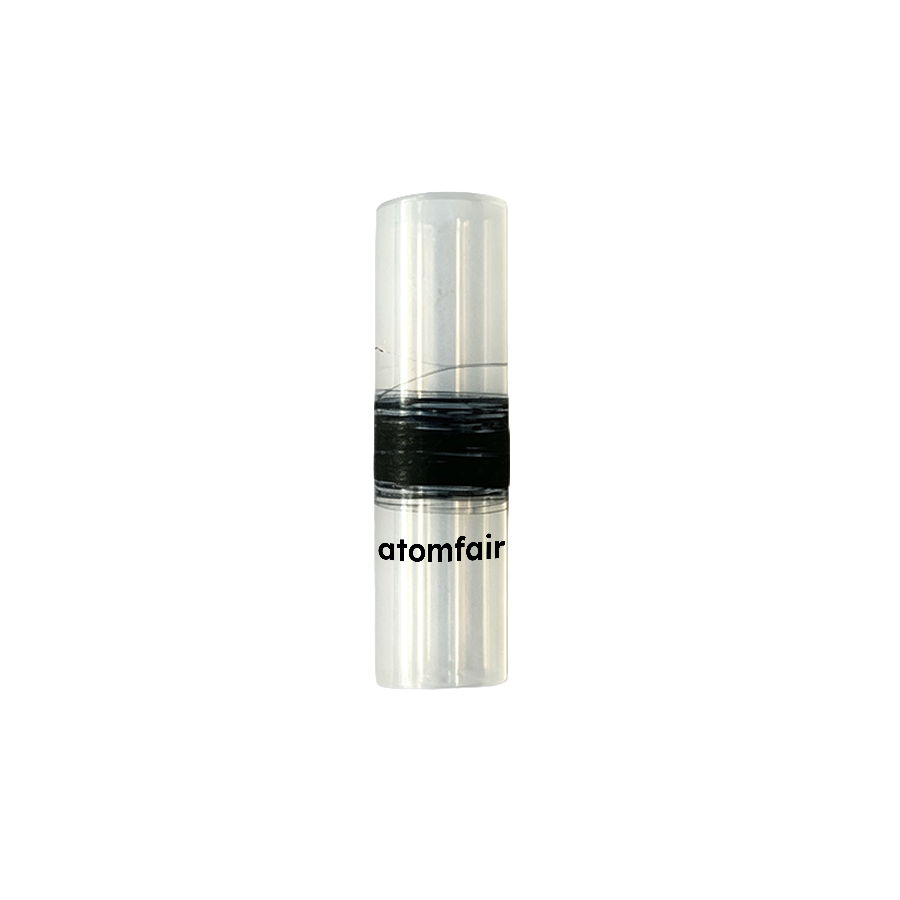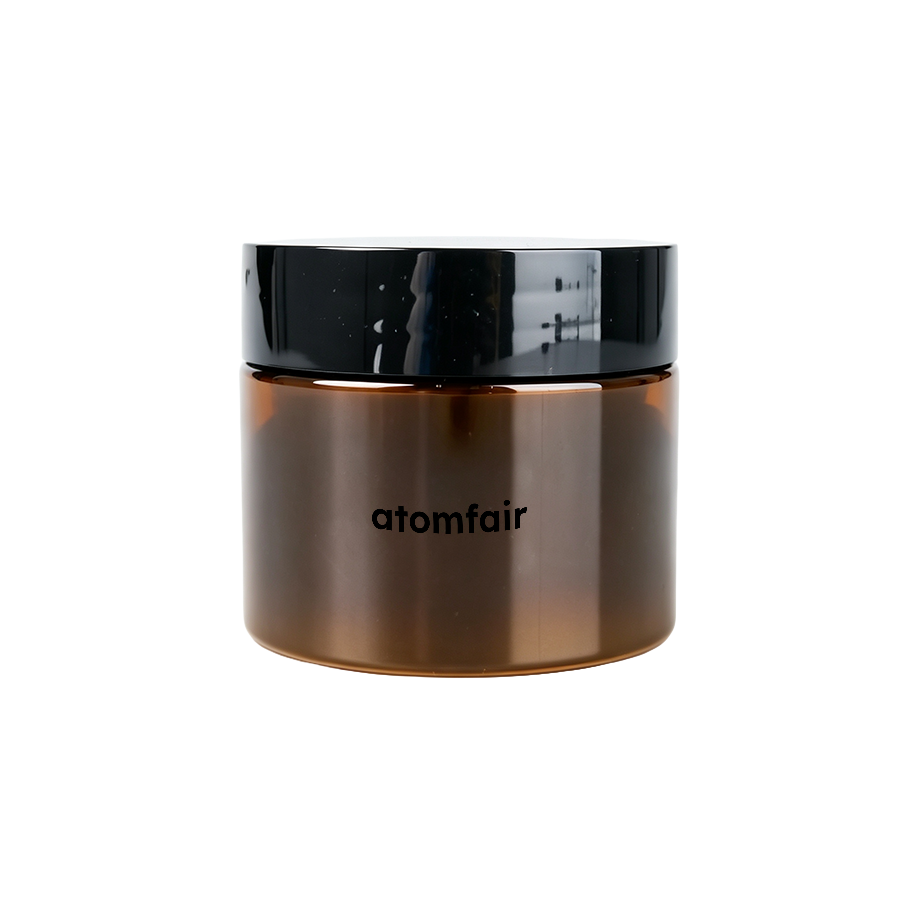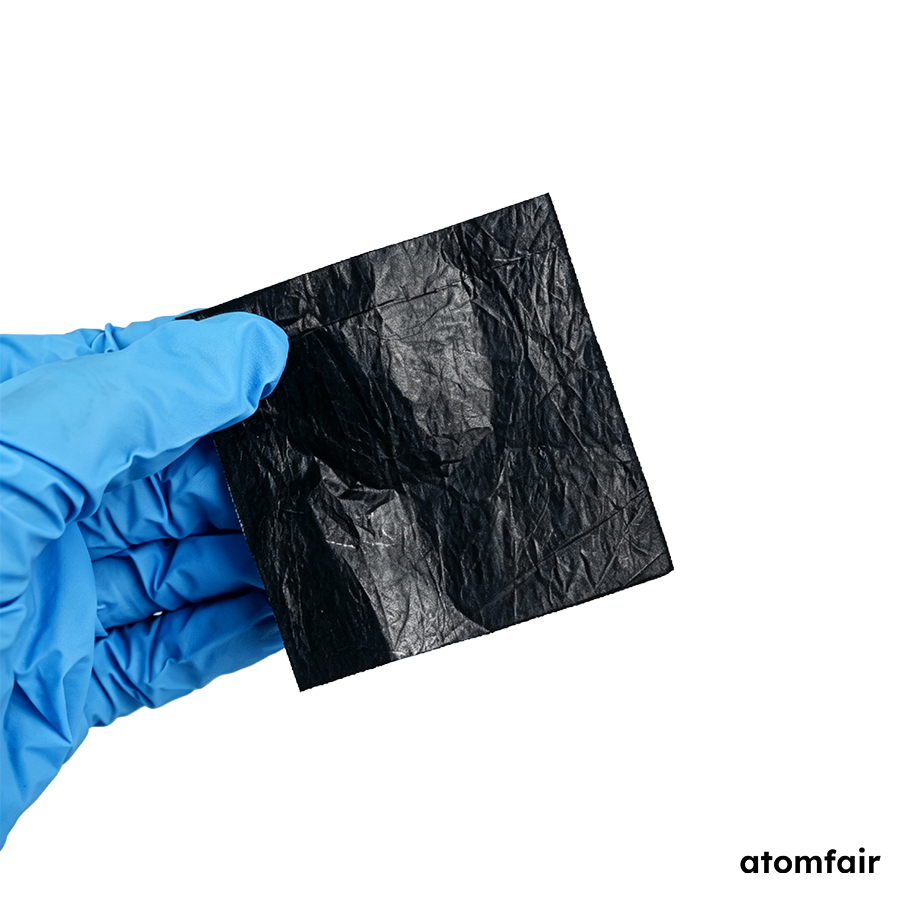
Purified Single-walled carbon nanotubes, OD 1-2 nm, length 5-30um, purity >90%Product Type: Single-walled carbon nanotube material
Research-grade laboratory product
|
|||||||||||||||||||
|
|||||||||||||||||||
|
LABORATORY PROCUREMENT SUPPORT
For model selection, material specification matching, application fit or quotation confirmation, contact our technical sales team.
E-MAIL: inquiry@atomfair.com
|
|||||||||||||||||||
|
Manufacturer: Atomfair LLC
Brand: ATOMFAIR®
|
This material is a research-grade nanomaterial with high aspect ratio and potential respiratory hazard if aerosolized. Storage must prevent moisture absorption and static accumulation to maintain dispersion quality.
- Environmental sensitivity: Moisture exposure can cause agglomeration and reduce dispersibility in organic solvents or aqueous systems.
- Handling precaution: Use in a fume hood or glovebox to avoid inhalation of airborne nanomaterial particles during transfer.
- Dispersion requirement: Effective dispersion typically requires sonication or high-shear mixing in a compatible solvent with appropriate surfactant or functionalization.
This procedure describes safe transfer and dispersion of single-walled carbon nanotube powder for laboratory research. Proper dispersion is critical to achieve uniform suspension for composite, film, or electrode preparation.
Required Equipment: Fume hood or glovebox, Analytical balance, Ultrasonic bath or probe sonicator
- Weigh nanotube powder
Transfer the required mass of purified single-walled carbon nanotube powder into a clean glass vial using an antistatic spatula inside a fume hood. - Add dispersant solvent
Add the chosen solvent or surfactant solution to the vial at the target concentration for the intended application. - Disperse by sonication
Sonicate the suspension in an ice bath using a probe sonicator at 20-40% amplitude for 10-30 minutes until a visually uniform dispersion is obtained. - Centrifuge to remove aggregates
Centrifuge the dispersion at 3000-5000 g for 10 minutes to sediment any large aggregates and collect the supernatant for use.
How does the length distribution (5–30 μm) affect the rheological properties of SWCNT dispersions for spin-coating or inkjet printing?
The wide length distribution can significantly impact viscosity and dispersion stability. Shorter tubes (~5 μm) improve dispersion and reduce nozzle clogging, while longer tubes (~30 μm) enhance electrical percolation but increase viscosity. The product is supplied with a length range of 5–30 μm, and the user should match the dispersion workflow to the intended application, as noted in the selection and use notes.
What is the carbon purity level (>90%) and what are the typical impurities removed during purification?
The purity of >90% by weight indicates that the material contains less than 10% residual impurities, primarily amorphous carbon, metal catalyst residues, and other carbon allotropes. The product is specifically labeled as 'Purified Single-walled carbon nanotubes,' meaning it has undergone processing to reduce these contaminants, which is critical for consistent electronic and mechanical properties in research applications.
Can these purified SWCNTs be used directly in aqueous-based electrode slurries without additional functionalization?
Purified SWCNTs are hydrophobic and typically require surfactants or solvent-based dispersion for stable aqueous slurries. The product is supplied as pristine (non-functionalized), and the description notes that functionalized grades (hydroxyl, carboxyl, amino) are available for improved dispersion in polar media. For aqueous electrode formulations, users should consider either adding a dispersant or selecting a functionalized variant from the broader product range.
This purified single-walled carbon nanotube material offers >90% purity and a 1-2 nm diameter, suitable for research applications requiring consistent electronic properties, though the broad length distribution and lack of functionalization necessitate careful dispersion optimization.
Positive
- High purity >90%: The >90% purity level minimizes amorphous carbon and catalyst residue, reducing interference in spectroscopic and electrochemical measurements.
- Narrow outer diameter 1-2 nm: The 1-2 nm diameter range is characteristic of single-walled carbon nanotubes, providing consistent electronic properties for fundamental studies.
Trade-offs
- Broad length distribution 5–30 µm: The broad length range requires additional processing (e.g., centrifugation or filtration) to achieve uniform dispersion for thin-film or composite applications.
- No specified surface functionalization: As a pristine material, it lacks functional groups that may be needed for dispersion in polar solvents or covalent integration into polymer matrices.
Every advanced material, component, equipment, and instrument in our catalog is backed by rigorous testing. We maintain strict internal quality management frameworks and align with CE conformity metrics to deliver transparent, reproducible performance data via our public open-science repository.
To request raw batch performance data, submit formal vendor registration paperwork, or execute a fast-turnaround R&D manufacturing loop, contact us at inquiry@atomfair.com.
Item is dispatched under the Atomfair Shipping & Delivery Framework (Free worldwide shipping on orders over $59 USD excl. heavy equipment). Return is governed by the Atomfair Return & Refund Policy (7-day technical return window).