|
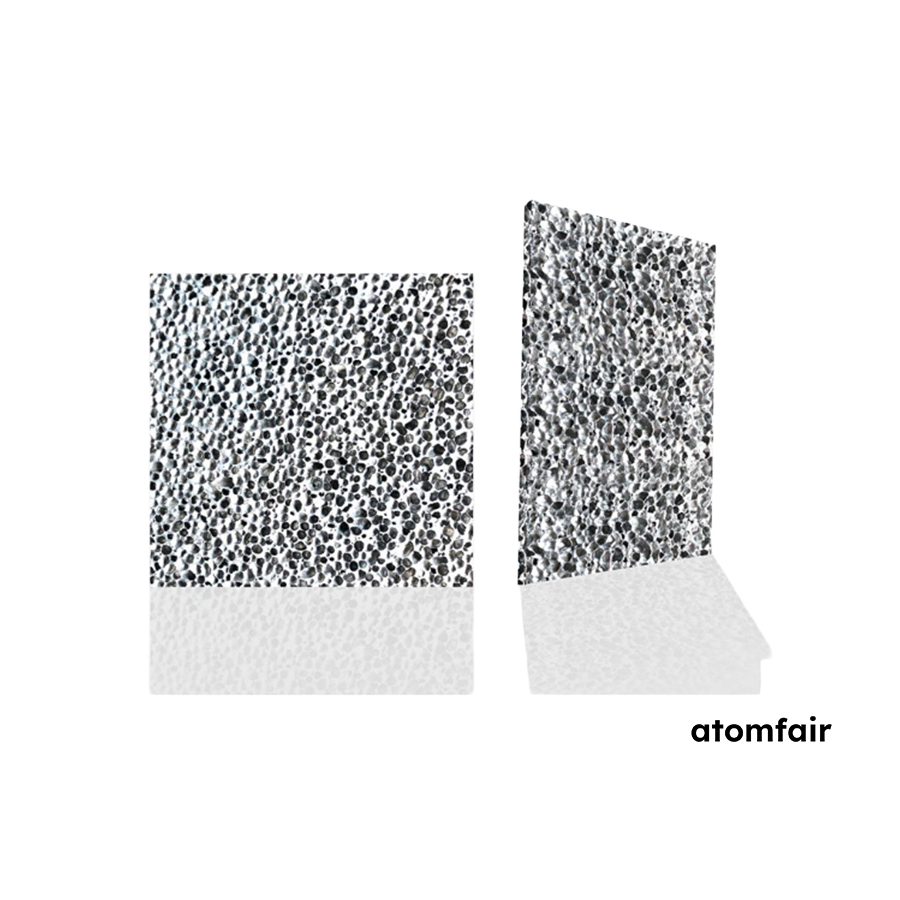
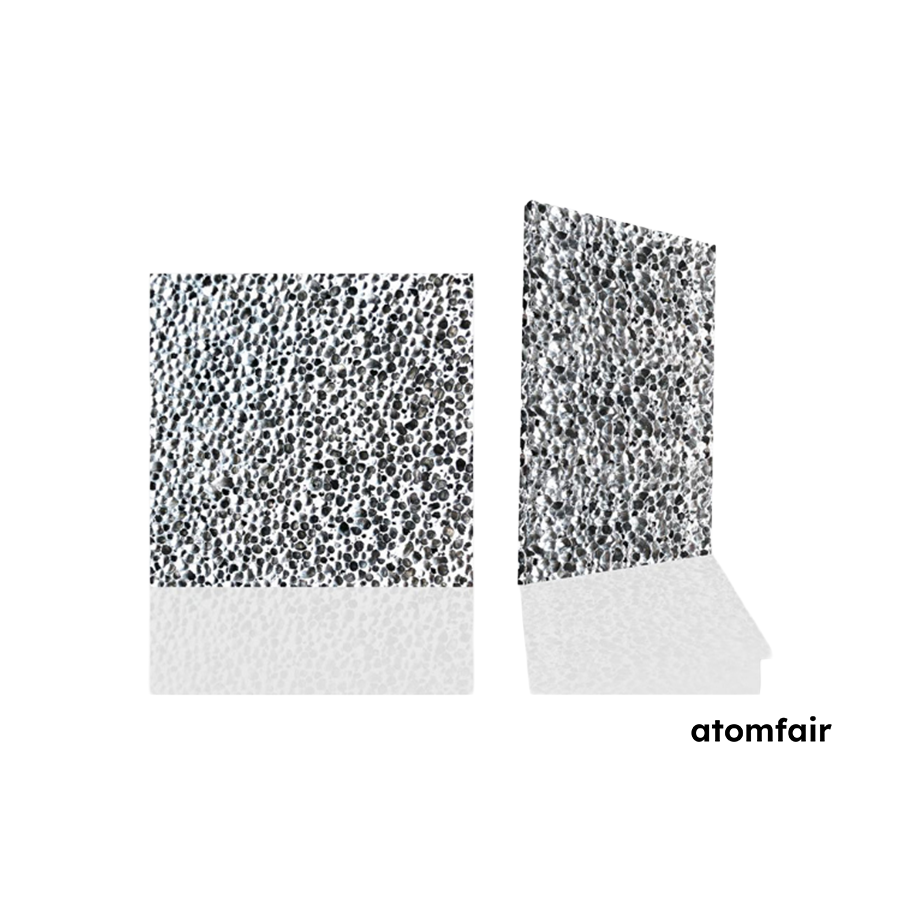
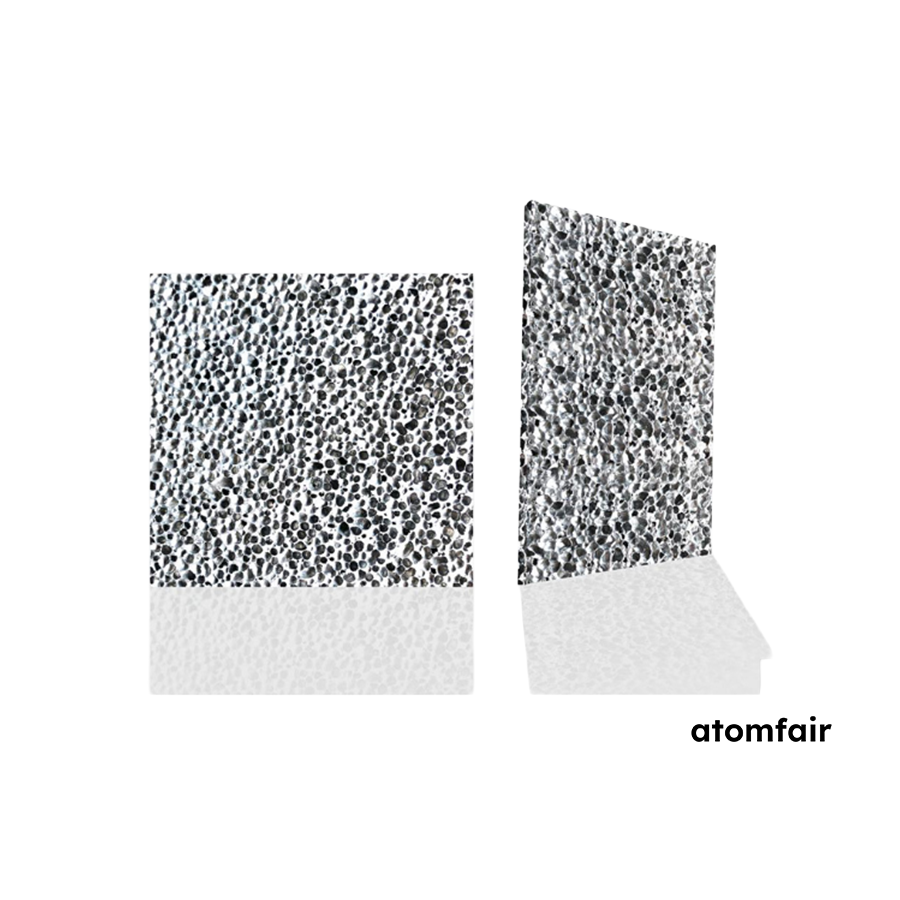
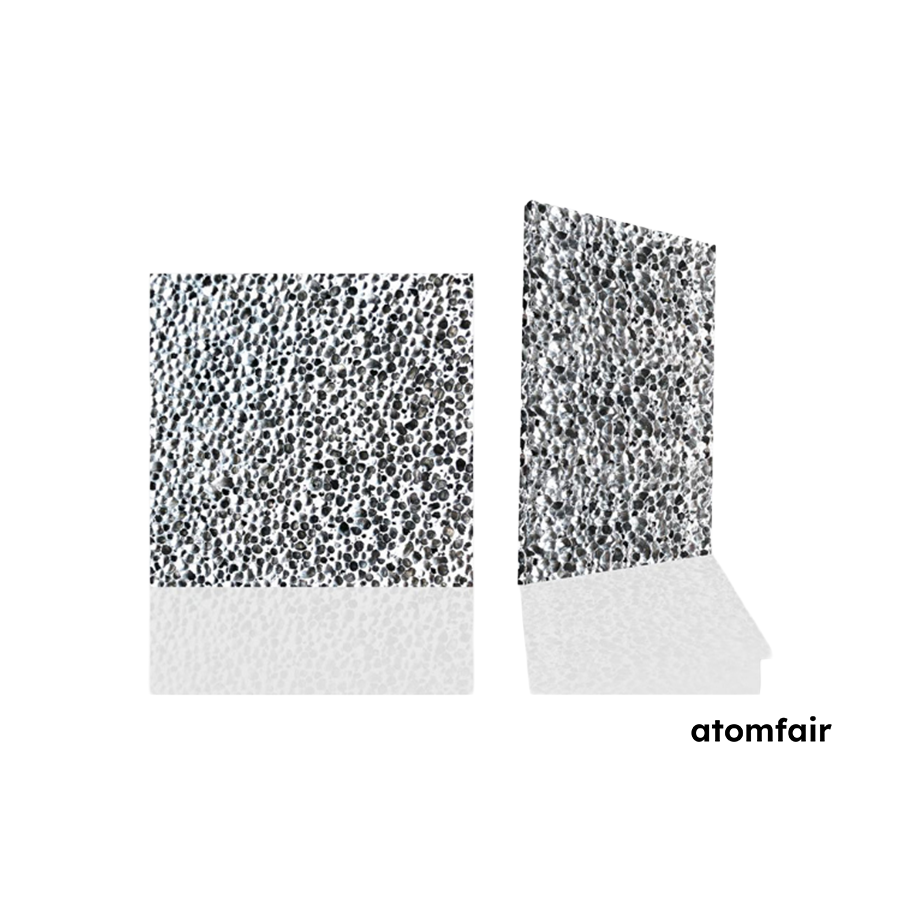
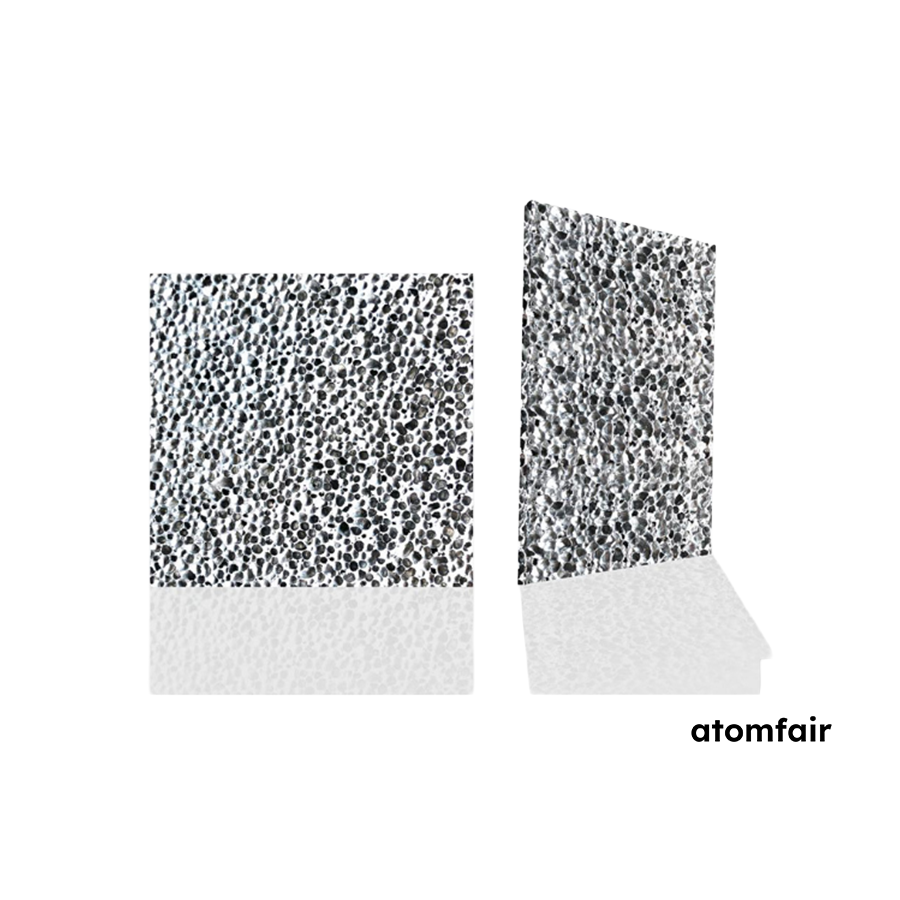
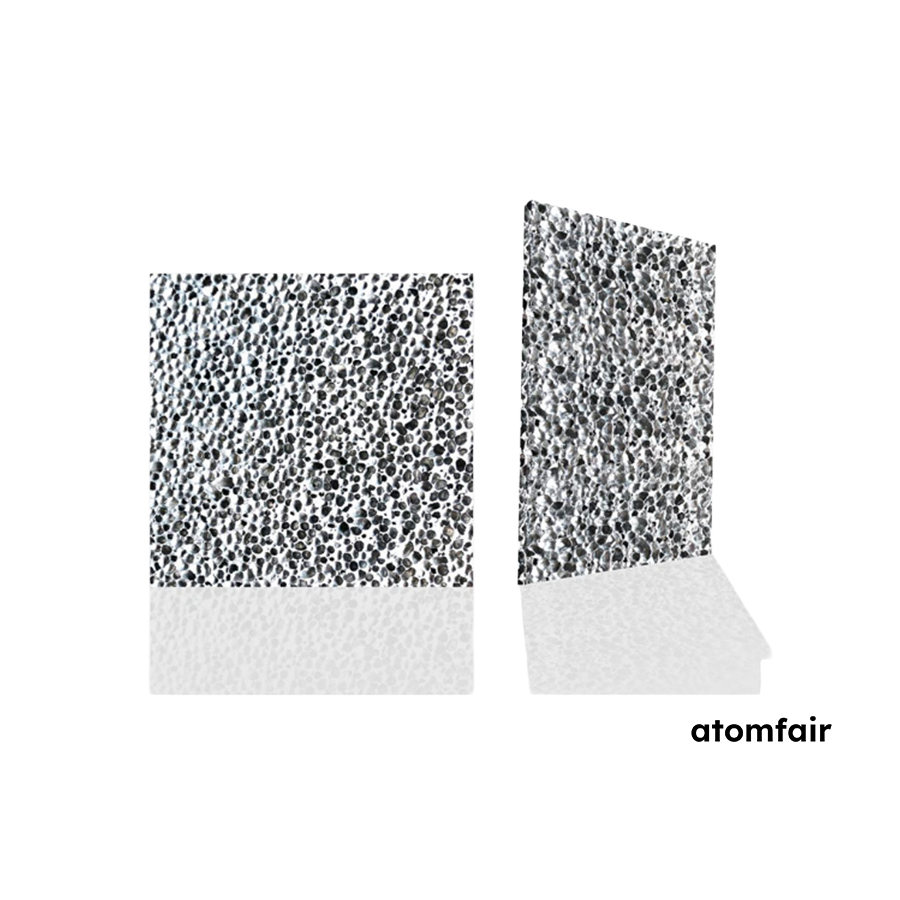
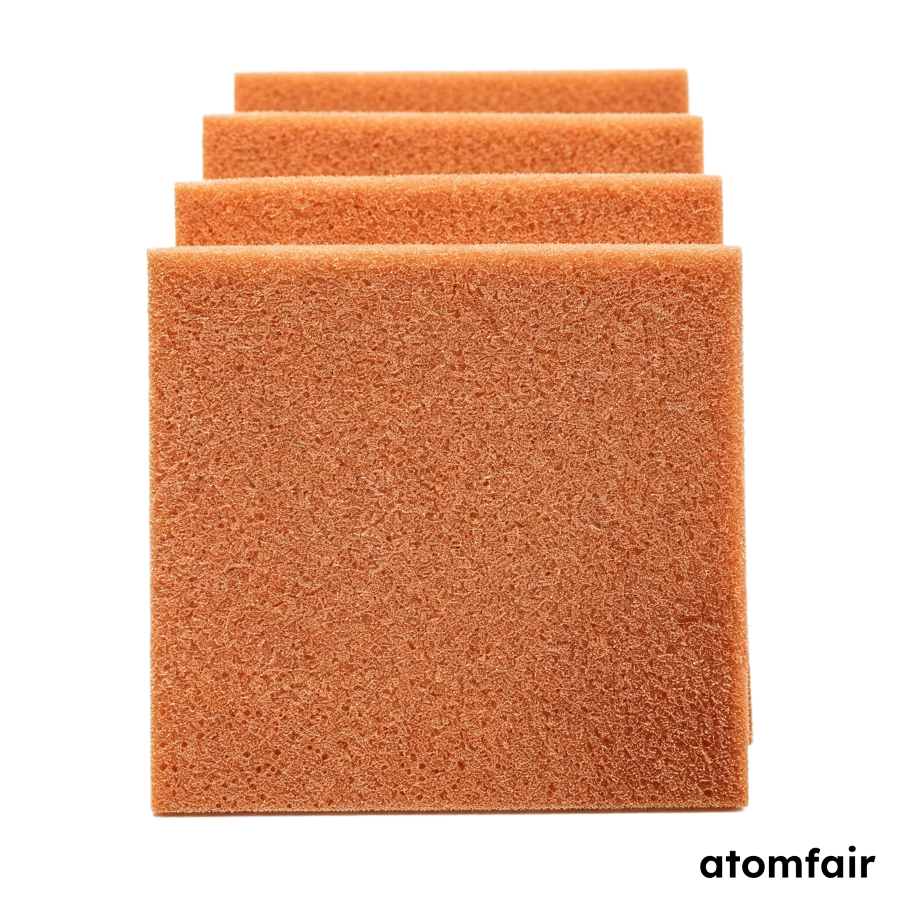
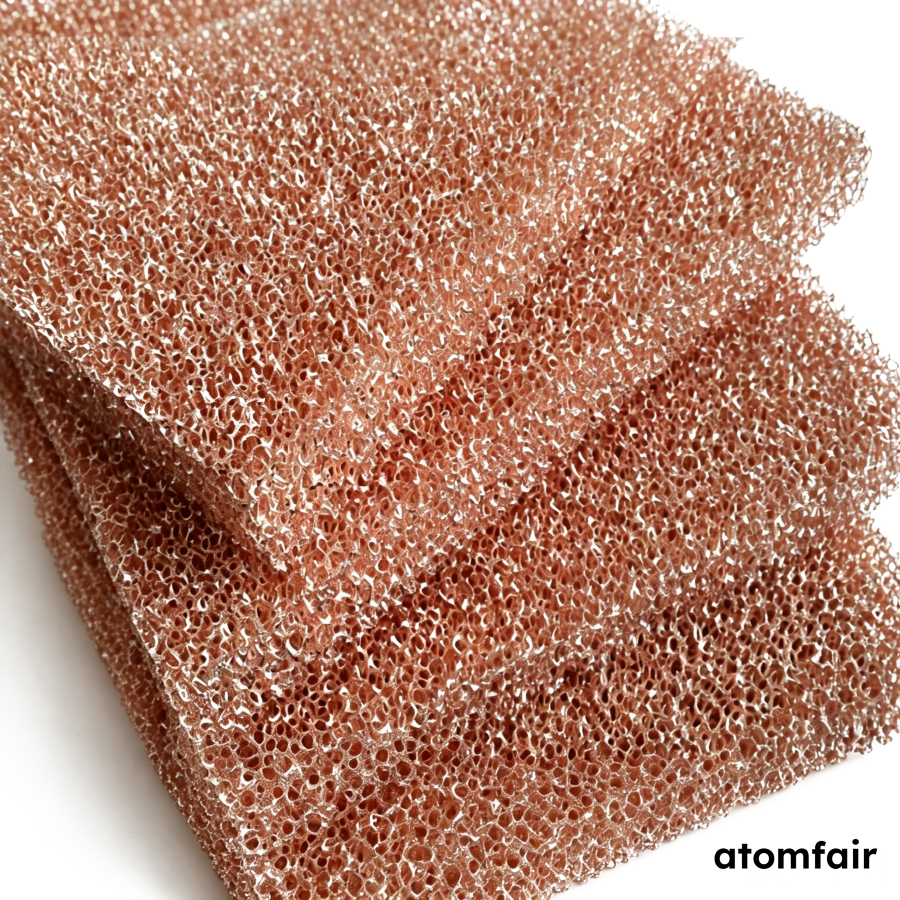
Laboratory Open-Cell Copper Foam, 110 PPI, 100 × 100 × 3 mm, 1/5 pcs
Research-grade laboratory product
|
|||||||||||||||||||||||||||||||||||||||
|
|||||||||||||||||||||||||||||||||||||||
|
LABORATORY PROCUREMENT SUPPORT
For PPI selection, sheet-dimension confirmation, package support or application-specific configuration review, contact our technical sales team.
E-MAIL: inquiry@atomfair.com
|
|||||||||||||||||||||||||||||||||||||||
|
Manufacturer: Atomfair LLC
Brand: ATOMFAIR®
|
This copper foam sheet requires storage in a clean dry environment to prevent contamination and mechanical damage. The open-cell structure must be protected from heavy impact and crushing to maintain pore integrity.
- Storage Environment: Store the copper foam sheet in a clean dry area.
- Mechanical Protection: Protect the sheet from heavy impact and crushing during handling.
- Contamination Prevention: Avoid contamination of the open cellular surface.
- Pre-Use Inspection: Inspect package condition and sheet dimensions before use.
- Pore Structure Verification: Verify visible pore structure before cutting or bonding.
Store the copper foam sheet in a clean dry area and protect it from mechanical damage. Before use inspect the package condition sheet dimensions and pore structure then proceed with cutting or bonding.
- Store
Store the copper foam sheet in a clean dry area to prevent contamination. - Protect
Protect the sheet from heavy impact and crushing during handling. - Inspect
After delivery inspect the package condition and sheet dimensions for any damage. - Verify
Before cutting or bonding verify the visible pore structure to ensure integrity.
How does the 110 PPI and 50–80% porosity of this open-cell copper foam affect its electrical conductivity and thermal transfer performance for electrode and heat-dissipation applications?
The 110 PPI (nominal pore pitch 0.23 mm) combined with 50–80% porosity and ≥98% through-pore rate provides a high internal surface area while maintaining an interconnected copper framework. This structure supports both electrical conduction for electrode applications and thermal transfer for heat-dissipation components, as stated in the product specifications. The bulk density range of 0.1–0.8 g/cm³ further indicates a lightweight yet conductive network.
Can this 100×100×3 mm copper foam sheet be used directly in a filtration or water-purification system without modification?
The product is described as suitable for filtration and water-purification media evaluations, but the Selection Guidance advises confirming application-critical pore geometry and integration requirements before ordering. The 0.23 mm nominal pore pitch and ≥98% through-pore rate suggest it can function as a filtration medium, but direct use should be verified against the specific system's compatibility, flow rate, and chemical environment.
What are the critical handling and storage precautions to avoid damaging the 110 PPI open-cell structure before laboratory use?
The Handling & Inspection section advises storing the sheets in a clean, dry area and protecting the open cellular surface from heavy impact, crushing, and contamination. After delivery, check the package condition, sheet dimensions, and visible pore structure before cutting, bonding, or installing. These steps preserve the interconnected pore network and ensure the material meets its stated specifications (≥98% through-pore rate, 50–80% porosity).
This 110 PPI open-cell copper foam sheet (100 × 100 × 3 mm) provides a high through-pore rate (≥98%) and a porosity range of 50–80%, making it suitable for electrode, catalyst-support, thermal-management, and filtration evaluations. The 0.23 mm nominal pore pitch and bulk-density range of 0.1–0.8 g/cm³ define its structural and transport characteristics for laboratory integration.
Positive
- High through-pore rate: The ≥98% through-pore rate ensures an interconnected open network, maximizing internal surface exposure for electrode, catalyst-carrier, and filtration applications.
- Defined cellular specification: The 110 PPI structure with a 0.23 mm nominal pore pitch and 50–80% porosity provides a reproducible porous-metal framework for engineering integration and performance validation.
Trade-offs
- Handling sensitivity: The open cellular surface must be protected from heavy impact, crushing, and contamination, requiring careful storage and handling before cutting or installation.
- Application-specific validation required: Pore geometry and integration requirements must be confirmed before ordering, as the stated porosity and pore-pitch ranges may not meet all application-critical specifications without custom configuration.
Every advanced material, component, equipment, and instrument in our catalog is backed by rigorous testing. We maintain strict internal quality management frameworks and align with CE conformity metrics to deliver transparent, reproducible performance data via our public open-science repository.
To request raw batch performance data, submit formal vendor registration paperwork, or execute a fast-turnaround R&D manufacturing loop, contact us at inquiry@atomfair.com.
Item is dispatched under the Atomfair Shipping & Delivery Framework (Free worldwide shipping on orders over $59 USD excl. heavy equipment). Return is governed by the Atomfair Return & Refund Policy (7-day technical return window).