|
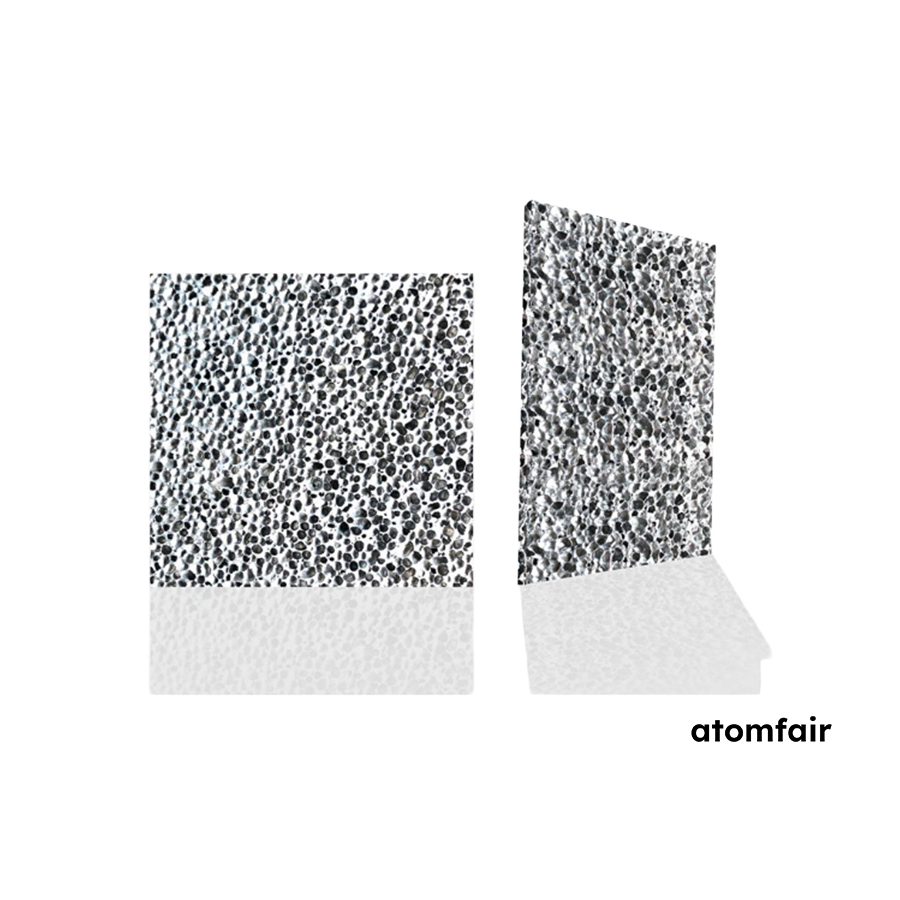
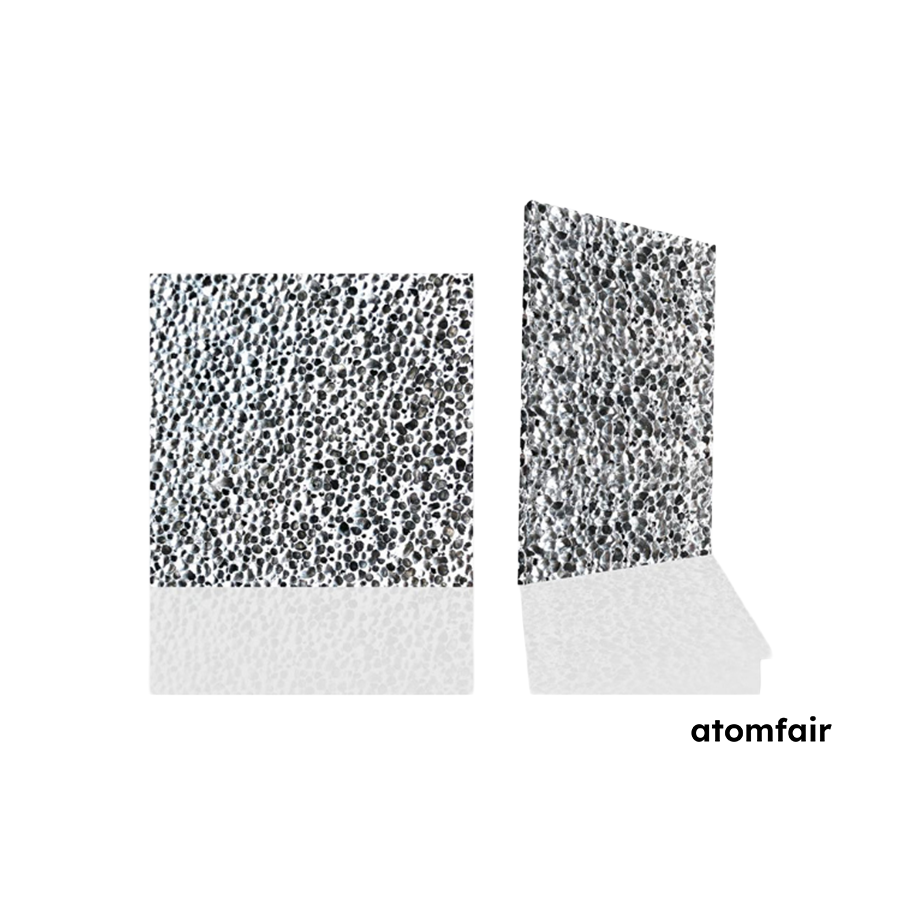
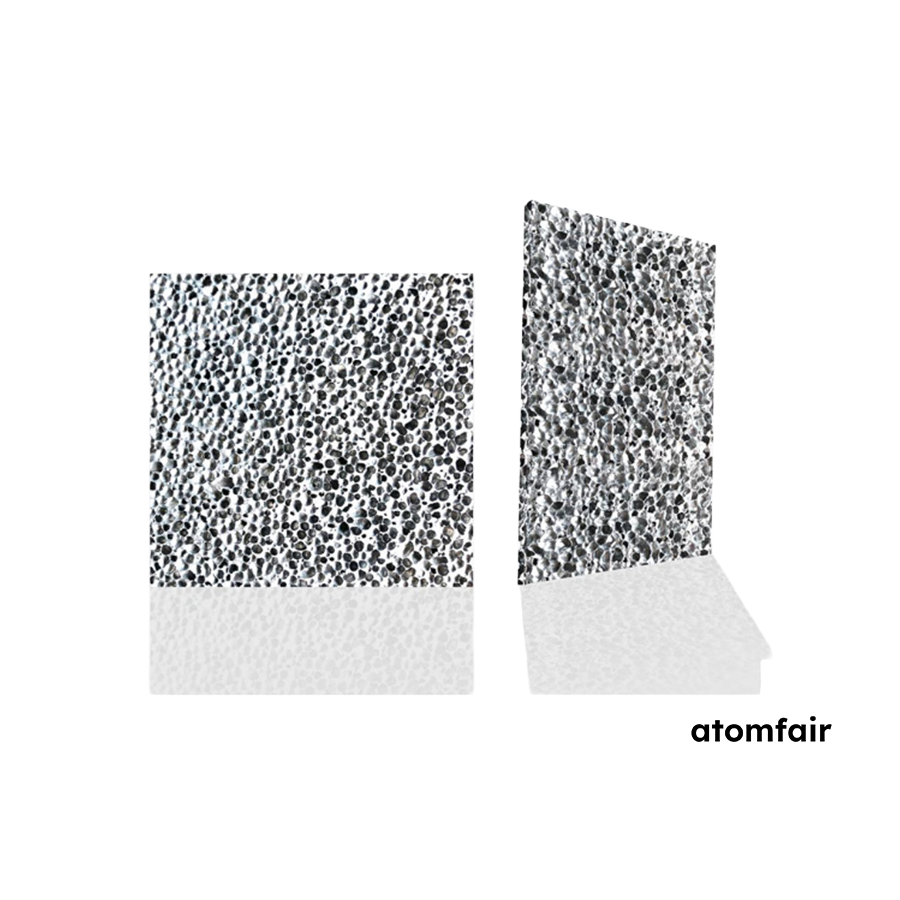
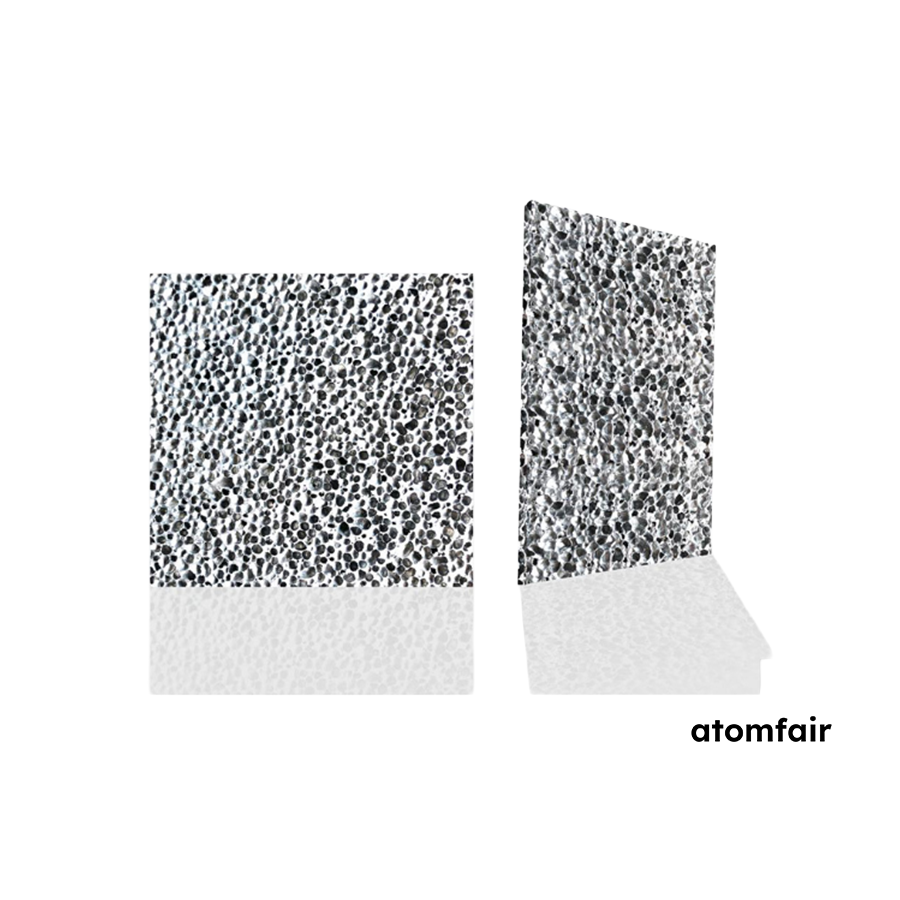
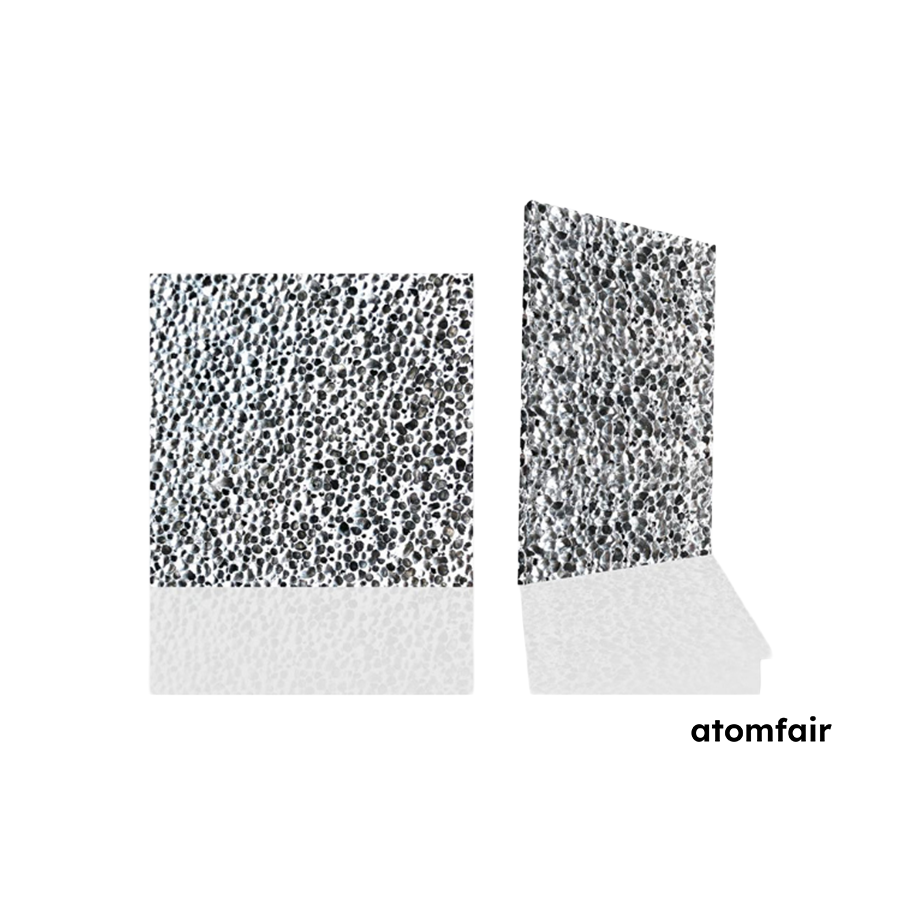
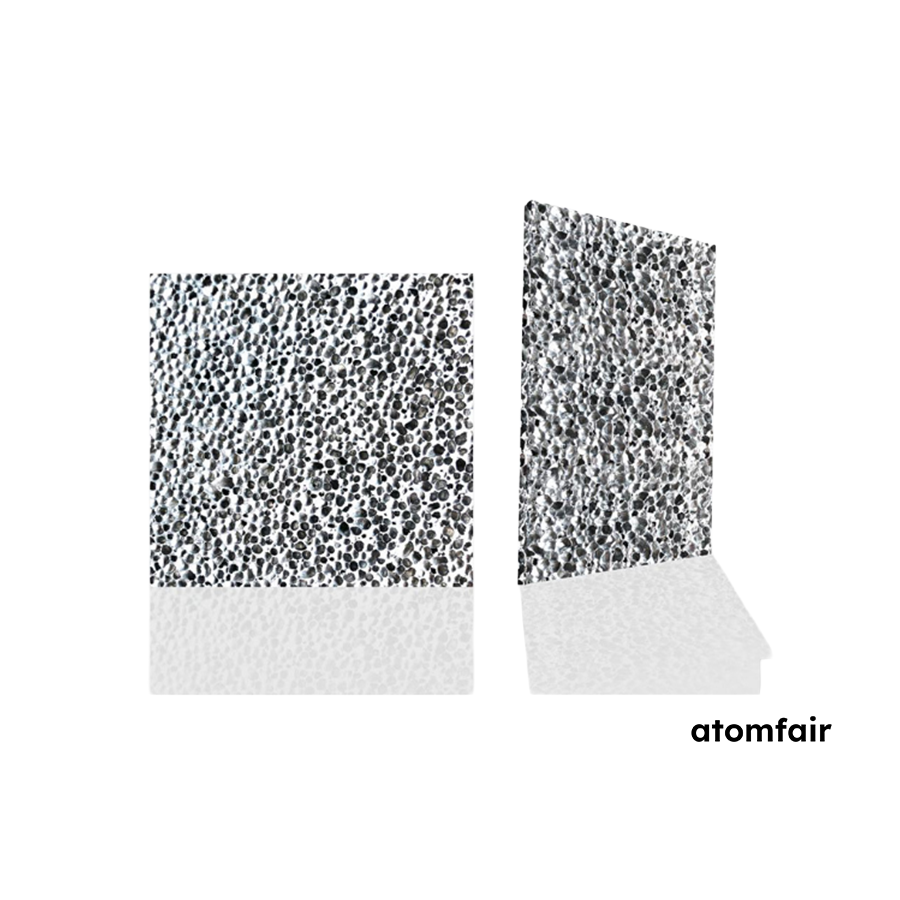
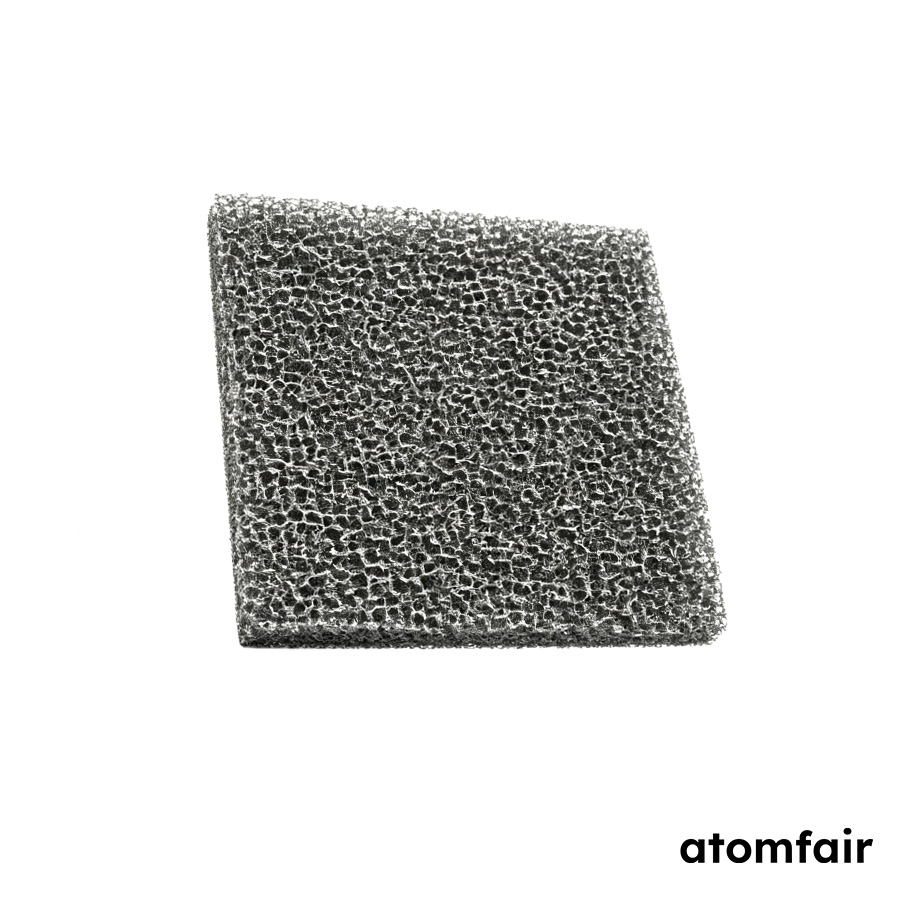
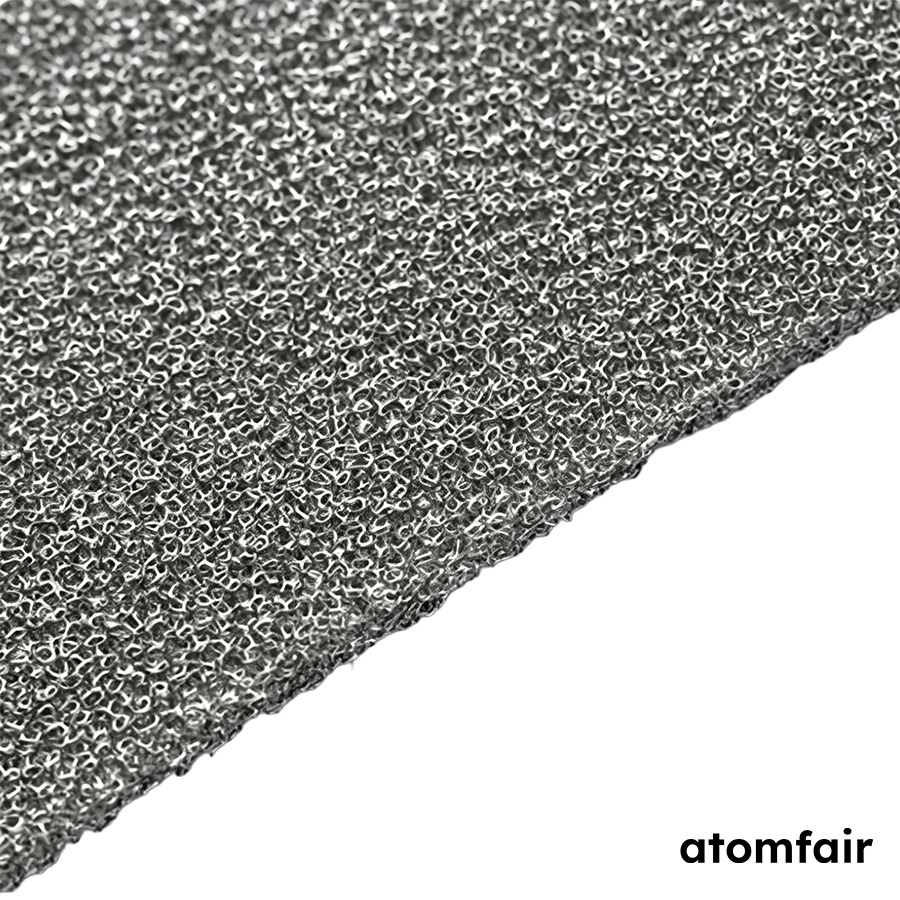
Laboratory Open-Cell Nickel Foam, 20 PPI, 200 × 200 × 2 mm, 1/5 pcs
Research-grade laboratory product
|
|||||||||||||||||||||||||||||||||||||||||||||||||||||||||
|
|||||||||||||||||||||||||||||||||||||||||||||||||||||||||
|
LABORATORY PROCUREMENT SUPPORT
For PPI selection, sheet-dimension confirmation, package support or application-specific configuration review, contact our technical sales team.
E-MAIL: inquiry@atomfair.com
|
|||||||||||||||||||||||||||||||||||||||||||||||||||||||||
|
Manufacturer: Atomfair LLC
Brand: ATOMFAIR®
|
Store the nickel foam sheets in a clean, dry area to prevent contamination and structural damage. Protect the open cellular surface from heavy impact, crushing, and contamination during handling and storage.
- Storage and Handling: Store the sheets in a clean, dry area and protect the open cellular surface from heavy impact, crushing, and contamination.
How does the 20 PPI pore density of this nickel foam influence its suitability for gas diffusion electrodes in fuel cells?
The 20 PPI (pores per inch) with a nominal pore pitch of 1.27 mm provides an open-cell structure with high through-pore rate (≥98%) and porosity (60–98%), enabling efficient gas transport and electrolyte penetration. This makes it suitable for fuel cell electrodes where uniform reactant distribution and low pressure drop are critical. The nickel matrix also offers electrical conductivity and corrosion resistance in alkaline environments.
Can this nickel foam be integrated into high-temperature catalytic reactors without degradation?
Yes, the foam is listed with temperature resistance ≥500°C and high-temperature capability >1100°C, along with resistance to acid/alkali conditions. The open-cell structure maintains mechanical integrity with tensile strength 8–50 MPa and compressive strength ≥250 kPa, making it suitable for catalyst carrier applications in harsh thermal and chemical environments.
What storage and handling precautions are required to preserve the foam's structural integrity?
Store sheets in a clean, dry area and protect the open cellular surface from heavy impact, crushing, and contamination. After delivery, inspect package condition, sheet dimensions, and visible pore structure before cutting, bonding, or installing. The foam can be cut, bent, and bonded for fabrication, but care should be taken to avoid deforming the pore network.
This 20 PPI open-cell nickel foam sheet offers high porosity (60–98%) and ≥98% through-pore rate for efficient fluid transport, combined with thermal stability above 1100°C and acid/alkali resistance, making it suitable for battery electrodes, catalysis, and filtration. However, its low mechanical strength (8–50 MPa tensile) and requirement for clean, dry storage with protection from impact and contamination necessitate careful handling and application-specific verification before ordering.
Positive
- High pore interconnectivity: The open-cell structure with 60–98% porosity and ≥98% through-pore rate provides extensive internal surface area and unimpeded flow for gases, liquids, and electrochemical reactants, enabling efficient filtration, catalytic contact, and electrode loading.
- Broad thermal and chemical stability: Listed temperature resistance ≥500°C with capability above 1100°C, combined with acid/alkali resistance, allows the foam to operate in harsh environments such as high-temperature catalysis, hydrogen electrolysis, and corrosive filtration media.
Trade-offs
- Mechanical fragility under load: With tensile strength of 8–50 MPa and compressive strength ≥250 kPa, the foam's low-density structure (bulk density 0.1–0.8 g/cm³) is susceptible to crushing and deformation under heavy impact or excessive force, requiring careful handling and integration.
- Application-specific verification required: The selection guidance mandates confirmation of PPI, porosity, dimensions, and operating environment before ordering, as the fixed 20 PPI, 200×200×2 mm format may not suit all applications without custom consultation, adding lead time and design effort.
Every advanced material, component, equipment, and instrument in our catalog is backed by rigorous testing. We maintain strict internal quality management frameworks and align with CE conformity metrics to deliver transparent, reproducible performance data via our public open-science repository.
To request raw batch performance data, submit formal vendor registration paperwork, or execute a fast-turnaround R&D manufacturing loop, contact us at inquiry@atomfair.com.
Item is dispatched under the Atomfair Shipping & Delivery Framework (Free worldwide shipping on orders over $59 USD excl. heavy equipment). Return is governed by the Atomfair Return & Refund Policy (7-day technical return window).