
|
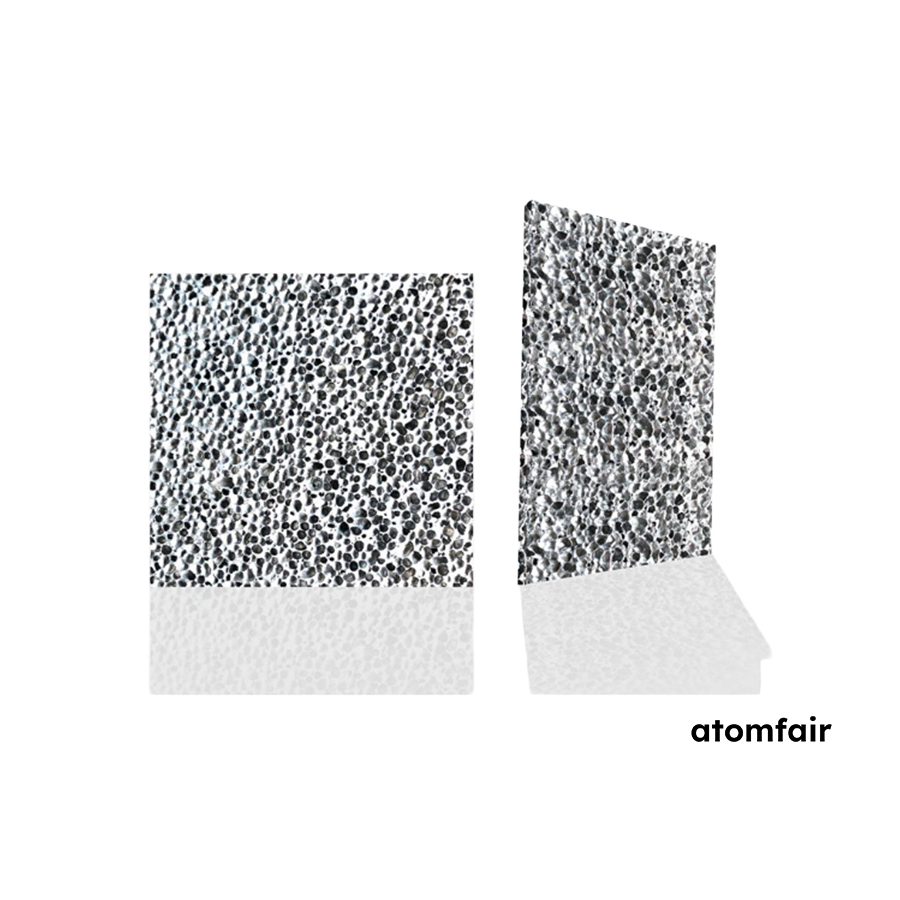
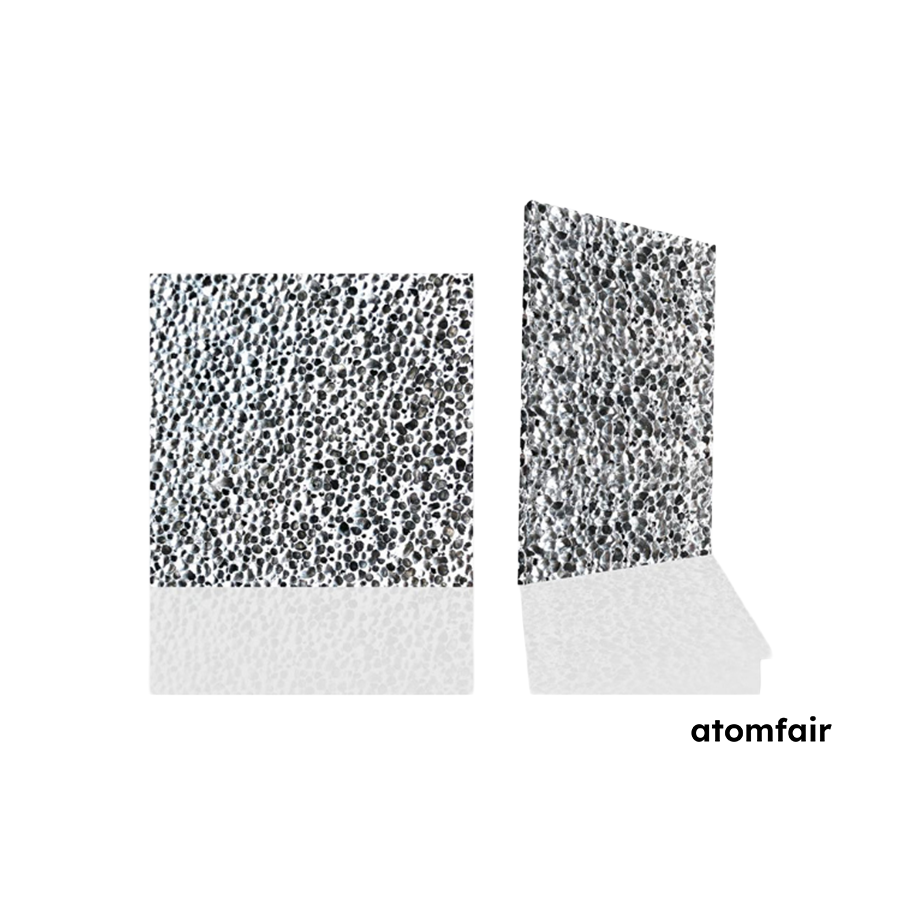
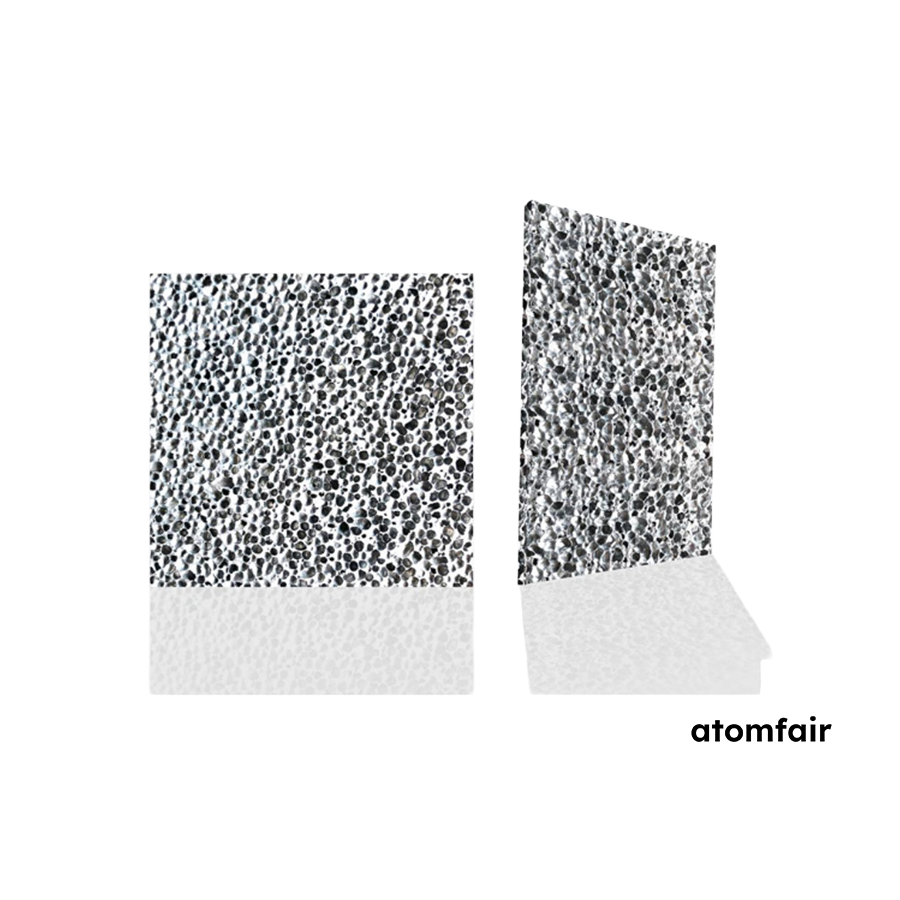
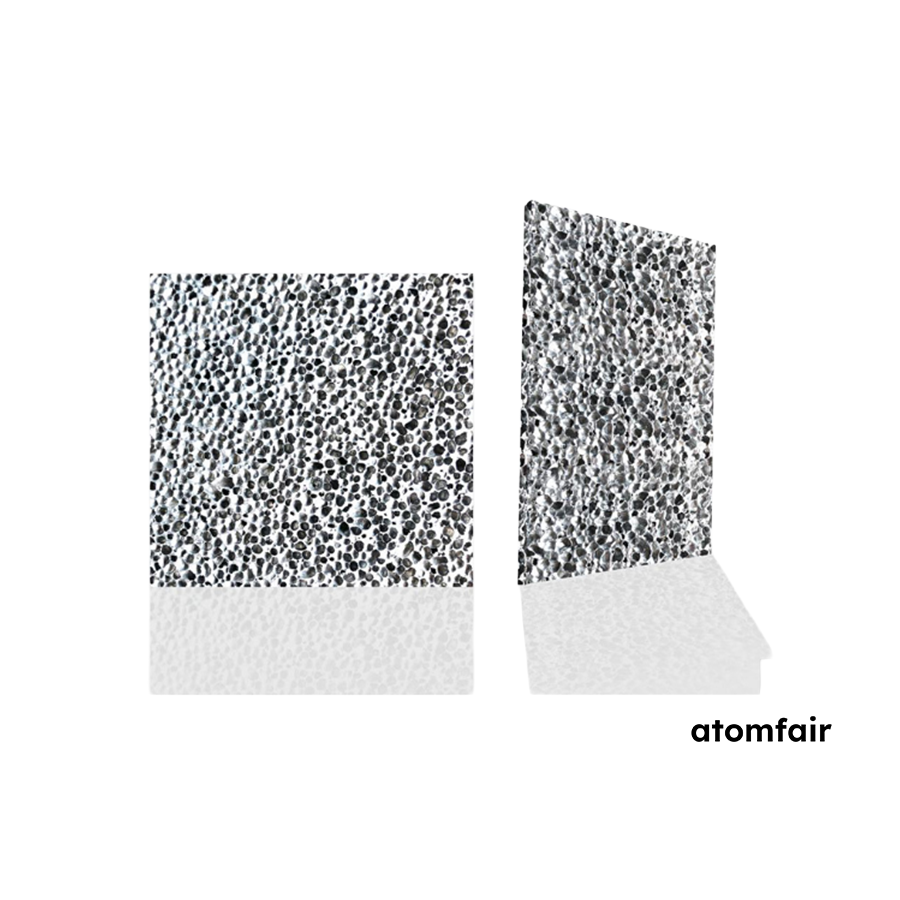
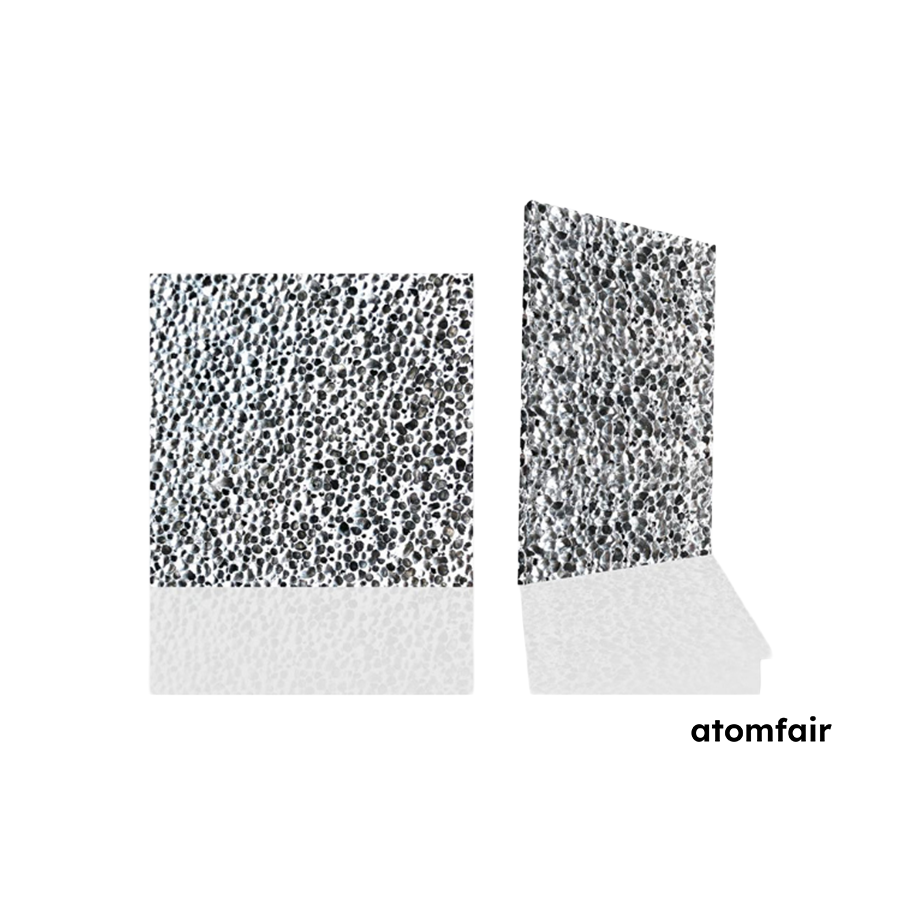
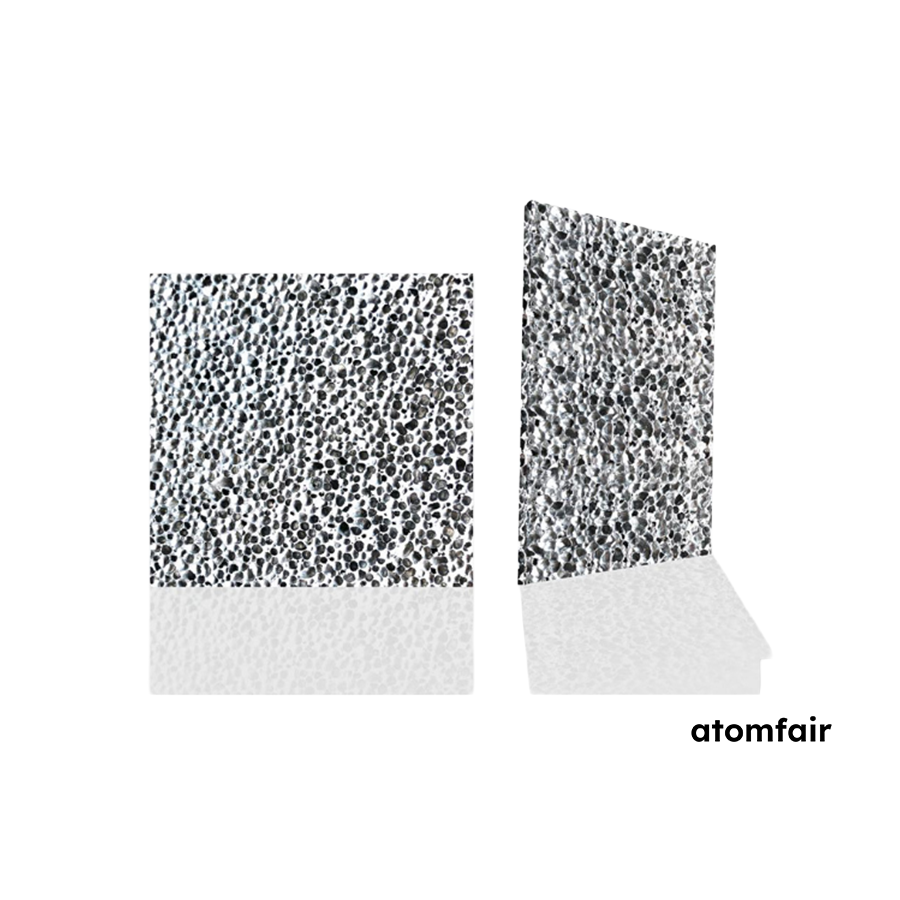
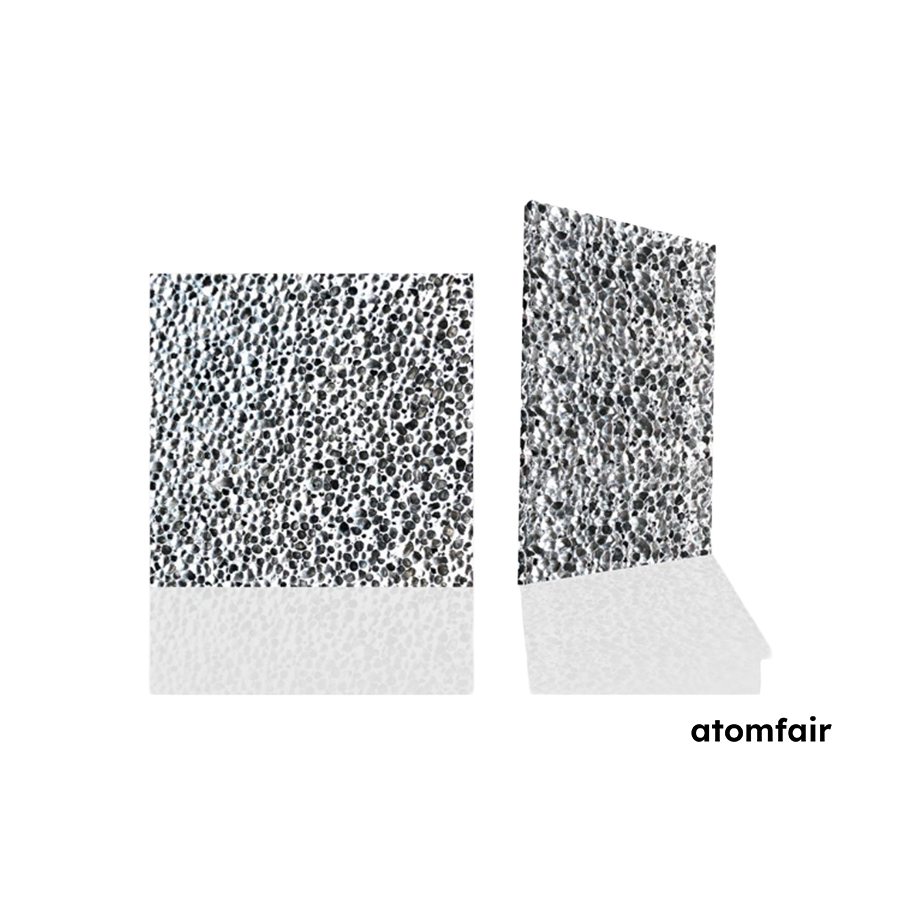
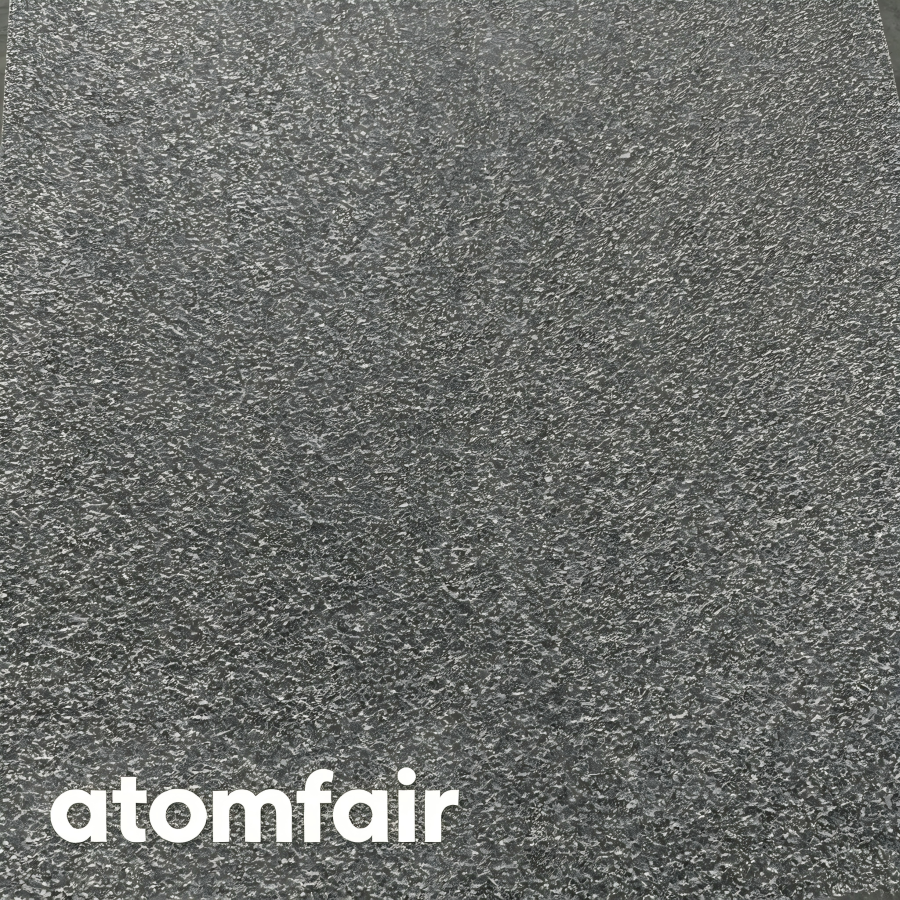
Open-Cell Aluminum Foam, 3–4 mm Pore Size, 200 × 200 × 8 mm, 5/10 pcs
Research-grade laboratory product
|
|||||||||||||||||||||||||||||||||||
|
|||||||||||||||||||||||||||||||||||
|
TAILORED SOLUTIONS FOR RESEARCH
For pore-size selection, sheet-dimension confirmation, package support or application-specific guidance, contact our engineering sales team.
EMAIL: inquiry@atomfair.com
|
|||||||||||||||||||||||||||||||||||
|
Manufacturer: Atomfair LLC
Brand: ATOMFAIR®
|
What is the difference between porosity and open-cell rate in this aluminum foam, and how do they affect fluid flow and mechanical integrity?
Porosity (70–90% typical) refers to the total void fraction, while open-cell rate (55–65% typical) indicates the proportion of interconnected pores that allow continuous fluid passage. A higher open-cell rate improves flow permeability but may reduce the load-bearing capacity of the metallic framework. These parameters are explicitly stated for the AF-O34-20-T08 model to help users balance passage geometry against structural requirements.
Can this open-cell aluminum foam be used for both gas and liquid filtration applications?
Yes, the interconnected open-pore network supports both gas and liquid filtration assemblies, as listed in the typical applications. The 3–4 mm pore size and 55–65% open-cell rate allow fluid passage, but the aluminum alloy framework may not be compatible with corrosive or high-temperature media. Users should confirm the intended operating environment and chemical compatibility before integration.
What are the recommended storage and handling procedures to prevent damage to the cellular structure?
Store the sheets in a clean, dry area and protect the cellular surface from heavy impact, crushing, and contamination. After delivery, inspect the package condition, sheet dimensions, and visible pore structure before cutting, bonding, or installing the material. These precautions are specified in the handling and inspection guidance to preserve the open-cell geometry.
This open-cell aluminum foam sheet (200 × 200 × 8 mm, 3–4 mm pore size) provides a rigid, lightweight porous medium with interconnected passages suitable for heat-transfer, filtration, acoustic, and light-transmission studies. The 70–90% porosity and 55–65% open-cell rate define its flow and surface-contact behavior, while the aluminum-alloy framework enables straightforward integration into lab fixtures and prototypes.
Positive
- Interconnected open-pore network: The continuous open passages through the metallic cellular structure support airflow, fluid passage, and light transmission, enabling multipurpose use in heat-transfer, filtration, and acoustic experiments.
- Lightweight rigid aluminum framework: The foamed aluminum alloy provides a mechanically stable porous medium that can be cut, bonded, or integrated into test fixtures and prototype assemblies without excessive weight.
Trade-offs
- Susceptible to crushing and contamination: The cellular surface must be stored in a clean, dry area and protected from heavy impact or crushing, as the open-cell structure is mechanically fragile under point loads.
- Fixed sheet dimensions limit direct fit: The standard 200 × 200 × 8 mm format may not match all experimental setups; dimensional customization requires consultation and feasibility review before ordering.
Every advanced material, component, equipment, and instrument in our catalog is backed by rigorous testing. We maintain strict internal quality management frameworks and align with CE conformity metrics to deliver transparent, reproducible performance data via our public open-science repository.
To request raw batch performance data, submit formal vendor registration paperwork, or execute a fast-turnaround R&D manufacturing loop, contact us at inquiry@atomfair.com.
Item is dispatched under the Atomfair Shipping & Delivery Framework (Free worldwide shipping on orders over $59 USD excl. heavy equipment). Return is governed by the Atomfair Return & Refund Policy (7-day technical return window).