|
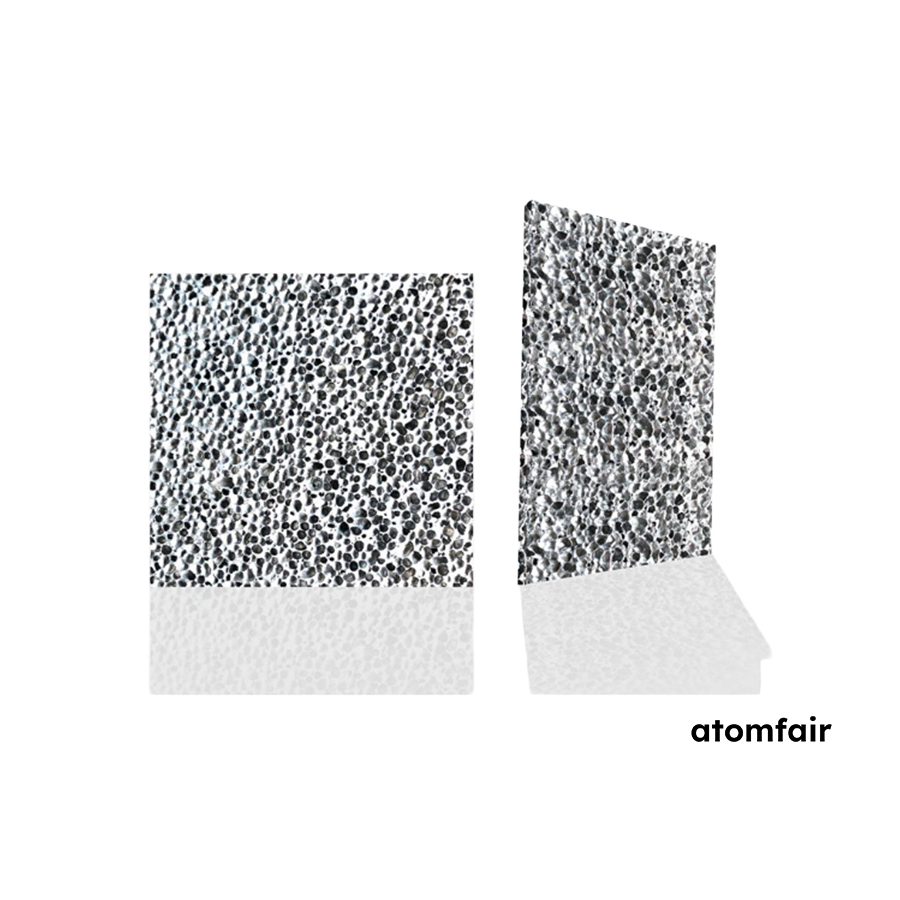
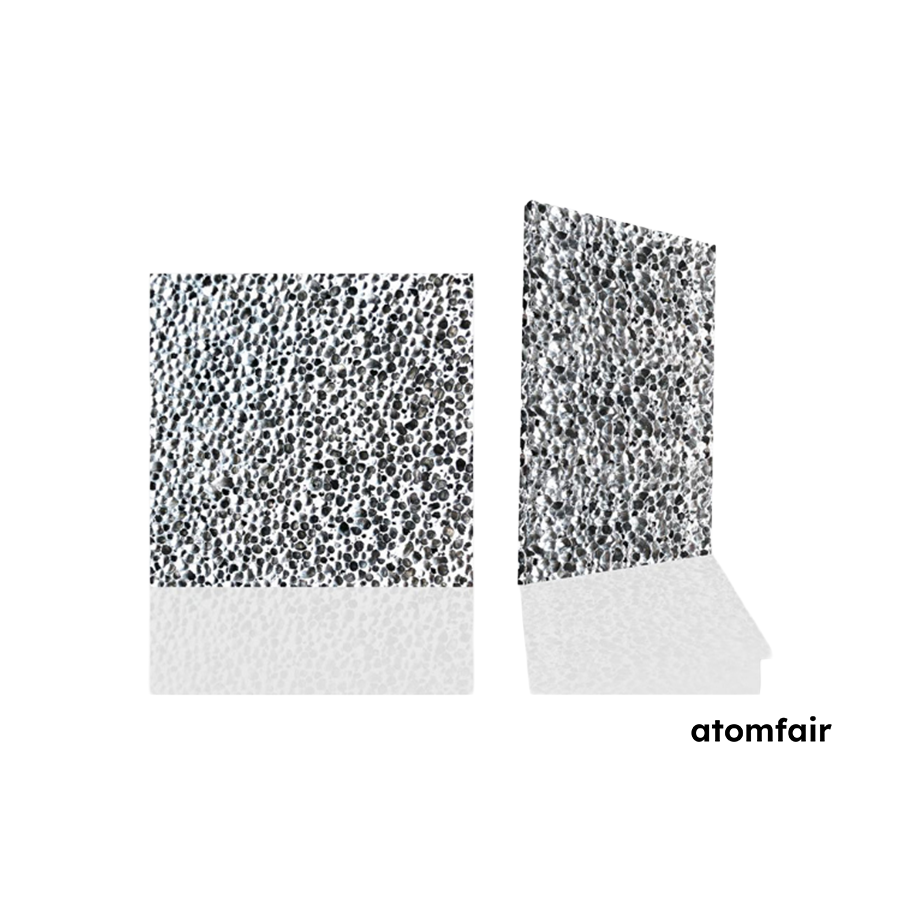
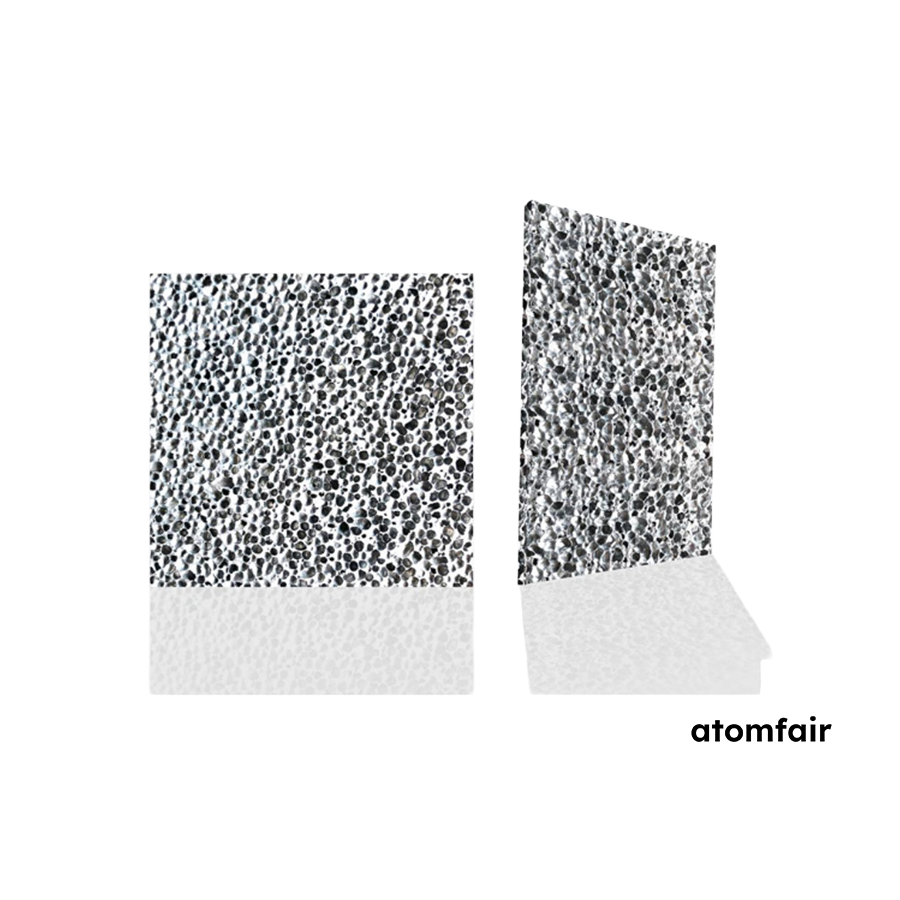
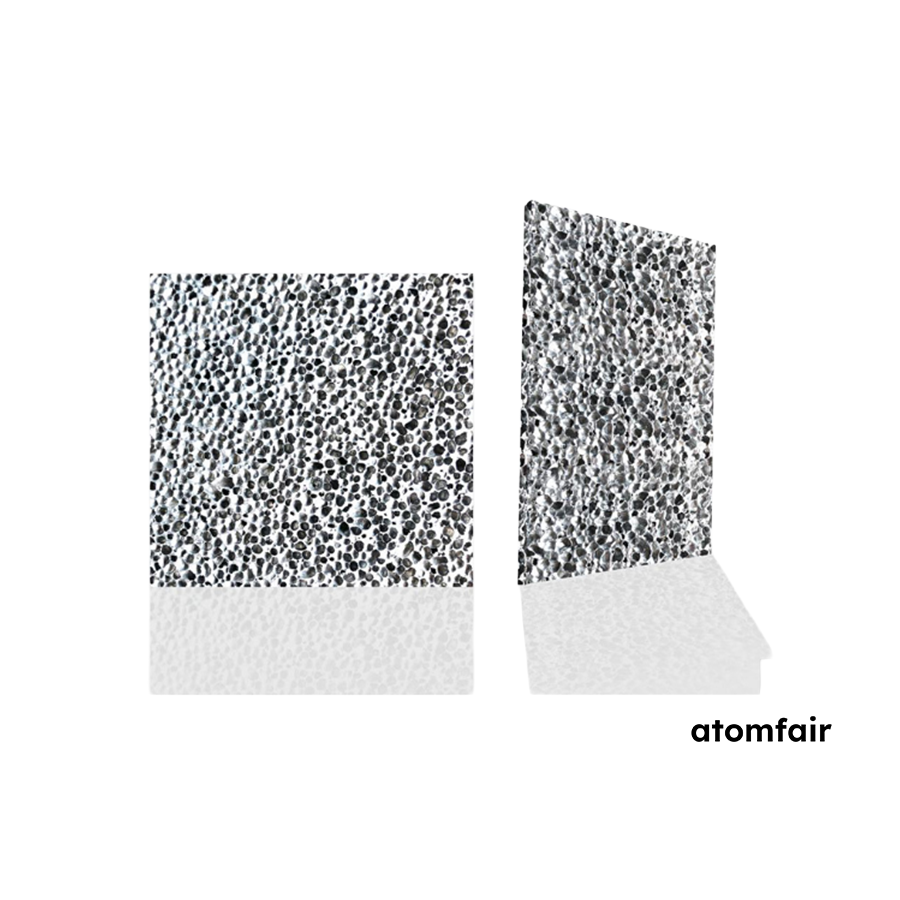
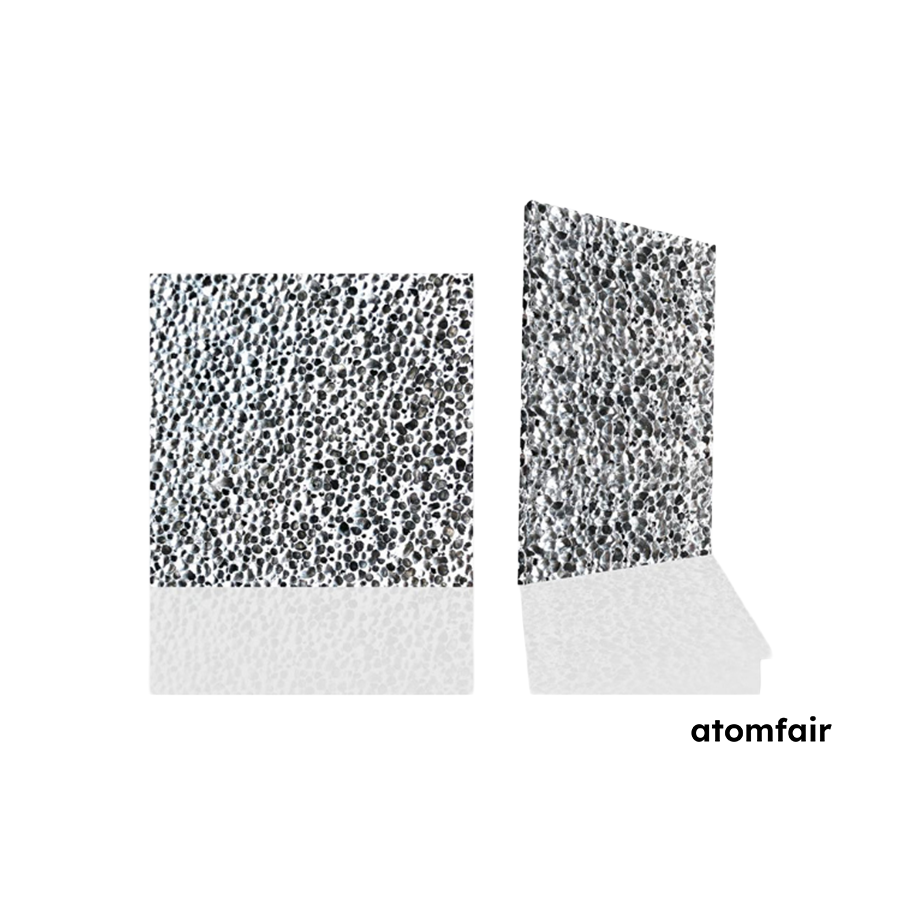
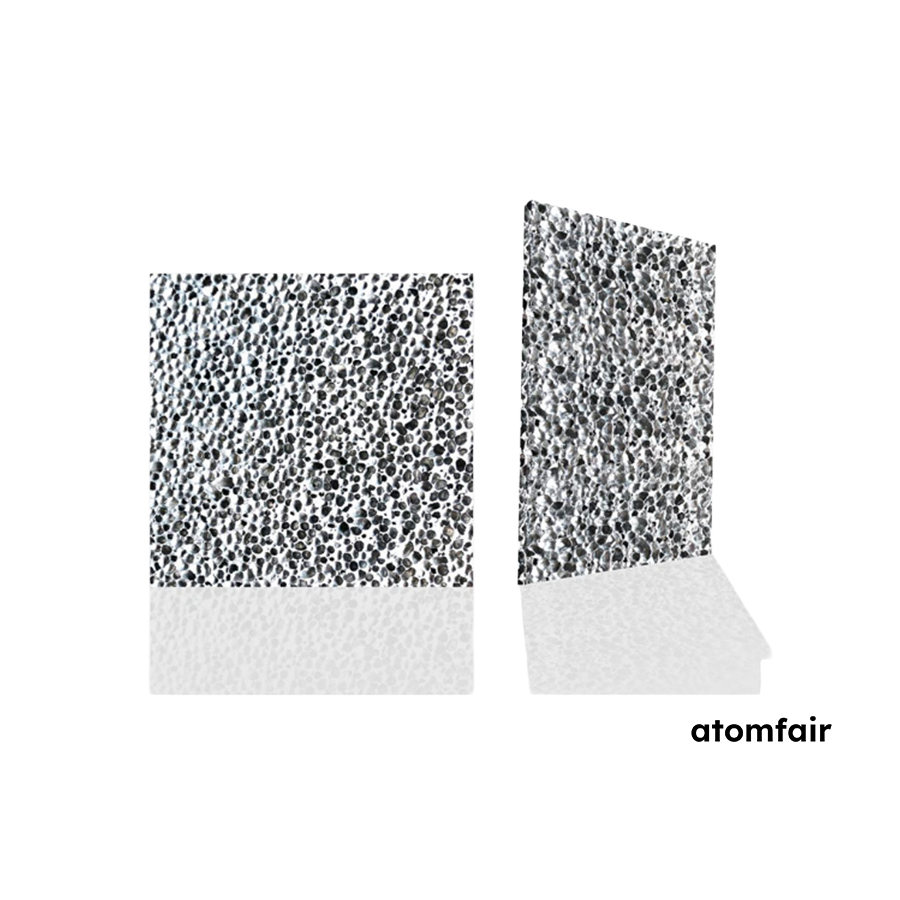
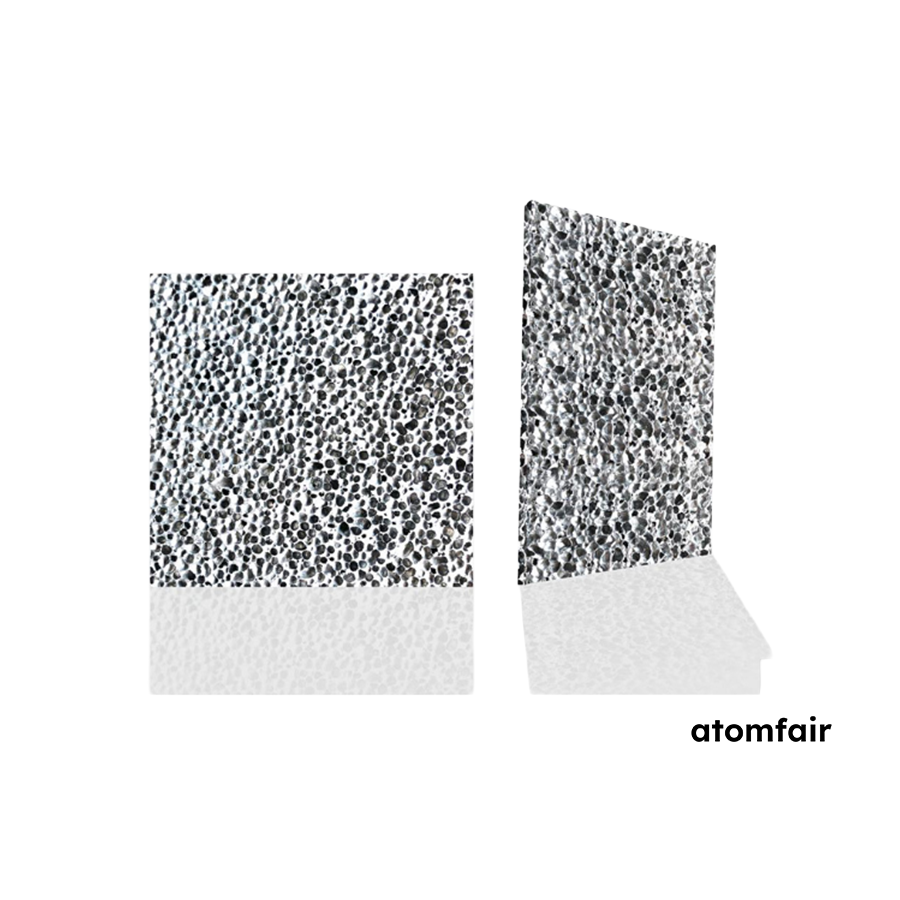
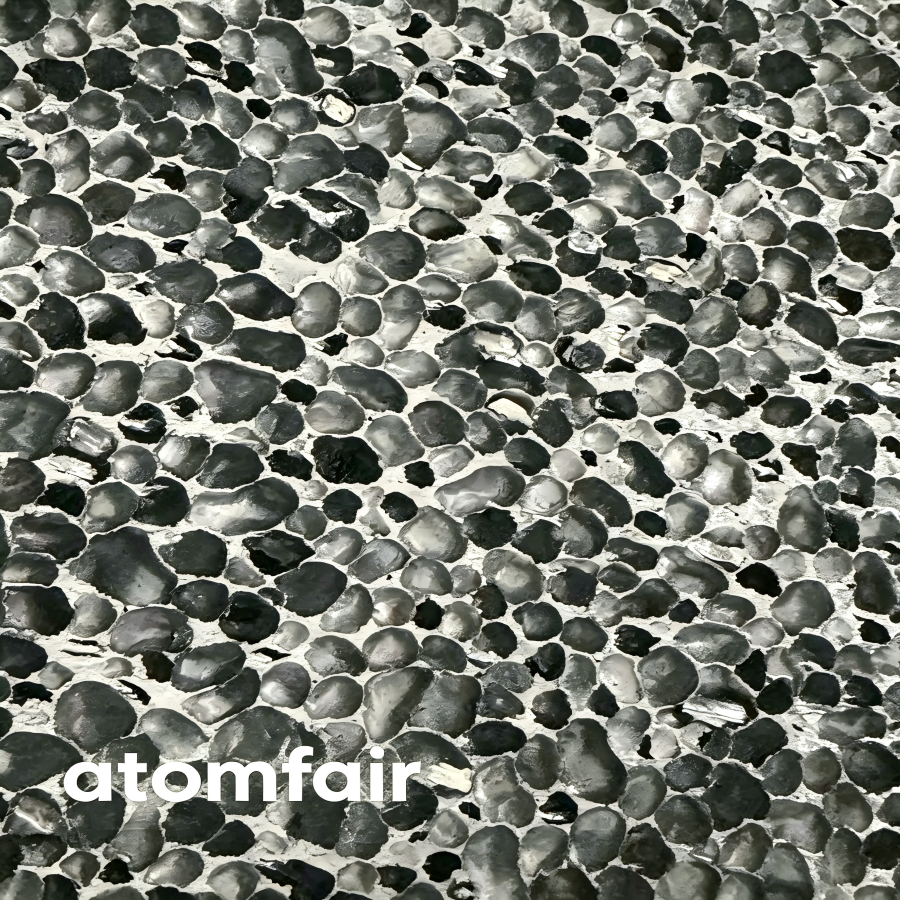
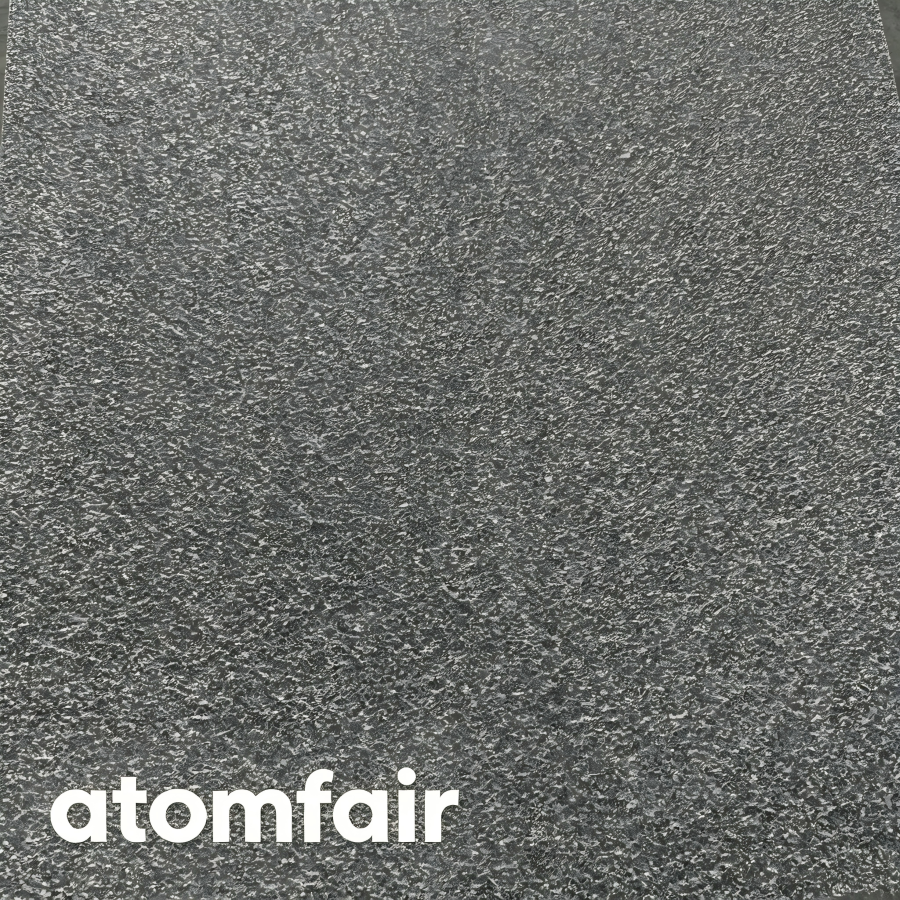
Open-Cell Aluminum Foam, 2–3 mm Pore Size, 100 × 200 × 8 mm, 5/10 pcs
Research-grade laboratory product
|
|||||||||||||||||||||||||||||||||||
|
|||||||||||||||||||||||||||||||||||
|
TAILORED SOLUTIONS FOR RESEARCH
For pore-size selection, sheet-dimension confirmation, package support or application-specific guidance, contact our engineering sales team.
EMAIL: inquiry@atomfair.com
|
|||||||||||||||||||||||||||||||||||
|
Manufacturer: Atomfair LLC
Brand: ATOMFAIR®
|
Store the aluminum foam sheets in a clean, dry environment to prevent contamination and structural damage. Protect the cellular surface from heavy impact, crushing, and contaminants during handling, cutting, bonding, or installation.
- Storage Environment: Store sheets in a clean, dry area to avoid moisture or particulate contamination.
- Impact Protection: Avoid heavy impact or crushing forces that could deform the cellular structure.
- Inspection Requirement: Inspect package condition, dimensions, and pore structure upon delivery before use.
- Operating Environment Consideration: Confirm the intended medium, mounting method, and surrounding conditions for compatibility.
- Processing Precautions: Use appropriate methods for cutting, bonding, or installing to maintain structural integrity.
Follow these steps to store, inspect, and process the aluminum foam sheets for experimental use. Proper handling ensures the integrity of the porous structure and prevents damage.
Required Equipment:
- Store in Clean Dry Area
Store the aluminum foam sheets in a clean, dry area, protecting the cellular surface from heavy impact, crushing, and contamination. - Inspect Upon Delivery
Inspect the package condition, sheet dimensions, and visible pore structure upon delivery before proceeding with further handling. - Process for Application
Cut, bond, or install the material using methods appropriate for the intended application and operating environment.
How do the porosity (70–90%) and open-cell rate (55–65%) differ, and why are both specified for this aluminum foam?
Porosity refers to the total void fraction within the foam (70–90% typical), while open-cell rate (55–65% typical) indicates the proportion of pores that are interconnected and allow fluid passage. Both parameters are specified because a high porosity does not guarantee all pores are open; the open-cell rate quantifies the effective flow-through volume, which is critical for applications like filtration or heat transfer where continuous passages are required.
Can this 8 mm thick open-cell aluminum foam sheet be integrated into a flow-through filtration assembly without additional support structures?
The sheet's rigid aluminum-alloy framework provides structural integrity, making it suitable for low-pressure filtration assemblies. However, for high-pressure or high-flow conditions, additional support may be necessary to prevent deformation. The 8 mm thickness offers moderate self-support, but integration should consider the operating pressure, mounting method, and the intended medium as noted in the selection guidance.
What precautions should be taken when cutting or machining this open-cell aluminum foam to avoid pore collapse?
To preserve the interconnected pore structure, use sharp cutting tools such as a band saw or water jet and avoid applying heavy impact or crushing forces. The handling instructions recommend storing sheets in a clean, dry area and protecting the cellular surface from contamination and mechanical damage before cutting, bonding, or installing the material.
Atomfair's open-cell aluminum foam sheet (2–3 mm pores, 100×200×8 mm) offers an interconnected porous network with 70–90% porosity and 55–65% open-cell rate, suitable for heat transfer, filtration, and acoustic experiments, but requires careful handling and confirmed dimensions.
Positive
- Interconnected open-pore network: The 2–3 mm pore size with interconnected passages supports airflow, fluid flow, and light transmission, making it suitable for filtration, heat transfer, and acoustic studies.
- High porosity and surface area: Typical porosity of 70–90% and open-cell rate of 55–65% provide a high internal surface area for thermal and fluid interaction in laboratory assemblies.
Trade-offs
- Fixed sheet dimensions: The standard 100 × 200 × 8 mm format is fixed; custom dimensions require consultation and feasibility review, limiting immediate integration for non-standard installations.
- Handling and storage sensitivity: Sheets must be stored in a clean, dry area and protected from heavy impact, crushing, and contamination, indicating mechanical fragility in the cellular structure.
Every advanced material, component, equipment, and instrument in our catalog is backed by rigorous testing. We maintain strict internal quality management frameworks and align with CE conformity metrics to deliver transparent, reproducible performance data via our public open-science repository.
To request raw batch performance data, submit formal vendor registration paperwork, or execute a fast-turnaround R&D manufacturing loop, contact us at inquiry@atomfair.com.
Item is dispatched under the Atomfair Shipping & Delivery Framework (Free worldwide shipping on orders over $59 USD excl. heavy equipment). Return is governed by the Atomfair Return & Refund Policy (7-day technical return window).