|
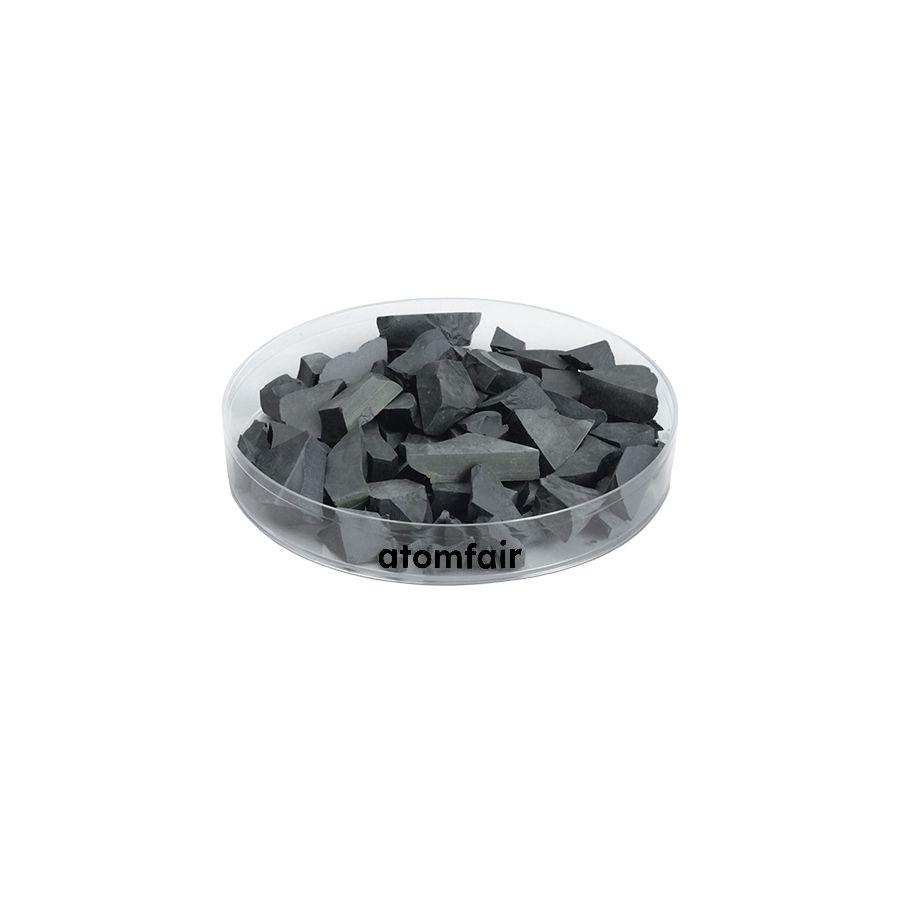
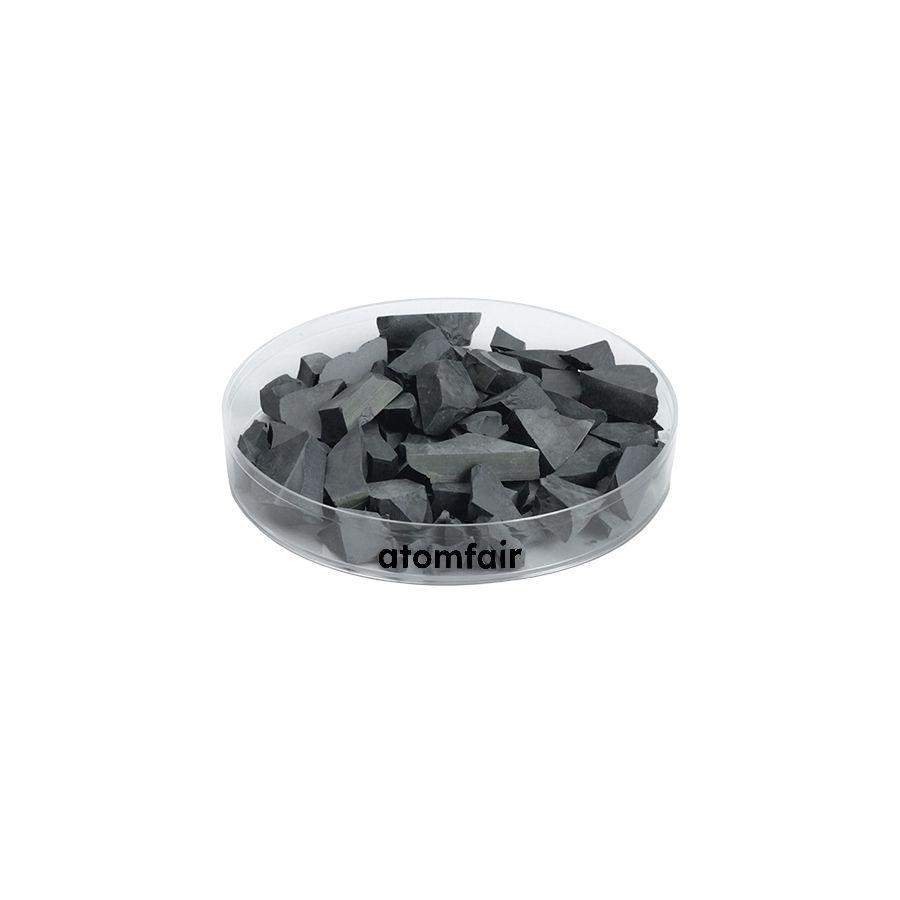
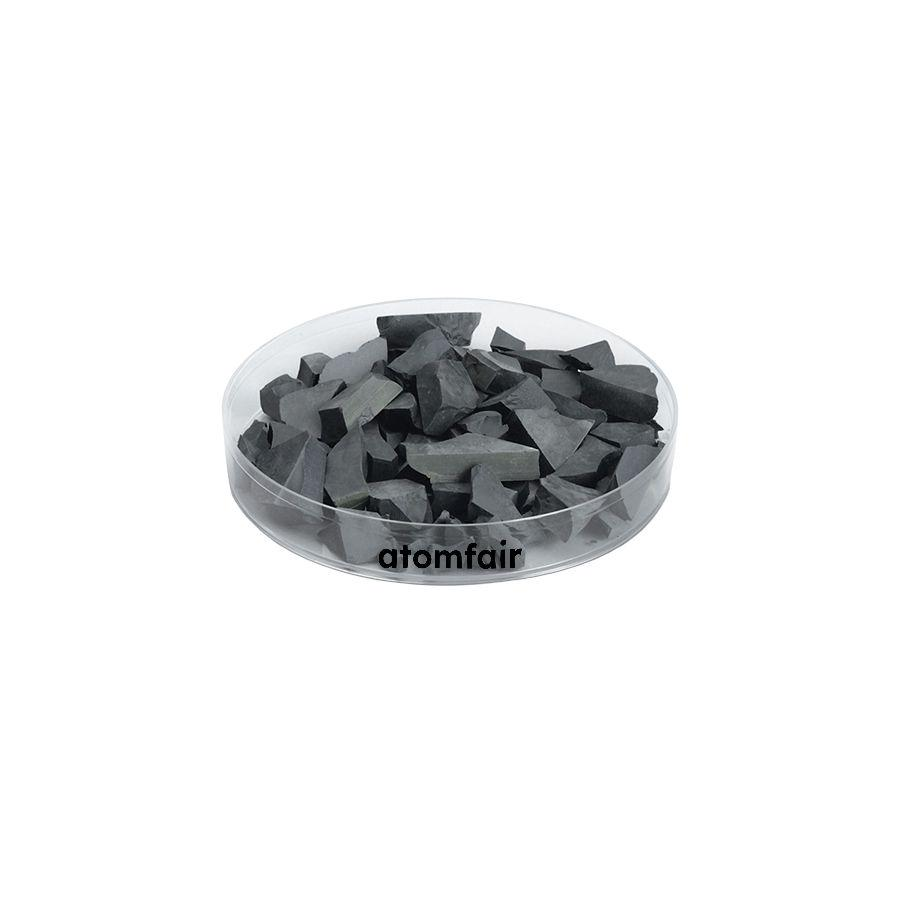
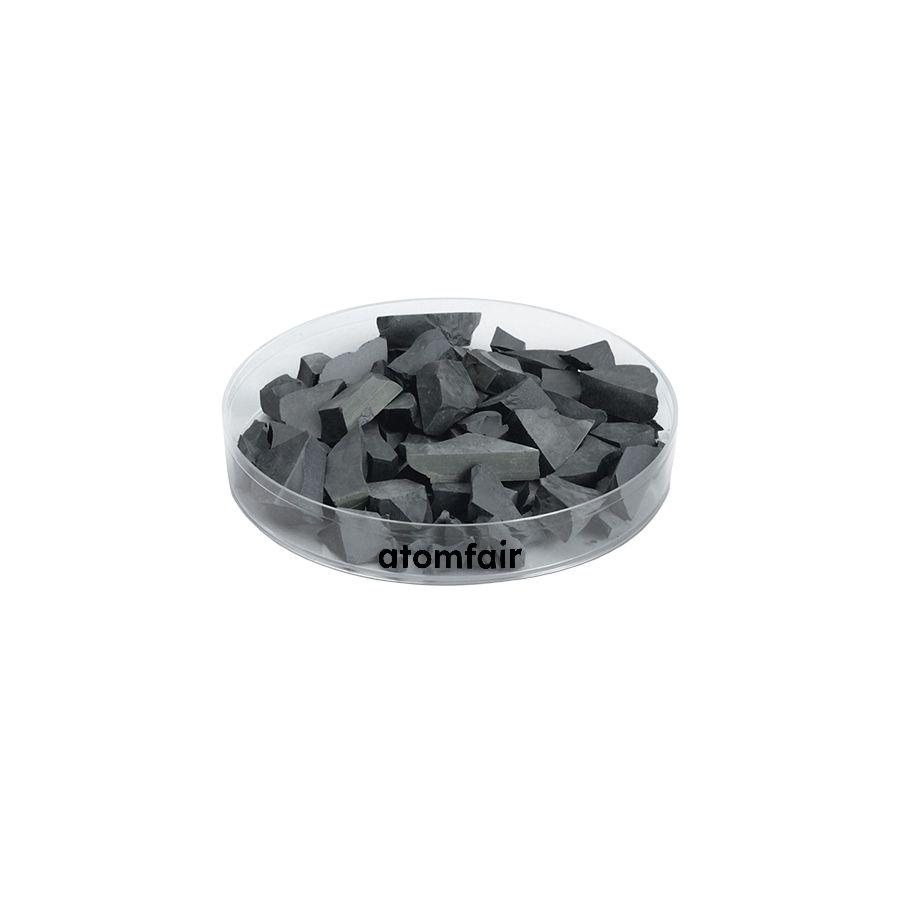
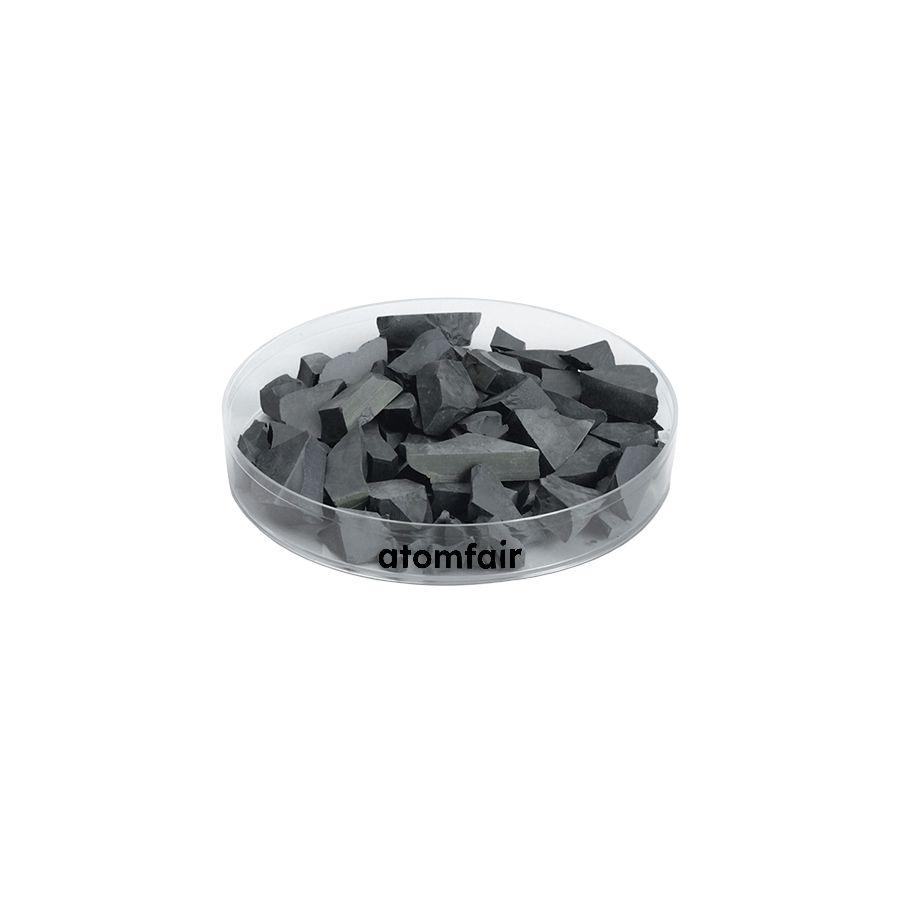
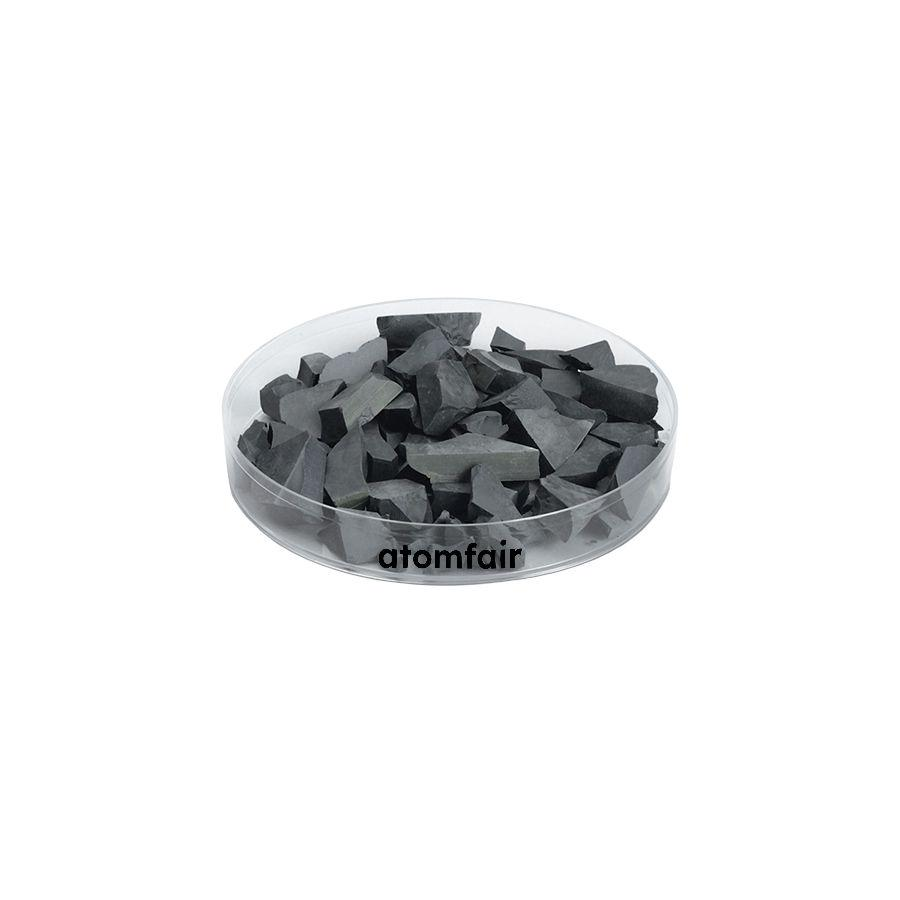
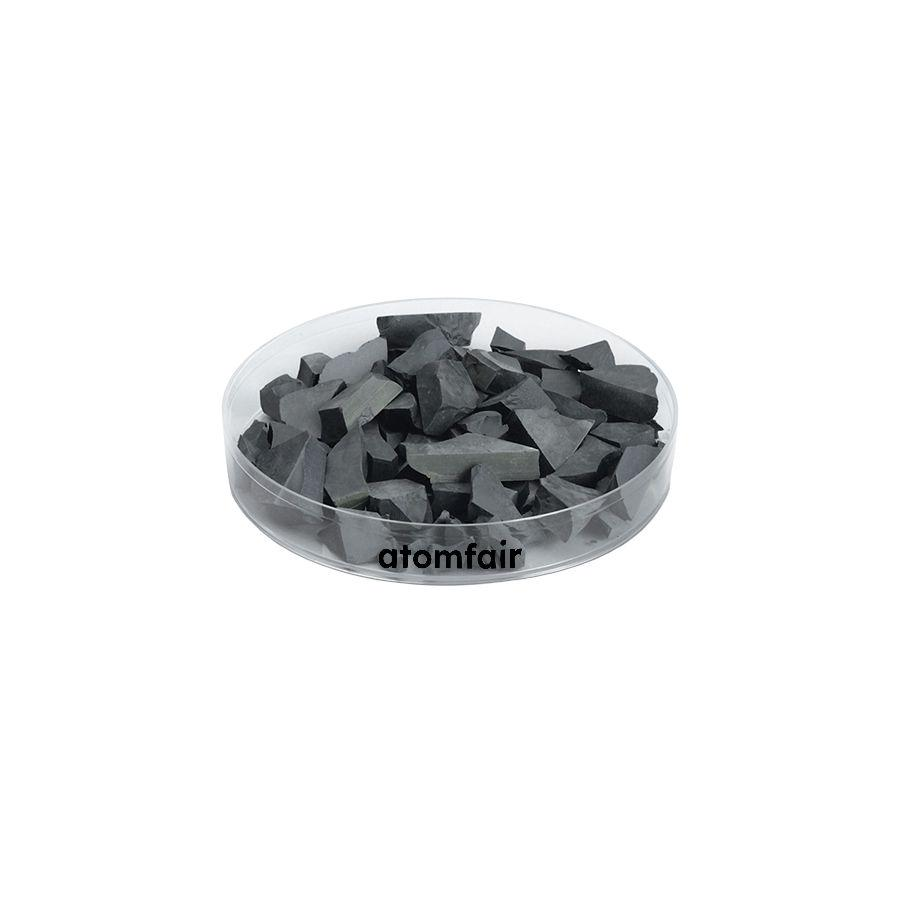
Cadmium Selenide (CdSe) Evaporation Material, Pieces, 99.99%, 1-3 mm
Product Type: Compound Evaporation Material
Research-grade laboratory product
|
|||||||||||||||||||||||||||||||||||||||
|
|||||||||||||||||||||||||||||||||||||||
|
LABORATORY PROCUREMENT SUPPORT
For material selection, deposition-source matching, pack-size confirmation or quotation support, contact our technical sales team.
INQUIRY: inquiry@atomfair.com
|
|||||||||||||||||||||||||||||||||||||||
|
Manufacturer: Atomfair LLC
Brand: ATOMFAIR®
|
Cadmium selenide evaporation pieces require high-temperature evaporation sources compatible with compound semiconductors. Deposition source hardware must be selected to match the material's melting point, Z-ratio, and e-beam performance characteristics.
- Evaporation Source Compatibility: Use quartz, alumina, or graphite crucibles, tantalum or tungsten boats, or Knudsen cells for thermal or low-power e-beam evaporation.
- Hardware Material Selection: Molybdenum or tantalum sheet hardware is recommended for high-temperature resistance.
- E-beam Performance: E-beam evaporation performance is rated as good, but requires RFQ confirmation for specific source geometry.
- Melting Point Constraint: The material melts above 1350°C, requiring deposition systems capable of reaching and sustaining high temperatures.
- Particle Size Consideration: The 1-3 mm piece size must be compatible with the source loading mechanism to ensure uniform evaporation.
What is the Z-ratio value for this CdSe evaporation material and why is it important for quartz crystal microbalance monitoring?
The Z-ratio for this CdSe evaporation material is listed as 1.00. A Z-ratio of 1.00 indicates that the material’s acoustic impedance matches that of the quartz crystal sensor, simplifying film thickness calibration during quartz crystal microbalance monitoring and improving deposition rate control accuracy.
Which crucible and boat materials are recommended for thermal or e-beam evaporation of CdSe pieces to maintain purity and process stability?
The product description specifies that thermal evaporation or low-power e-beam can be performed using quartz, alumina, or graphite crucibles, a tantalum or tungsten boat, or a Knudsen cell. Sheet2 hardware includes molybdenum and tantalum. E-beam performance is rated as Good, and the choice of source hardware should be matched to the material’s melting point and film requirements.
What are the melting point and density of this CdSe evaporation material, and what do they imply for deposition system requirements?
The melting point is stated as >1,350°C and the density as 5.81 g/cm³. These values imply that the deposition system must accommodate high-temperature evaporation, requiring crucibles and boats that withstand >1,350°C (e.g., quartz, alumina, graphite, or refractory metals), and that the density difference relative to common sensor materials should be factored into rate calibration.
This variable-package CdSe evaporation material (99.99%, 1-3 mm pieces) offers high purity and defined form for consistent thin-film deposition, with compatibility across multiple thermal and e-beam sources; however, its high melting point (>1350°C) and required safety documentation review impose operational constraints.
Positive
- High purity and defined form: 99.99% purity and 1-3 mm pieces ensure consistent evaporation behavior and source loading for reproducible thin-film deposition.
- Broad evaporation source compatibility: Compatible with quartz, alumina, graphite crucibles, Ta/W boats, and Knudsen cells; good e-beam performance supports thermal and low-power e-beam processes.
Trade-offs
- High melting point requires robust hardware: Melting point >1350°C necessitates high-temperature evaporation sources and careful process control to avoid thermal degradation of hardware.
- Safety documentation and handling required: Procurement documentation includes safety data sheet and export requirements, indicating the need for proper handling, storage, and disposal protocols.
Every advanced material, component, equipment, and instrument in our catalog is backed by rigorous testing. We maintain strict internal quality management frameworks and align with CE conformity metrics to deliver transparent, reproducible performance data via our public open-science repository.
To request raw batch performance data, submit formal vendor registration paperwork, or execute a fast-turnaround R&D manufacturing loop, contact us at inquiry@atomfair.com.
Item is dispatched under the Atomfair Shipping & Delivery Framework (Free worldwide shipping on orders over $59 USD excl. heavy equipment). Return is governed by the Atomfair Return & Refund Policy (7-day technical return window).