|
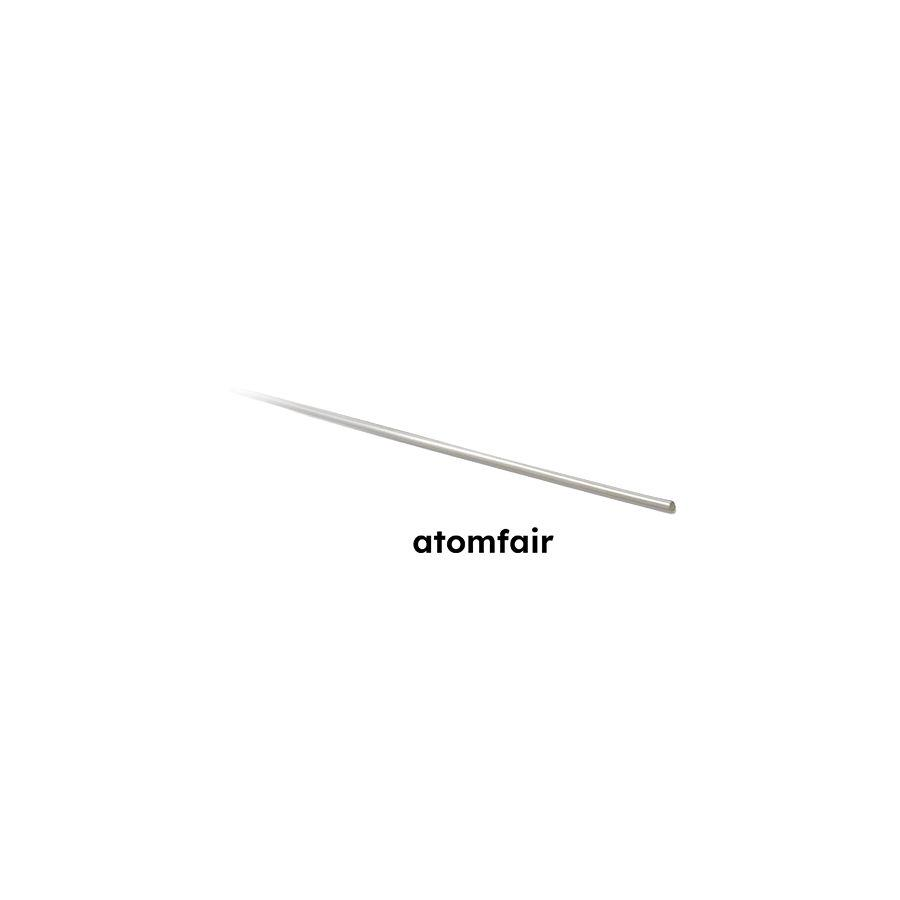
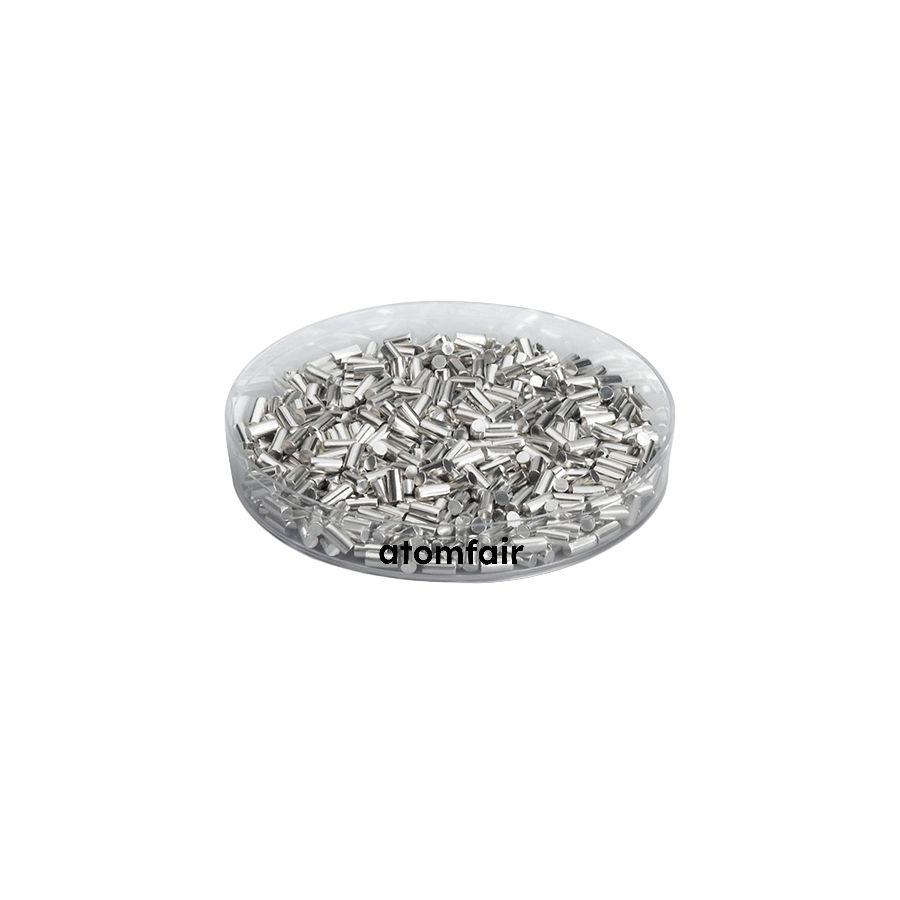
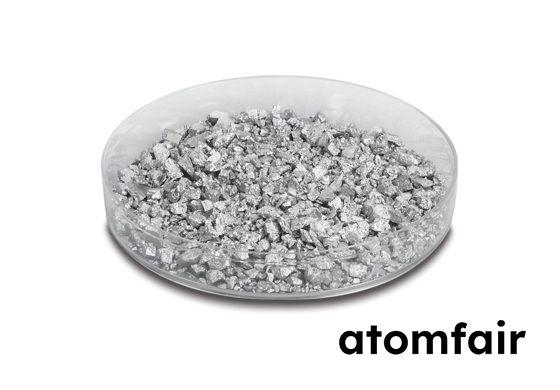
Sodium (Na) Evaporation Material, Pieces, 99.5%, under mineral oil/inert gas
Product Type: Pure Metal Evaporation Material
Research-grade laboratory product
|
|||||||||||||||||||||||||||||||||||||
|
|||||||||||||||||||||||||||||||||||||
|
LABORATORY PROCUREMENT SUPPORT
For material selection, deposition-source matching, pack-size confirmation or quotation support, contact our technical sales team.
INQUIRY: inquiry@atomfair.com
|
|||||||||||||||||||||||||||||||||||||
|
Manufacturer: Atomfair LLC
Brand: ATOMFAIR®
|
This material requires storage under mineral oil or inert gas to prevent oxidation and moisture absorption. All handling must be performed in a strictly dry inert atmosphere to avoid violent reaction with air or moisture.
- Storage Condition: Store the sodium pieces under mineral oil or inert gas at all times to prevent degradation from atmospheric moisture and oxygen.
- Handling Atmosphere: Transfer and manipulate the material only within a glovebox or sealed system purged with dry inert gas to eliminate moisture and oxygen exposure.
- Evaporation Equipment Compatibility: Use a sealed ampoule or a tantalum, molybdenum, or tungsten boat that is compatible with inert handling setup to avoid contamination and maintain process control.
- Thermal Management: Control the evaporation temperature carefully due to the low melting point of 98°C to prevent premature melting or splattering during thermal resistive deposition.
This procedure outlines the safe handling and evaporation setup for sodium metal pieces stored under mineral oil. Follow these steps to ensure proper inert atmosphere and thermal control during thermal resistive evaporation.
Required Equipment: Inert atmosphere glovebox or sealed system, Tantalum, molybdenum, or tungsten evaporation boat, Sealed ampoule (optional)
- Prepare Inert Atmosphere
Purge the glovebox or deposition chamber with dry inert gas until the oxygen and moisture levels are below the required thresholds for reactive metals. - Retrieve Sodium Pieces
Open the storage container under inert gas and transfer the required amount of sodium pieces directly into the evaporation boat without exposing the material to air. - Load Evaporation Source
Place the loaded boat into the evaporation source holder and secure it, ensuring good thermal contact and electrical continuity for resistive heating. - Set Thermal Parameters
Program the power supply to gradually ramp the boat temperature to just above the melting point of 98°C while monitoring the pressure and deposition rate. - Perform Evaporation
Initiate the thermal resistive evaporation under continuous inert gas flow and maintain the deposition rate until the desired film thickness is achieved.
Why is the sodium evaporation material supplied under mineral oil or inert gas, and how does this affect the deposition process?
Sodium is highly reactive with moisture and oxygen, so it is supplied under mineral oil or inert gas to prevent oxidation and maintain purity. The product description specifies 'Pieces under mineral oil/inert gas' and requires 'strict dry inert handling' for thermal evaporation, ensuring that the material remains uncontaminated for deposition. This handling protocol is critical for achieving consistent film quality in vacuum thin-film workflows.
What boat or crucible materials are recommended for thermal evaporation of sodium pieces?
The recommended evaporation source for sodium pieces is a sealed ampoule or a Ta/Mo/W boat in an inert handling setup. The product description explicitly lists 'Sealed ampoule or Ta/Mo/W boat in inert handling setup' as the evaporation source, and the method is 'Thermal/resistive evaporation under strict dry inert handling'. These materials are chosen to withstand the sodium melt and avoid contamination during deposition.
What are the melting point and density of sodium, and how do these properties influence thermal evaporation parameters?
The melting point of sodium is 98°C and its density is 0.97 g/cm³, as stated in the product specifications. These low melting point and density mean that sodium evaporates readily at relatively low temperatures, requiring careful control of heating rates and boat design to avoid spitting or rapid sublimation. The 'strict dry inert handling' further ensures that the low-melting reactive metal does not oxidize during heating.
Evaluation of Sodium (Na) evaporation material (99.5% purity, pieces under mineral oil/inert gas) for thermal/resistive evaporation. Low melting point (98°C) and high reactivity require strict inert handling and sealed ampoule or refractory metal boat sources, but the defined purity and form enable reproducible thin-film deposition in laboratory vacuum systems.
Positive
- 99.5% purity for consistent films: The specified 99.5% purity allows comparison against standard and high-purity grades, supporting reproducible film stoichiometry and reducing contamination risk in thermal evaporation processes.
- Controlled pieces form for loading: Supplied as pieces under mineral oil/inert gas, the physical form is sized for direct loading into evaporation sources, simplifying handling and source compatibility in vacuum deposition systems.
Trade-offs
- Low melting point requires careful control: With a melting point of 98°C, the material is prone to premature melting if exposed to elevated temperatures during storage or handling, necessitating strict temperature control and inert atmosphere throughout the workflow.
- High reactivity demands inert handling: Sodium is highly reactive with air and moisture, requiring storage under mineral oil or inert gas, and evaporation must be performed in a sealed ampoule or refractory metal boat under strict dry inert conditions to avoid oxidation and safety hazards.
Every advanced material, component, equipment, and instrument in our catalog is backed by rigorous testing. We maintain strict internal quality management frameworks and align with CE conformity metrics to deliver transparent, reproducible performance data via our public open-science repository.
To request raw batch performance data, submit formal vendor registration paperwork, or execute a fast-turnaround R&D manufacturing loop, contact us at inquiry@atomfair.com.
Item is dispatched under the Atomfair Shipping & Delivery Framework (Free worldwide shipping on orders over $59 USD excl. heavy equipment). Return is governed by the Atomfair Return & Refund Policy (7-day technical return window).