|
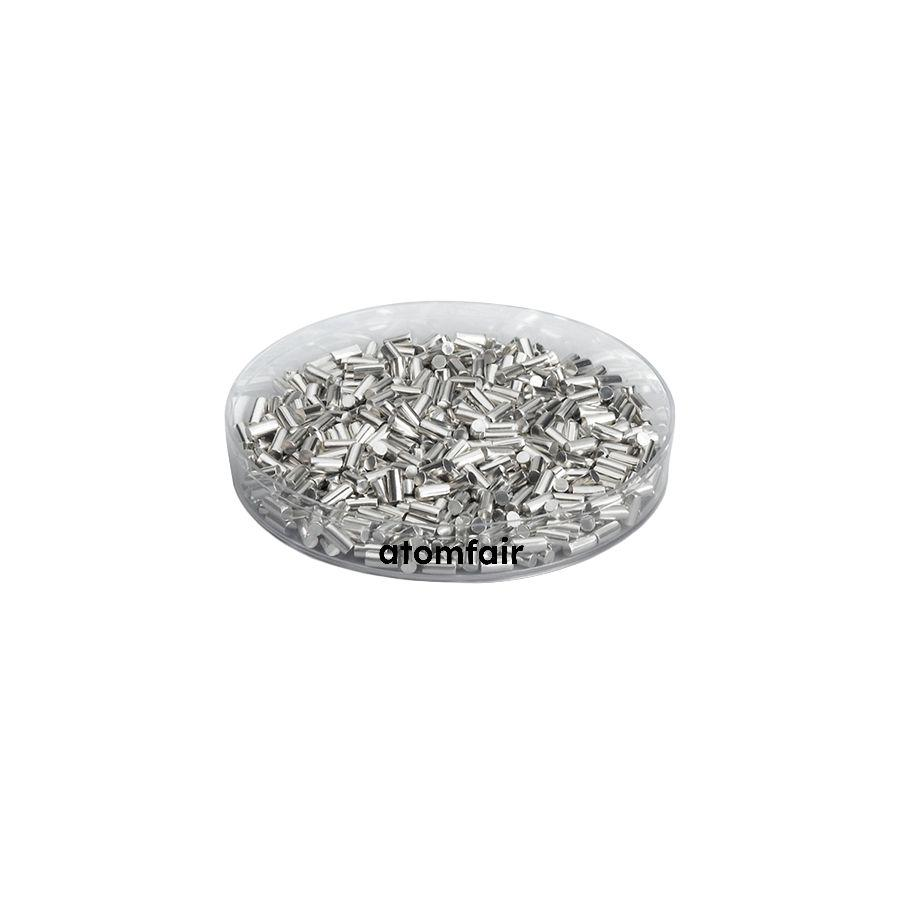
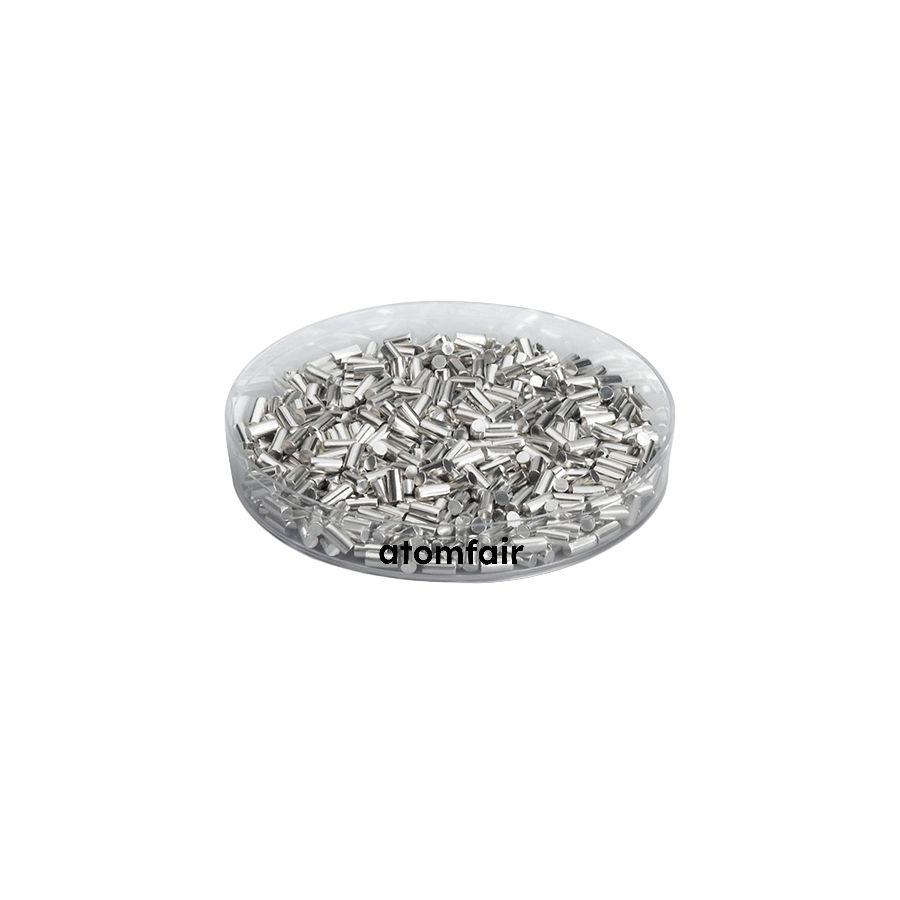
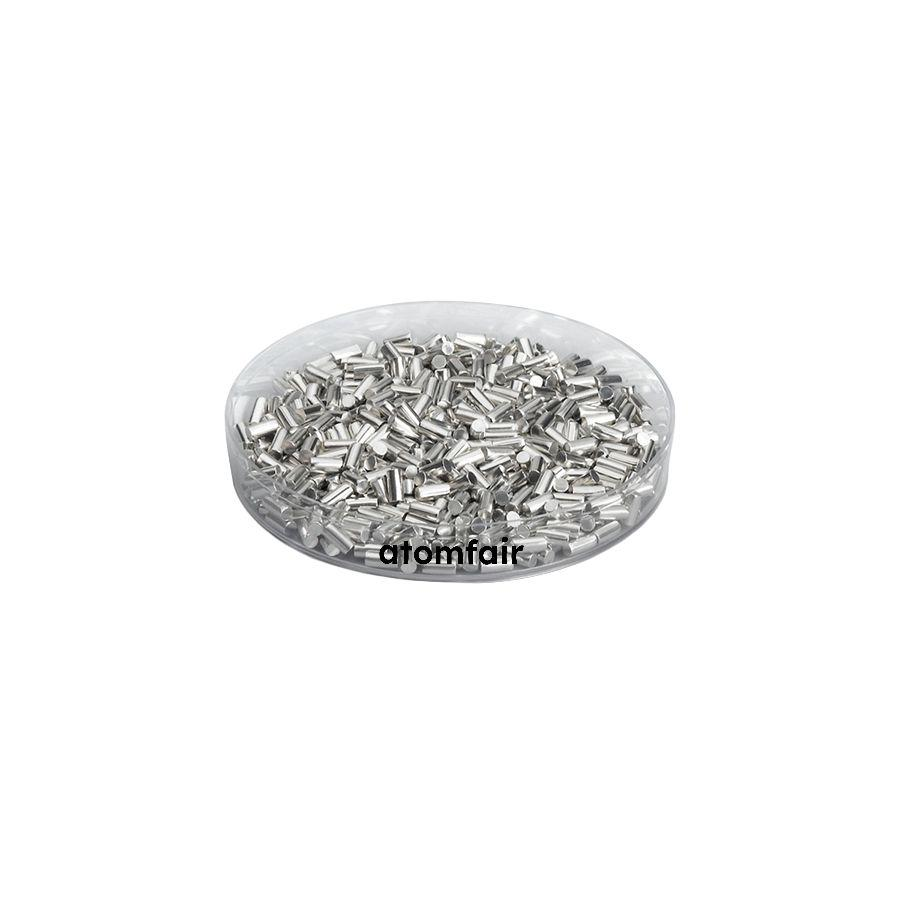
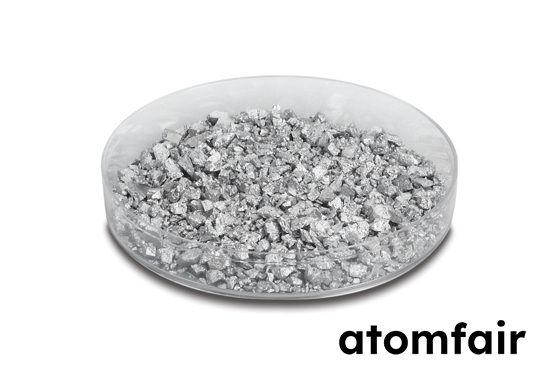
Potassium (K) Evaporation Material, Pieces, 99.5%, under mineral oil/inert gas
Product Type: Pure Metal Evaporation Material
Research-grade laboratory product
|
|||||||||||||||||||||||||||||||||||||
|
|||||||||||||||||||||||||||||||||||||
|
LABORATORY PROCUREMENT SUPPORT
For material selection, deposition-source matching, pack-size confirmation or quotation support, contact our technical sales team.
INQUIRY: inquiry@atomfair.com
|
|||||||||||||||||||||||||||||||||||||
|
Manufacturer: Atomfair LLC
Brand: ATOMFAIR®
|
Potassium is a highly reactive alkali metal that must be stored and handled under mineral oil or inert gas to prevent pyrophoric oxidation and moisture contact. All deposition steps require strict dry inert atmosphere containment to avoid hazardous reactions.
- Storage: Store under mineral oil or inert gas in a sealed container to exclude air and moisture.
- Handling: Handle only in a dry inert atmosphere glovebox using appropriate tools to prevent ignition.
- Evaporation Setup: Use sealed ampoule or Ta/Mo/W boat in an inert handling setup to avoid exposure during deposition.
- Thermal Control: Monitor heating rate near the low melting point of 63°C to prevent sudden vaporization or splatter.
- Containment: Ensure all waste and residues are quenched under inert conditions before disposal to avoid reactive contact.
This procedure describes the safe handling and thermal evaporation of potassium pieces under inert atmosphere. Strict adherence to dry inert conditions is required to prevent ignition and ensure process safety.
Required Equipment: Inert atmosphere glovebox, Sealed ampoule or Ta/Mo/W boat, Thermal evaporation system, Vacuum pump
- Inspect Storage Container
Verify that the potassium pieces are fully submerged in mineral oil or under inert gas with no signs of discoloration or crust formation. - Transfer to Glovebox
Transfer the sealed container into an inert atmosphere glovebox and open only under dry argon or nitrogen. - Load Deposition Source
Using clean tweezers, load the potassium pieces into a sealed ampoule or Ta/Mo/W boat within the glovebox, ensuring no air exposure. - Seal and Transfer to Chamber
Seal the loaded source and transfer it to the evaporation chamber while maintaining inert gas flow to prevent contact with air. - Evacuate Chamber
Evacuate the deposition chamber to a vacuum level suitable for thermal evaporation before initiating any heating. - Heat Gradually
Heat the source gradually to just above the melting point of 63°C to initiate controlled evaporation. - Evaporate and Monitor
Monitor the deposition rate and chamber pressure to maintain stable evaporation conditions without sudden pressure spikes.
What is the melting point of the Potassium (K) evaporation material and how does it influence the choice of evaporation source?
The melting point is 63°C. This low melting point requires careful temperature control to avoid premature melting and potential reaction. The recommended evaporation sources are sealed ampoule or Ta/Mo/W boat in an inert handling setup, which can accommodate the low melting point and reactive nature of potassium.
What evaporation method and handling conditions are required for depositing Potassium (K) pieces?
The specified evaporation method is thermal/resistive evaporation under strict dry inert handling. The material must be loaded into a sealed ampoule or Ta/Mo/W boat inside an inert atmosphere to prevent oxidation. The product is supplied as pieces under mineral oil/inert gas, so handling must be performed in a glovebox or similar inert environment.
How should Potassium (K) evaporation material be stored to maintain its 99.5% purity?
The product is supplied under mineral oil or inert gas, indicating that storage must be in a sealed container under inert atmosphere to prevent oxidation and maintain the 99.5% purity specification. The density of 0.86 g/cm³ and melting point of 63°C also suggest controlled room temperature storage to avoid melting.
Potassium (K) evaporation material (pieces, 99.5%) is a highly reactive alkali metal requiring storage under mineral oil or inert gas and strict dry inert handling during thermal evaporation. Its low melting point (63°C) and low density (0.86 g/cm³) necessitate careful process control to avoid thermal runaway and ensure uniform film deposition.
Positive
- High purity and defined physical form: 99.5% purity with pieces under mineral oil/inert gas enables reproducible deposition conditions and comparison across standard high-purity grades.
- Compatible evaporation source specification: Designed for sealed ampoule or Ta/Mo/W boat in inert handling setup, matching thermal evaporation workflows requiring strict dry inert conditions.
Trade-offs
- Extreme reactivity requires inert handling: Potassium reacts violently with air and moisture, mandating storage under mineral oil or inert gas and strict dry inert handling throughout deposition to prevent combustion or contamination.
- Low melting point and density challenge process control: Melting point of 63°C and density of 0.86 g/cm³ increase risk of thermal runaway and uneven evaporation, requiring careful temperature ramping and source geometry optimization.
Every advanced material, component, equipment, and instrument in our catalog is backed by rigorous testing. We maintain strict internal quality management frameworks and align with CE conformity metrics to deliver transparent, reproducible performance data via our public open-science repository.
To request raw batch performance data, submit formal vendor registration paperwork, or execute a fast-turnaround R&D manufacturing loop, contact us at inquiry@atomfair.com.
Item is dispatched under the Atomfair Shipping & Delivery Framework (Free worldwide shipping on orders over $59 USD excl. heavy equipment). Return is governed by the Atomfair Return & Refund Policy (7-day technical return window).