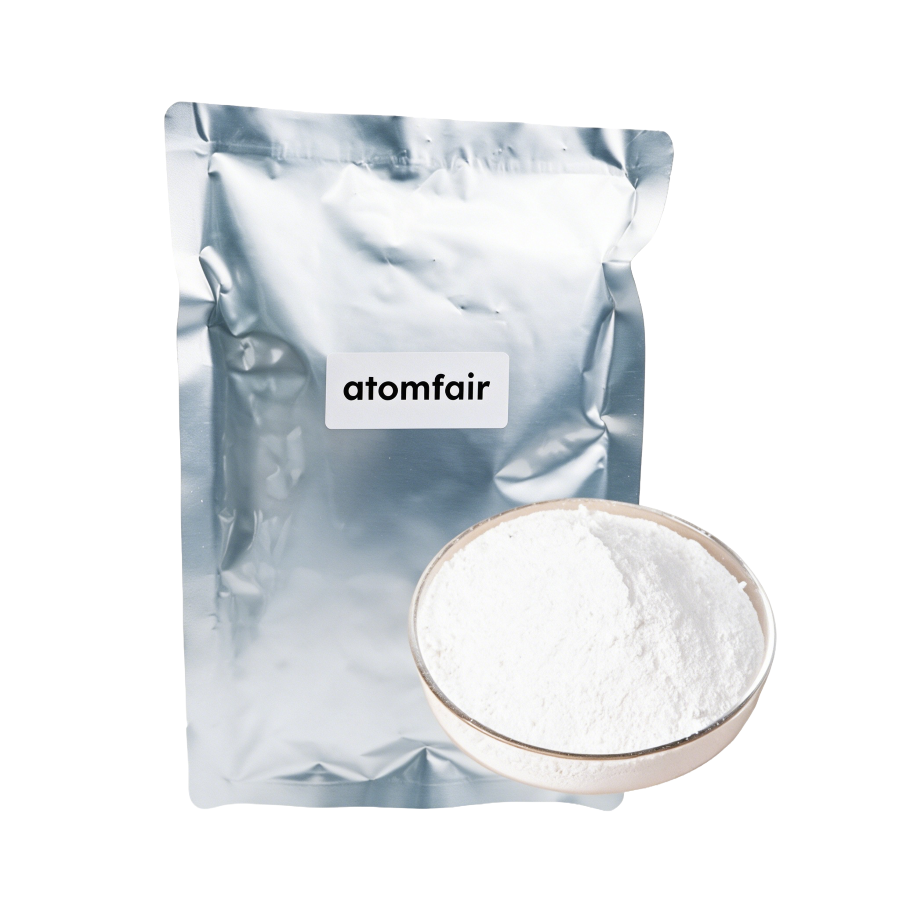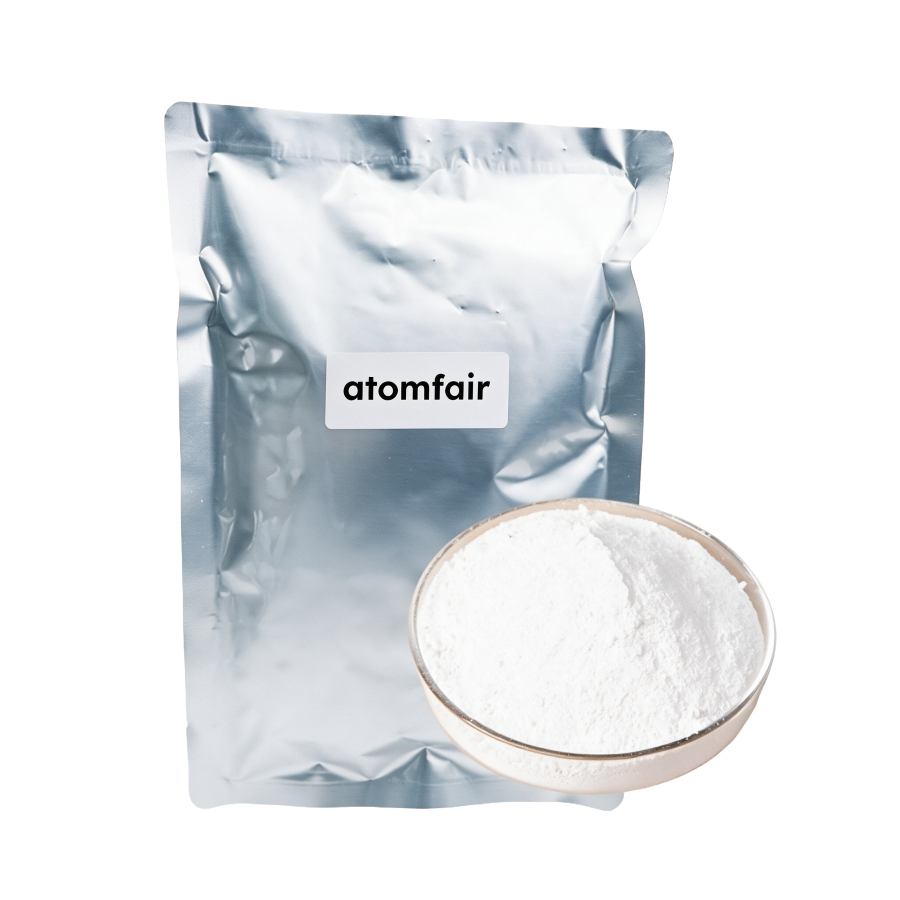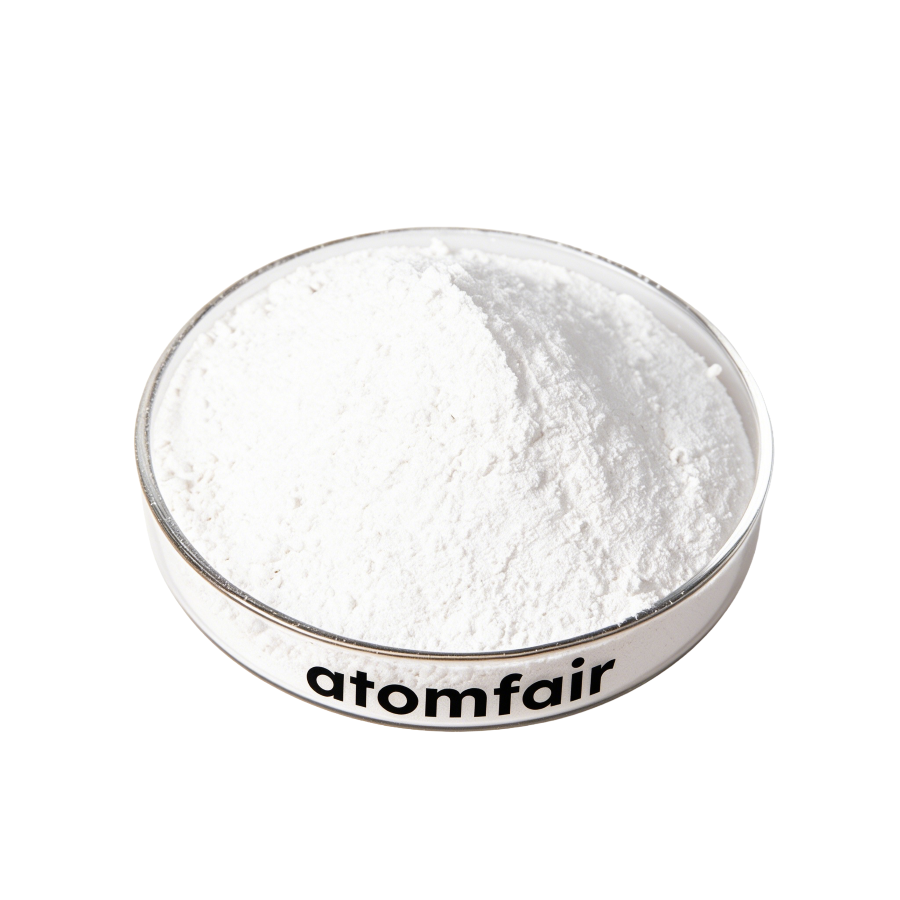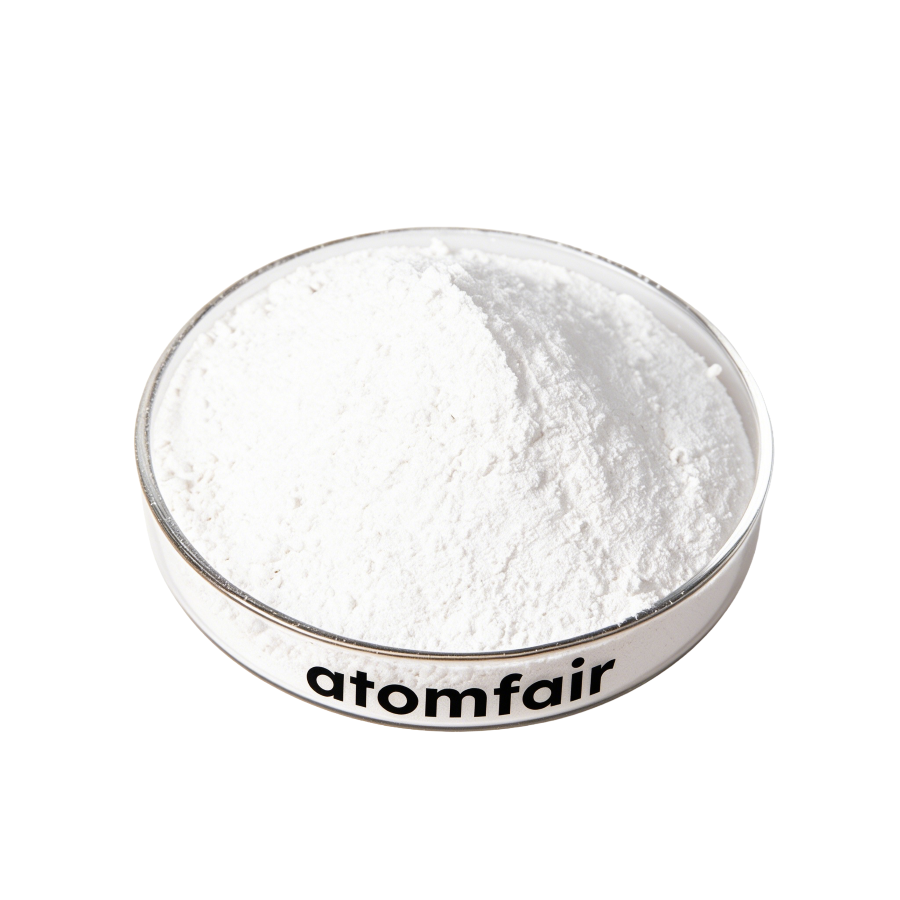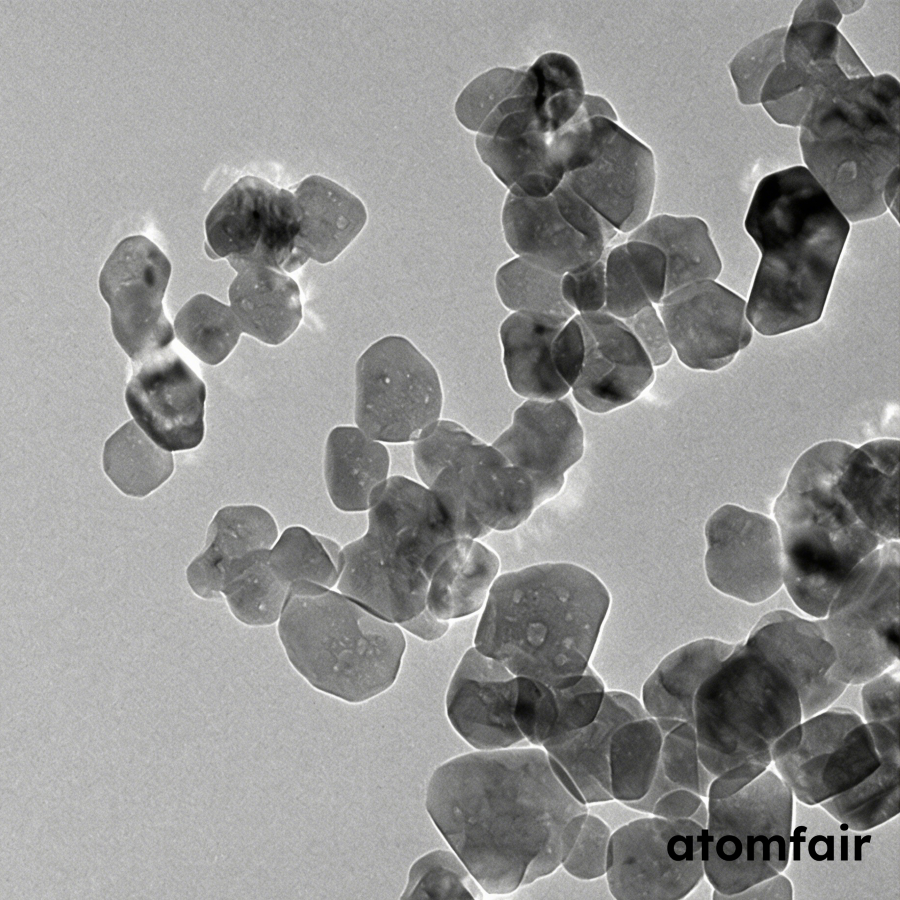
CaF2 Nanoparticles, 60-100 nm, 60-100nm(TEM), 1 gProduct Type: Inorganic nanopowder
Research-grade laboratory product
|
|||||||||||||||||||||||
|
|||||||||||||||||||||||
|
LABORATORY PROCUREMENT SUPPORT
For model selection, material form, dimensional range, concentration or package confirmation, contact our technical sales team.
E-MAIL: inquiry@atomfair.com
|
|||||||||||||||||||||||
|
Manufacturer: Atomfair LLC
Brand: ATOMFAIR®
|
What is the trade-off between using 60-100 nm CaF2 nanoparticles versus larger or smaller particle sizes for optical window sintering or composite doping?
The 60-100 nm (TEM) diameter range offers a balance between high surface reactivity for low-temperature sintering and manageable agglomeration compared to sub-20 nm particles. This specific size is suitable for fabricating transparent CaF2 ceramics or UV-grade optical composites where scattering from larger particles must be minimized, while still maintaining sufficient packing density. The source confirms only this dimensional range (60-100 nm TEM) and white powder form, with no data on alternative sizes or their performance trade-offs.
Can this CaF2 nanopowder be directly dispersed in polar solvents like water or ethanol for spin-coating or drop-casting without additional surfactants?
The product is supplied as a dry white inorganic nanopowder with no stated surface modification or dispersant. Direct dispersion in polar solvents may result in rapid sedimentation due to the high density of CaF2 (3.18 g/cm³) and lack of electrostatic stabilization at neutral pH. The source does not specify solvent compatibility, zeta potential, or recommended dispersion protocols, so compatibility testing with your specific solvent system and sonication parameters is required before use.
What handling and storage precautions are required to prevent moisture uptake or surface degradation of 60-100 nm CaF2 nanoparticles?
CaF2 is hygroscopic at the nanoscale, and the high surface area of 60-100 nm particles can adsorb atmospheric water, potentially altering surface chemistry and sintering behavior. The source specifies only that the material is a white powder packaged in a 1 g container, with no explicit storage conditions or desiccant recommendations. For research-grade inorganic nanopowders, storage in an argon-filled glovebox or vacuum desiccator below 25°C and away from light is standard practice to maintain phase purity and prevent hydrolysis.
CaF2 nanoparticles with 60–100 nm diameter (TEM) supplied as a white inorganic nanopowder in a 1 g package. The well-defined size range supports reproducibility in optical or catalytic studies, but the limited quantity per package may constrain larger experiments.
Positive
- Well-defined particle size range via TEM: The product specifies a diameter of 60–100 nm as measured by transmission electron microscopy, providing a reproducible size distribution for consistent experimental outcomes.
- Research-grade inorganic nanopowder form: The material is supplied as a white powder in a 1 g package, ready for direct use in laboratory-scale synthesis or characterization workflows.
Trade-offs
- Single-gram package size limits scalability: The 1 g package size is suited for small-scale research but may require multiple units for experiments requiring larger quantities, increasing procurement complexity.
Every advanced material, component, equipment, and instrument in our catalog is backed by rigorous testing. We maintain strict internal quality management frameworks and align with CE conformity metrics to deliver transparent, reproducible performance data via our public open-science repository.
To request raw batch performance data, submit formal vendor registration paperwork, or execute a fast-turnaround R&D manufacturing loop, contact us at inquiry@atomfair.com.
Item is dispatched under the Atomfair Shipping & Delivery Framework (Free worldwide shipping on orders over $59 USD excl. heavy equipment). Return is governed by the Atomfair Return & Refund Policy (7-day technical return window).