Atomfair Proton Exchange Membrane Pretreatment, Thick-Film Specification SetProduct Type: Thin-film, membrane or template material
Research-grade laboratory product
|
|||||||||||||||||||||||||||||
|
|||||||||||||||||||||||||||||
|
LABORATORY PROCUREMENT SUPPORT
For model selection, material form, dimensional range, concentration or package confirmation, contact our technical sales team.
E-MAIL: inquiry@atomfair.com
|
|||||||||||||||||||||||||||||
|
Supplier: Atomfair
Brand: ATOMFAIR®
|
What is the area-specific resistance of the 183 µm Nafion 117 membrane given its conductivity of 0.083 S/cm?
The area-specific resistance (ASR) is calculated as thickness divided by conductivity: 183 µm / 0.083 S/cm = 0.220 Ω·cm². This value is important for evaluating ohmic losses in fuel cell or electrolyzer stacks.
Does the 183 µm Nafion 117 membrane require any pretreatment before use in a PEM stack?
The product is described as 'Proton Exchange Membrane Pretreatment', indicating that it has undergone a pretreatment process. The source does not specify the exact pretreatment procedure, but the membrane is ready for use as supplied.
What is the areal density of the 183 µm Nafion 117 membrane and how does it affect handling during MEA fabrication?
The areal density is 360 g/m², which is typical for a 183 µm thick Nafion membrane. This density indicates the membrane's weight per unit area, which is relevant for determining material usage in MEA fabrication.
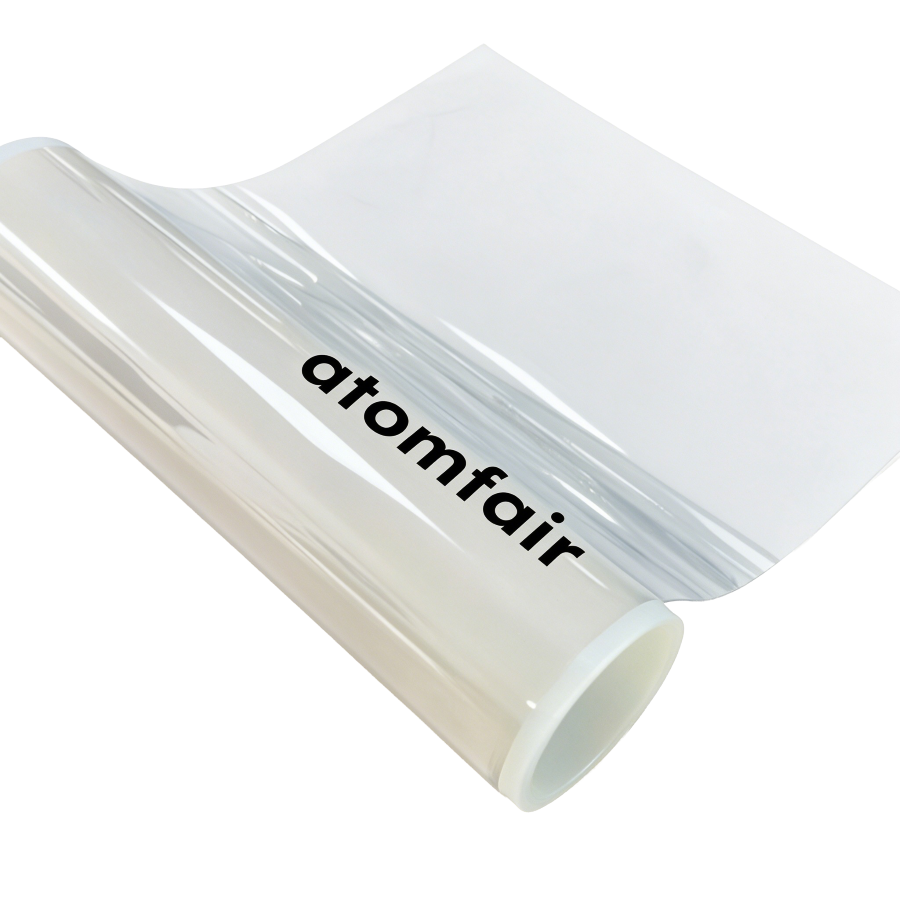
This Nafion117 membrane with 183 µm thickness offers a balanced combination of proton conductivity (0.083 S/cm) and ion exchange capacity (0.89 meq/g), suitable for PEM applications requiring moderate mechanical durability. However, the pretreatment requirement and specific thickness limit direct substitution in systems optimized for thinner membranes.
Positive
- Proton conductivity and ion exchange capacity: The membrane exhibits a conductivity of 0.083 S/cm and an ion exchange capacity of 0.89 meq/g, providing effective proton transport for electrochemical applications.
- Standardized thickness for robustness: At 183 µm thickness, the membrane offers mechanical stability while maintaining acceptable ionic resistance, making it suitable for lab-scale testing and assembly.
Trade-offs
- Pretreatment step required: The membrane is supplied as a pretreatment material, necessitating additional conditioning steps before use in electrochemical cells, which extends preparation time.
- Fixed thickness limits flexibility: The 183 µm thickness may not be optimal for high-power density applications where thinner membranes are preferred to reduce ohmic losses.
Every advanced material, component, equipment, and instrument in our catalog is backed by rigorous testing. We maintain strict internal quality management frameworks and align with CE conformity metrics to deliver transparent, reproducible performance data via our public open-science repository.
To request raw batch performance data, submit formal vendor registration paperwork, or execute a fast-turnaround R&D manufacturing loop, contact us at inquiry@atomfair.com.
Item is dispatched under the Atomfair Shipping & Delivery Framework (Free worldwide shipping on orders over $59 USD excl. heavy equipment). Return is governed by the Atomfair Return & Refund Policy (7-day technical return window).