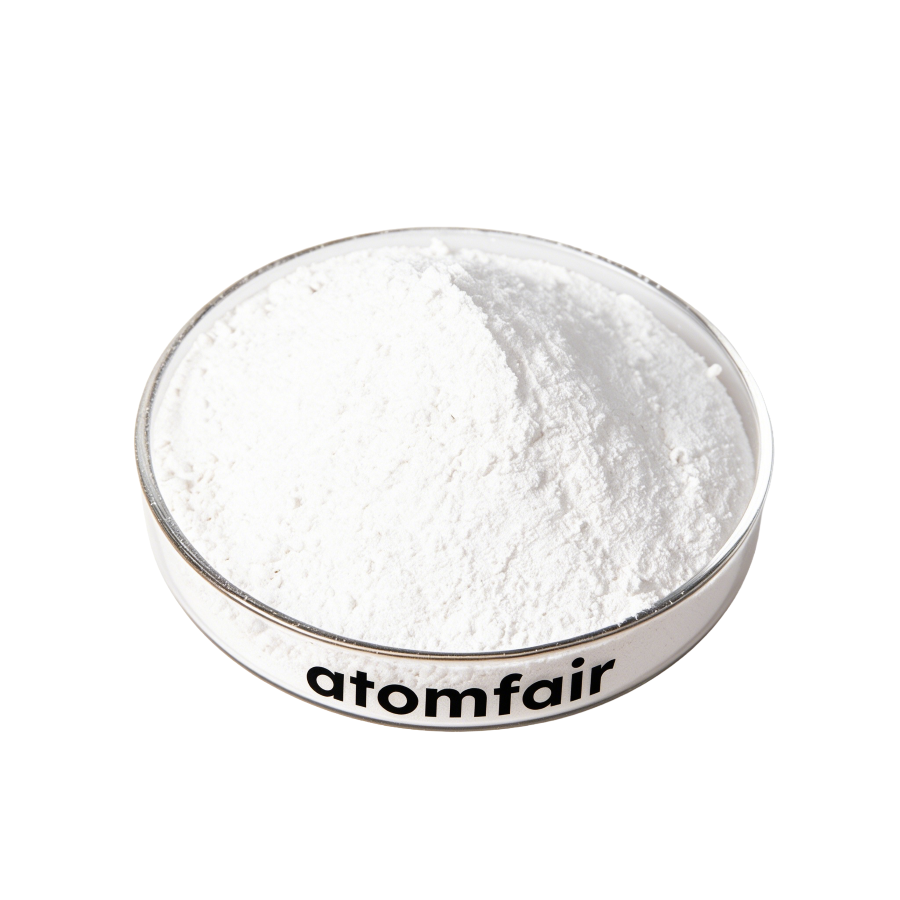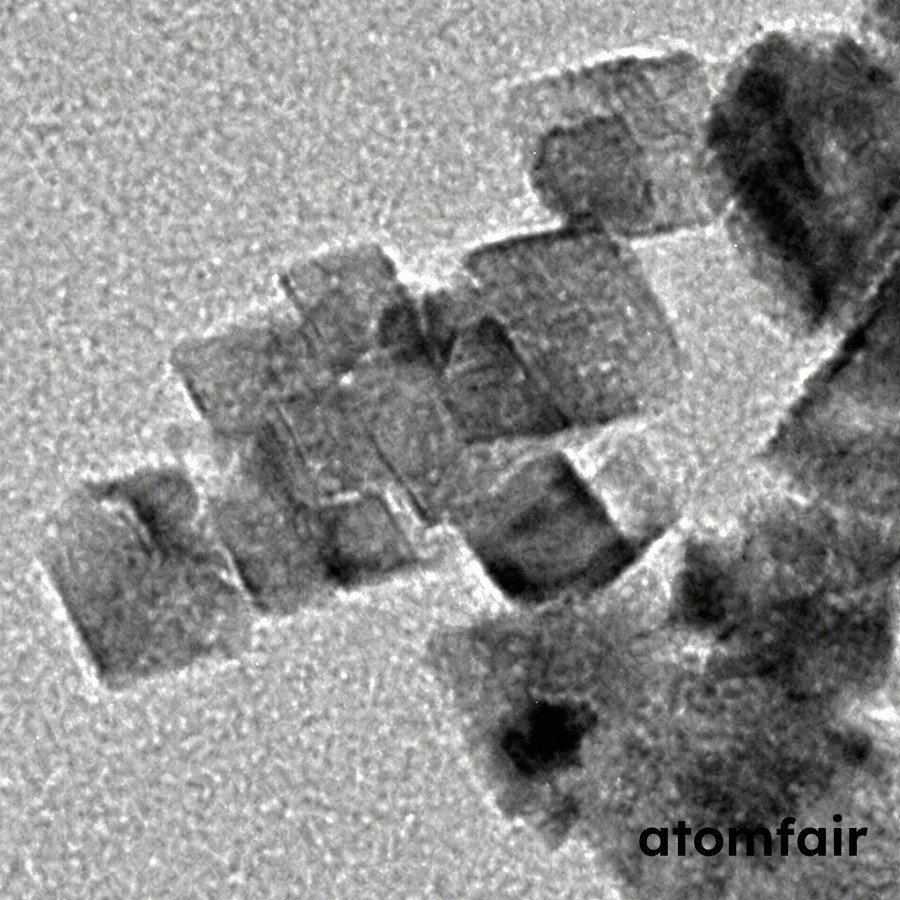
Cerium Oxide Nanocubes, ~40nm, 200 mgProduct Type: Shape-controlled inorganic nanomaterial
Research-grade laboratory product
|
|||||||||||||||||||||||||
|
|||||||||||||||||||||||||
|
LABORATORY PROCUREMENT SUPPORT
For model selection, material form, dimensional range, concentration or package confirmation, contact our technical sales team.
E-MAIL: inquiry@atomfair.com
|
|||||||||||||||||||||||||
|
Manufacturer: Atomfair LLC
Brand: ATOMFAIR®
|
How does the zetapotential range of 20-34 mV affect the colloidal stability and catalytic performance of these ~40 nm cerium oxide nanocubes?
The zetapotential of 20-34 mV indicates a moderate surface charge, providing electrostatic repulsion that helps prevent agglomeration and enhances colloidal stability. This stability is critical for maintaining the high surface area and active sites necessary for catalytic performance, though the exact catalytic impact depends on the specific reaction environment.
What are the key parameters to consider when integrating these cerium oxide nanocubes into a thin film or coating formulation?
The nanocubes are supplied as a faint yellow powder with a size of ~40 nm and zetapotential of 20-34 mV. For integration into thin films or coatings, the powder must be dispersed in a compatible solvent, and the surface charge range provides a baseline for adjusting pH or additives to achieve stable dispersions and uniform film formation.
What storage and handling conditions are required to maintain the specified size and surface charge of cerium oxide nanocubes?
The product is a research-grade faint yellow powder in a 200 mg package. To preserve the ~40 nm size and zetapotential of 20-34 mV, storage in a dry, inert atmosphere is recommended to avoid moisture-induced agglomeration. Standard nanoparticle handling precautions, such as using gloves and a fume hood, are advised.
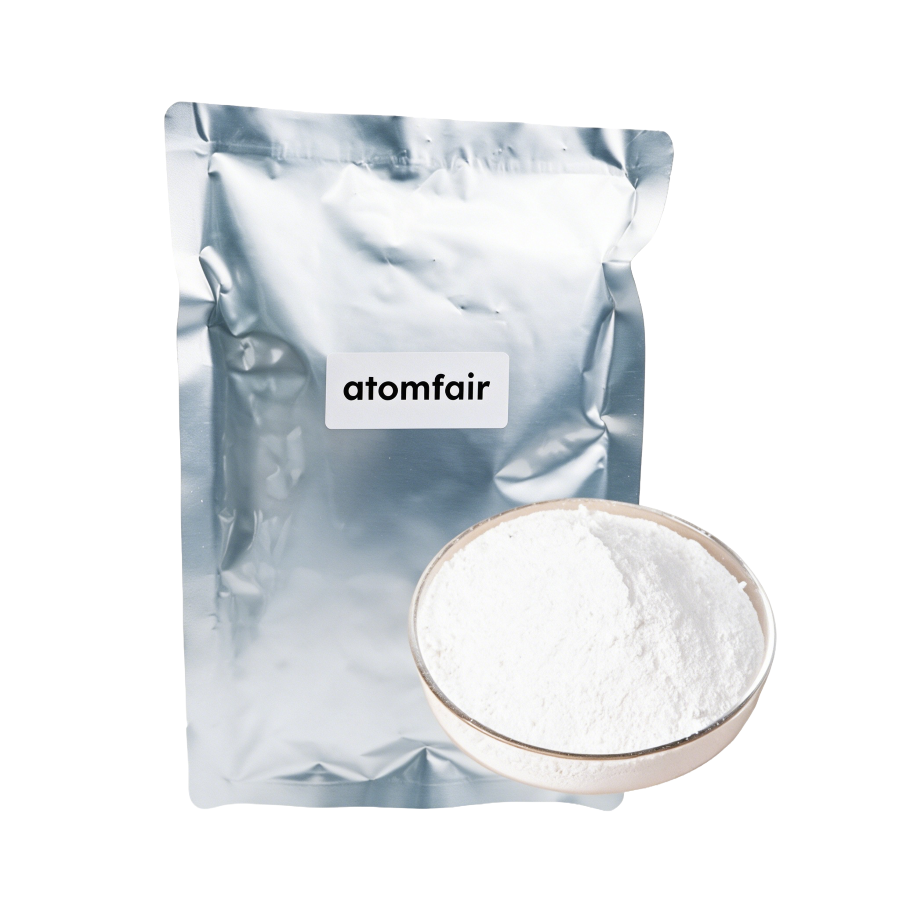
This product is a research-grade cerium oxide nanocube (~40 nm, 200 mg) with a zeta potential of 20-34 mV, suitable for shape-controlled catalytic studies. The faint yellow powder form requires careful handling to avoid dust inhalation and ensure proper dispersion.
Positive
- Shape-controlled nanocubes with defined size: The ~40 nm cubic morphology and specified zeta potential (20-34 mV) provide well-defined surface chemistry and colloidal behavior, enabling reproducible catalytic or surface-interaction studies.
- Measurable material attributes for reproducibility: Appearance, zeta potential, and size are explicitly stated, allowing researchers to match the material precisely to their experimental protocols and ensure batch consistency.
Trade-offs
- Powder form requires dust control: As a fine powder, the material can generate airborne particles; handling in a fume hood or glovebox with appropriate PPE is necessary to avoid inhalation and contamination.
- Zeta potential indicates moderate stability: The 20-34 mV range suggests that the nanocubes may require careful suspension optimization (e.g., pH, dispersant) to prevent aggregation in aqueous media, especially at higher concentrations.
Every advanced material, component, equipment, and instrument in our catalog is backed by rigorous testing. We maintain strict internal quality management frameworks and align with CE conformity metrics to deliver transparent, reproducible performance data via our public open-science repository.
To request raw batch performance data, submit formal vendor registration paperwork, or execute a fast-turnaround R&D manufacturing loop, contact us at inquiry@atomfair.com.
Item is dispatched under the Atomfair Shipping & Delivery Framework (Free worldwide shipping on orders over $59 USD excl. heavy equipment). Return is governed by the Atomfair Return & Refund Policy (7-day technical return window).