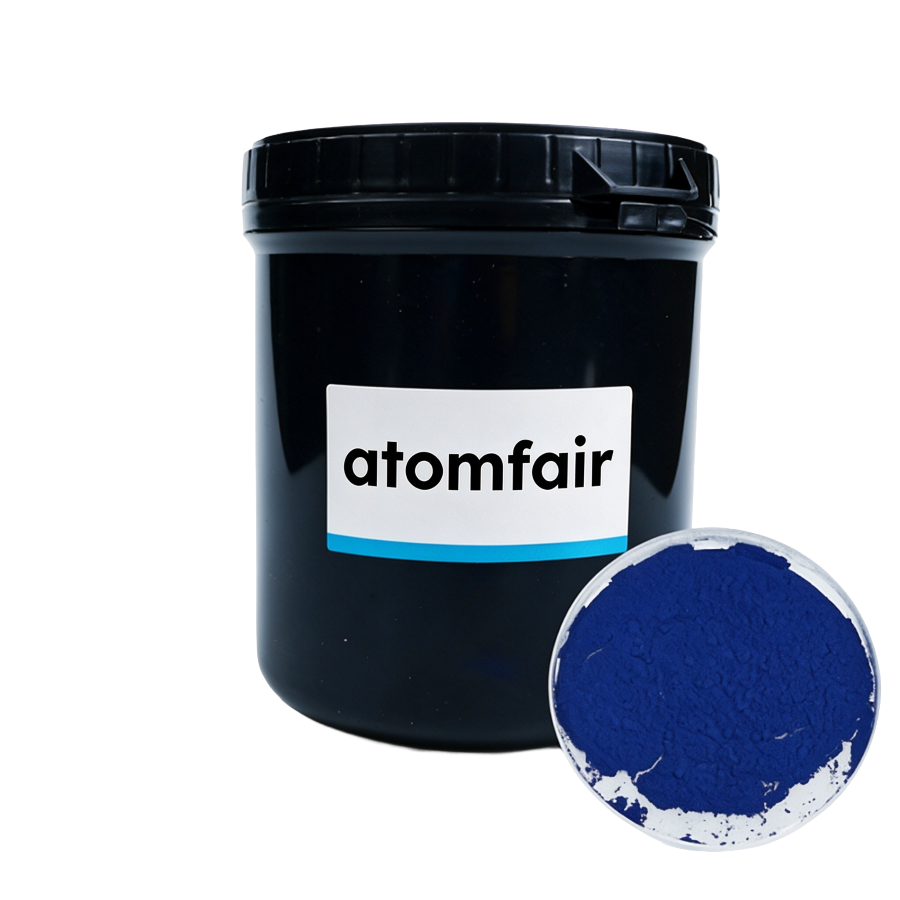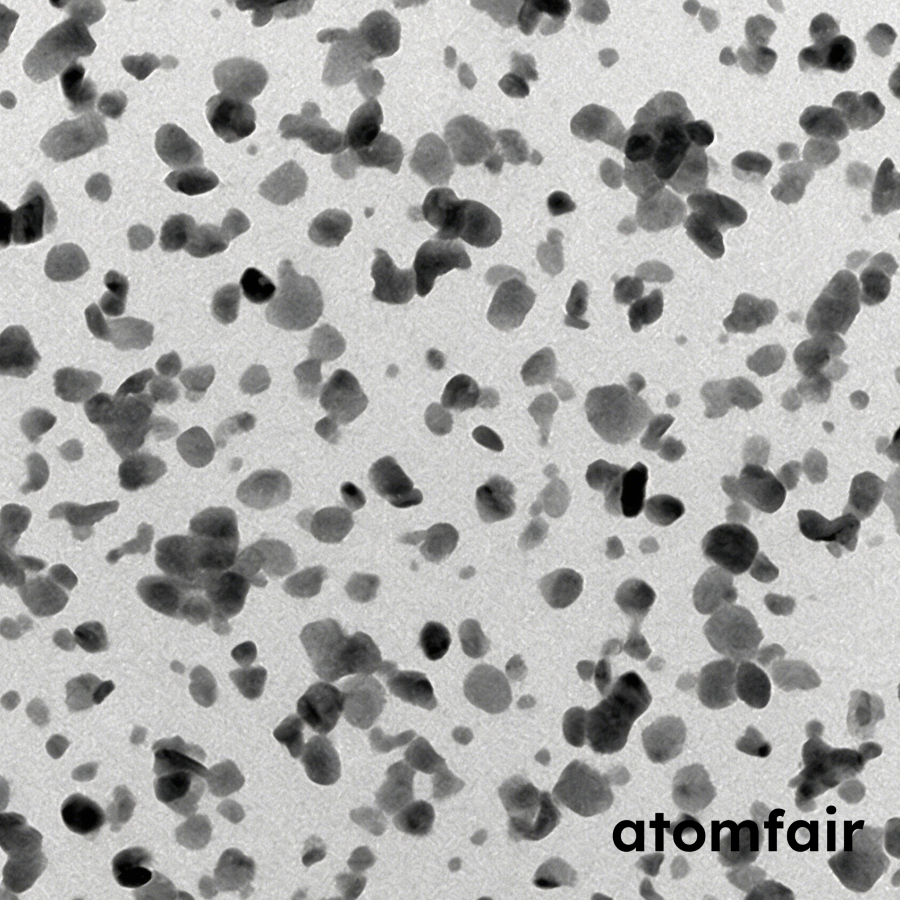
CuS Nanoparticles, 1 mg/mL, 5 mLProduct Type: Inorganic nanomaterial dispersion
Research-grade laboratory product
|
|||||||||||||||||||||||||||||
|
|||||||||||||||||||||||||||||
|
LABORATORY PROCUREMENT SUPPORT
For model selection, material form, dimensional range, concentration or package confirmation, contact our technical sales team.
E-MAIL: inquiry@atomfair.com
|
|||||||||||||||||||||||||||||
|
Manufacturer: Atomfair LLC
Brand: ATOMFAIR®
|
What is the colloidal stability of CuS nanoparticles at a zeta potential of -20 mV, and how does concentration affect aggregation risk?
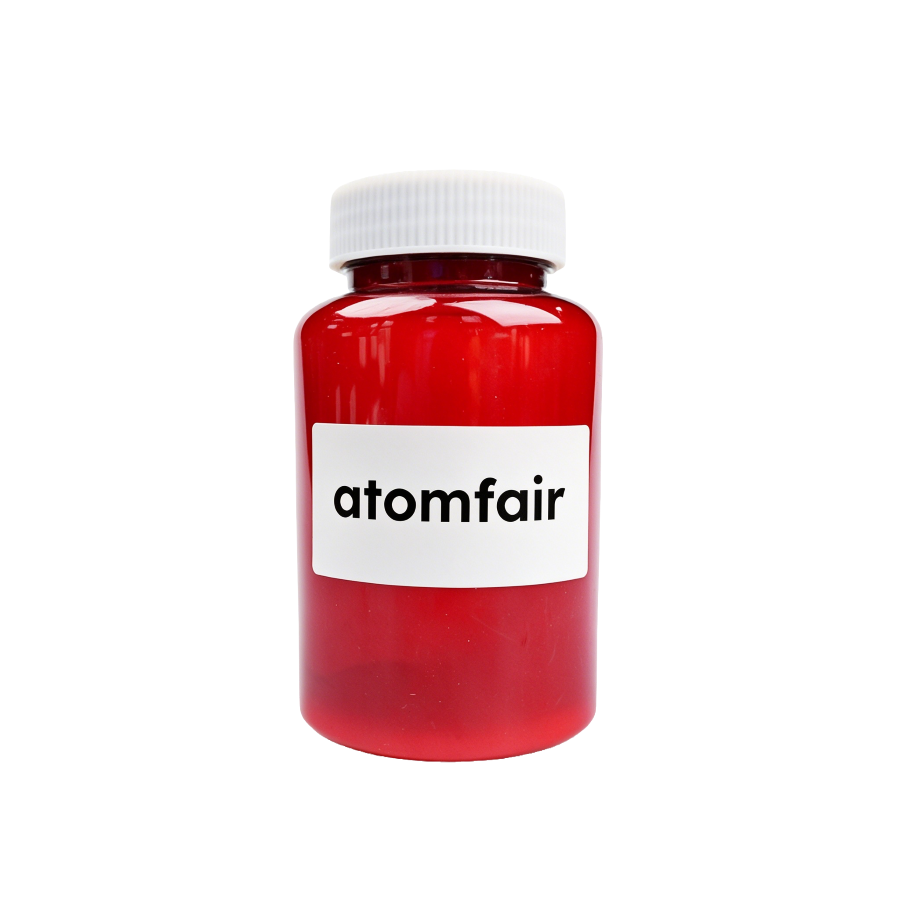
The zeta potential of -20 mV indicates moderate negative surface charge, providing some electrostatic stabilization but potentially insufficient for long-term stability against aggregation. The standard concentration is 1 mg/mL, and the product can be customized up to 10 mg/mL; higher concentrations may increase aggregation risk due to reduced interparticle distances. The gray-green colloidal appearance at the standard concentration suggests a stable dispersion.
What solvent or buffer systems are compatible with CuS nanoparticle dispersions for photothermal or catalytic applications?
The product description does not specify the solvent; it is described as an inorganic nanomaterial dispersion. Users should confirm the solvent system with the manufacturer before use, as compatibility with specific buffers, pH, or ionic strengths can affect dispersion stability. The zeta potential of -20 mV provides a baseline for assessing electrostatic interactions in different media.
What are the recommended storage and handling conditions to prevent aggregation or degradation of CuS nanoparticles?
The product description does not specify storage conditions; however, as a research-grade colloidal dispersion, standard practices include storage at 2-8°C and protection from light to maintain stability. The product should be gently agitated before use to redisperse any settled particles, avoiding sonication or high shear that could alter surface properties. The gray-green color and zeta potential of -20 mV are indicators of proper dispersion; significant color change or visible precipitation indicates degradation.
CuS nanoparticles supplied as a gray-green colloidal dispersion at 1 mg/mL with a zeta potential of -20 mV; concentration is customizable up to 10 mg/mL, but the solvent is not specified in the product documentation.
Positive
- Characterized colloidal stability: Zeta potential of -20 mV indicates moderate electrostatic stabilization, which is advantageous for maintaining dispersion uniformity during handling and storage.
- Customizable concentration range: The product can be supplied at concentrations up to 10 mg/mL upon request, offering flexibility for applications requiring higher nanoparticle loading.
Trade-offs
- Low as-supplied concentration: The standard 1 mg/mL concentration may be too dilute for certain experiments, necessitating additional concentration steps that could alter the dispersion state or introduce contaminants.
- Unspecified solvent composition: The product documentation does not list the solvent system, requiring users to independently verify compatibility with their intended laboratory workflow or downstream application.
Every advanced material, component, equipment, and instrument in our catalog is backed by rigorous testing. We maintain strict internal quality management frameworks and align with CE conformity metrics to deliver transparent, reproducible performance data via our public open-science repository.
To request raw batch performance data, submit formal vendor registration paperwork, or execute a fast-turnaround R&D manufacturing loop, contact us at inquiry@atomfair.com.
Item is dispatched under the Atomfair Shipping & Delivery Framework (Free worldwide shipping on orders over $59 USD excl. heavy equipment). Return is governed by the Atomfair Return & Refund Policy (7-day technical return window).