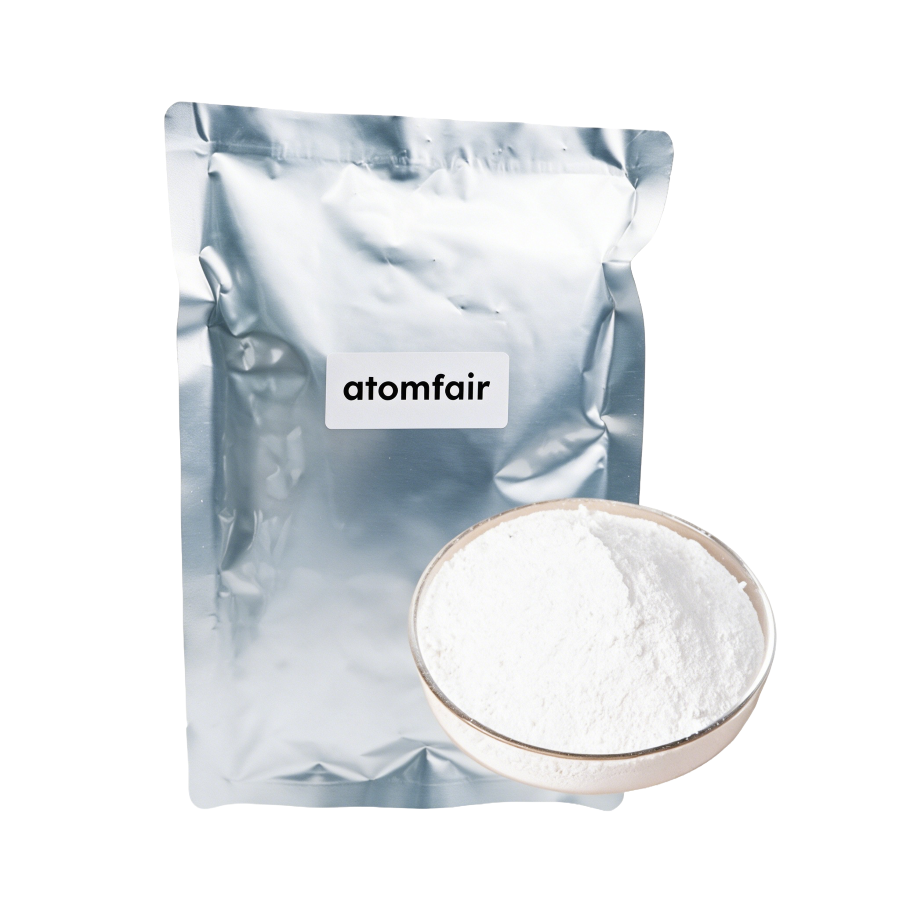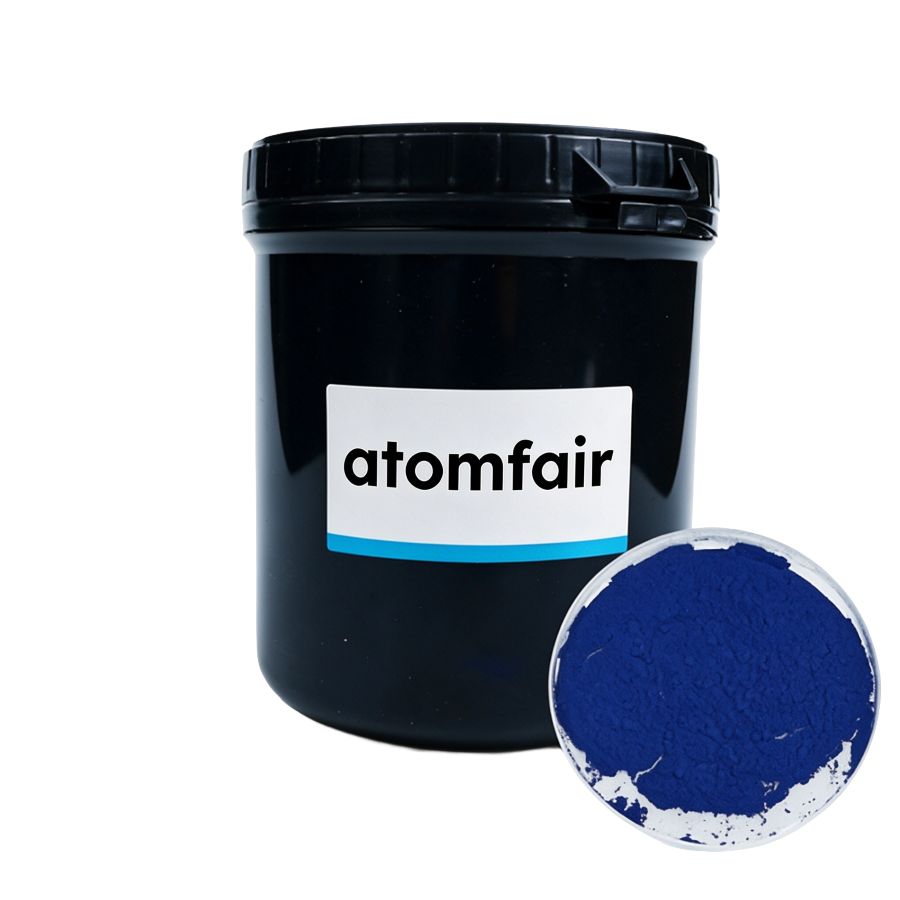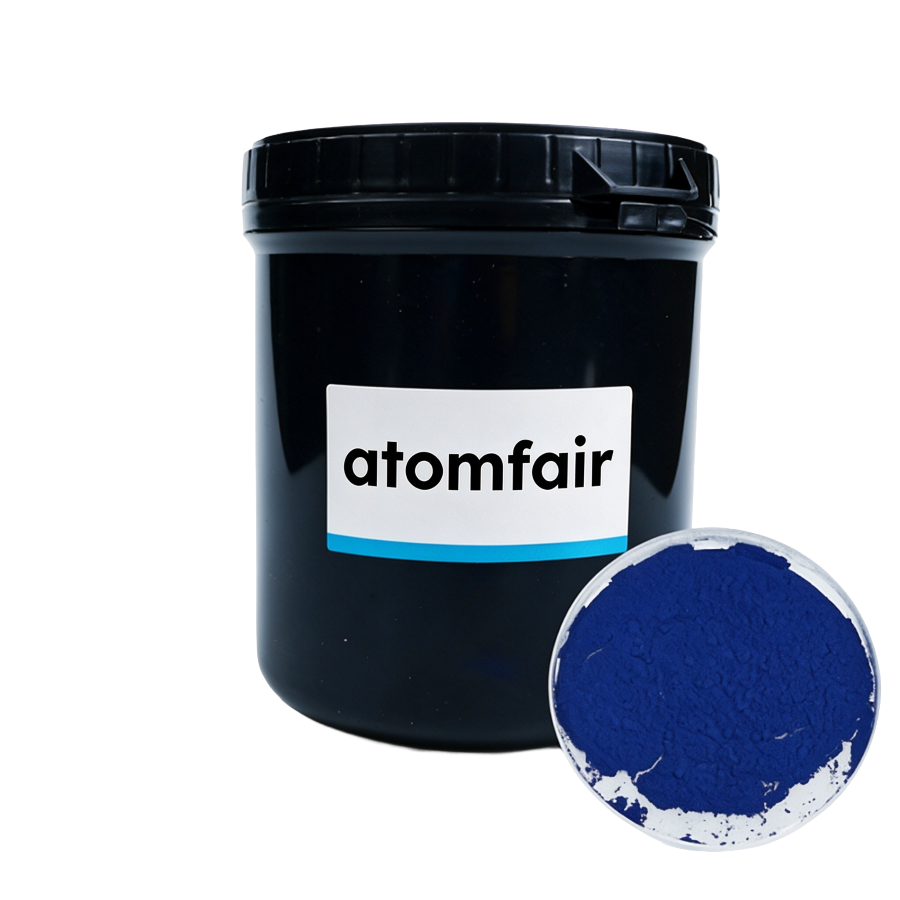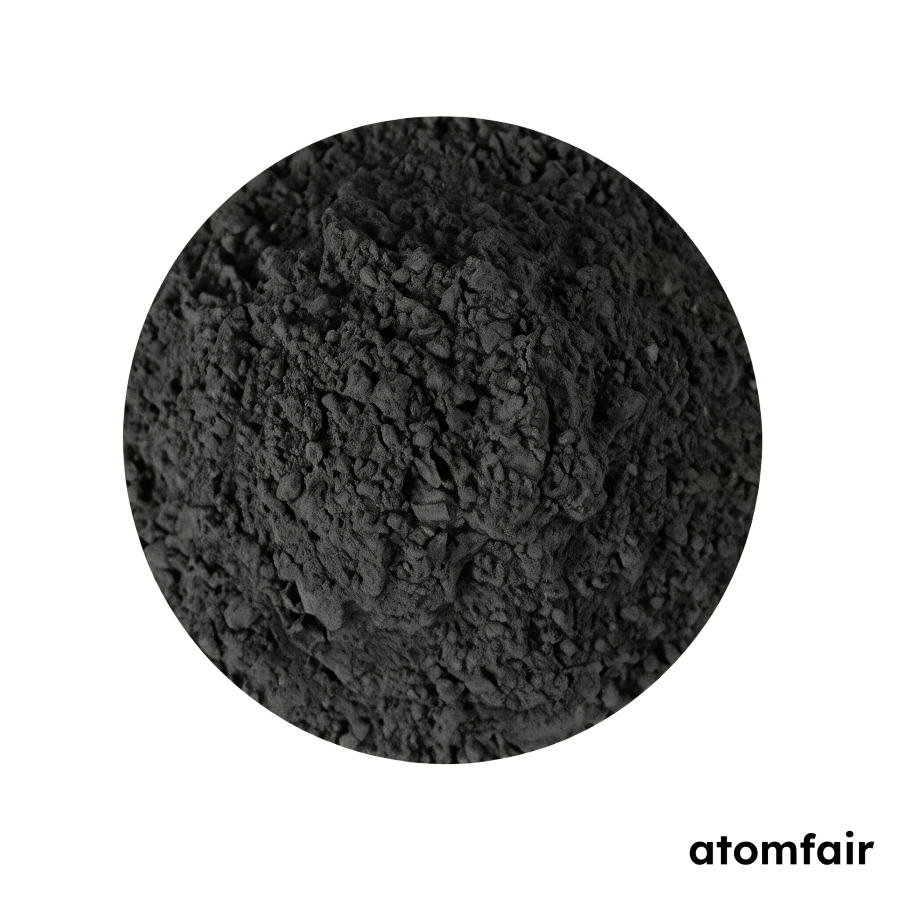
CuO Nanoparticles, 10-50nm, 1 gProduct Type: Inorganic nanopowder
Research-grade laboratory product
|
|||||||||||||||||||||||
|
|||||||||||||||||||||||
|
LABORATORY PROCUREMENT SUPPORT
For model selection, material form, dimensional range, concentration or package confirmation, contact our technical sales team.
E-MAIL: inquiry@atomfair.com
|
|||||||||||||||||||||||
|
Manufacturer: Atomfair LLC
Brand: ATOMFAIR®
|
What performance trade-offs should be considered when using CuO nanoparticles with a 10–50 nm particle size?
The 10–50 nm particle size provides a high surface-area-to-volume ratio, beneficial for catalytic and sensing applications, but may increase agglomeration tendency. The ~99% purity ensures minimal impurity interference, though the exact trade-off between size and reactivity depends on the specific experimental conditions. This product is a research-grade inorganic nanopowder designed for laboratory-scale studies.
What are the typical applications and compatibility considerations for these CuO nanoparticles?
As a research-grade inorganic nanopowder, these CuO nanoparticles are suitable for laboratory studies in catalysis, energy storage, and material science. The 10–50 nm size and ~99% purity make them compatible with standard nanoparticle characterization techniques and integration into composite formulations. The 1 g package size is appropriate for small-scale proof-of-concept experiments.
What handling and storage infrastructure is required for CuO nanoparticles in the 10–50 nm range?
This dry inorganic nanopowder must be stored in a sealed container away from moisture and heat to maintain stability. The 1 g package is designed for controlled laboratory use, and typical handling infrastructure includes a glovebox or fume hood to minimize inhalation exposure. Standard laboratory practices for nanopowder handling are recommended.
CuO nanoparticles with 10–50 nm size and ~99% purity offer high surface area for catalytic and electrochemical applications, but the 1 g package size and nanopowder form require careful handling and are better suited for research-scale screening than bulk processing.
Positive
- High specific surface area: The 10–50 nm particle size provides a large surface-to-volume ratio, enhancing reactivity in catalytic, sensor, and battery electrode studies.
- Consistent high purity: The ~99% purity level minimizes interference from contaminants, making it suitable for spectroscopic and electrochemical baseline measurements.
Trade-offs
- Nanopowder handling precautions: As a dry nanopowder, CuO particles require fume hood or glovebox handling to prevent inhalation and cross-contamination, adding lab protocol requirements.
- Limited per-experiment yield: The 1 g package size is suitable for small-scale trials but may be insufficient for multiple replicate runs or scaled-up syntheses without reordering.
Every advanced material, component, equipment, and instrument in our catalog is backed by rigorous testing. We maintain strict internal quality management frameworks and align with CE conformity metrics to deliver transparent, reproducible performance data via our public open-science repository.
To request raw batch performance data, submit formal vendor registration paperwork, or execute a fast-turnaround R&D manufacturing loop, contact us at inquiry@atomfair.com.
Item is dispatched under the Atomfair Shipping & Delivery Framework (Free worldwide shipping on orders over $59 USD excl. heavy equipment). Return is governed by the Atomfair Return & Refund Policy (7-day technical return window).