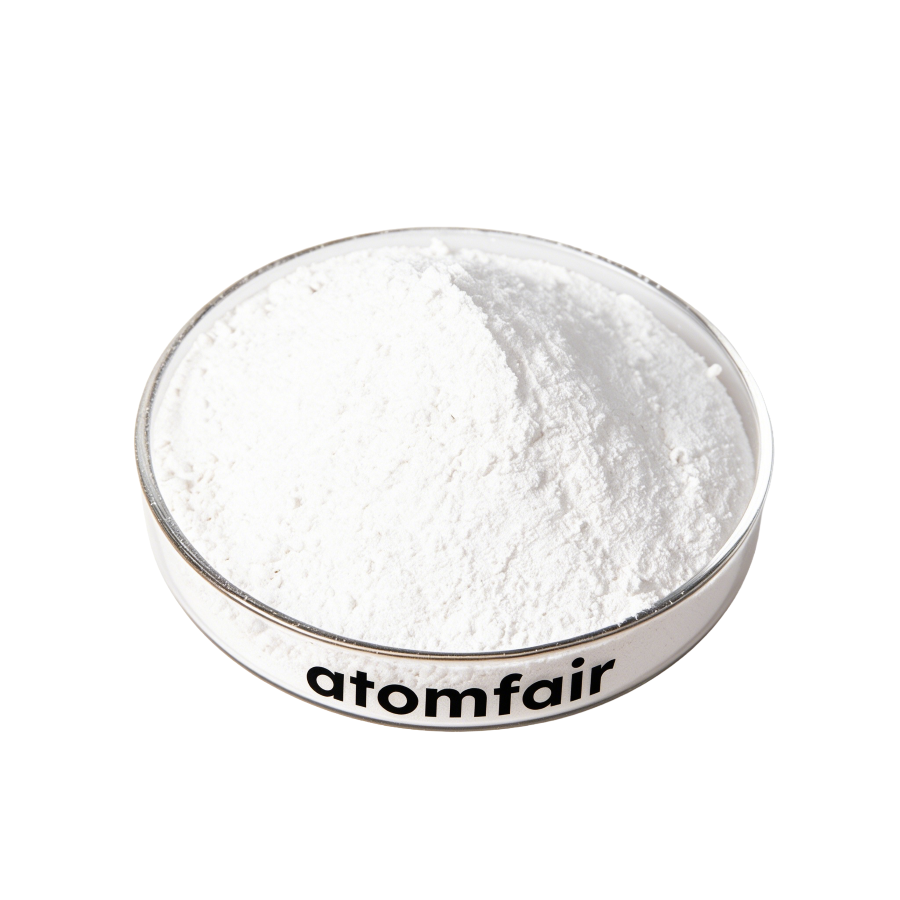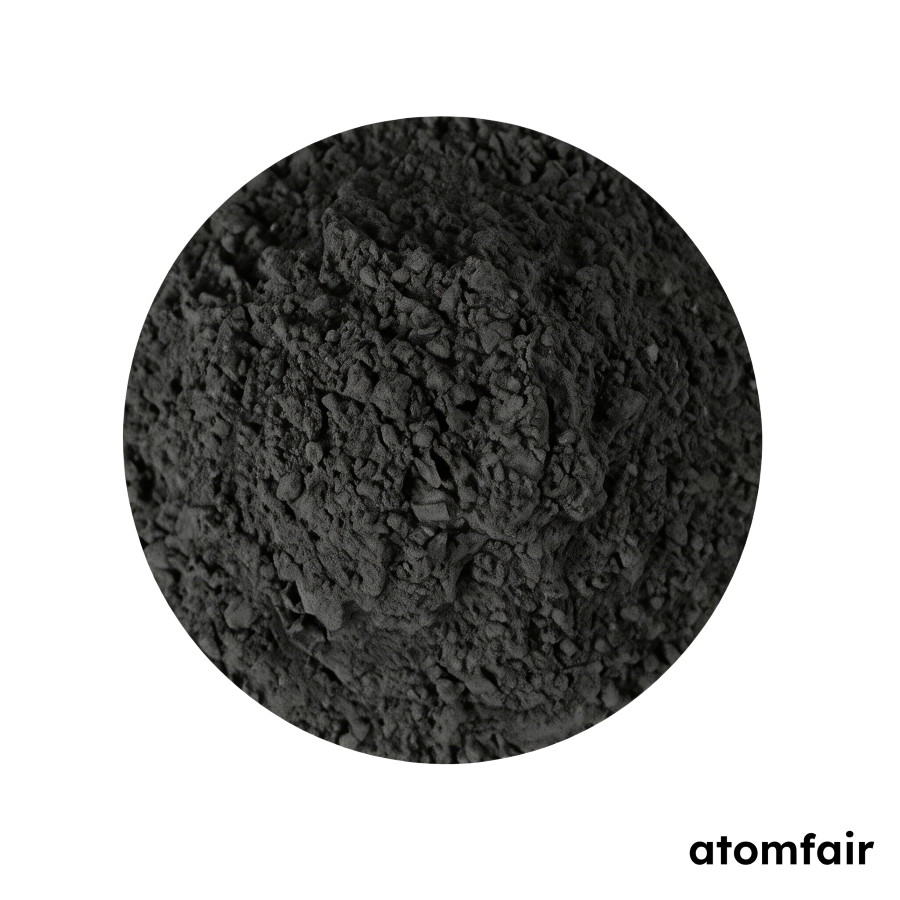
CuO Nanosheets, 100-1500nm, 10-50nm, 1 gProduct Type: Shape-controlled inorganic nanomaterial
Research-grade laboratory product
|
|||||||||||||||||||||||||
|
|||||||||||||||||||||||||
|
LABORATORY PROCUREMENT SUPPORT
For model selection, material form, dimensional range, concentration or package confirmation, contact our technical sales team.
E-MAIL: inquiry@atomfair.com
|
|||||||||||||||||||||||||
|
Manufacturer: Atomfair LLC
Brand: ATOMFAIR®
|
How does the reported thickness range of 10-50 nm affect the uniformity of CuO nanosheets in thin-film applications?
The 10-50 nm thickness variation indicates the nanosheets are not monodisperse, which can lead to inconsistent film thickness and variable optical or electronic properties. For applications requiring uniform behavior, such as sensors or photovoltaics, pre-characterization or additional sorting may be necessary. The product specification lists only this broad thickness range, so researchers should expect batch-to-batch variation.
What factors should be considered when integrating these CuO nanosheets with other materials in a composite?
Key factors include matching the lateral size (100-1500 nm) and thickness (10-50 nm) to the matrix material to ensure proper dispersion and interfacial bonding. The product description explicitly advises users to match the material form and measurable specification to the intended laboratory preparation. The shape-controlled morphology may also introduce anisotropic properties that affect composite performance.
What are the essential safety protocols for handling CuO nanosheets in a laboratory setting?
Standard nanomaterial safety protocols should be followed: use appropriate personal protective equipment (gloves, lab coat, safety glasses), handle in a fume hood to avoid inhalation, and store in a sealed container. The product is labeled as research-grade, but no specific safety data sheet is provided; therefore, institutional guidelines for metal oxide nanoparticles apply.
This shape-controlled CuO nanosheet product offers high purity (~99%) with defined lateral dimensions (100-1500 nm) and thickness (10-50 nm), suitable for fundamental studies of anisotropic properties. However, the broad size and thickness ranges may introduce polydispersity that requires careful characterization before use.
Positive
- High purity for reproducible experiments: The ~99% purity reduces interference from contaminants, supporting reliable data in catalytic or electronic property measurements.
- Shape-controlled morphology for anisotropic studies: The nanosheet geometry enables investigation of facet-dependent properties, including surface reactivity and charge transport behavior.
Trade-offs
- Broad lateral size distribution: The specified size range of 100-1500 nm indicates significant polydispersity, potentially complicating correlation of results with particle dimensions.
- Thickness variation affects surface area consistency: The 10-50 nm thickness range introduces variability in specific surface area and aspect ratio, requiring extra characterization for quantitative studies.
Every advanced material, component, equipment, and instrument in our catalog is backed by rigorous testing. We maintain strict internal quality management frameworks and align with CE conformity metrics to deliver transparent, reproducible performance data via our public open-science repository.
To request raw batch performance data, submit formal vendor registration paperwork, or execute a fast-turnaround R&D manufacturing loop, contact us at inquiry@atomfair.com.
Item is dispatched under the Atomfair Shipping & Delivery Framework (Free worldwide shipping on orders over $59 USD excl. heavy equipment). Return is governed by the Atomfair Return & Refund Policy (7-day technical return window).