Zinc Oxide Dispersion, 40-150nm, 0.1 mg/mL, 100 mLProduct Type: Inorganic nanomaterial dispersion
Research-grade laboratory product
|
|||||||||||||||||||||||||
|
|||||||||||||||||||||||||
|
LABORATORY PROCUREMENT SUPPORT
For model selection, material form, dimensional range, concentration or package confirmation, contact our technical sales team.
E-MAIL: inquiry@atomfair.com
|
|||||||||||||||||||||||||
|
Manufacturer: Atomfair LLC
Brand: ATOMFAIR®
|
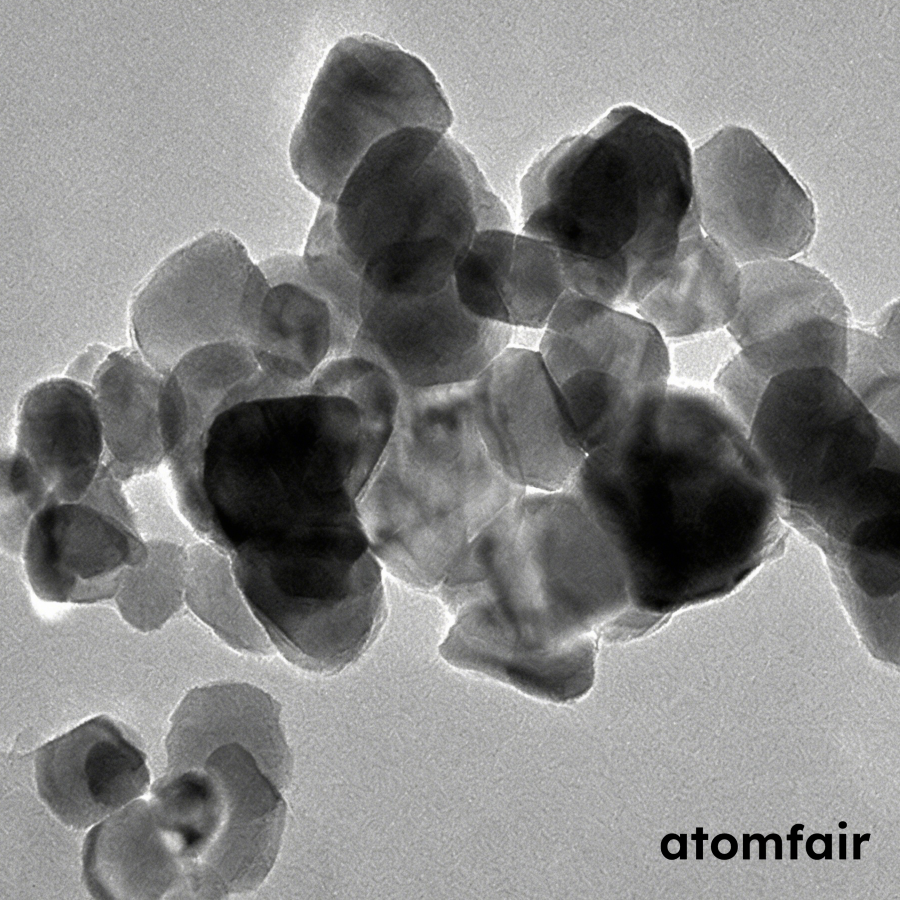
Given the broad particle size distribution (40-150 nm) of this zinc oxide dispersion, how does it compare to a monodisperse sample for reproducible optical measurements?
The broad size distribution (40-150 nm) may lead to variable optical extinction due to size-dependent scattering, whereas a monodisperse sample would yield more consistent results. The low concentration (0.1 mg/mL) and water-ethanol solvent do not mitigate this polydispersity effect, as confirmed by the specified diameter range and concentration.
What is the solvent composition for this zinc oxide dispersion, and can it be directly diluted with deionized water for lower concentration experiments?
The solvent is a water-ethanol mixture (exact ratio not specified by the source). Direct dilution with deionized water is possible since water is a component, but the ethanol concentration will decrease, which may affect particle stability. The 100 mL package size provides sufficient volume for small-scale dilution tests, and the concentration is 0.1 mg/mL.
What are the critical parameters to verify before ordering this zinc oxide dispersion to ensure it matches the intended application?
The key order-critical parameters are diameter (40-150 nm), concentration (0.1 mg/mL), solvent (water-ethanol mixture), and package size (100 mL). The product type is inorganic nanomaterial dispersion. These specifications must be matched to the intended laboratory preparation or material comparison workflow, as stated in the selection notes.
Evaluated for laboratory procurement: Zinc Oxide Dispersion with 40-150nm particle size, 0.1 mg/mL concentration in a water-ethanol mixture, 100 mL package. The broad particle size range and low concentration may limit use in high-precision or high-throughput applications, while the mixed solvent requires careful handling and compatibility checks.
Positive
- Broad particle size range for versatile screening: The 40-150nm diameter range covers multiple size regimes, enabling comparison studies in photocatalysis, UV absorption, and material characterization workflows where particle size effects are investigated.
- Water-ethanol solvent mixture enhances dispersibility: The mixed solvent system improves dispersion stability and compatibility with both aqueous and organic phase protocols, as explicitly stated in the product specification.
Trade-offs
- Low concentration requires larger volumes: At 0.1 mg/mL, the mass loading per volume is low; experiments requiring higher nanoparticle mass may need inconveniently large volumes or subsequent concentration steps.
- Mixed solvent demands careful handling: The water-ethanol mixture has differential evaporation rates and potential compatibility issues with certain polymers or biological systems, requiring solvent exchange or verification before use.
Every advanced material, component, equipment, and instrument in our catalog is backed by rigorous testing. We maintain strict internal quality management frameworks and align with CE conformity metrics to deliver transparent, reproducible performance data via our public open-science repository.
To request raw batch performance data, submit formal vendor registration paperwork, or execute a fast-turnaround R&D manufacturing loop, contact us at inquiry@atomfair.com.
Item is dispatched under the Atomfair Shipping & Delivery Framework (Free worldwide shipping on orders over $59 USD excl. heavy equipment). Return is governed by the Atomfair Return & Refund Policy (7-day technical return window).