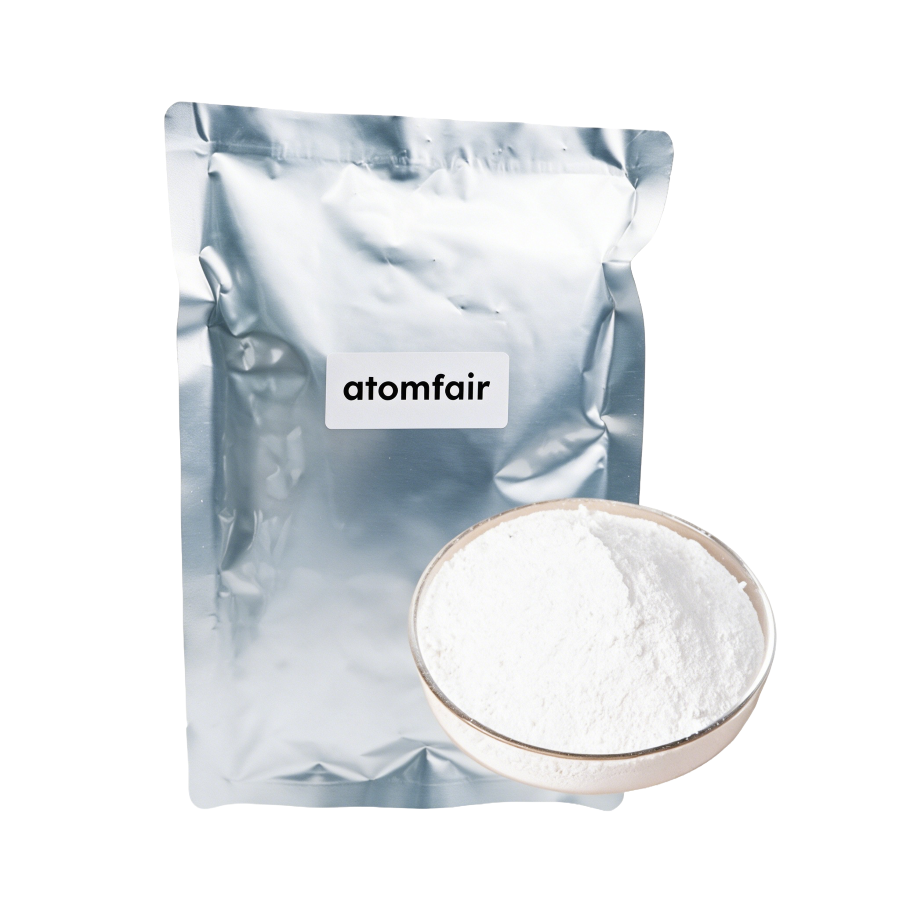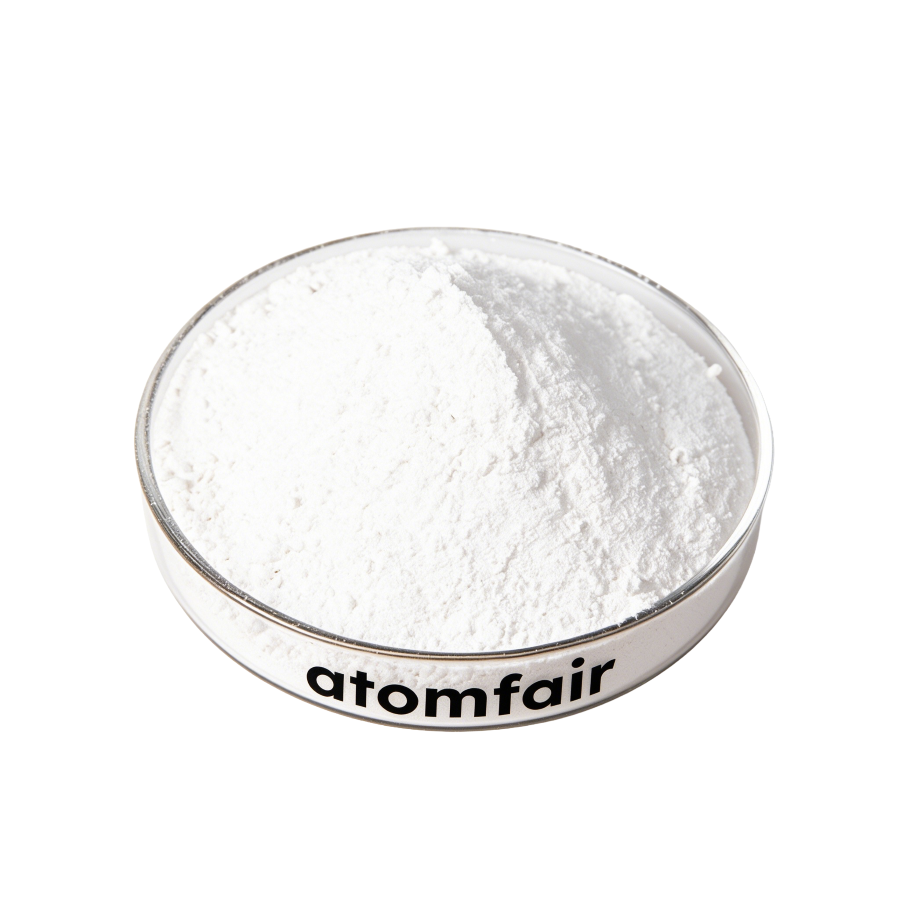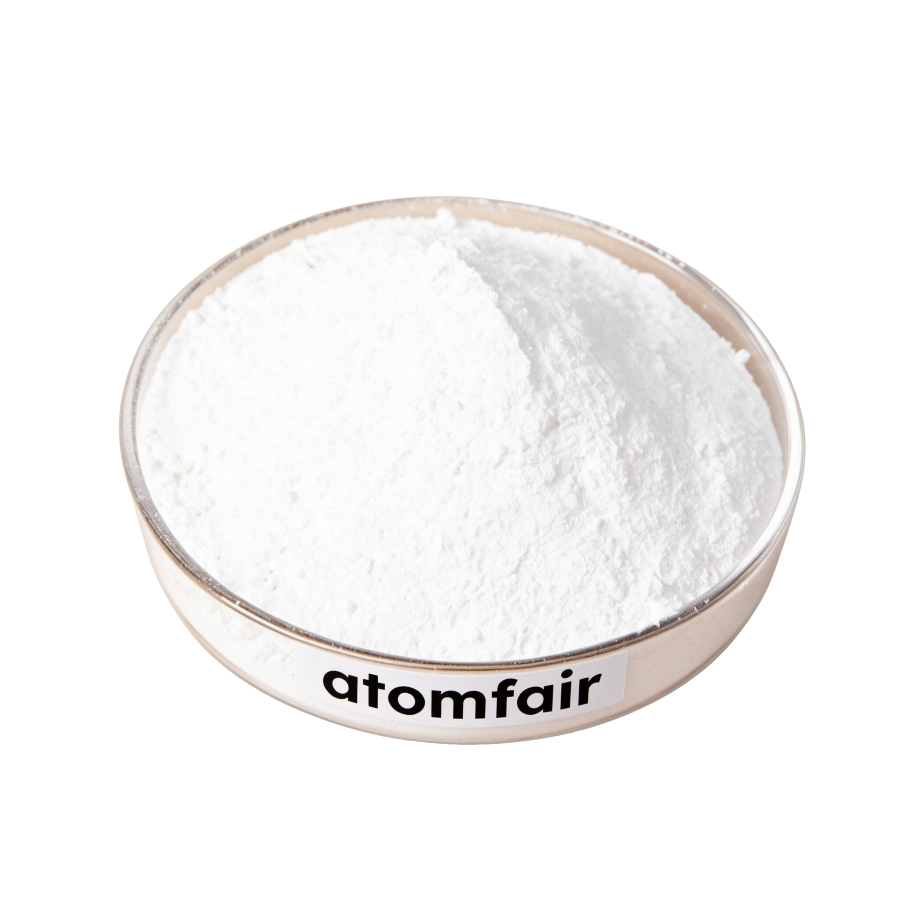
Halloysite Nanotubes, 50-300nm, 100 gProduct Type: Inorganic nanopowder
Research-grade laboratory product
|
|||||||||||||||||||||||||||||
|
|||||||||||||||||||||||||||||
|
LABORATORY PROCUREMENT SUPPORT
For model selection, material form, dimensional range, concentration or package confirmation, contact our technical sales team.
E-MAIL: inquiry@atomfair.com
|
|||||||||||||||||||||||||||||
|
Manufacturer: Atomfair LLC
Brand: ATOMFAIR®
|
How does the broad diameter range (50-300 nm) of halloysite nanotubes affect their suitability for nano-reinforcement in composite materials?
The broad diameter range of 50-300 nm, combined with the length range of 1-10 µm, yields a wide variation in aspect ratio (approximately 3:1 to 200:1). This can influence mechanical reinforcement and barrier properties, requiring careful selection for specific composite formulations. The product is >95% pure and research-grade, suitable for comparative studies.
What is the chemical composition of these halloysite nanotubes and how does it influence their surface chemistry for functionalization?
The molecular formula is Al2Si2O5(OH)4·2H2O, a hydrated aluminosilicate. The presence of hydroxyl groups may allow for surface functionalization, but specific compatibility with polymers or other matrices must be evaluated experimentally. The source does not provide functionalization data.
What form are the halloysite nanotubes supplied in and what considerations are important for laboratory handling?
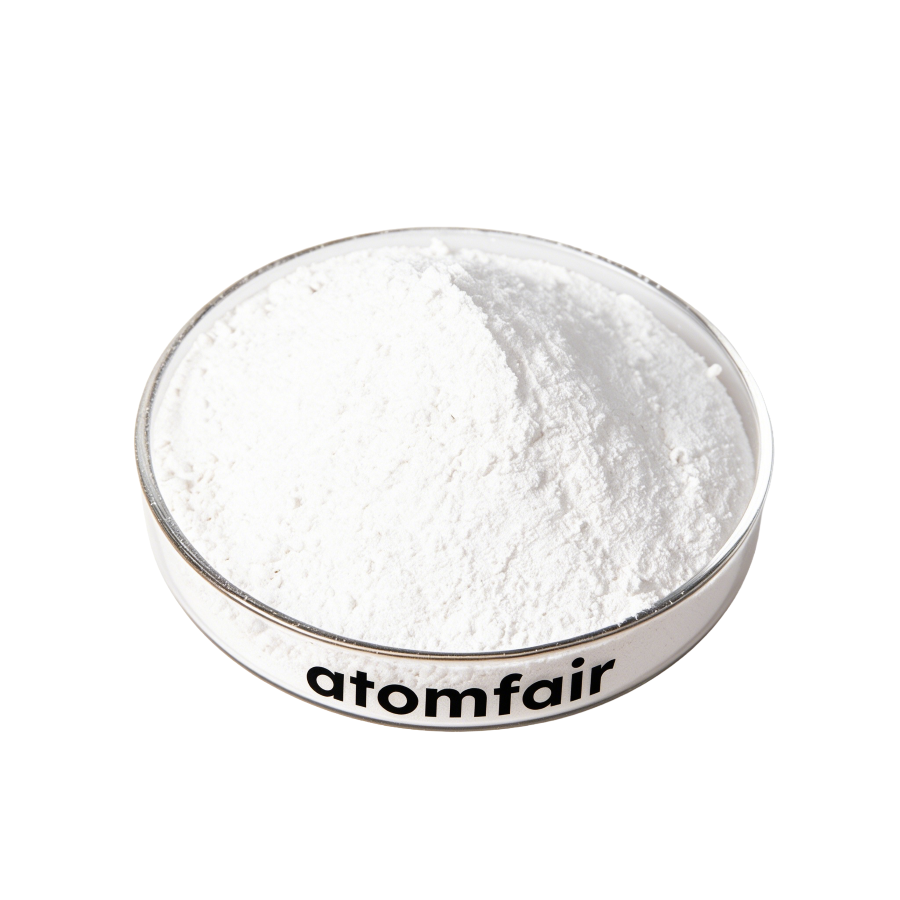
The product is supplied as a white powder (inorganic nanopowder) in a 100 g package. As a fine nanopowder, careful handling is required to avoid inhalation and cross-contamination. The source does not include specific safety data, so standard nanomaterial handling protocols should be followed.
Halloysite nanotubes (50–300 nm diameter, 1–10 μm length, >95% purity) supplied as 100 g white powder. The tubular morphology and high aspect ratio are advantageous for nanocomposite reinforcement and controlled release studies, but the broad dimensional distributions require careful characterization for reproducible results.
Positive
- High aspect ratio tubular morphology: Diameter range of 50–300 nm and length range of 1–10 μm yield aspect ratios from ~3 to 200, enabling efficient load transfer in composites and encapsulation capacity in delivery systems.
- High purity >95% for consistent results: Purity exceeding 95% minimizes confounding effects from contaminants, supporting reliable structure-property correlations in research applications.
Trade-offs
- Broad diameter distribution: Specified diameter range of 50–300 nm spans more than half an order of magnitude, requiring additional characterization (e.g., TEM, DLS) to confirm batch uniformity for size-sensitive experiments.
- Wide length distribution affects aspect ratio consistency: Length range of 1–10 μm coupled with the diameter spread yields highly variable aspect ratios, which may complicate interpretation of mechanical or rheological data without single-tube analysis.
Every advanced material, component, equipment, and instrument in our catalog is backed by rigorous testing. We maintain strict internal quality management frameworks and align with CE conformity metrics to deliver transparent, reproducible performance data via our public open-science repository.
To request raw batch performance data, submit formal vendor registration paperwork, or execute a fast-turnaround R&D manufacturing loop, contact us at inquiry@atomfair.com.
Item is dispatched under the Atomfair Shipping & Delivery Framework (Free worldwide shipping on orders over $59 USD excl. heavy equipment). Return is governed by the Atomfair Return & Refund Policy (7-day technical return window).