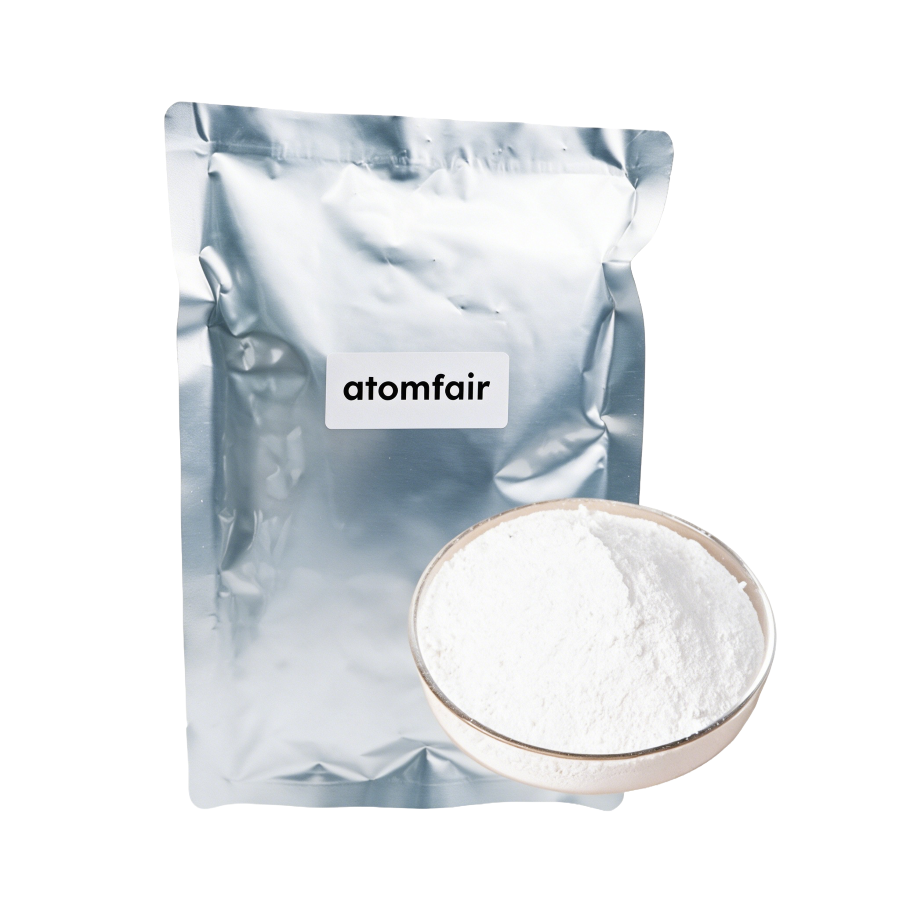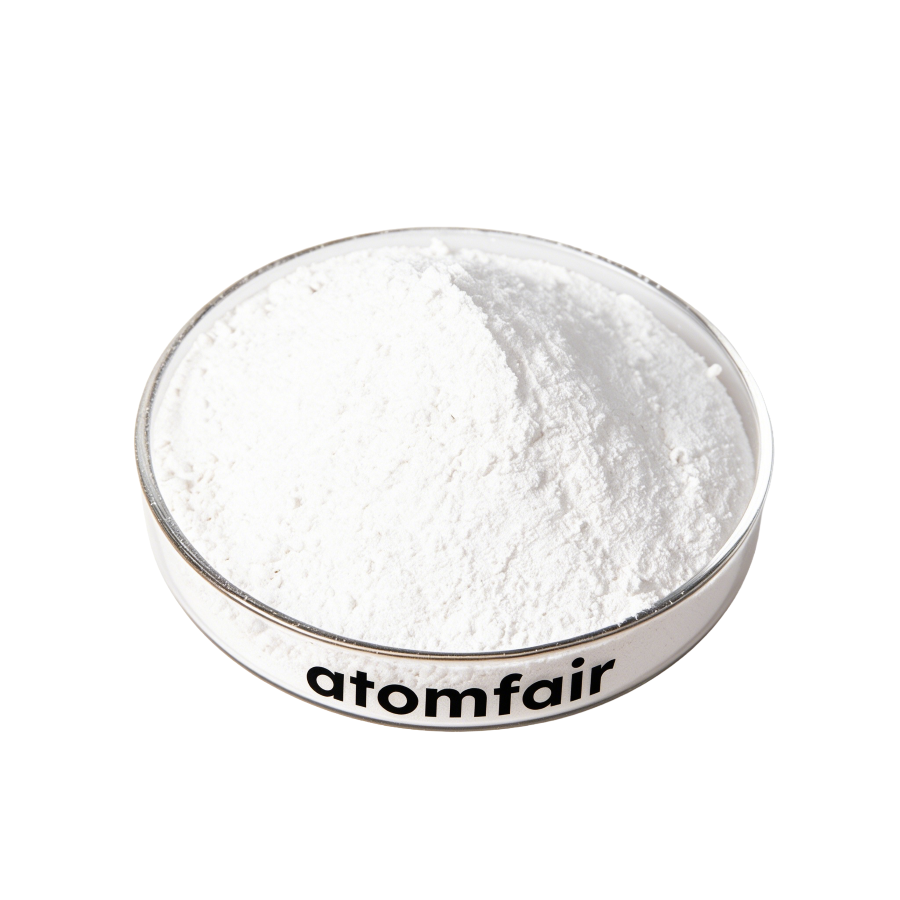
Hollow Mesoporous Titanium Dioxide Nanoparticles, 5 mlProduct Type: Inorganic nanomaterial dispersion
Research-grade laboratory product
|
|||||||||||||||||||||||||||||
|
|||||||||||||||||||||||||||||
|
LABORATORY PROCUREMENT SUPPORT
For model selection, material form, dimensional range, concentration or package confirmation, contact our technical sales team.
E-MAIL: inquiry@atomfair.com
|
|||||||||||||||||||||||||||||
|
Manufacturer: Atomfair LLC
Brand: ATOMFAIR®
|
What is the significance of the measured zeta potential of -6.5 mV for this hollow mesoporous TiO2 nanoparticle dispersion, and how does it affect colloidal stability?
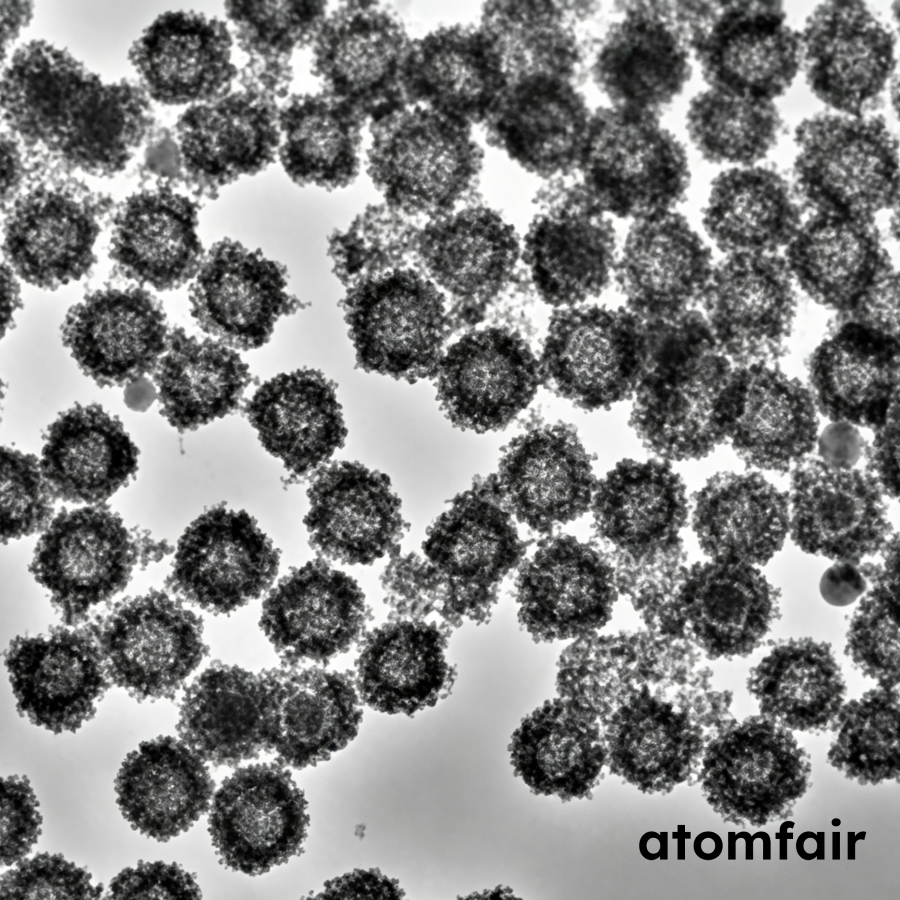
The zeta potential of -6.5 mV indicates a low net surface charge, resulting in weak electrostatic repulsion between particles. This can lead to reduced colloidal stability, increasing the risk of aggregation or sedimentation over time, especially in high ionic strength environments. The product is supplied as a milkwhite dispersion with a particle size of 200–260 nm and a concentration of 1 mg/mL, and the low zeta potential should be considered for long-term storage or experiments requiring stable suspensions.
What solvents or media are compatible with this hollow mesoporous TiO2 nanoparticle dispersion, and what is the solvent used in the product?
The product is dispersed in a solvent listed as 'ET', which typically denotes ethanol in nanoparticle dispersions; however, the exact identity should be confirmed with the manufacturer. The dispersion is at 1 mg/mL concentration, and mixing with incompatible solvents or high ionic strength buffers may cause aggregation due to the low zeta potential of -6.5 mV. Users should test small volumes for compatibility before scaling.
What are the recommended storage and handling conditions for this hollow mesoporous TiO2 nanoparticle dispersion to maintain stability?
The product should be stored in a cool, dark environment to minimize particle aggregation. The low zeta potential of -6.5 mV suggests that the dispersion may settle over time; gentle agitation or brief sonication before use is recommended to re-disperse any sediment. Avoid exposure to extreme temperatures, freezing, or prolonged high shear conditions that could destabilize the hollow mesoporous structure.
This hollow mesoporous TiO2 nanoparticle dispersion provides a well-defined particle size range and high surface area for research applications, but its low zeta potential and limited concentration require careful handling and restrict scalability.
Positive
- Hollow mesoporous structure: The hollow mesoporous morphology provides high specific surface area and porosity, advantageous for catalytic, adsorption, and drug delivery applications.
- Narrow particle size distribution: The specified particle size range of 200-260 nm indicates a relatively uniform dispersion, reducing batch-to-batch variability in research.
Trade-offs
- Low zeta potential: The zeta potential of -6.5 mV suggests low electrostatic stabilization, requiring frequent agitation or sonication to prevent aggregation and sedimentation.
- Low concentration and small volume: At 1 mg/mL and 5 mL total volume, this dispersion is suitable only for preliminary experiments; scaling up may require larger volumes or higher concentrations, which are not available for this SKU.
Every advanced material, component, equipment, and instrument in our catalog is backed by rigorous testing. We maintain strict internal quality management frameworks and align with CE conformity metrics to deliver transparent, reproducible performance data via our public open-science repository.
To request raw batch performance data, submit formal vendor registration paperwork, or execute a fast-turnaround R&D manufacturing loop, contact us at inquiry@atomfair.com.
Item is dispatched under the Atomfair Shipping & Delivery Framework (Free worldwide shipping on orders over $59 USD excl. heavy equipment). Return is governed by the Atomfair Return & Refund Policy (7-day technical return window).