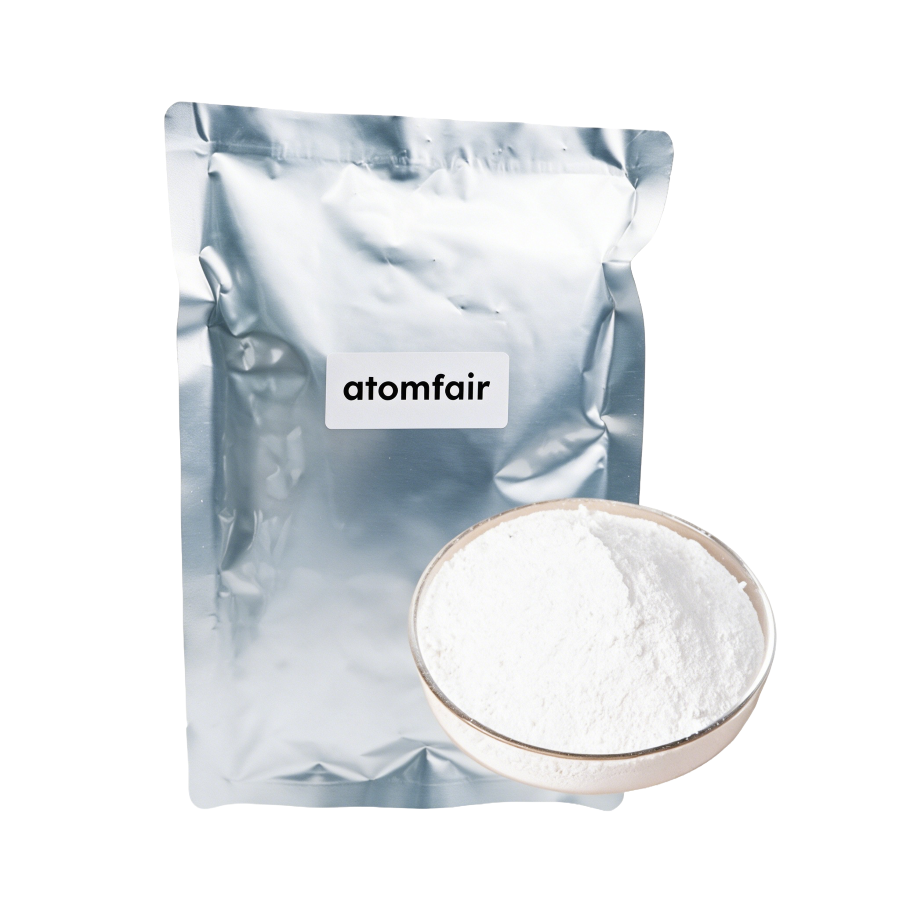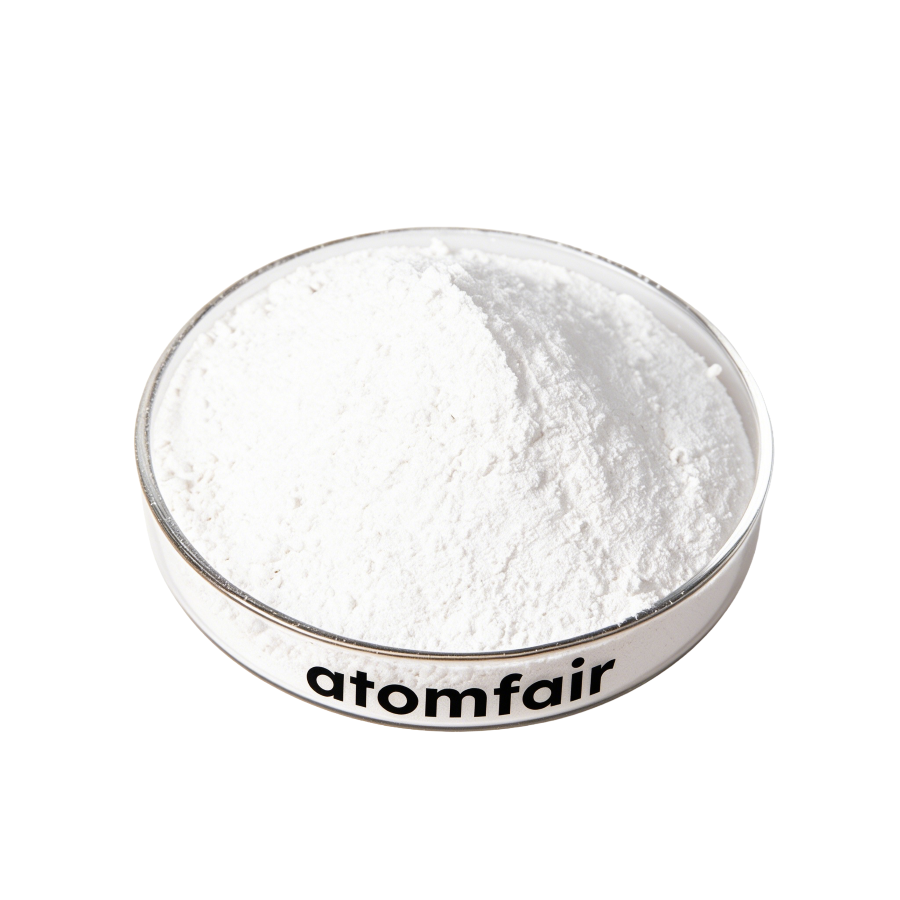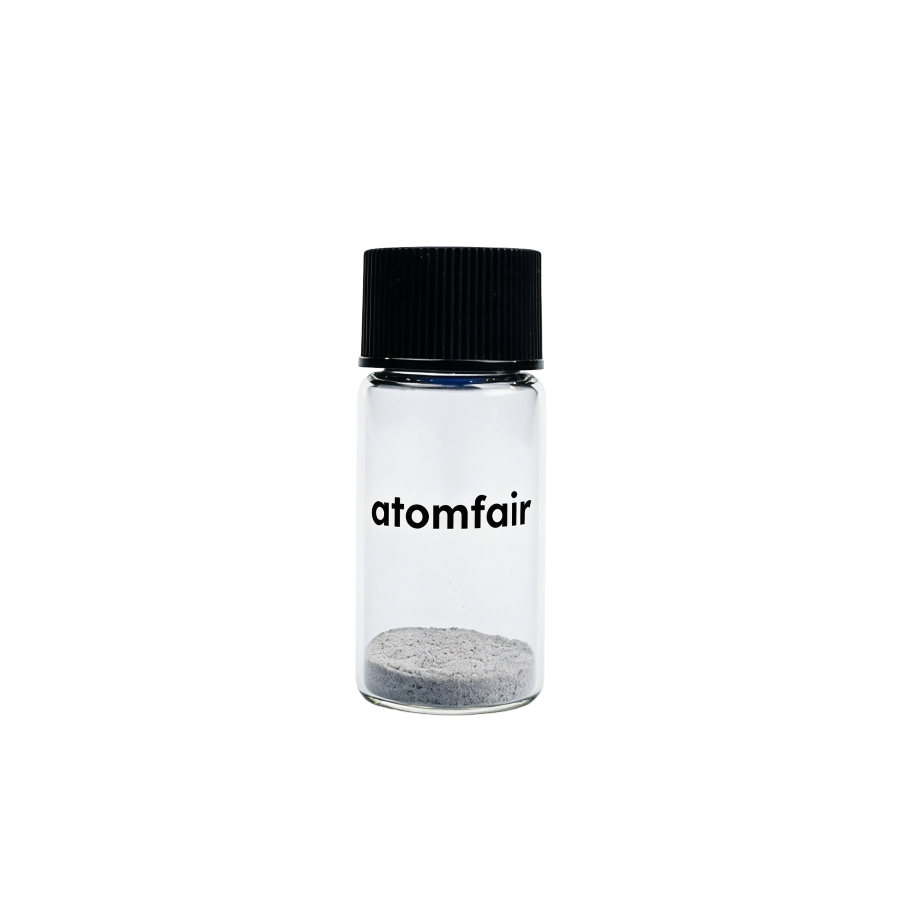
Porous TiO2, 10~30nm, 5 gProduct Type: Inorganic nanopowder
Research-grade laboratory product
|
|||||||||||||||||||||||||||
|
|||||||||||||||||||||||||||
|
LABORATORY PROCUREMENT SUPPORT
For model selection, material form, dimensional range, concentration or package confirmation, contact our technical sales team.
E-MAIL: inquiry@atomfair.com
|
|||||||||||||||||||||||||||
|
Manufacturer: Atomfair LLC
Brand: ATOMFAIR®
|
What is the trade-off between the 10–30nm particle size and the ~10nm pore size in this porous TiO2 nanopowder for catalytic applications?
The product's particle size of 10–30nm provides high external surface area, while the internal pore size of ~10nm adds additional surface area within pores. The trade-off is that smaller particles (near 10nm) may have fewer pores per particle, whereas larger particles (near 30nm) can accommodate more pores but reduce external surface area. The source specification of both particle size and pore size indicates a balance designed to maximize accessible surface area for catalysis.
Can this 99% pure anatase TiO2 nanopowder be used in high-temperature applications without phase transformation?
The product is specified as an anatase-phase nanopowder with 99% purity. Anatase is metastable and can transform to rutile at elevated temperatures, typically above 600°C. The source does not provide thermal stability data, so users should verify the maximum operating temperature of their application to avoid unintended phase change, which could alter photocatalytic or structural properties.
What are the recommended storage conditions for this 5 g package of porous TiO2 nanopowder to prevent agglomeration?
The product is a 99% pure nanopowder with 10–30nm particle size and ~10nm pores. To prevent agglomeration, store in a sealed container in a dry, inert environment, as the high surface area from the small particle size and porosity makes it susceptible to moisture adsorption. The source does not specify storage conditions, but standard nanopowder handling protocols apply.
This porous anatase TiO2 nanopowder (99% purity, 10-30nm, ~10nm pores) is suitable for laboratory-scale photocatalytic and adsorption studies, but the 5g package and broad particle size range may require careful experimental design.
Positive
- High purity and defined pore structure: The 99% purity and ~10nm pore size minimize contamination and provide controlled porosity for catalytic or adsorption experiments.
- Research-grade anatase phase: The anatase phase is specified for photocatalytic applications, and the 10-30nm particle size is suitable for nanoscale dispersion studies.
Trade-offs
- Limited package size: The 5 g package size may restrict large-scale experiments or multiple trials without reordering.
- Broad particle size distribution: The 10-30nm particle size range may introduce variability in size-dependent properties, requiring screening for monodisperse applications.
Every advanced material, component, equipment, and instrument in our catalog is backed by rigorous testing. We maintain strict internal quality management frameworks and align with CE conformity metrics to deliver transparent, reproducible performance data via our public open-science repository.
To request raw batch performance data, submit formal vendor registration paperwork, or execute a fast-turnaround R&D manufacturing loop, contact us at inquiry@atomfair.com.
Item is dispatched under the Atomfair Shipping & Delivery Framework (Free worldwide shipping on orders over $59 USD excl. heavy equipment). Return is governed by the Atomfair Return & Refund Policy (7-day technical return window).