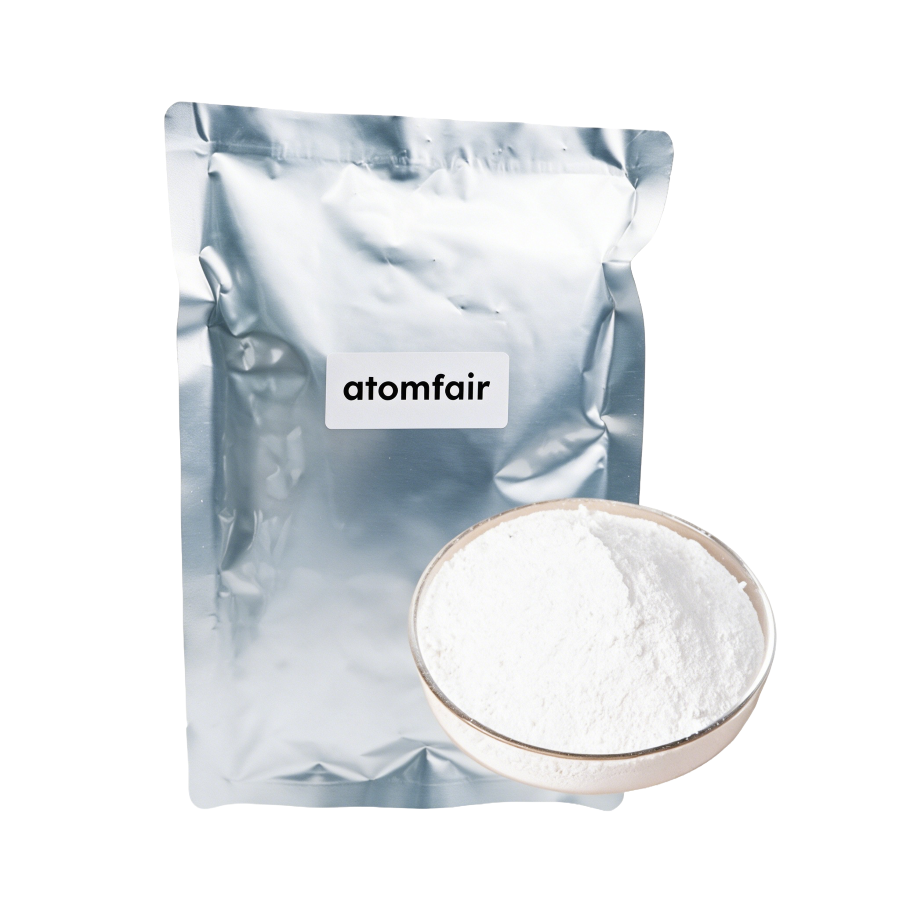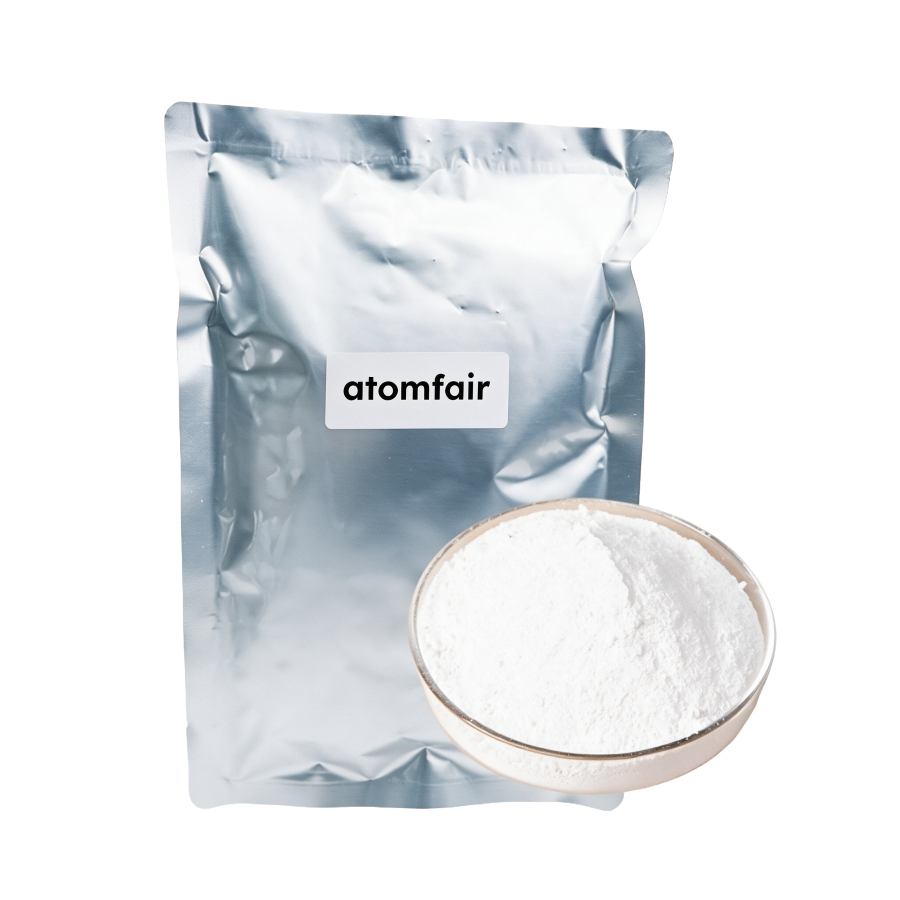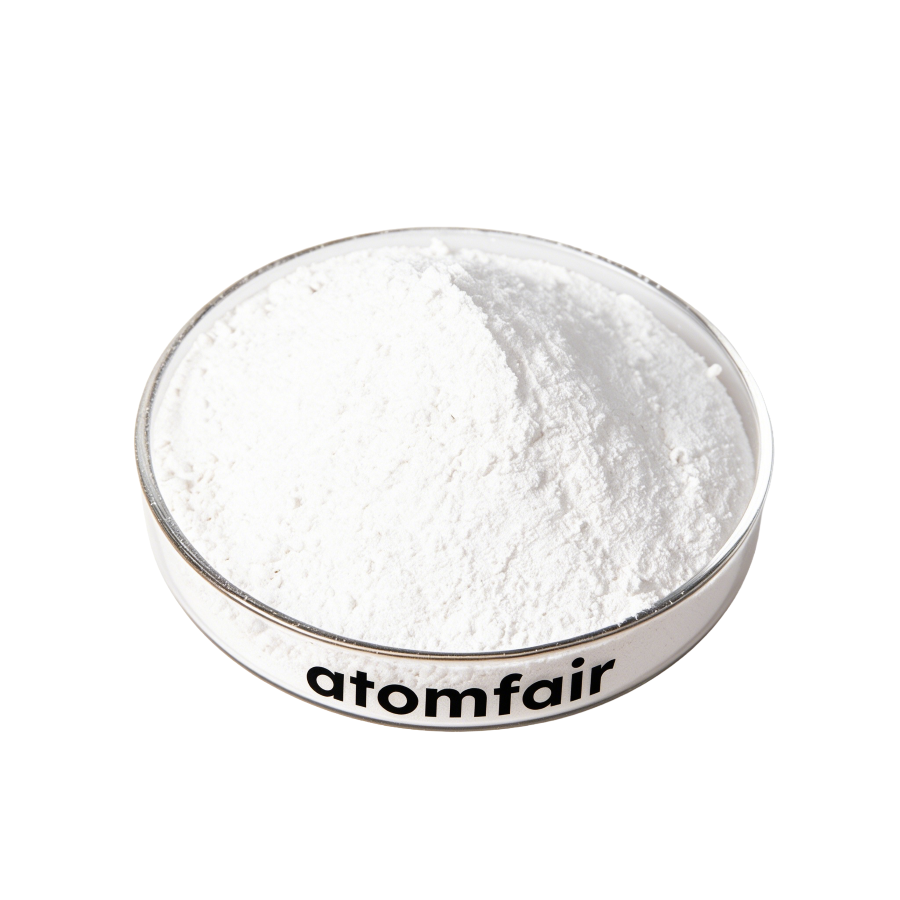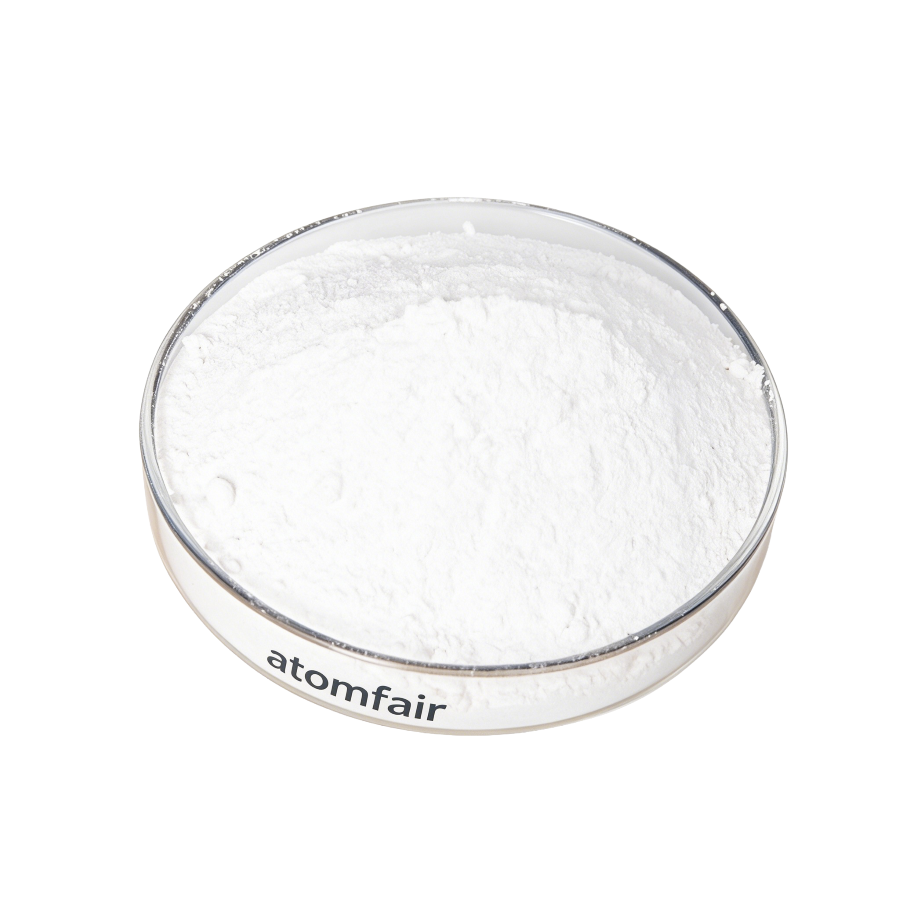
Titanium Oxide Nanopowder, 10nm, 100 gProduct Type: Inorganic nanopowder
Research-grade laboratory product
|
|||||||||||||||||||||||||
|
|||||||||||||||||||||||||
|
LABORATORY PROCUREMENT SUPPORT
For model selection, material form, dimensional range, concentration or package confirmation, contact our technical sales team.
E-MAIL: inquiry@atomfair.com
|
|||||||||||||||||||||||||
|
Manufacturer: Atomfair LLC
Brand: ATOMFAIR®
|
How does the anatase crystal type of this 10nm titanium oxide nanopowder affect its performance in photocatalytic applications compared to the rutile phase?
The product is specified as anatase crystal type, which is known for higher photocatalytic activity due to its larger band gap and higher electron mobility. The 10nm particle size further increases the surface area, enhancing catalytic activity. This combination makes it suitable for photocatalysis research, whereas rutile is more stable but less photoactive.
What are the purity specifications of this nanopowder and how do they constrain its use in doping-sensitive semiconductor applications?
The product has >99wt% purity and is specified as anatase crystal type. While the high purity minimizes unintended dopants, the exact impurity profile is not provided. For applications requiring precise doping levels, additional characterization is necessary to confirm compatibility.
What is the physical form and quantity of this product, and what handling considerations are implied by its 10nm particle size?
The product is an inorganic nanopowder supplied in a 100 g package. The 10nm particle size implies a high surface area and potential for airborne dust; standard laboratory safety practices for nanopowders, such as use of a fume hood and protective equipment, are recommended, though specific handling instructions are not provided in the source.
This 10 nm anatase titanium oxide nanopowder (>99wt% purity) offers high specific surface area for photocatalytic and catalytic applications, but requires careful handling to prevent airborne particulate exposure and control nanoparticle agglomeration during dispersion.
Positive
- High purity anatase phase: With >99wt% purity and anatase crystal structure, the powder provides consistent photocatalytic activity and surface reactivity suitable for advanced materials research.
- Controlled 10 nm particle size: The narrow 10 nm nominal diameter ensures high surface area-to-volume ratio, enabling enhanced interfacial interactions in composite formulations or catalytic studies.
Trade-offs
- Respirable dust hazard: As a dry nanopowder, the material poses inhalation risks during handling. Use in fume hood or glovebox with appropriate PPE to avoid airborne exposure.
- Agglomeration tendency: The high surface energy of 10 nm particles promotes agglomeration, requiring ultrasonic dispersion or surfactant addition to achieve stable suspensions in liquid media.
Every advanced material, component, equipment, and instrument in our catalog is backed by rigorous testing. We maintain strict internal quality management frameworks and align with CE conformity metrics to deliver transparent, reproducible performance data via our public open-science repository.
To request raw batch performance data, submit formal vendor registration paperwork, or execute a fast-turnaround R&D manufacturing loop, contact us at inquiry@atomfair.com.
Item is dispatched under the Atomfair Shipping & Delivery Framework (Free worldwide shipping on orders over $59 USD excl. heavy equipment). Return is governed by the Atomfair Return & Refund Policy (7-day technical return window).