|
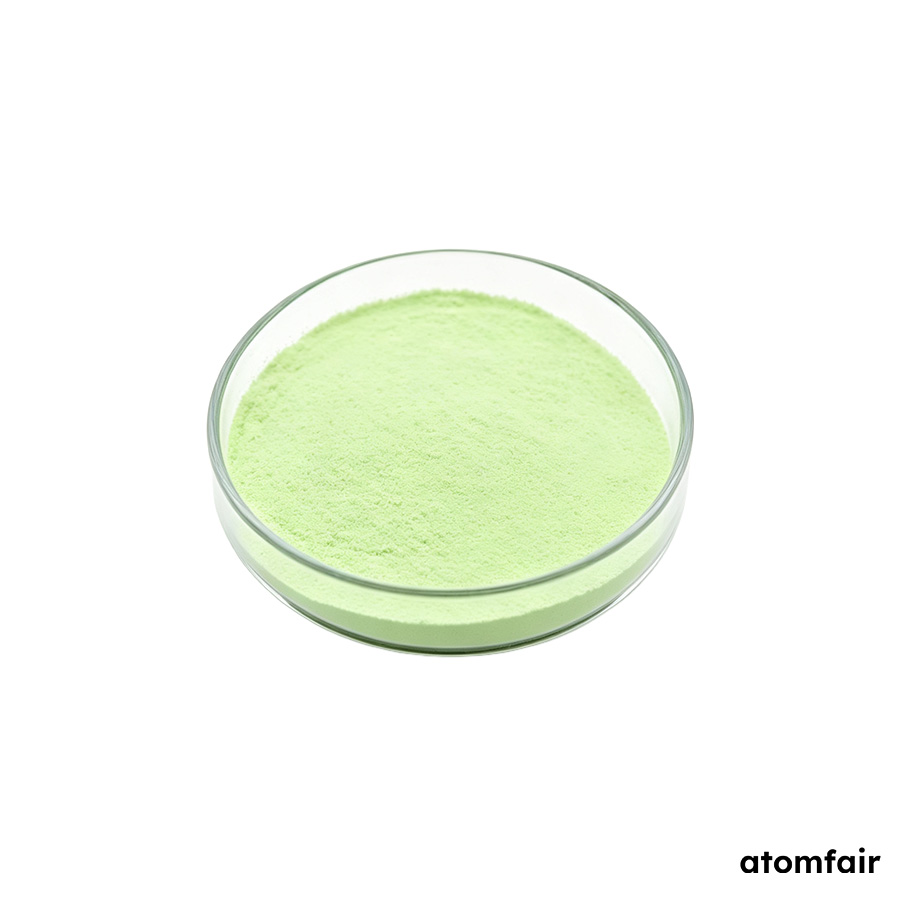
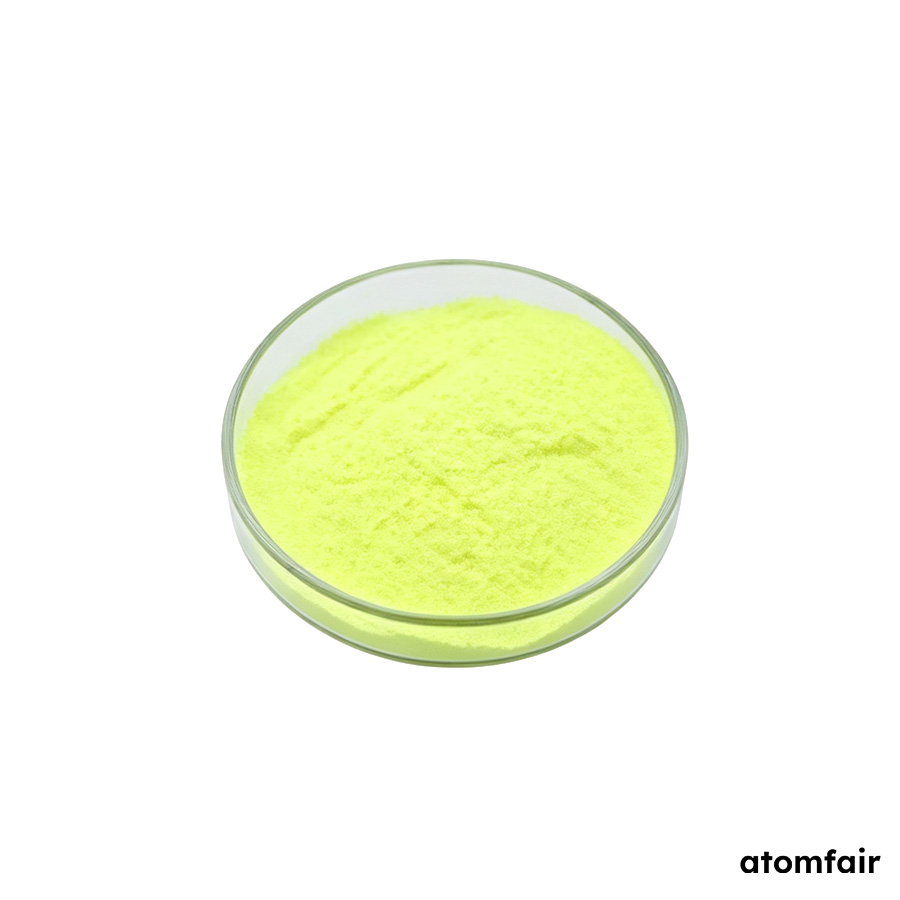
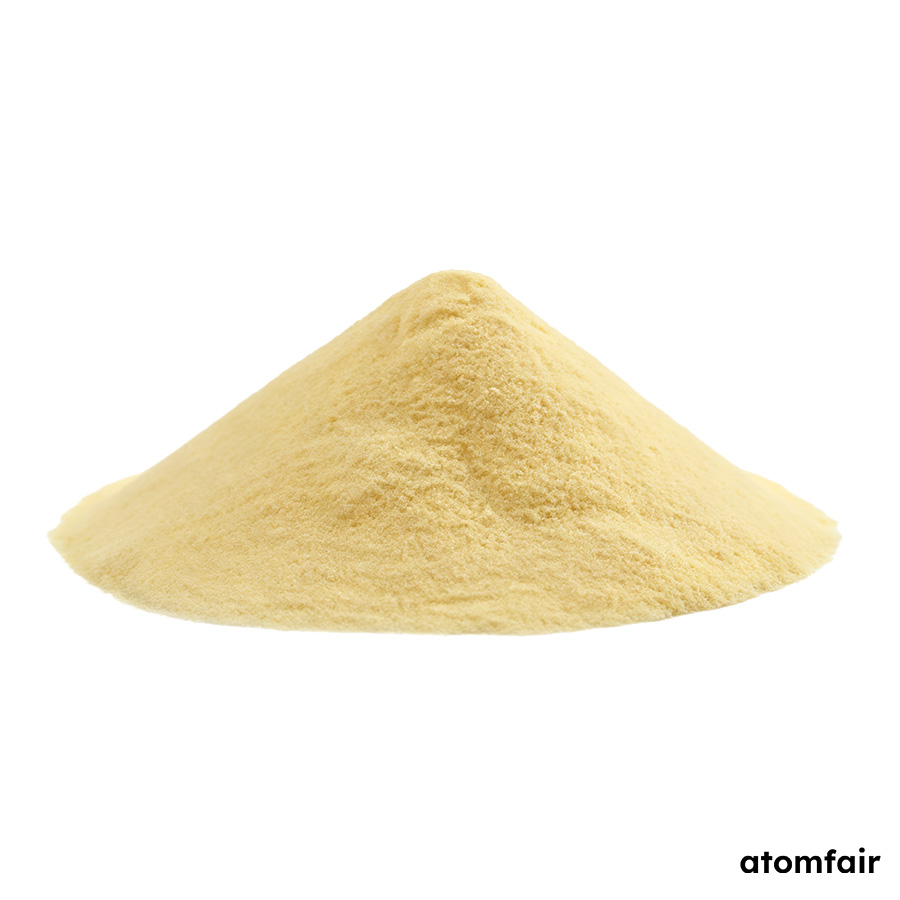
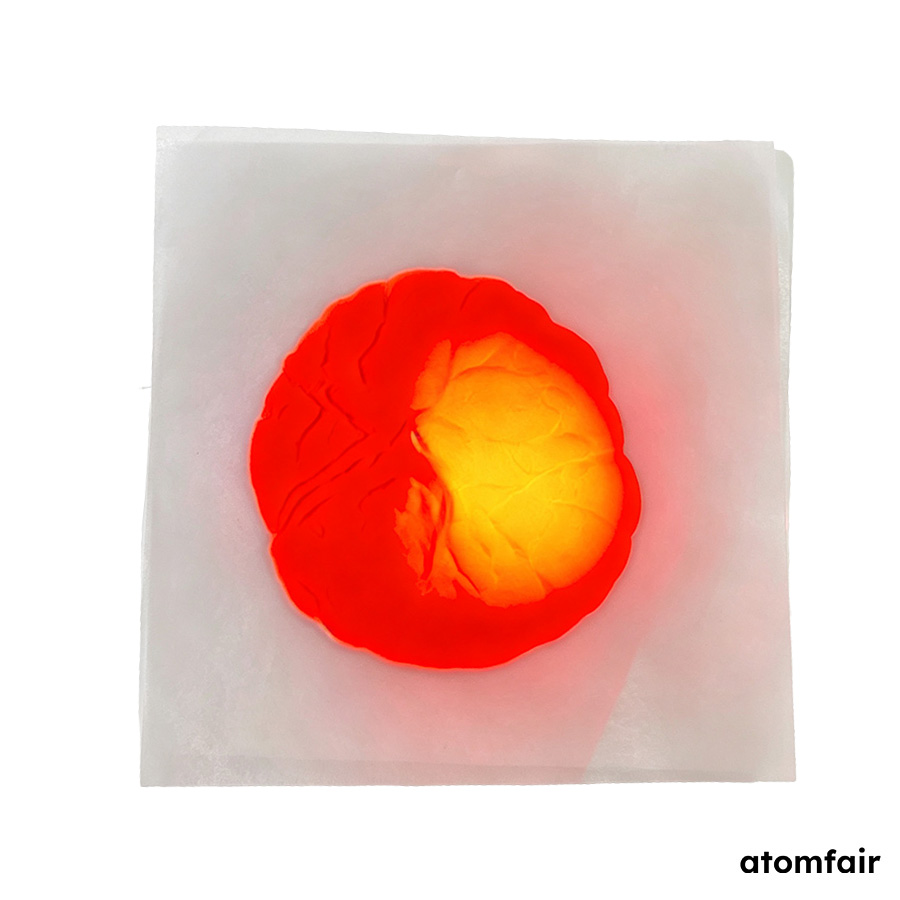
Microscale Fluoride Red-Emitting Phosphor
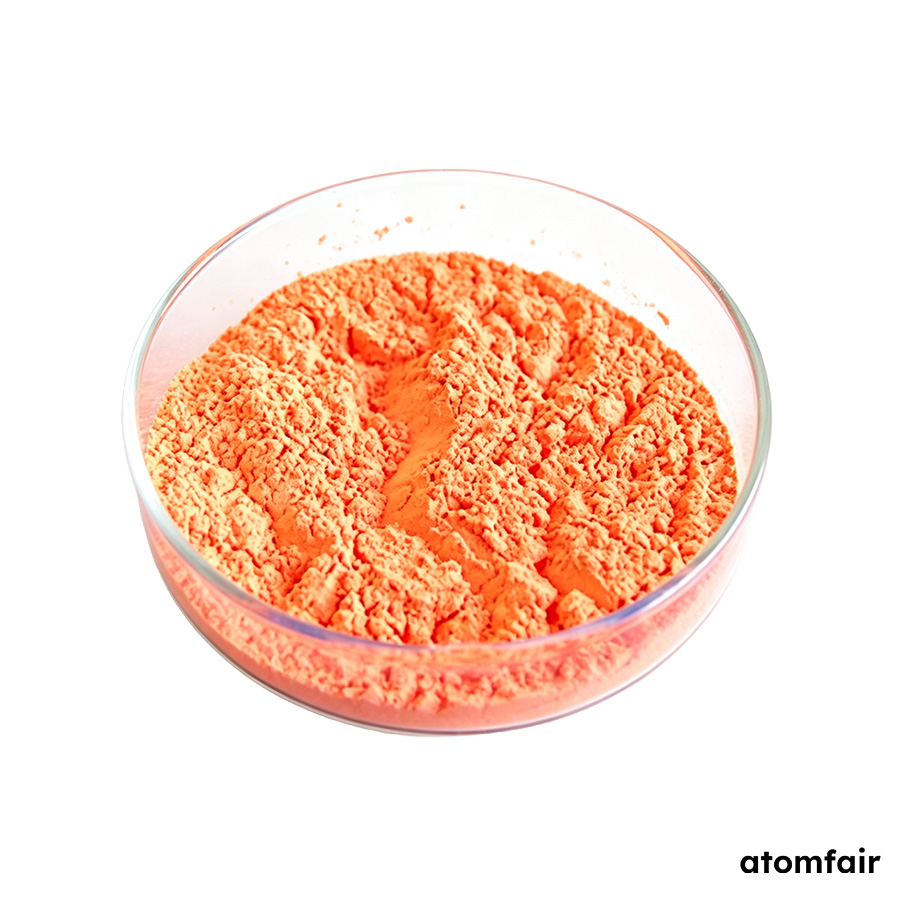
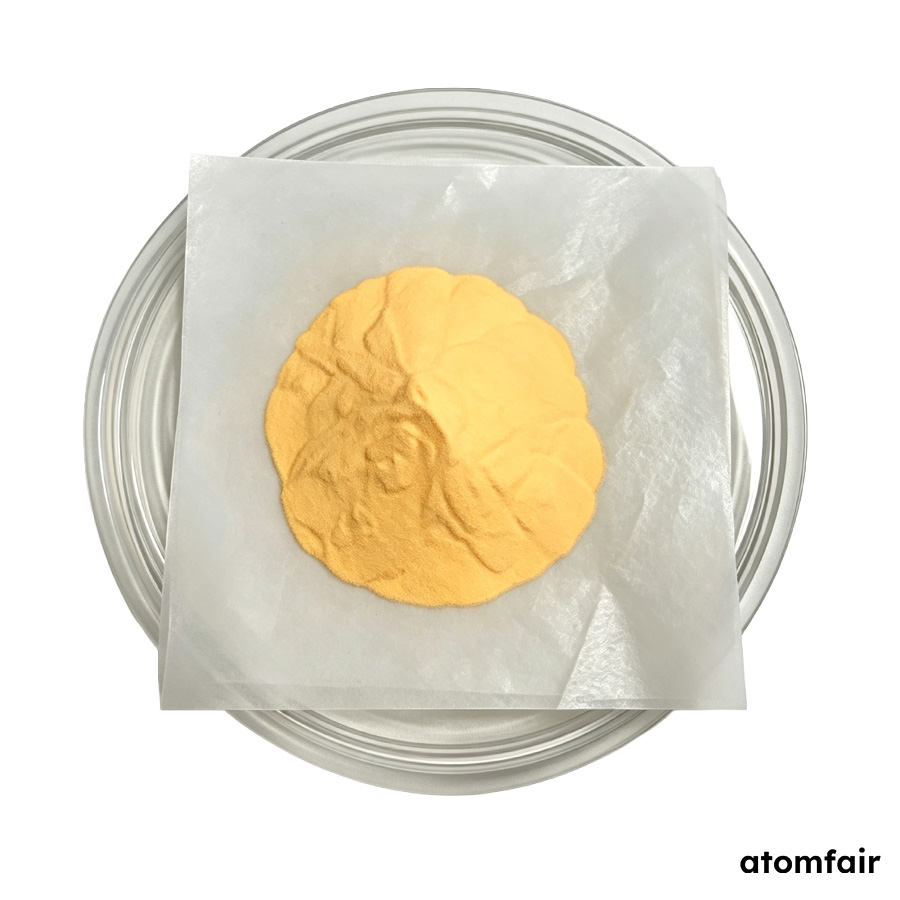
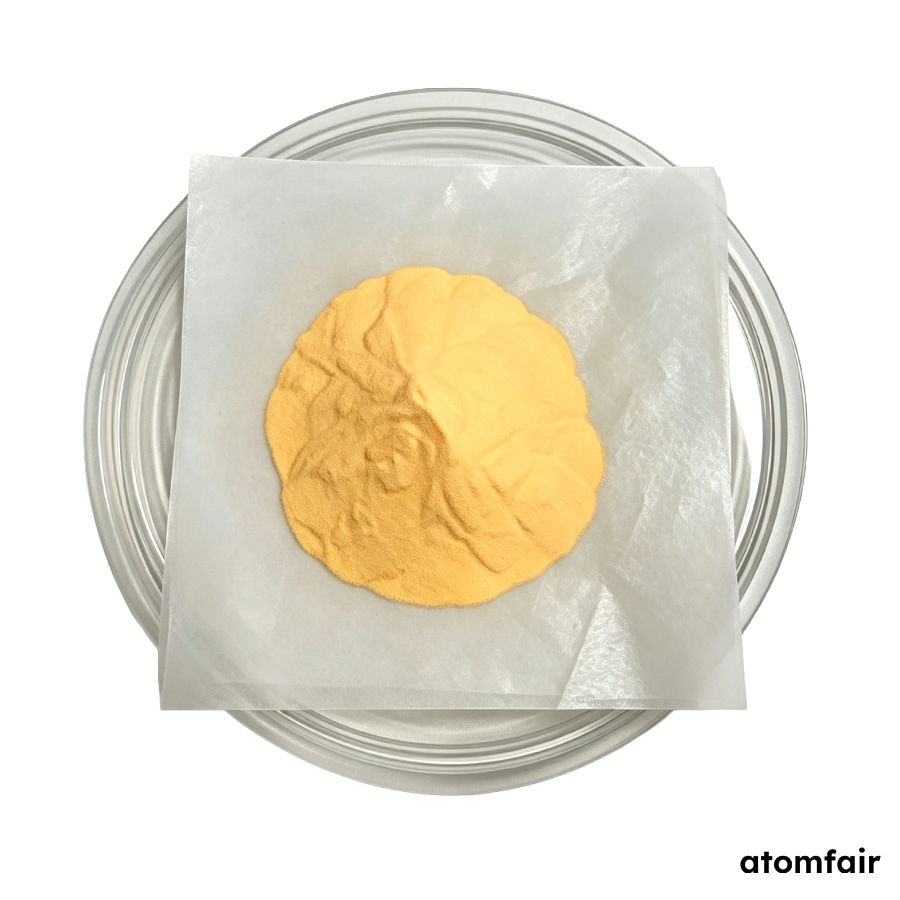
Research-grade luminescent powder
|
|||||||||||||||||||||||||||||||||||||||||||||||||||||||||||||||||||||||||
|
|||||||||||||||||||||||||||||||||||||||||||||||||||||||||||||||||||||||||
|
PHOSPHOR SELECTION AND QUOTATION SUPPORT
For model selection, particle-size confirmation and quotation support, contact our technical sales team.
E-MAIL: inquiry@atomfair.com
|
|||||||||||||||||||||||||||||||||||||||||||||||||||||||||||||||||||||||||
|
Manufacturer: Atomfair LLC
Brand: ATOMFAIR®
|
This phosphor must be kept sealed, dry, and protected from direct light to prevent moisture-induced degradation and photobleaching. Airborne dust generation during transfer must be minimized to avoid inhalation and cross-contamination.
- Moisture Sensitivity: Exposure to ambient humidity can hydrolyze the K₂SiF₆:Mn⁴⁺ lattice, reducing emission efficiency.
- Light Sensitivity: Prolonged exposure to direct light, especially UV or high-intensity blue, may accelerate photodegradation of the Mn⁴⁺ activator.
- Dust Control: Fine micropowder with D50 as low as 1 µm presents an inhalation hazard and requires engineering controls or local exhaust ventilation during handling.
Transfer the phosphor in a low-humidity environment (<30% RH) under subdued lighting to preserve optical performance. Use appropriate personal protective equipment including a dust mask, safety goggles, and nitrile gloves.
Required Equipment: Sealed moisture-resistant container, Local exhaust ventilation or fume hood, Anti-static spatula or scoop
- Inspect packaging integrity
Inspect the sealed moisture-resistant packaging for any damage or punctures before opening. - Prepare handling environment
Set up the transfer area inside a fume hood or under local exhaust ventilation with relative humidity below 30% and subdued lighting. - Don personal protective equipment
Don a dust mask (N95 or higher), safety goggles, and nitrile gloves before handling the phosphor. - Transfer phosphor to working container
Transfer the required amount of phosphor using an anti-static spatula into a clean, dry, light-protected container. - Reseal original container immediately
Reseal the original container immediately after transfer to minimize atmospheric exposure. - Store remaining phosphor properly
Store the sealed original container in a cool, dry, dark cabinet at 15–25°C until next use.
What is the emission peak and FWHM of the AF-PH-L-FLRD-D505-KSFM microscale fluoride red-emitting phosphor?
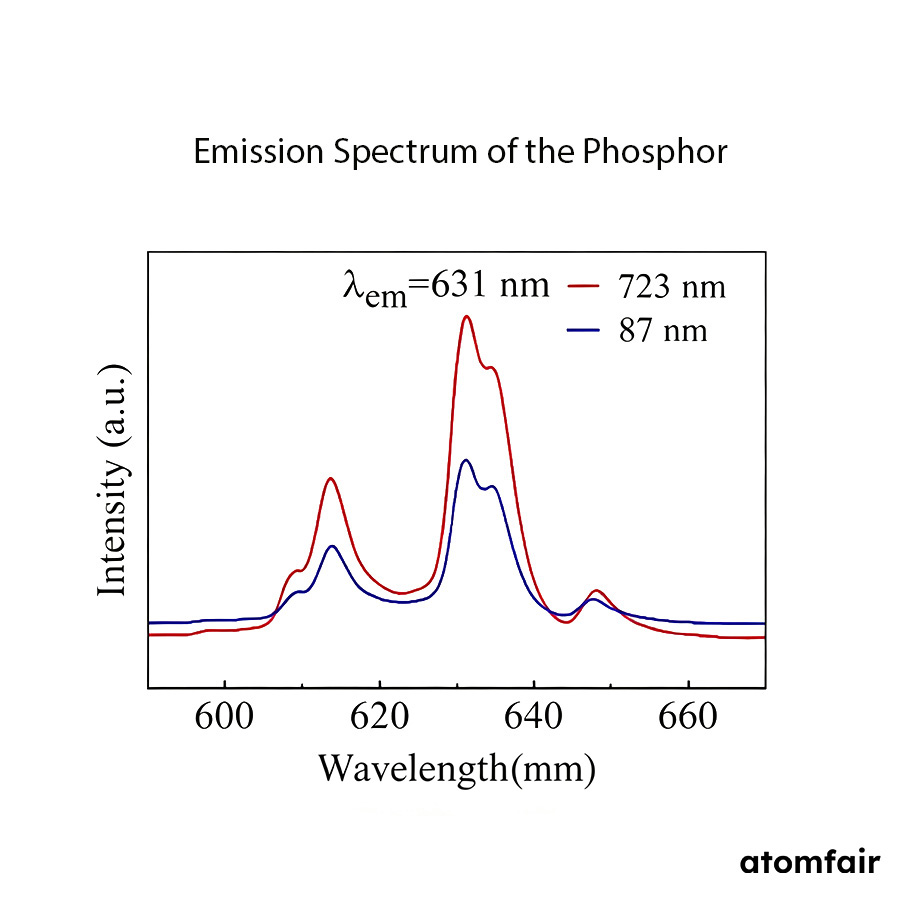
The AF-KSFM05B model, which corresponds to this SKU, has an emission peak of 631 ± 1 nm and a full width at half maximum (FWHM) of 6 ± 2 nm. This narrow red spectral conversion is achieved through manganese(IV)-activated potassium fluorosilicate (K₂SiF₆:Mn⁴⁺) and is designed for 450–470 nm blue-light excitation, making it suitable for Mini-LED and backlighting applications.
What is the median particle size (D50) of this phosphor and how does it affect application suitability?
The AF-KSFM05B model has a median particle size (D50) of 5 µm. This fine particle size is specifically targeted for Mini-LED and backlighting color conversion, where thinner, more uniform phosphor layers are required compared to the larger D50 options (e.g., 50 µm) used for warm-white lighting. The discrete particle-size selection across the product family allows matching the phosphor to specific mixing and conversion-layer thickness constraints.
What handling and storage precautions are required for this microscale fluoride phosphor?
The phosphor must be kept sealed, dry, and protected from direct light to prevent moisture-induced degradation of the K₂SiF₆:Mn⁴⁺ material. During transfer, airborne dust should be minimized, and suitable laboratory protective equipment must be used. Reviewing the applicable safety documentation before handling is required, and Atomfair can coordinate sealed, moisture-resistant packaging for transport.
This microscale fluoride red-emitting phosphor (K₂SiF₆:Mn⁴⁺) delivers narrow-band red emission under 450–470 nm excitation, enabling high color purity in warm-white lighting and backlighting applications. The micropowder form requires moisture-protected storage and careful dust control during handling.
Positive
- Narrow red spectral conversion: Emission peak at 630–631 nm with controlled spectral bandwidth, enabling high color purity for warm-white lighting and display backlighting applications.
- Blue-light excitation compatibility: Optimized for 450–470 nm excitation, making it directly compatible with standard blue LED pumps used in phosphor-converted white LEDs.
Trade-offs
- Moisture and light sensitivity: The phosphor must be kept sealed, dry, and protected from direct light; exposure to moisture or UV can degrade performance, requiring careful storage and handling.
- Airborne dust hazard during transfer: Micropowder form generates airborne dust; appropriate laboratory protective equipment and dust control measures are necessary during handling to avoid inhalation and contamination.
Every advanced material, component, equipment, and instrument in our catalog is backed by rigorous testing. We maintain strict internal quality management frameworks and align with CE conformity metrics to deliver transparent, reproducible performance data via our public open-science repository.
To request raw batch performance data, submit formal vendor registration paperwork, or execute a fast-turnaround R&D manufacturing loop, contact us at inquiry@atomfair.com.
Item is dispatched under the Atomfair Shipping & Delivery Framework (Free worldwide shipping on orders over $59 USD excl. heavy equipment). Return is governed by the Atomfair Return & Refund Policy (7-day technical return window).