|
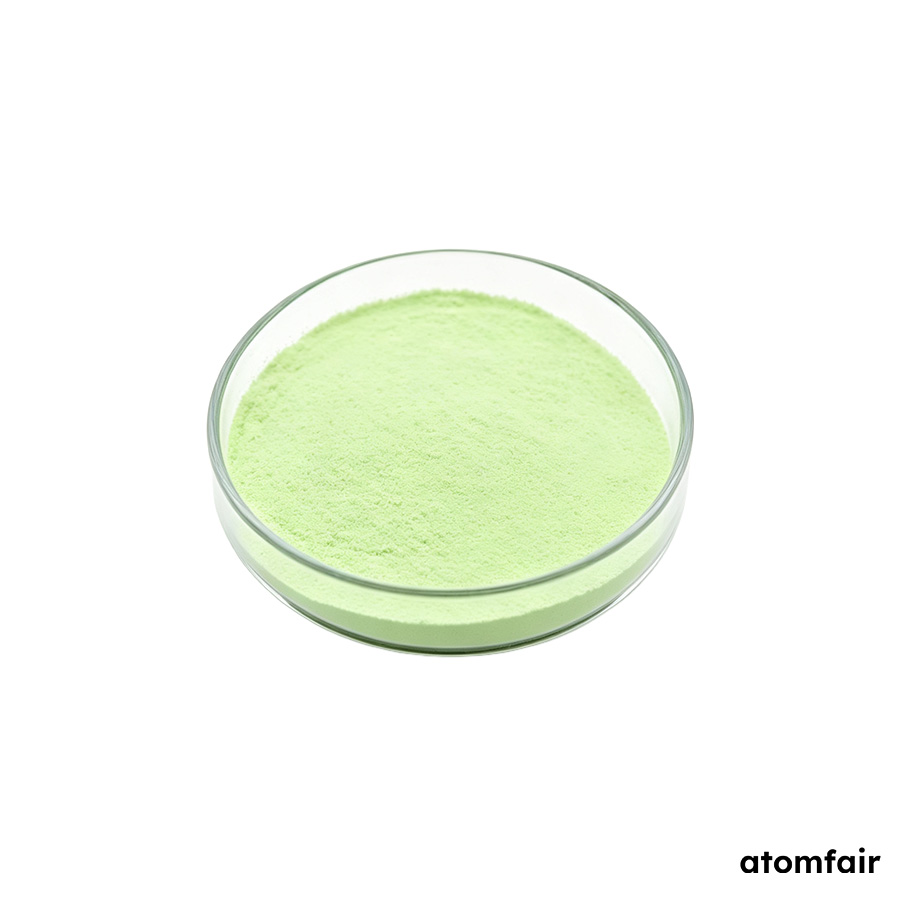
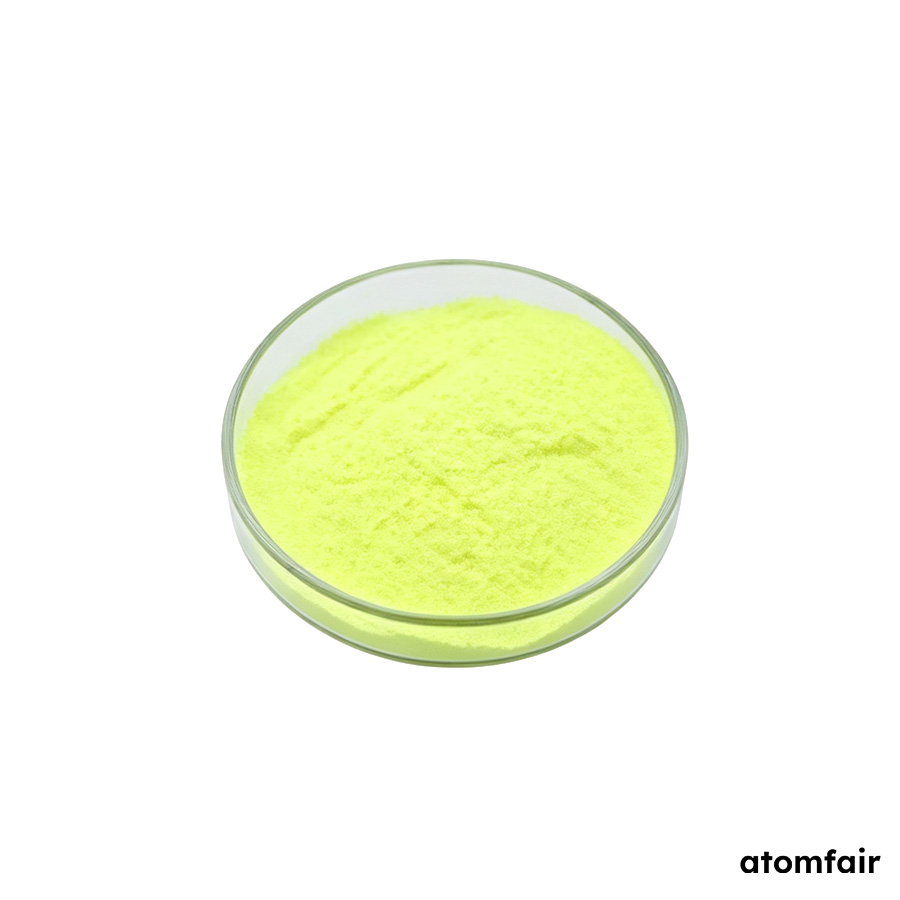
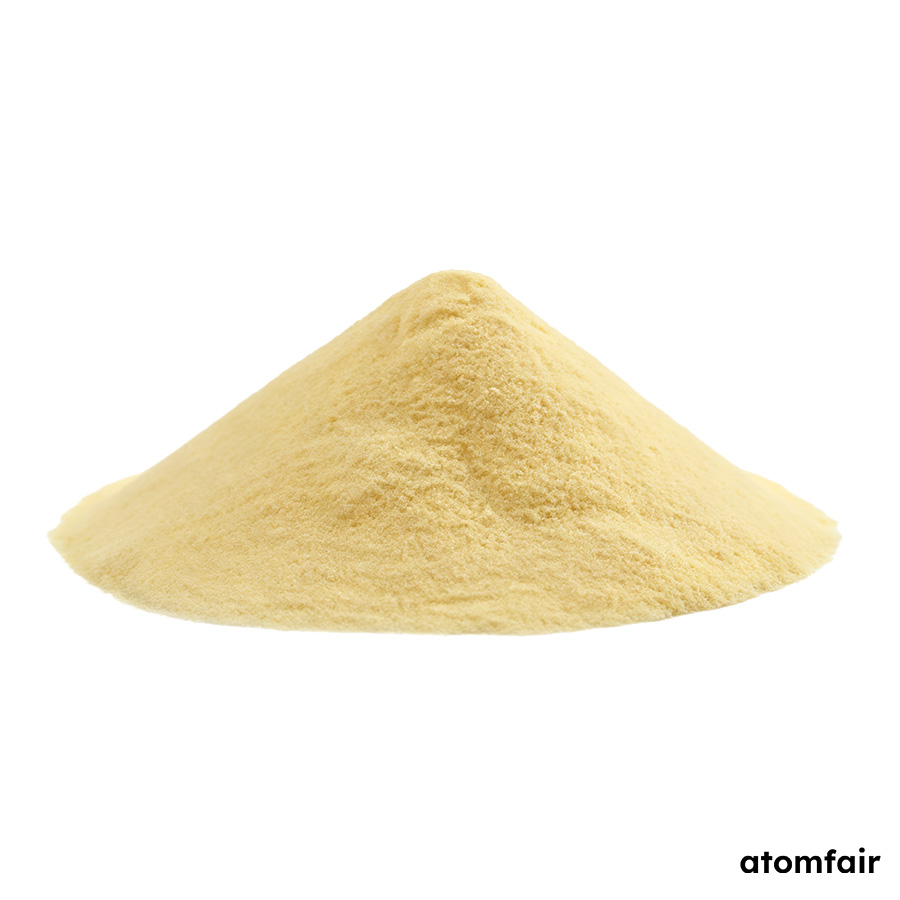
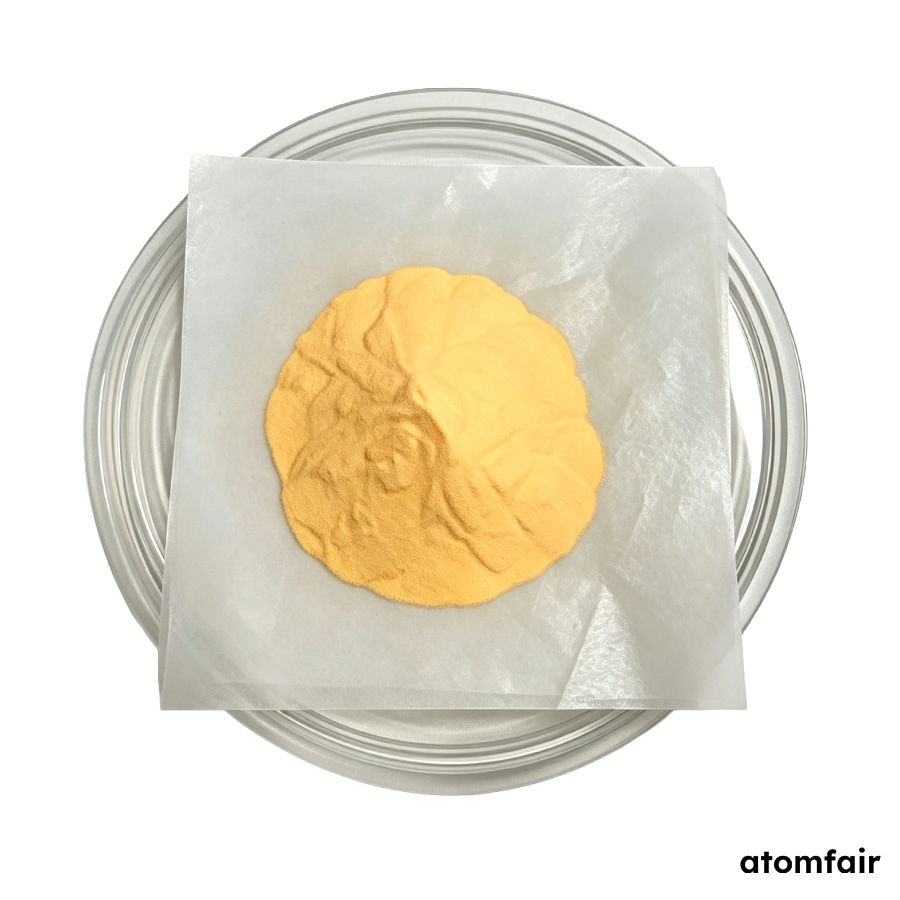
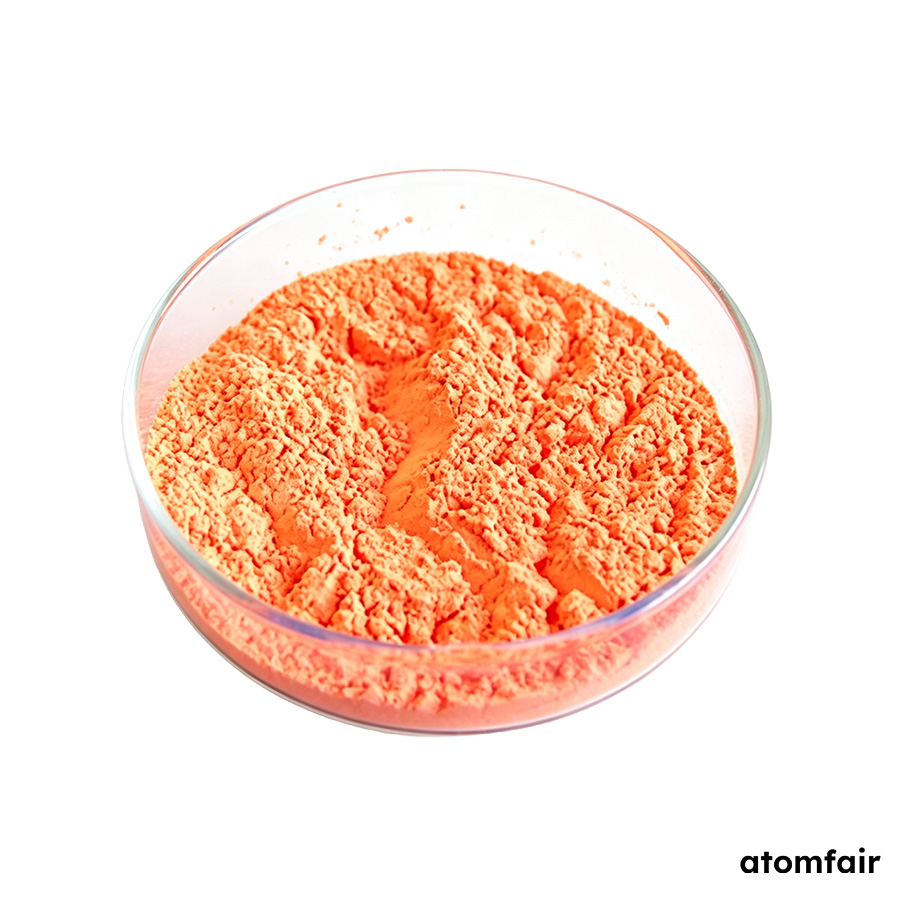
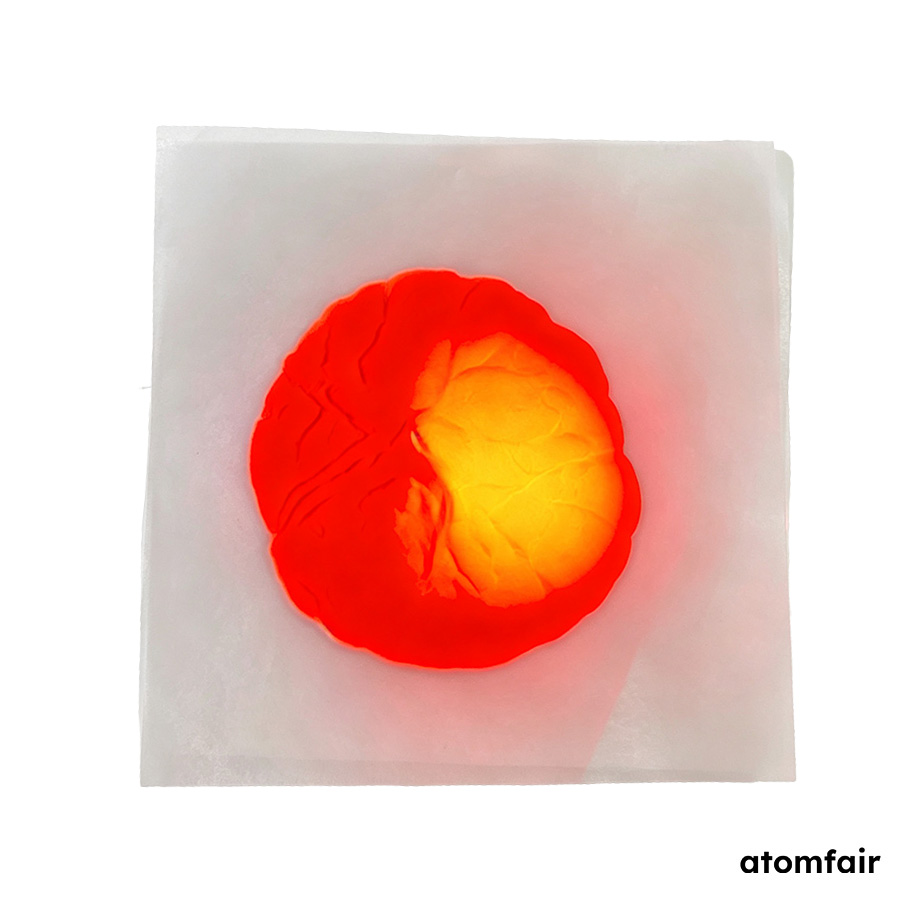
Nanoscale Fluoride Red-Emitting Phosphor
Research-grade luminescent powder
|
|||||||||||||||||||||||||||||||||||||||||||||||||||
|
|||||||||||||||||||||||||||||||||||||||||||||||||||
|
PHOSPHOR SELECTION AND QUOTATION SUPPORT
For model selection, particle-size confirmation and quotation support, contact our technical sales team.
E-MAIL: inquiry@atomfair.com
|
|||||||||||||||||||||||||||||||||||||||||||||||||||
|
Manufacturer: Atomfair LLC
Brand: ATOMFAIR®
|
This nanoscale fluoride red-emitting phosphor requires storage in sealed, moisture-free containers away from direct light to preserve its luminescent properties. Handling procedures must include dust control measures and personal protective equipment to minimize inhalation exposure of the nanoscale powder.
- Storage constraint: Store the phosphor in a sealed container under dry, dark conditions to prevent moisture and light-induced degradation.
- Handling constraint: Minimize airborne dust during transfer and use suitable laboratory protective equipment for safe handling.
- Excitation wavelength constraint: The phosphor is designed for excitation within 450-470 nm; use only blue-light sources within this wavelength range.
- Material form selection: Select nanopowder or nanodispersion form according to the intended processing route.
- Safety documentation requirement: Review the applicable safety documentation before handling the phosphor.
How does the median particle size of AF-KSFN models affect performance in Mini-LED versus Micro-LED color-conversion layers?
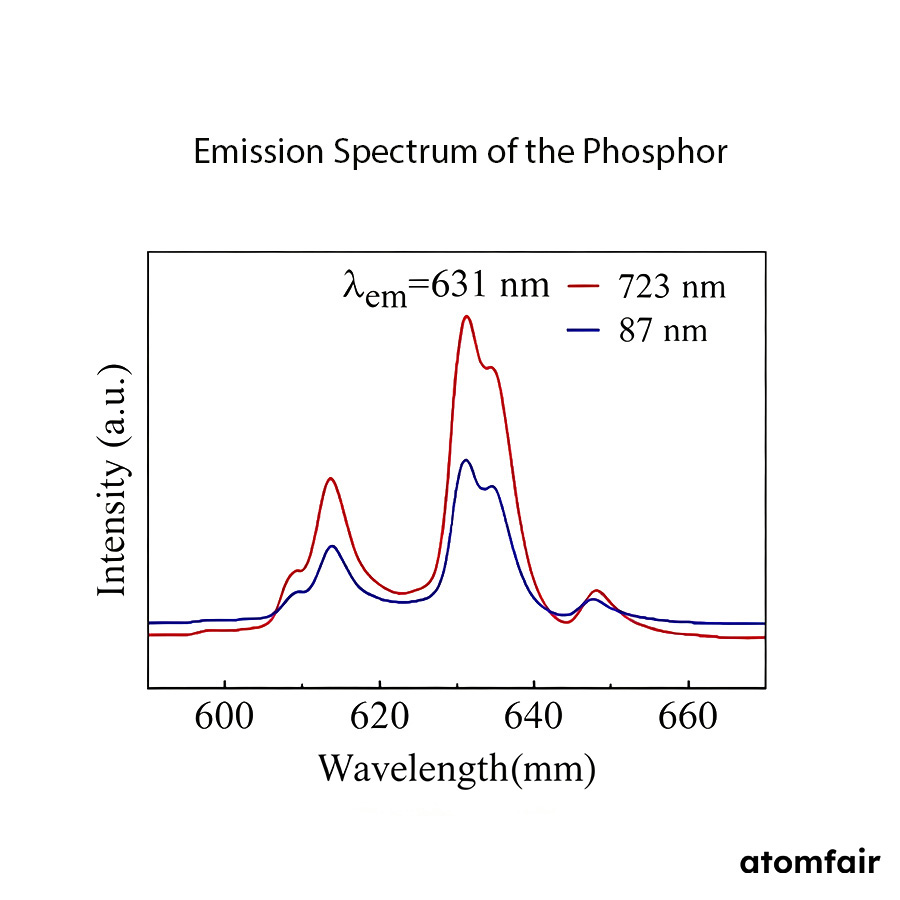
The median particle size (D50) directly determines compatibility with device architecture. The AF-KSFN500 (0.50 µm) and AF-KSFN200 (0.20 µm) are specified for both Mini-LED and Micro-LED, while the AF-KSFN100 (0.10 µm) and AF-KSFN060 (0.06 µm) are designated for Micro-LED only. Smaller particles reduce scattering and enable thinner conversion layers required for high-resolution Micro-LED arrays, but may exhibit lower quantum yield—the 0.06 µm sample showed 64.86% quantum yield versus 98.62% for a larger 0.723 µm reference sample under 469 nm excitation.
Can the K₂SiF₆:Mn⁴⁺ phosphor be processed as a liquid dispersion for inkjet or spin-coating deposition?
Yes, the material is available in both nanopowder and nanodispersion forms, supporting dry-powder and liquid-processing routes. The nanodispersion form is suitable for solution-based deposition methods such as inkjet printing or spin-coating, enabling precise placement of the phosphor layer in Mini-LED and Micro-LED fabrication. The product description explicitly lists both forms as available options.
What is the moisture sensitivity of this KSF phosphor, and what storage conditions are required to prevent degradation?
The phosphor must be kept sealed, dry, and protected from direct light to maintain performance. Although representative evaluation shows fluorescence retained after 30 hours in pure water, standard KSF phosphors are moisture-sensitive; the manufacturer explicitly requires sealed, moisture-resistant packaging and advises minimizing airborne dust during transfer. Storage in a desiccated, light-tight container at room temperature is recommended.
The Atomfair AF-KSFN500 nanoscale fluoride red-emitting phosphor provides narrow-band emission at 631 nm with 9 nm FWHM under blue excitation, suitable for Mini-LED and Micro-LED color conversion. Available in nanopowder and nanodispersion forms, it requires careful moisture and light protection during handling.
Positive
- Narrow-band red emission: Emission peak at 631 ± 1 nm with FWHM of 9 ± 2 nm enables high color purity for display applications.
- Flexible material forms: Available as nanopowder and nanodispersion, supporting both dry-powder and liquid-processing routes for different device architectures.
Trade-offs
- Strict handling requirements: Must be kept sealed, dry, and protected from direct light; airborne dust must be minimized during transfer with appropriate protective equipment.
- Blue-light excitation dependency: Designed exclusively for excitation within 450–470 nm, limiting compatibility to blue-LED sources and requiring matching system design.
Every advanced material, component, equipment, and instrument in our catalog is backed by rigorous testing. We maintain strict internal quality management frameworks and align with CE conformity metrics to deliver transparent, reproducible performance data via our public open-science repository.
To request raw batch performance data, submit formal vendor registration paperwork, or execute a fast-turnaround R&D manufacturing loop, contact us at inquiry@atomfair.com.
Item is dispatched under the Atomfair Shipping & Delivery Framework (Free worldwide shipping on orders over $59 USD excl. heavy equipment). Return is governed by the Atomfair Return & Refund Policy (7-day technical return window).