|
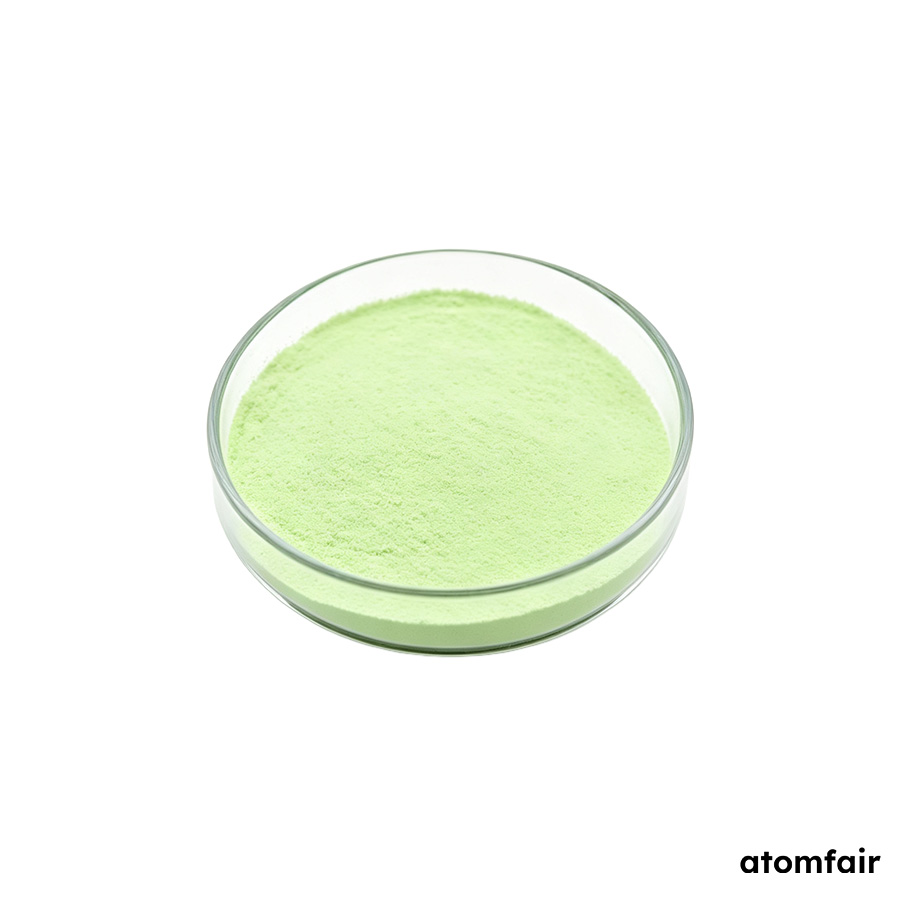
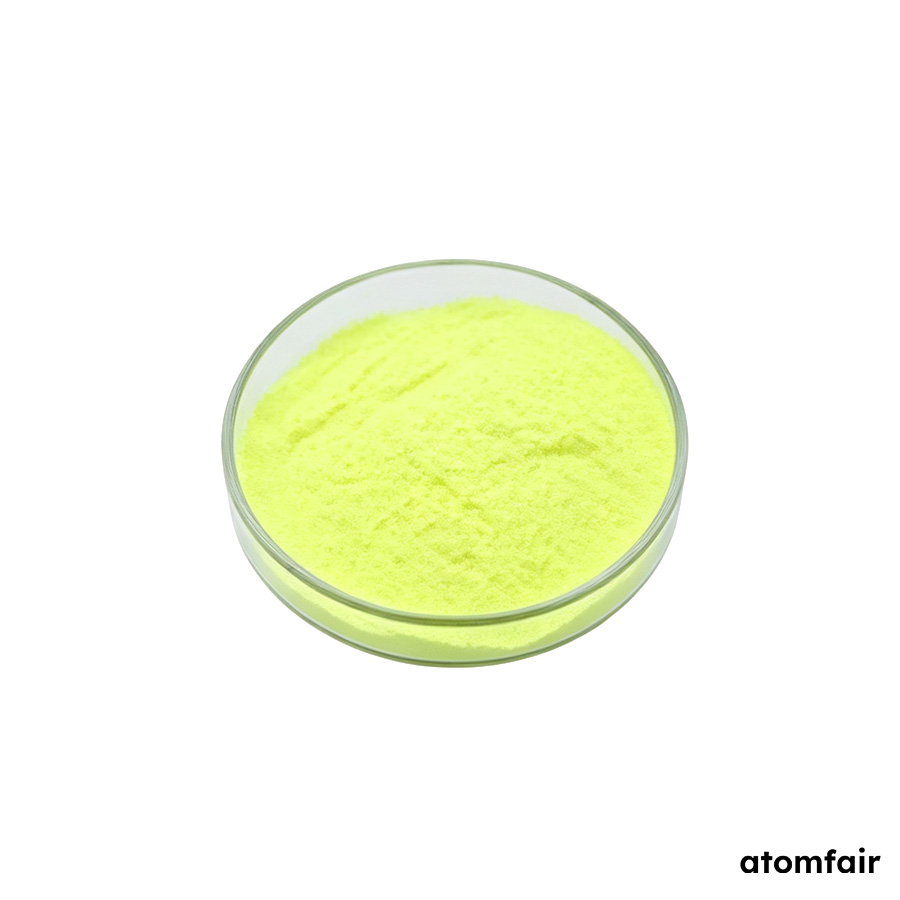
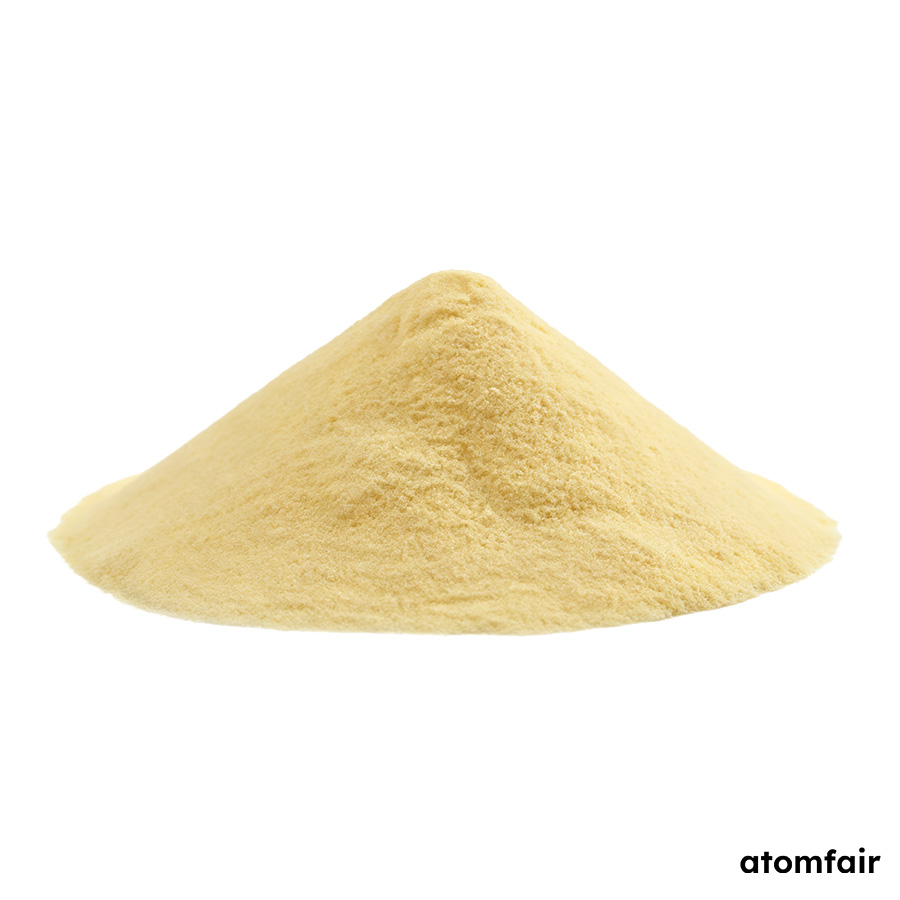
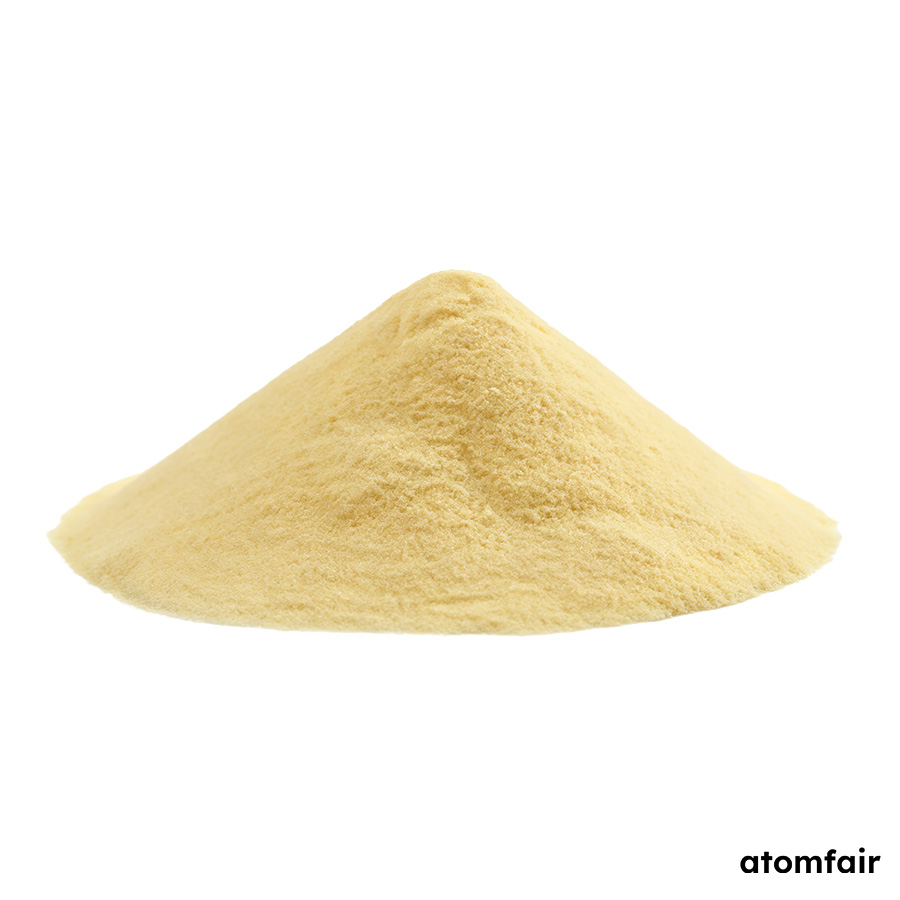
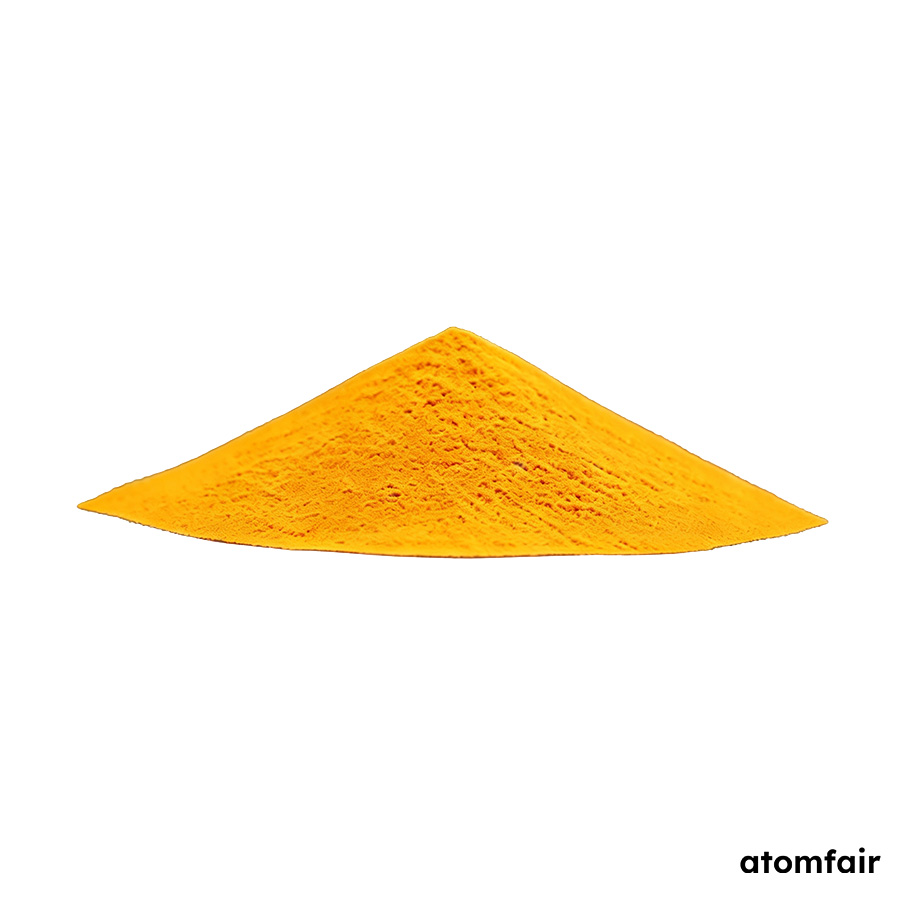
Silicate Orange-Emitting Phosphor
Research-grade luminescent powder
|
|||||||||||||||||||||||||
|
|||||||||||||||||||||||||
|
PHOSPHOR SELECTION AND QUOTATION SUPPORT
For wavelength selection, particle-size confirmation and quotation support, contact our technical sales team.
E-MAIL: inquiry@atomfair.com
|
|||||||||||||||||||||||||
|
Manufacturer: Atomfair LLC
Brand: ATOMFAIR®
|
Store the phosphor in a sealed, dry container protected from direct light to prevent moisture-induced degradation and photobleaching. Minimize airborne dust during transfer using appropriate laboratory protective equipment and review safety documentation before handling.
- Moisture Protection: Keep the phosphor sealed and dry to prevent moisture-induced degradation.
- Light Protection: Protect the phosphor from direct light to avoid photodegradation of the luminescent properties.
- Dust Control: Minimize airborne dust generation during transfer to reduce inhalation risk and cross-contamination.
- Personal Protective Equipment: Use suitable laboratory protective equipment, including gloves and dust mask, when handling the powder.
- Safety Documentation: Review the applicable safety data sheet and handling documentation before use.
What is the emission peak range and spectral bandwidth of the Atomfair AF-SIO591 silicate orange-emitting phosphor?
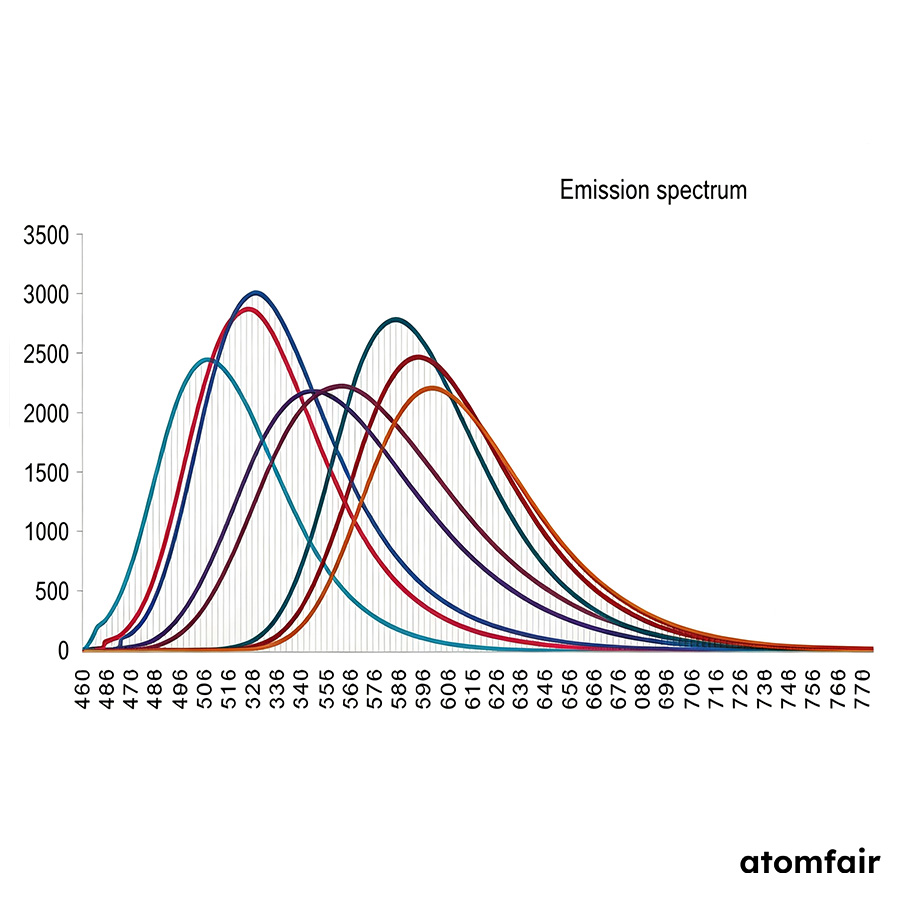
The AF-SIO591 offers a selectable emission peak range of 585–597 nm with a main wavelength range of 584–591 nm and a full width at half maximum (FWHM) of 65–79 nm. These parameters define the available optical performance for general lighting and LCD backlighting applications.
What is the median particle size (D50) range and how does it affect processing?
The median particle size (D50) is specified as 14–20 µm. This controlled range influences slurry behavior, sedimentation, and coating uniformity during phosphor deposition for lighting or backlight color conversion.
What handling and storage precautions are required for this silicate phosphor powder?
The phosphor must be kept sealed, dry, and protected from direct light to prevent moisture uptake and photodegradation. Minimize airborne dust during transfer, use suitable laboratory protective equipment, and review applicable safety documentation before handling.
This silicate orange-emitting phosphor offers a tunable emission peak between 585–597 nm with a controlled median particle size (D50) of 14–20 µm, enabling consistent color conversion for general lighting and LCD backlighting. The material requires strict moisture and light protection during storage and handling, and airborne dust must be minimized during transfer.
Positive
- Tunable orange emission range: Selectable emission peak from 585–597 nm with defined main wavelength and FWHM (65–79 nm) allows spectral matching for lighting and backlight applications.
- Controlled particle size distribution: Median particle size (D50) of 14–20 µm supports consistent slurry rheology and deposition uniformity in phosphor coating processes.
Trade-offs
- Moisture and light sensitivity: The phosphor must be kept sealed, dry, and protected from direct light to prevent degradation of luminescent properties during storage.
- Airborne dust hazard during handling: Transfer operations require minimization of airborne dust and use of suitable laboratory protective equipment to avoid inhalation exposure.
Every advanced material, component, equipment, and instrument in our catalog is backed by rigorous testing. We maintain strict internal quality management frameworks and align with CE conformity metrics to deliver transparent, reproducible performance data via our public open-science repository.
To request raw batch performance data, submit formal vendor registration paperwork, or execute a fast-turnaround R&D manufacturing loop, contact us at inquiry@atomfair.com.
Item is dispatched under the Atomfair Shipping & Delivery Framework (Free worldwide shipping on orders over $59 USD excl. heavy equipment). Return is governed by the Atomfair Return & Refund Policy (7-day technical return window).