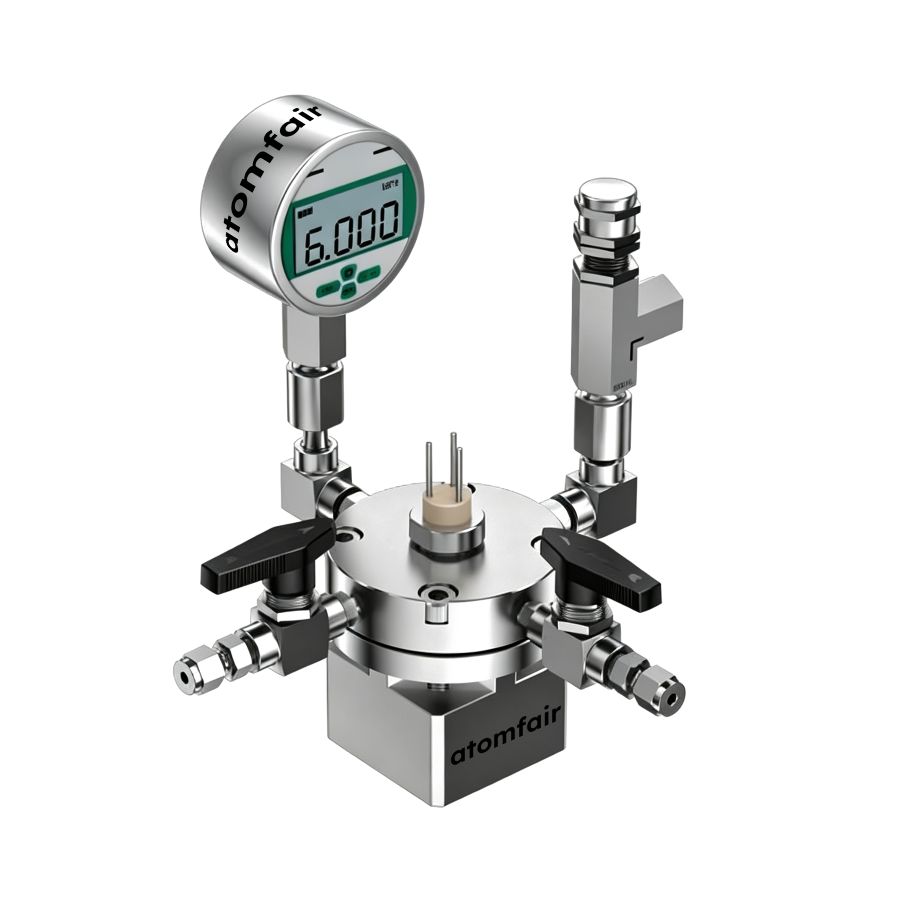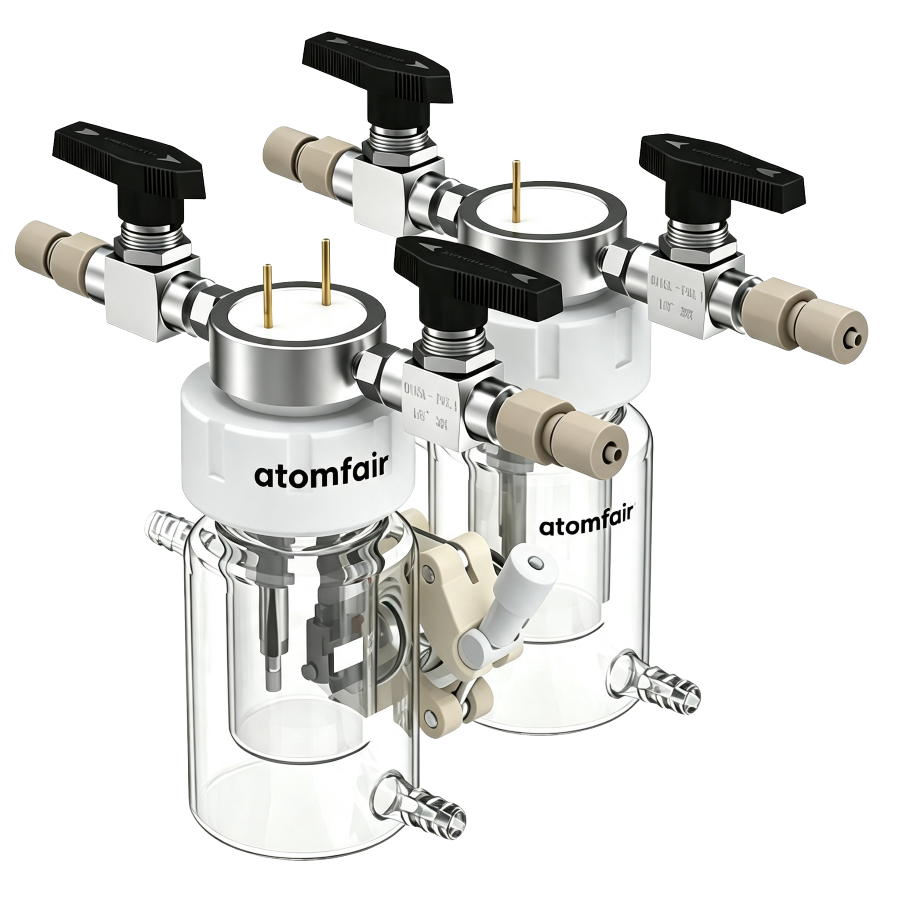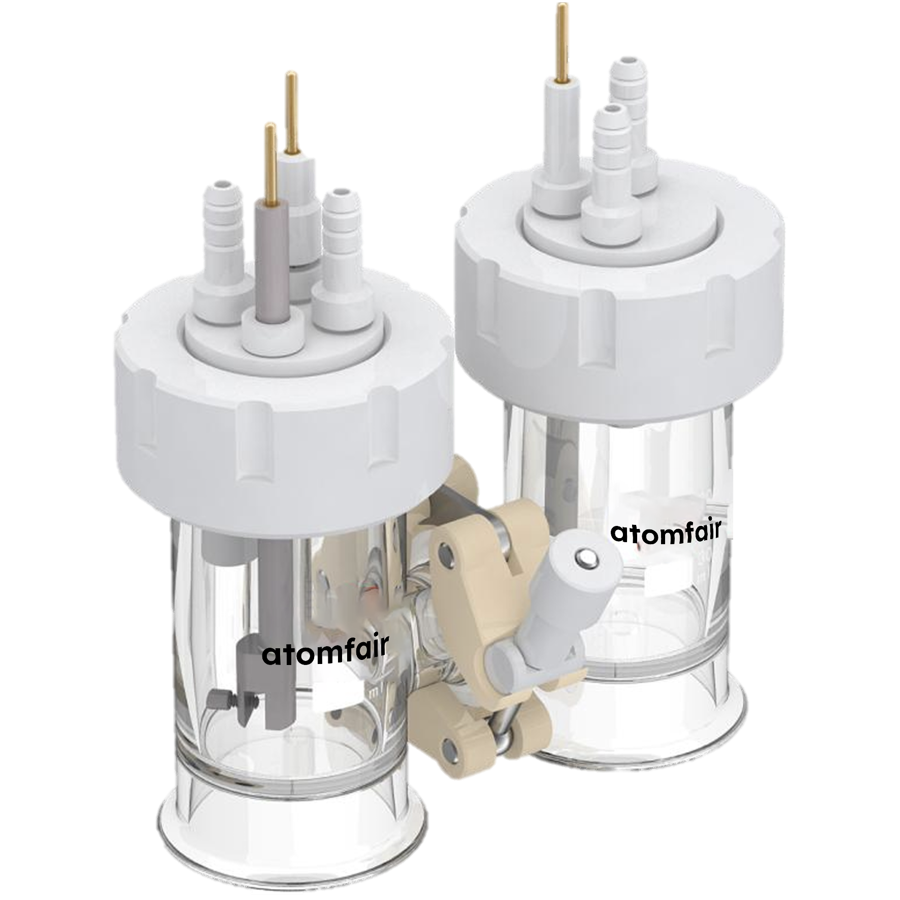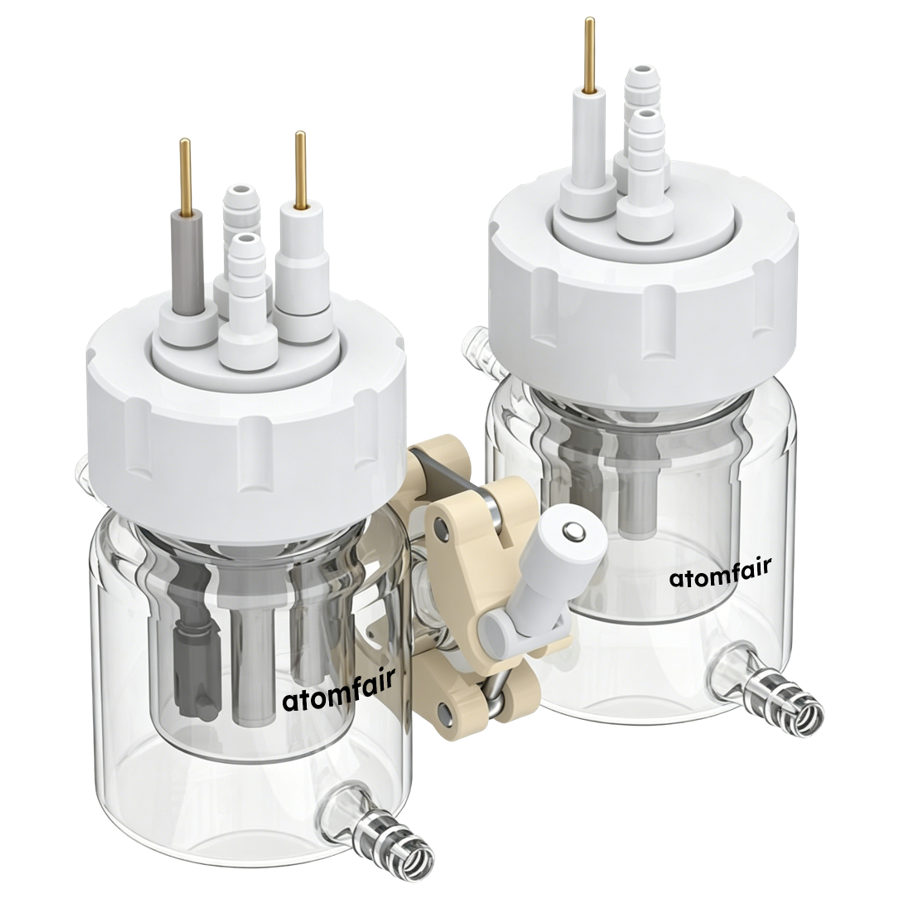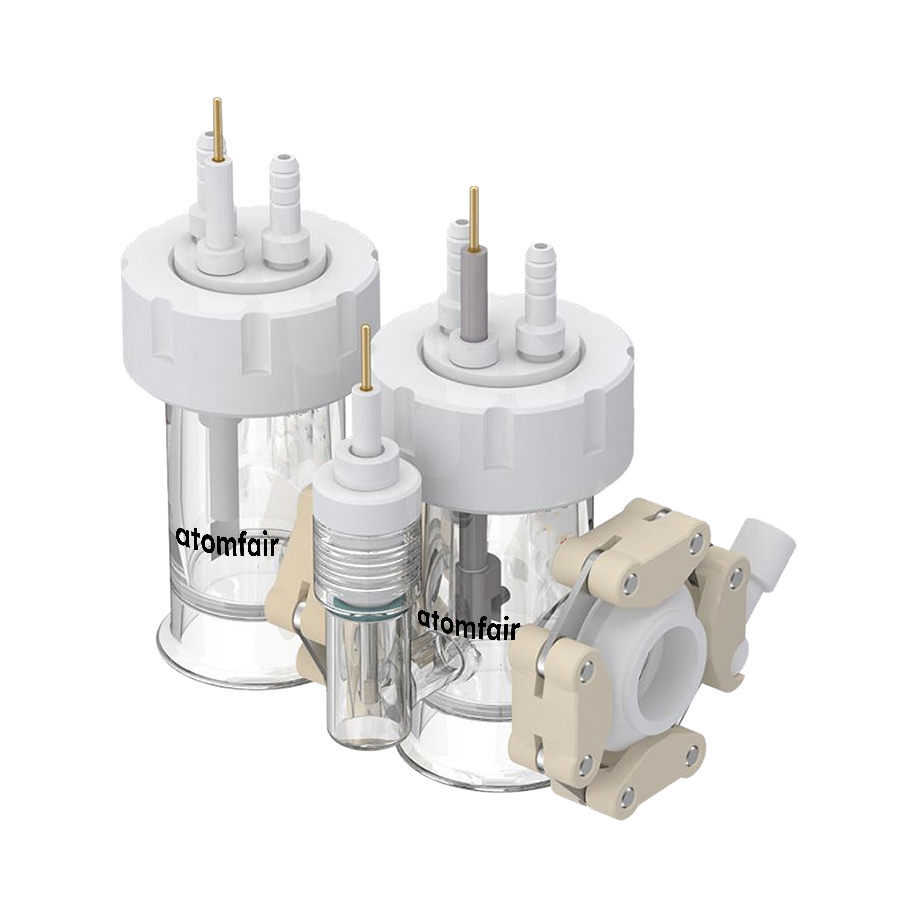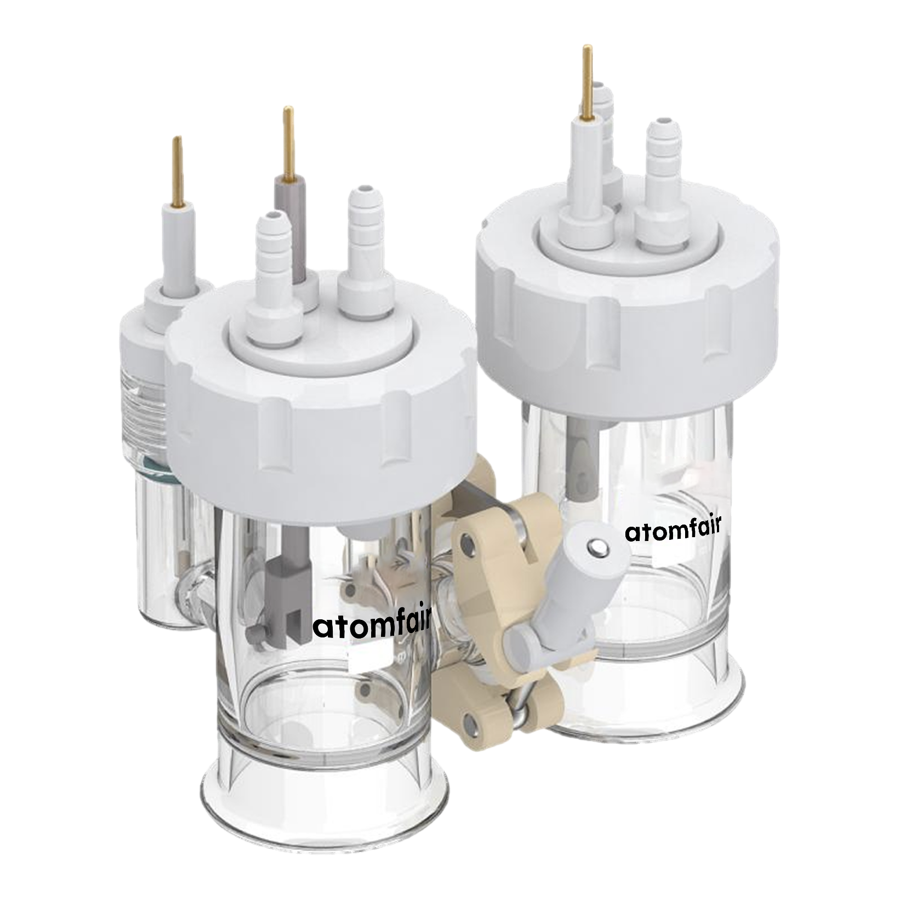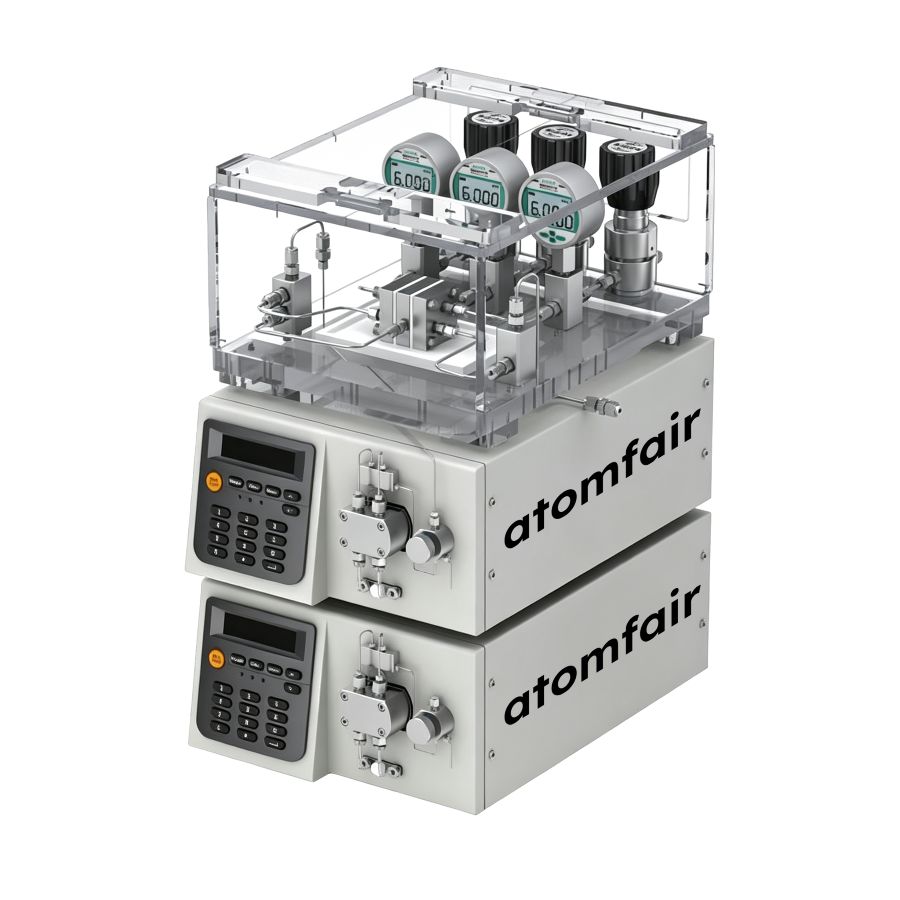
Gas Diffusion High-Pressure Flow Test Cell, Separate ChannelsProduct Type: High-pressure electrochemical cell
Research-grade laboratory product
|
|||||||||||||||||||||||||||||||
|
|||||||||||||||||||||||||||||||
|
LABORATORY PROCUREMENT SUPPORT
For model selection, technical compatibility or configuration confirmation, contact our technical sales team.
E-MAIL: inquiry@atomfair.com
|
|||||||||||||||||||||||||||||||
|
Manufacturer: Atomfair LLC LLC
Brand: ATOMFAIR®
|
Operational pressure must be reduced from 30 MPa to 20 MPa when flow rate exceeds 20.00 mL/min to maintain safe mechanical integrity. Proper electrical grounding of the titanium body at AC 220 V is required to prevent electrostatic discharge hazards.
- Pressure-Flow Coupling: Do not exceed 20 MPa when flow rate is set above 20.00 mL/min, as the cell is rated for 30 MPa only in the 0.10-20.00 mL/min range.
- Electrical Grounding: Connect the power cord to a grounded AC 220 V outlet to mitigate the risk of electric shock and equipment damage.
- Channel Isolation: Verify that separate cathode and anode gas channels are not cross-connected before applying pressure to avoid hazardous gas mixing.
- Flow Range Adherence: Set the flow rate only within the 0.01-50.00 mL/min range to maintain accurate control and prevent pump or cell damage.
- Cell Volume Limitation: Fill the 1 mL cell volume exactly to capacity, as overfilling can overpressurize the sealed assembly during operation.
This procedure outlines the sequential steps to safely initialize the high-pressure test cell for operation. Proper grounding, flow path verification, and gradual pressurization are essential to prevent equipment failure and operator injury.
Required Equipment: Flow controller, Pressure regulator, Grounding cable, Gas supply lines
- Ground the cell body
Connect the titanium cell body to a grounded AC 220 V outlet using the provided power cord. - Verify gas channel connections
Confirm that the separate cathode and anode gas supply lines are connected to the correct ports and are leak-free. - Install internal components
Insert the selected electrodes, membrane, and window into the cell, ensuring proper sealing according to manufacturer instructions. - Fill the cell with electrolyte
Inject the correct electrolyte into the 1 mL cell volume, taking care not to overfill or introduce air bubbles. - Set initial flow and pressure
Set the flow controller between 0.10 and 20.00 mL/min and gradually increase pressure to no more than 30 MPa while monitoring for leaks. - Adjust flow rate above threshold
If higher flow is required, reduce the pressure to 20 MPa before setting the flow rate above 20.00 mL/min.
What is the trade-off between flow rate and maximum operating pressure for the AF-HP-PFC2 high-pressure flow test cell?
The cell supports a maximum operating pressure of 30 MPa when the flow rate is set between 0.10 and 20.00 mL/min. However, at higher flow rates from 20.01 to 50.00 mL/min, the maximum allowable pressure drops to 20 MPa. This pressure-flow rate trade-off is inherent to the titanium FlowCell body design and must be considered when configuring experiments.
What electrodes and membranes are compatible with the Atomfair AF-HP-PFC2 high-pressure flow test cell?
Compatible electrodes, membranes, windows, and gas diffusion electrodes are not included with the cell and must be purchased separately. The titanium body with a 1 mL cell volume and 10×10×10 mm internal channel can accommodate custom electrode sizes and window materials. For non-standard requirements, specific dimensions or materials can be confirmed directly with the manufacturer before ordering.
What infrastructure and safety precautions are required to operate the AF-HP-PFC2 high-pressure flow test cell at 30 MPa?
Operation at 30 MPa requires a flow rate between 0.10 and 20.00 mL/min and a power supply of AC 220 V, 50 Hz. The titanium cell body is rated for high-pressure use, but users must ensure proper sealing and high-pressure-compatible fittings. The overall unit dimensions are 420×300×175 mm, so adequate bench space and ventilation should be provided for safe laboratory integration.
This high-pressure gas diffusion flow test cell offers separate cathode/anode channels with a titanium body, 1 mL volume, and flow control from 0.01 to 50 mL/min, but pressure capability is reduced at higher flow rates.
Positive
- High-pressure capability with separate channels: Operates up to 30 MPa with distinct cathode and anode flow paths, enabling precise gas diffusion studies under realistic high-pressure electrochemical conditions.
- Wide, precise flow control range: Flow setting range of 0.01–50.00 mL/min with a 0.01 mL/min step allows fine-tuned reactant delivery for varied experimental protocols.
Trade-offs
- Flow-rate-dependent pressure limit: Maximum operating pressure drops from 30 MPa at 0.10–20.00 mL/min to 20 MPa at 20.01–50.00 mL/min, requiring careful flow-pressure coordination in experimental design.
- Titanium body and small cell volume constraints: The titanium FlowCell body and 1 mL cell volume may limit compatibility with certain corrosive electrolytes or necessitate specialized sealing at high pressures.
Every advanced material, component, equipment, and instrument in our catalog is backed by rigorous testing. We maintain strict internal quality management frameworks and align with CE conformity metrics to deliver transparent, reproducible performance data via our public open-science repository.
To request raw batch performance data, submit formal vendor registration paperwork, or execute a fast-turnaround R&D manufacturing loop, contact us at inquiry@atomfair.com.
Item is dispatched under the Atomfair Shipping & Delivery Framework (Free worldwide shipping on orders over $59 USD excl. heavy equipment). Return is governed by the Atomfair Return & Refund Policy (7-day technical return window).